

This introduction outlines how a trained viewer approaches a target site through a clear structure. Coordinate remote viewing and related CRV training teach a stepwise process that starts at Stage I.
Every session begins with simple actions: clear the mind, accept the initial signal, and mark the spontaneous ideogram on paper. The monitor guides the viewer to capture the signal line and to avoid outside noise.
This guide uses the approved release from the May 1986 DIA manual to show how the training program records early perceptions. An example shows how the viewer processes raw data, organizes perceptions, and moves toward the next stage of training.
Purpose here is practical. Students learn to objectify site information, track response time, and test ability across stages. That foundation helps the training viewer progress through stage training and toward reliable results.
Key Takeaways
- CRV training starts at Stage I and builds structure for every session.
- The monitor helps preserve the signal line and session integrity.
- Paper and ideogram capture initial perceptions and raw data.
- Approved release documents map progress through stage training.
- Successful practice lets the viewer objectify site information.
Understanding the Fundamentals of Remote Viewing
A clear structure lets the training viewer focus on site impressions without letting personal response take over.
Core Principles
The process depends on the viewer’s ability to attune to the signal line and capture raw perceptions. Keep the mind quiet so data stays clean. The approved release and training program both stress recording the first impressions on paper via an ideogram.
The Importance of Structure
Stage training guides each session with simple steps: clear mind, mark the ideogram, and preserve the signal. This structure helps the training viewer separate site information from internal response.
When the program moves a viewer toward the next stage, that shift indicates growing ability to handle complex data. Proper structure shortens response time and improves accuracy across stages.
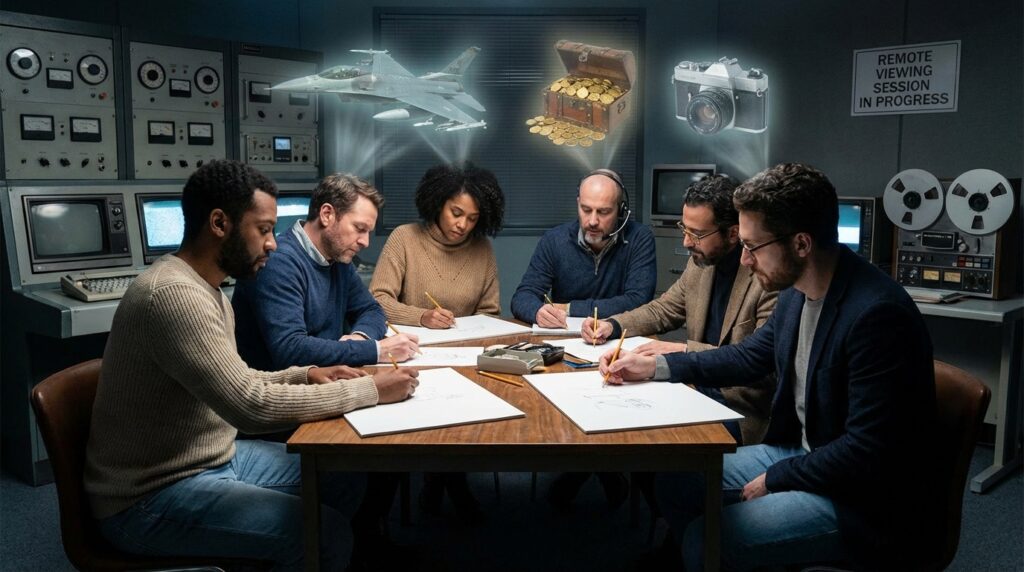
- Follow the process to protect the signal line.
- Use paper notes and ideograms to fix early perceptions.
- Stage training builds the viewer’s decoding ability for site information.
What is a Major Gestalt in Coordinate Remote Viewing
During stage work the viewer hunts for one unifying concept that explains the composite data. Paul H. Smith, in the May 1986 approved release, describes this impression as the overall meaning that ties site elements together.
Tom McNear framed that idea in February 1985 by noting the whole often outshines the parts. The training program makes this practical: write the coordinates on the left third of the paper, then let the ideogram form when the signal line arrives.
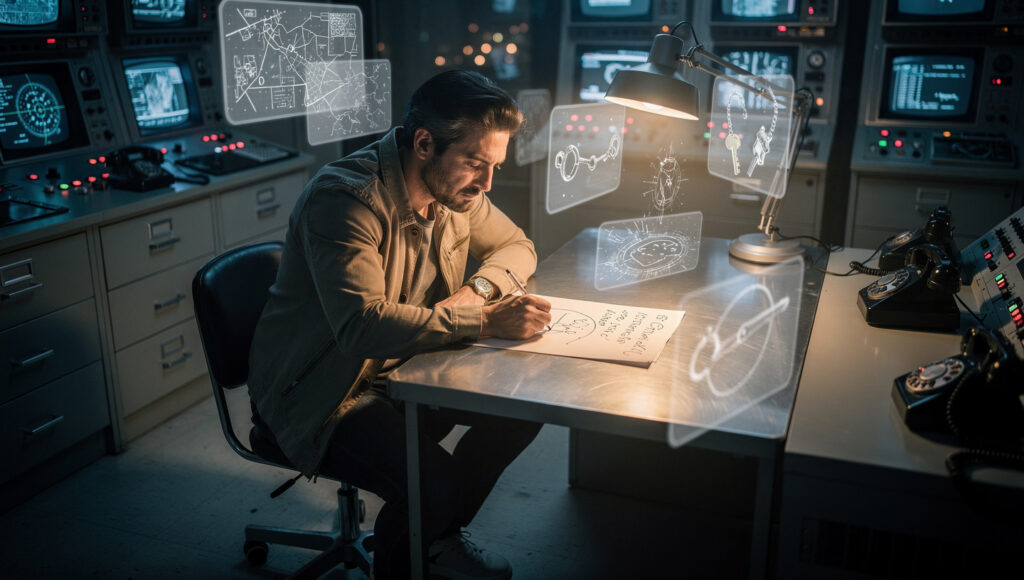
The gestalt serves as the session foundation. Capturing it on paper shows the viewer’s ability to move from scattered perceptions to one clear pattern. This milestone matters during stage training and measures progress in crv training.
Practice keeps the mind focused on coordinates so information stays relevant. For further context on how psychic skill develops alongside structure and drill, see psychic superpowers.
The Role of Gestalt in the Initial Session
A focused initial session sets the tone for the whole training program by teaching the viewer how to lock onto the site’s unifying impression.
Foundation of the Session
The first session teaches clear steps. The viewer records eight Stage I headings on paper: name, location, date, time, and other basics. This list anchors the process and protects the signal line.
The monitor keeps structure steady so the viewer can keep the mind quiet. Following the approved release helps the viewer process raw data and extract accurate information.
“Capturing the single, unifying pattern early makes later stages easier to decode.”
Practice matters. The training program stresses that the ideogram is the spontaneous response to the site’s energy and a key example of early success.
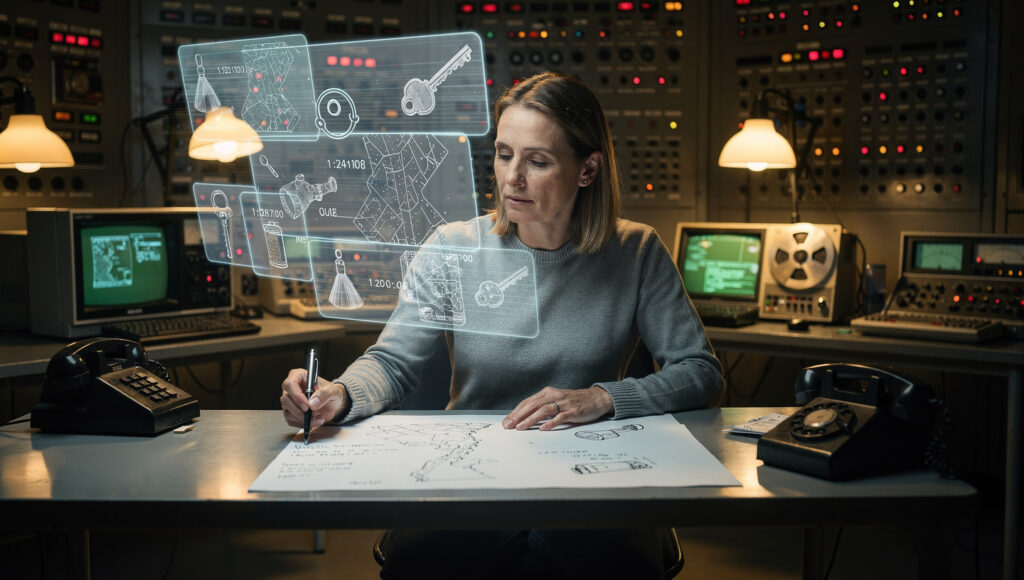
| Stage I Heading | What to Record | Why It Matters |
|---|---|---|
| Name | Target label on the left of paper | Links notes to the session |
| Location | General place or setting | Frames perceptions for context |
| Date & Time | Session timestamp | Maintains session integrity |
| Ideogram | Spontaneous mark from the signal | Shows raw pattern and response |
Key point: mastery of this initial stage proves the viewer’s ability to separate personal perceptions from site data. Each session builds toward more complex stages and better accuracy.
Identifying Primary Site Characteristics
For Stage I work the training program frames sites as isolated areas, guiding the viewer toward simple, primary traits.
The trainee learns that a Stage I target usually covers an area separated from nearby features by about five miles on one side. This rule helps keep the session focused on broad cues rather than fine detail.
Follow the approved release and record the first impressions on paper. The most useful data are simple: water, land, or manmade structure.

- Practice identifying broad traits — beach on an ocean is a common example.
- Keep the mind steady and hold the signal line; ignore outside noise.
- Capture the initial ideogram and basic information to preserve session structure.
Point: each session refines the viewer’s ability to describe the area. Repeated practice proves the program’s effectiveness and improves reliability over time.
How the Signal Line Interacts with the Viewer
For the trainee, the line functions as the session’s primary data channel, guiding perception and response.
The signal carries raw information about the site to the viewer. The training process teaches learners to attune their mind so the line stands out from internal thoughts.
When the line contacts the autonomic system, a reflexive response often follows. That reflex shows up as an ideogram on paper when the viewer’s hand moves without conscious planning.

Practice matters. The viewer must stay passive and let the line guide each motion. Doing so protects data and preserves session structure.
- The line is the conduit for most useful information during a stage.
- Following the approved release helps separate the line from personal response.
- Each session tests how well the viewer maintains that connection over time.
“Capture the line on paper first; decode details later.”
Example: a spontaneous hand motion creates the ideogram. That mark proves the viewer tapped the line and began the viewing process.
The Spontaneous Nature of Ideograms
A spontaneous pen stroke can capture the whole mood of a target area faster than conscious description. This instant mark links first impressions to later analysis and anchors the session structure.
Definition of ideograms
Ideograms are brief, automatic marks that form on paper and represent the site’s prime form. They act as the first raw data the viewer records during stage work.
Motion and energy
The motion that creates an ideogram carries energy from the signal through the hand. Trusting that motion helps the viewer record honest information rather than imagined detail.
Example: a quick curve or jagged line often captures whether an area feels soft, hard, calm, or intense.
The role of the autonomic nervous system
The line contacts the autonomic system, producing reflexive muscle movement. That reflex moves the pen across paper and yields the initial form the training program values.
“Let the hand move first; describe details later.”

Practice keeps the mind passive so responses stay spontaneous. For more on similar energy work and to learn how to send healing energy, explore related drills that build trust in this process.
Decoding Different Types of Ideograms
Decoding ideogram types helps the viewer turn quick marks into useful site information. Keep each note brief and numbered on paper so the session structure stays clear.
Single forms usually signal one dominant quality. A short curve often points to water while a jagged stroke suggests hard ground or structure.
Double forms often show interfaces. For example, a paired curve plus jag may indicate a beach meeting the ocean. Numbering these marks during the stage keeps them distinct.
Multiple or complex forms can show layered data about the site. Break complex marks into parts. Label each part and record the time you noticed the signal.
Practice matters. The training program teaches viewers to separate, number, and decode ideograms so information stays reliable.
“The ideogram is the spontaneous graphic form of the site’s overall impression.”
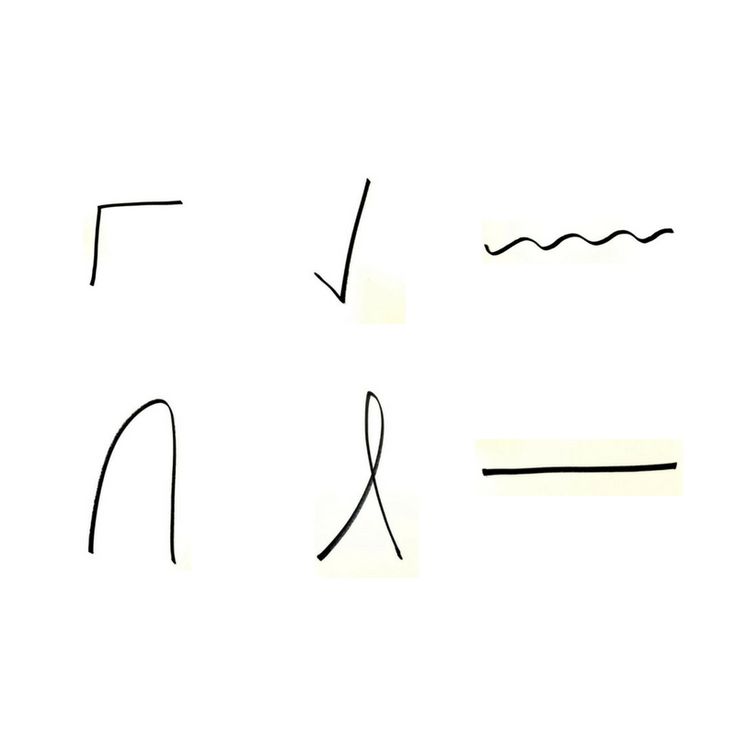
For visual examples and related art that aid pattern recognition, see tarot card art.
Analyzing the A and B Components
Once the spontaneous mark lands on paper, the next step is to split that impression into A and B components for clear analysis.
The A component captures motion and feeling. Note whether the ideogram feels solid, fluid, or charged with energy. Describe the form’s motion and jot the sensation on paper.
The B component is the viewer’s first naming response. This is where the viewer tags the site type — mountain, water, or built structure. Keep labels short and literal so the session structure stays clean.
When multiple ideograms appear, the viewer must number each A/B pair. Numbering preserves order and links each form to its coordinates and time. This habit improves accuracy across stages of training.
- Record ideogram number on the left.
- Write the A notes immediately beneath.
- Follow with the B label and a brief reason.
The approved release format asks the viewer to remain objective. Treat each A/B entry as raw information, not interpretation. Practice these steps during every session to refine skill and to keep data consistent.
“Numbered A and B components turn spontaneous form into reliable information.”
For related drills and to strengthen perception and labeling, see psychic skills.
Managing Complex Site Information
When incoming impressions grow crowded, the trained viewer pauses to reset and protect session clarity.
Handling Too Much Data
Too Much Break is a formal pause the training teaches. Take the break, breathe, then restart with the coordinates. This restart keeps the signal line steady and prevents overwhelm.
The viewer records all early marks on paper and keeps the ideogram as the first priority. If a site sends heavy energy, the viewer may get several ideograms to capture different forms.
Practice helps. The training program shows how to set limits on data flow so impressions stay orderly. Stay objective and label each form briefly to avoid mixing personal response with site information.
“Pause before detail; protect the ideogram and return to coordinates.”

| Trigger | Action | Why it Helps |
|---|---|---|
| Flood of impressions | Too Much Break; restart with coordinates | Prevents confusion; restores focus |
| Excessive energy | Note on paper; limit probing time | Manages signal line overload |
| Complex form | Record multiple ideograms; number each | Preserves order for later analysis |
Common Training Drills for Viewers
Daily drills keep the viewer agile and stop routine marks from clogging the signal.
The monitor often runs exercises using paper printed with rectangles of varied size and shape. The viewer fills each box with an ideogram. This trains the hand to respond to different site types and to avoid habit.
Practice includes timed fills that force quick, clean responses. The drills cover common area types such as water, land, and built structure. Repeating these exercises across phases helps the viewer handle new forms of data.
Following the approved release for drills supports steady development. Number each ideogram and note brief A/B cues so the session information stays clear. Consistent practice keeps the viewer objective and improves accuracy over time.
- Use varied rectangles to vary proportion and orientation.
- Fill boxes fast; number each ideogram for order.
- Rotate drills across stages to support phased development.
“Drills teach flexibility; the ideogram remains the key early item for decoding the site.”
Historical Context of Remote Viewing Symbols
Ancient peoples used marks to capture places, events, and beliefs long before modern protocols formalized the practice. Runes, hieroglyphics, pictographs, and rock art all show how humans turned site impressions into simple, repeatable signs.
These early systems carried meaning without using phonetic letters. They preserved collective memory and shaped how later cultures recorded place and purpose.
The modern ideogram in crv follows that long line of development. The training program teaches the viewer that quick marks map broad energy rather than literal detail. That keeps early session data honest and useful.
- Symbols act as condensed information about a site.
- Practice stops conscious shaping of the mark.
- Spontaneous pen motion often records the signal most clearly.
“Trust the first mark; it carries the core impression of the phase.”
Across stages and phases, the viewer refines skill by repeating this simple act. Linking modern drills to ancient symbol use helps explain the development of perception and supports steady growth during training.
Avoiding Common Pitfalls in Session Structure
Small slips by the viewer can quickly blur raw impressions and undermine session outcomes.
Keep the mind quiet and protect the signal line. Do not chase details early. Let the ideogram stand as the first and clearest piece of information on paper.
The monitor guides pacing and prompts restarts when the flow fills with noise. A brief pause restores focus and keeps site data clean.
Manage the number of ideograms. Too many marks cause confusion; number each ideogram and label A/B notes right away.
Follow the approved release and training drills. These rules teach the viewer how to spot errors and correct them during a session.
For complex site work, expect multiple ideograms. Record each entry, keep labels short, and return to coordinates between attempts.
“Let the ideogram lead; describe detail only after structure is secure.”
Practice this rhythm. Each session refines skill and makes the viewer better at capturing true site information.
Conclusion
Consistent practice turns brief marks into dependable site information and supports the purpose of coordinate remote viewing training. A steady routine helps the viewer sharpen skill across each stage.
Work the ideogram and refine A/B notes to improve data quality. Guard the signal line and keep session steps simple so site cues stay clear and honest.
Keep training focused. Each short session builds useful information, helps the viewer decode complex sites, and advances crv skill. For more on related psychic skill sets, see clairvoyant abilities.