
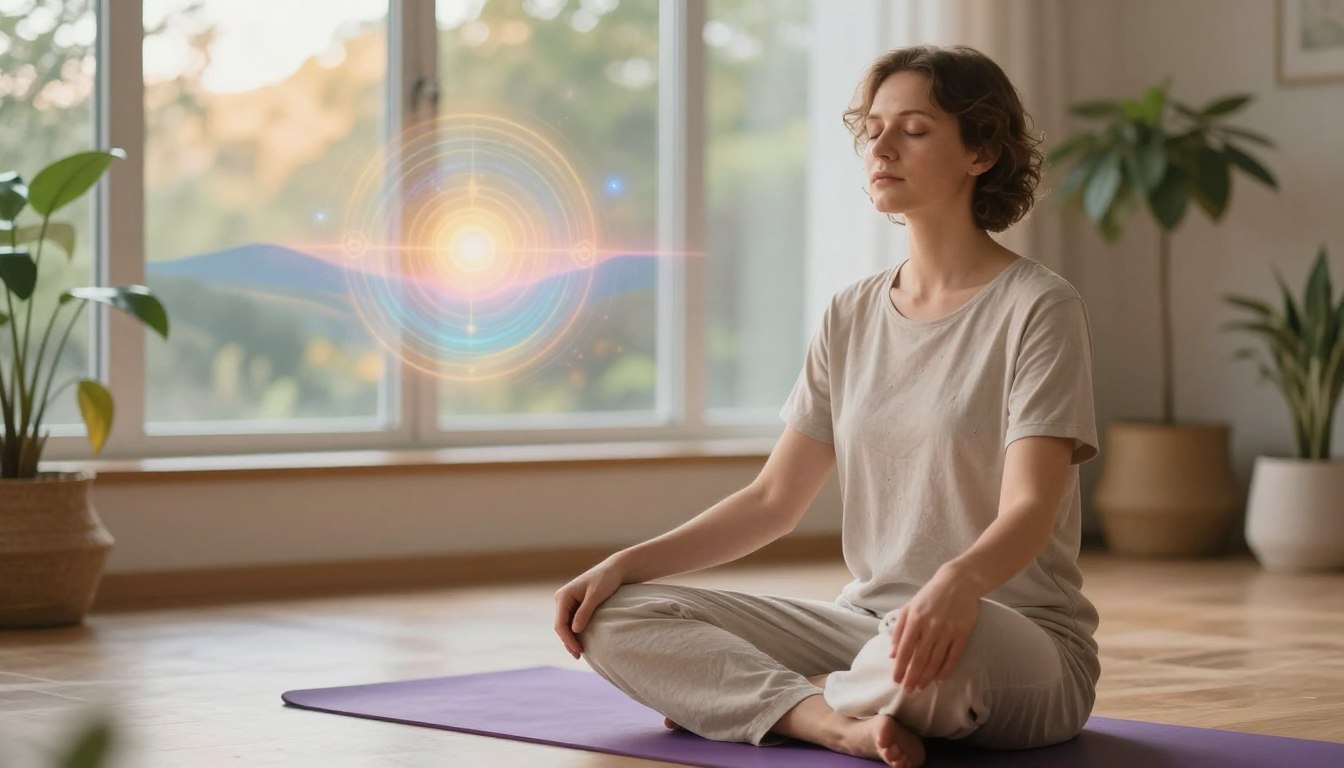
This short guide offers a clear path for anyone ready to explore psychic ability through focused practice. Start with simple meditation drills that train attention and lower mental noise. Small, steady steps build confidence and let impressions from a distant target surface more clearly.
During your first session, prepare the body and senses. Use breath work and posture to reduce distractions. Set a gentle timer so you can devote the right time without rush.
The aim is practical: learn how to calm thought, sharpen focus, and record impressions. If you want extra methods, see this remote view guide for complementary techniques that support the same goals.
Key Takeaways
- Use brief meditation drills to lower thought noise and build focus.
- Prepare body and breath before each session for clearer perception.
- Select a single target and record impressions without judgment.
- Limit session time so practice stays consistent and manageable.
- Patience and repetition reveal whether psychic skills are accessible.
Understanding the Fundamentals of Remote Viewing
The fundamentals of remote viewing describe a process where perception reaches beyond ordinary distance. This practice blends disciplined attention with methods that let subtle impressions surface. Many accounts trace the modern method back to Ingo Swann and experiments at the Stanford Research Institute in the 1970s.

What is Remote Viewing
Remote viewing is an advanced psychic skill that enables a person to mentally perceive an object, location, or event that lies far away. Researchers like Russell Targ and Hal Puthoff studied this ability and helped frame it for scientific inquiry.
The Role of Consciousness
The process often begins with signals from the subconscious. A trained viewer learns to note raw impressions before the analytical brain reshapes them.
“Successful remote viewers often describe target locations with accuracy that exceeds chance.”
- Practice teaches the difference between genuine impressions and brain noise.
- Structured training improves accuracy and the quality of data reported.
- Feedback after a session helps refine perception and results.
For more context on developing psychic abilities and related skills, see this psychic superpowers guide.
Preparing Your Environment for Success
remote viewing works best in a calm, distraction-free location. A tidy room with stable light helps impressions appear and stay clear.
Support the body so muscles relax. Use a bed or a chair that props the head. Comfort reduces muscle noise and keeps attention steady during each session.
Remove interruptions. Mute phones, close windows, and block direct sunlight. These simple steps protect time and help a viewer receive cleaner information.
Project Stargate showed that disciplined setups aid training and results. Many experienced remote viewers recommend a monitor or assistant. Feedback from another person sharpens skill and improves the quality of reported targets.
- Keep the area quiet and well lit.
- Support the head and spine for longer sessions.
- Use established techniques and seek feedback after practice.

How to Quiet Your Mind for Coordinate Remote Viewing
Begin each session with a short ritual that guides attention inward and calms scattered thought. A clear start helps the brain shift from daily tasks into a receptive state. This simple step primes the body and consciousness for more accurate impressions.
The Power of Meditation
Dr. Courtney Brown highlights meditation as the key practice that unlocks psychic ability during a viewing session. Daily meditation shortens the time needed to enter a relaxed state.
Regular practice trains attention and makes it easier to remain steady when a target appears.
Breathing Techniques
Use the 4/2 breathing method: inhale 4, hold 2, exhale 4, hold 2. This pattern distracts the thinking brain and acts as a menial task that frees subconscious impressions.
Keep breaths even and soft. Over time this rhythm supports longer sessions and steadier viewing results.

Achieving Equanimity
Equanimity means staying calm and detached during a session. That openness protects clarity and reduces analytical noise.
- Meditation builds equanimity and faster access to receptive states.
- Breathing routines keep the brain anchored while impressions arise.
- Consistent practice improves skill and the quality of reported targets.
For guided meditations that complement this approach, see clairvoyant meditation.
Establishing Your Target and Intent
Pick one hidden target from a set of sealed images and set a precise intent before you begin. This single aim helps the brain focus during a short session.
Use a tool like zvarik.cz to generate a random coordinate. A coordinate is an alphanumeric key that points the viewer toward a sealed image target.

Have a monitor select five distinct images and seal them in envelopes. The viewer must have no prior information about the targets. That keeps the session blind and objective.
Write the coordinate down and speak it aloud. Saying the data helps objectify the link between conscious thought and the hidden location. This simple act primes perception and prepares the brain for impressions.
- Using tools like zvarik.cz creates a random key for practice.
- Clear intent directs consciousness toward the chosen location.
- Varied targets and feedback speed learning and improve accuracy.
For more methods on building skill and structure during practice, see this psychic skills resource.
Navigating the Sensory Perception Process
Many people report that early sensations—textures, scents, or distant sounds—arrive before any clear image. These first impressions give useful data about a target location and often arrive as fragments rather than complete scenes.
Utilizing Your Senses
Use sight, sound, smell, taste, and touch as valid channels. Note shapes, sizes, and repeating patterns that hint at structures or objects.
Movement techniques can change perspective. Imagine floating above a target or walking around an object. That shift often reveals new impressions and helps the brain arrange scattered data.

Small actions matter. Some viewers sniff the air or tap the space with a pen to connect with texture and scent. Record every fragment, even if it feels random.
- Document dimensionals: shapes, colors, and textures that appear.
- Let impressions come without judging them; patience improves clarity.
- Compile sensory data and compare it after the session for better feedback.
For deeper study on clairvoyant senses and training, see this clairvoyant abilities.
Managing Analytical Overlay and Mental Noise
Analytical overlay often creeps in when the conscious brain weighs impressions against past knowledge. That overlay can change raw impressions into tidy stories that are wrong.
Recognize when thoughts feel like commentary rather than direct data. Label those intrusions and move attention back to simple sensations: color, texture, sound, and shape.
Regular meditation and brief breath checks curb chatter. These practices help the brain return to receptive states faster during a session.

Training involves practice where a viewer deliberately notes imagination versus authentic impressions. Use a monitor or written log to compare initial data with later feedback.
“If you record raw data first and judge it later, accuracy improves and the process becomes more reliable.”
- Stay neutral and report sensations, not stories.
- Use short meditation drills to reduce mental noise before attempting targets.
- Review feedback after each session to refine techniques and results.
Reviewing Your Results and Providing Feedback
Reviewing sketches against the real target turns vague impressions into clear lessons. After a session, compare each sketch and note with the actual image. This step trains the brain and refines perception.
Note matches in colors, shapes, textures, and any repeated patterns. Mark which impressions were literal and which were symbolic.

Record observations honestly. Some sessions will miss the target, and that is part of learning. Successful remote viewing often shows simple, accurate elements rather than full scenes.
“Feedback turns impressions into reliable data by revealing patterns in perception.”
- Compare sketches and notes with the target image right after the session.
- Log sensory hits: colors, shapes, textures, and emotional tones.
- Track successes and misses in a session journal to spot trends over time.
For added structure, follow guided exercises from a trusted source like psychic development techniques. Regular review and measured feedback help viewers improve accuracy and build confidence.
Conclusion
Consistent practice turns scattered impressions into useful information over time. Small rituals and brief meditation sessions help the brain settle and sharpen perception.
Keep a simple journal after each session. Note colors, textures, and any clear impressions about the target. Over weeks, a viewer will spot patterns and improve accuracy.
This guide shows steps a remote viewer can follow to develop ability and skill. Be patient: progress often comes in small gains. Thank you for reading and best wishes as you continue exploring remote viewing.