
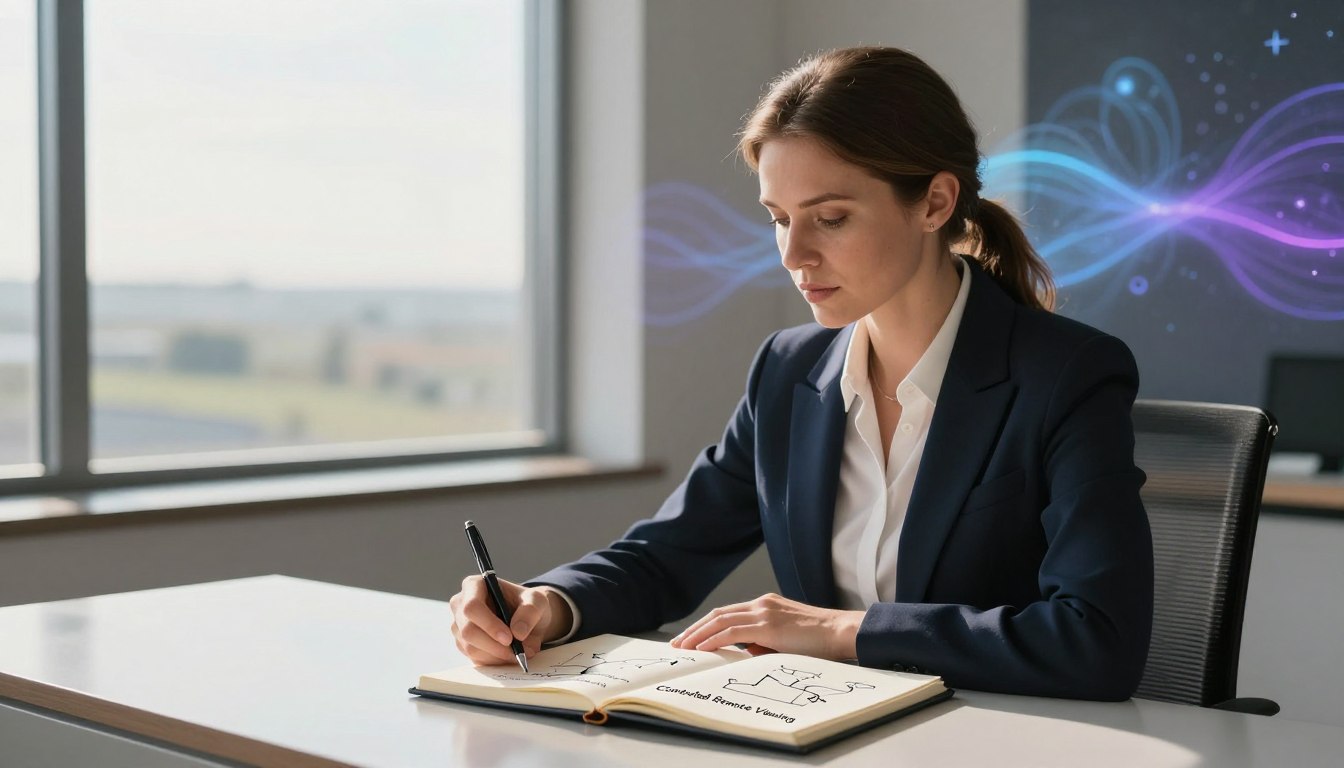
This introduction sets the scene for learning core CRV practices inspired by Ingo Swann. It explains how a focused viewer can access impressions from another space and record clear information during a session.
Calm breathing and gentle focus help quiet the mind. That quiet allows you to notice images, time cues, and subtle shifts in consciousness. Practice builds skill, patience, and confidence.
We cover history, methods, and simple routines that support real-time connection with a target image. Whether you are new or experienced, this resource offers practical pointers for each session and ways to log impressions for review.
Begin with short exercises that emphasize breath, posture, and honest note-taking. Over time, your ability to remote view and gather useful information will improve with steady practice and clear intent.
Key Takeaways
- Understand basic CRV origins and Ingo Swann’s role.
- Use breathing and focus to quiet the mind before a session.
- Record impressions and image cues in a dedicated space.
- Practice consistently to strengthen your psychic abilities.
- Explore related materials like this explanation of clairvoyant abilities for added context.
Understanding the Basics of Remote Viewing
Remote viewing lets a focused viewer gather sensory impressions about a distant target without physical travel. It is a structured process that trains the mind to perceive distant locations, objects, or events hidden from normal sight.
Start with a coordinate from a service like Zvarik.cz to anchor attention. That single number or string narrows the field and helps the viewer focus on one clear image or location during a session.
Every session aims to collect concise information about people, places, or events. You will learn how to handle the envelope of data that arrives, separating raw impressions from quick analysis.
- Practice builds reliable psychic reading skills and expands consciousness beyond physical space.
- Interpretation matters: translate images and feelings into accurate descriptors for the target.
Understanding these basics creates a strong foundation for advanced psychic abilities. Regular sessions improve timing, trust in impressions, and overall accuracy when you perceive distant targets.

Preparing Your Environment for Success
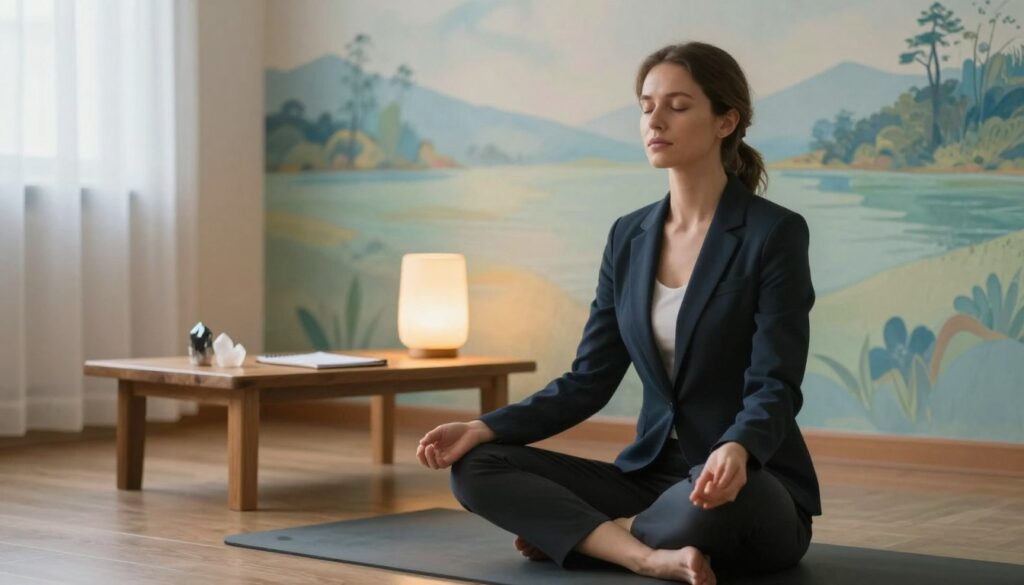
Set up a quiet room that invites focus and keeps your senses steady during sessions. A dedicated area helps your mind settle and makes it easier to notice any faint image or impression that appears.
Creating the Ideal Space
Comfort matters: keep the temperature steady and wear light layers. When your body is comfortable, your consciousness can relax and gather cleaner information.
Lighting should be soft and neutral. Use a simple chair or cushion and a clear surface for notes. A consistent space trains viewers to enter a calm state faster.
Eliminating Distractions
Turn off phones and alert sounds. Ask people nearby for quiet time during the session. Even small interruptions can break focus and scatter impressions.
Control sound and movement in the room. Close doors, mute devices, and remove clutter so your attention stays on the target and the flow of information.
| Element | Why It Matters | Practical Tip | Expected Result |
|---|---|---|---|
| Temperature | Comfort keeps the body still | Set thermostat; use a light blanket | Stable focus during session |
| Sound | Noise breaks concentration | Mute devices; use soft background if needed | Clearer impressions and images |
| Interruptions | Stops the flow of information | Inform people of your time; close door | Longer, deeper attention spans |
Final tip: pair steady breathing with this setup. Controlled breaths form an envelope of calm that helps your mind reach the right state for observing distant objects, locations, or events. For extra help with calming practices, explore a short meditation resource like clairvoyant meditation.
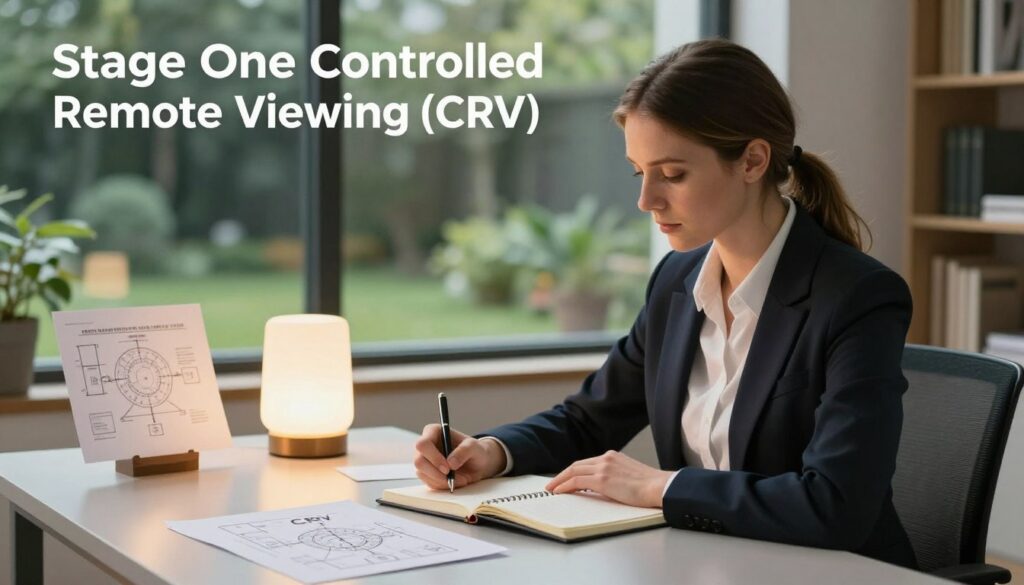
The Step by Step Guide to Stage One Controlled Remote Viewing
This concise protocol helps a viewer use a coordinate to focus the mind on a single target. Calm breathing and clear intent narrow attention so impressions arrive with less noise.
Core sequence:
- Center with steady breath, relax posture, and note initial sensations.
- State the coordinate and allow brief quiet. Let a basic image or texture form.
- Record raw impressions—shapes, colors, location cues—without analysis.
- Map structure and objects, then close the session and label your data.
Patience matters. Each session trains your consciousness to sort the envelope of information and improve accuracy over time.
“Trust small impressions first; larger images often follow when the mind stays steady.”
| Action | Why it helps | Quick tip |
|---|---|---|
| Coordinate naming | Focuses attention on one target | Write it large on your pad before you begin |
| Breathing | Reduces chatter in the mind | Use slow 4-count inhales and exhales |
| Immediate recording | Preserves raw impressions | Note words and quick sketches without judging |
For complementary calming practices and methods to stabilize consciousness during sessions, consider techniques that also help you send healing energy—they often share breathing and focus principles useful for practice remote viewing.
Mastering Meditation for Psychic Clarity
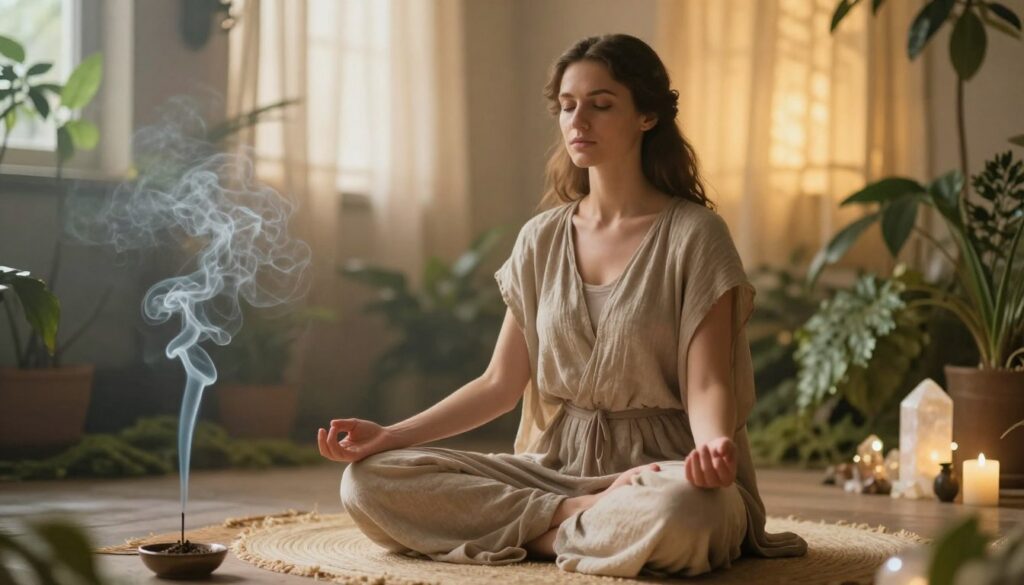
Focused breathing and short meditations prime consciousness for accurate impressions. This approach reduces noise in the mind and helps the viewer notice small image cues during a session.
Dr. Courtney Brown endorses meditation for improving mental clarity and accessing psychic abilities. Use the 4/2 breath: inhale 4 counts, pause 2, exhale 4, pause 2. Repeat until your thoughts slow.
Keeping a steady breath rhythm helps separate imagination from real data. When noise drops, impressions arrive with greater clarity and the mind can register the target more cleanly.
Breathing Techniques for Focus
- Begin with five minutes of 4/2 breathing to calm the nervous system.
- Note any image or texture that comes to mind without judging it.
- Practice this routine before each session to train consistent consciousness.
| Technique | Purpose | Result |
|---|---|---|
| 4/2 breathing | Reduce mental noise | Clearer impressions and steady focus |
| Short meditation | Center consciousness | Improved mental clarity and timing |
| Consistent practice | Build reliable skills | Better handling of session data |
Next, combine this training with basic exercises and further reading on psychic development techniques to strengthen your practice and accuracy.
Interpreting Visuals and Sensory Data
When impressions arrive, focus first on simple qualities—shapes, sound, or temperature—before the mind rushes into stories. This habit keeps your perception pure and preserves useful image and structural clues.
Recognizing Gestalts
Gestalts are the basic patterns you notice: round forms, gritty textures, warm or cool air, and repeated sounds. Note those properties as raw data rather than guessing what they mean.
Avoiding Analytical Overlay
Analytical overlay happens when the mind forces a label—calling an unknown structure a building, for example. Pause. Record the structure’s materials, shapes, and relative size instead of naming it.
Recording Your Impressions
During each session, write every detail that comes mind: objects, people, location cues, and subtle sensations. Use words, quick sketches, and single-term tags so you preserve the envelope of impressions.
Accurate psychic reading needs practice. Keep your notes tight and factual. Over time, raw data forms clearer images and your ability to describe targets improves.

“Focus on properties first; names and narratives can wait until after the session.”
Avoiding Common Pitfalls During Sessions
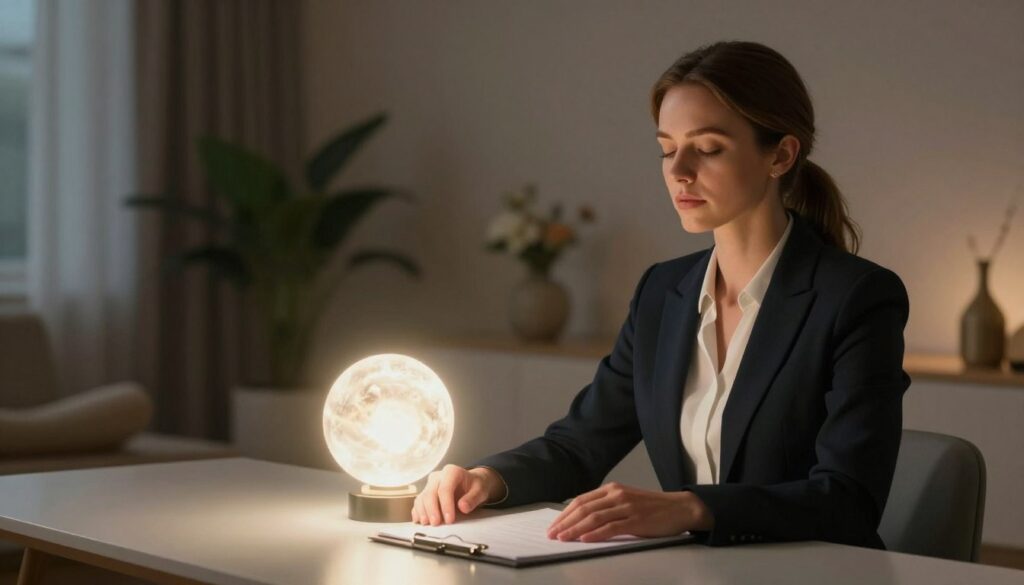
Simple safeguards keep the envelope of information clean. When you focus on the target, your impressions stay raw and useful.
Avoiding analytical overlay is essential. Do not label what you sense. Describe shapes, textures, and tones instead.
Keep a short record each session. Clear notes reveal patterns and stop the subconscious mind from reworking data later.
“Trust small cues first; names and stories can wait until after you close your session.”
If a viewer feels a rush of meaning, pause and return to properties. This habit protects the integrity of your image and location data.
| Issue | Why it hurts | Quick fix |
|---|---|---|
| Analytical overlay | Turns raw impressions into guesses | Write descriptors, not labels |
| Expectation bias | Colors how you notice objects | Record uncertainties and check later |
| Interruptions | Breaks timing and flow | Set a quiet time and note the time |
| Poor note habits | Loss of useful data in the envelope | Use single-word tags and quick sketches |
Practice consistently. Each session is an opportunity to refine your consciousness and improve accuracy for future events and targets.
Expanding Your Skills Through Mentoring
A personalized mentoring program helps each person shape their practice and sharpen accuracy over time.
Daz began his online CRV mentoring program in June 2018, offering focused training across CRV stages 1 through 6. His sessions combine technique, feedback, and the legacy methods of Ingo Swann.
Mentoring with an experienced teacher speeds learning. A dedicated mentor helps a viewer sort raw impressions from analysis and refine how the mind records an image or target.
One-on-one sessions teach you how to navigate the time space aspects of a session. Each meeting is tailored to current needs and supports steady practice remote viewing progress.
Students also gain ongoing resources like Eight Martinis magazine. These materials support practice and deepen understanding of CRV theory and applied methods.
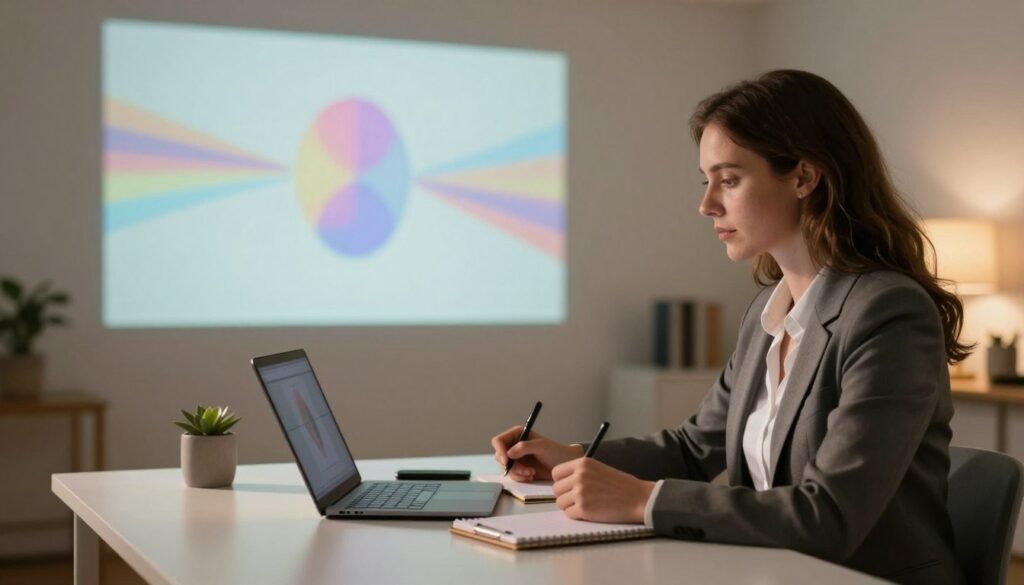
“Personal coaching turns scattered attempts into reliable sessions that build confidence and skill.”
| Mentoring Feature | Benefit | What to Expect |
|---|---|---|
| One-on-one feedback | Faster correction of habits | Targeted advice after each session |
| Full CRV curriculum | Structured skill growth | Covers stages 1–6 and practical exercises |
| Supplemental resources | Deeper learning | Access to Eight Martinis magazine and exercises |
For those ready to commit, review options for psychic mentoring sessions and choose an approach that fits your schedule and goals.
Conclusion
Consistent effort lets a viewer gather cleaner information and build confidence over time. Mastering this path expands your consciousness and helps you notice clearer images and impressions during a session.
Practice regularly with a calm space, steady breath, and honest notes. Whether you work alone or seek mentoring, small, steady commitments improve accuracy and the quality of data you record.
Use this guide remote viewing resource as a map, not a race. Stay patient—each viewer develops at their own pace. For more training on psychic skills, check this psychic skills resource to deepen your practice and keep learning.
Thank you for exploring CRV here. Keep exploring sessions with care, and trust your growing capacity to read space, target, and time with clarity.