

Start a clear, gentle path into this topic with practical steps that fit into your day. This introduction explains what to expect and how the article is organized.
You’ll find concise information, safe practices, and short exercises that let you get started without stress. The plan highlights sensory work, symbol notes, basic shielding, and simple healing methods drawn from trusted sources.
Each section offers hands-on examples like meditation, dream journaling, and object-based sensing. You get ways to validate impressions and tools such as crystals or single-card pulls to support your routine.
Balance and intent matter. This guide shows how to align practice with daily life so your journey stays steady and meaningful. Expect step-by-step lessons, ethical tips, and tracking ideas you can use right away.
Key Takeaways
- Clear roadmap with short, practical exercises to help you get started.
- Emphasis on safety: grounding, shielding, and ethical practice.
- Tools and routines that fit into minutes a day.
- Ways to record and validate impressions for steady progress.
- Focus on aligning practice with personal intent and daily life.
What “psychic abilities” mean today in the United States
Many people in the United States now talk about psychic abilities as practical ways to notice subtle signals in daily life, not as dramatic spectacles. This section defines the range of senses involved and sets simple, realistic expectations for early progress.
From intuition to extrasensory perception:
From intuition to extrasensory perception: defining the basics
Extrasensory perception covers impressions that seem to come beyond the five senses. Examples include telepathy, clairvoyance, psychometry, and precognition. Think of these as different channels of information that some people report picking up in images, feelings, or inner knowing.

Beginner-friendly expectations at the present time
Beginners typically notice subtle cues rather than sudden proofs. Small hits, recurring symbols, or a gut nudge are common early signs.
Consistent practice—short meditation, journaling impressions, and gentle validation—builds trust over time. Woods frames growth around five senses and short exercises, while Hewitt highlights quick, everyday uses and simple shielding.
- Practical framing: Treat this as personal growth to sharpen focus and sensitivity.
- Validation habit: Note impressions, then check outcomes to track reliable information.
- Ethics: Respect boundaries when sharing impressions with other people.
Why people start this journey and how to align with your intent
A common motivator is the wish to turn inner nudges into practical guidance. Many seek clarity to help with decisions, deepen self-knowledge, or bring calm into daily life.
Set a simple intent statement before each short session. Try: “I intend to notice clear impressions that help my choices.” Say it aloud or write it on a sticky note. Repeat it briefly to bring focus.
Intent shapes practice and turns random attempts into steady steps. When you pair intent with gentle tracking—like journaling quick impressions—you create small, testable insights over time.

- Notice motives: clarity, support for life choices, and personal growth.
- Use a one-line intent before sessions and review it each week.
- Keep a short journal and check progress in simple, dated entries.
Seek supportive guides—books, structured lessons, or peer groups—to stay accountable and learn practical methods. For one helpful resource on practical growth, see supportive guides.
Mindset first: belief, openness, and patience for steady development
A steady, open mindset creates the breathing room your inner sense needs to be heard. This section shows how belief and healthy doubt work together to help signals surface in daily life.

Trusting inner signals while staying grounded
Quiet the mind with a short meditation before practice to reduce mental chatter. Even three minutes can help focus attention and calm nerves.
- Test impressions: note a quick impression, then check outcomes later to build trust without leaps of faith.
- Short loops: five-minute practice bursts fit into a busy schedule and keep progress steady over time.
- Simple self-talk: use phrases like “I will notice clearly” to center attention and reduce doubt.
“Patience turns small hints into reliable information.”
Watch for mindset traps such as comparison, impatience, or chasing perfection. Reframe them into curiosity and small experiments that honor your pace.
End each mini-session with a tiny ritual: a deep breath, a one-line intent, and a quick journal note. Over weeks, this guide builds confidence and ability while staying rooted in everyday life.
Safe, ethical practice: grounding, protection, and respectful boundaries
A calm, steady base helps you notice clear signals while protecting your energy. Start with simple grounding: breathe deeply, feel your feet on the floor, or take a short walk outside to practice earthing.

Creating a protective field and staying grounded
Try a quick root-chakra visualization or 60 seconds of physical movement to settle your body. Salt baths and brief exercise work well after longer sessions.
Raising a gentle shield: imagine a calm, clear field around you, set a short intent to stay safe, and close the field when you finish.
Ethics of reading others and consent
Respect people’s privacy and ask permission before sharing impressions. Offer impressions as possible information, not absolute facts.
- Reset tips: hydrate, move, and step outside if you feel overloaded.
- Session close: thank your guides, lower your intent, and do a short cleansing breath.
- Self-care: rest, gentle breathwork, and short breaks aid quick healing.
“Use your practice to support well‑being and growth, never intrusion.”
Core psychic senses for beginners: intuition, clairvoyance, clairaudience, clairsentience, claircognizance
You can learn to recognize distinct channels of information by watching normal events with gentle attention.
How the five senses show up in daily life
Images arrive as brief inner pictures (clairvoyance). Sounds can be words or tones (clairaudience). Feelings show up as body shifts or emotions (clairsentience). Knowing feels instant and certain (claircognizance). Everyday intuition acts as a quick nudge that ties these together.

Practical, bite-sized exercises
- Visual drill: glance at a color chip, close eyes, note the first image.
- Auditory focus: play soft ambient sound and note any clear words or tones.
- Touch practice: hold different objects and record first feelings.
- One-line guessing: jot a quick impression, then check the result later.
Tracking impressions and symbols
Keep a simple notebook. Log date, sense used, symbol, and outcome. Rotate one sense per day to balance growth.
“Note first impressions and avoid overthinking during the first pass.”
For more on trusting inner signals, see a short guide to psychic intuition and practical tips from trusted guides.
Psychic development techniques for beginners
Short, regular practices help you notice inner cues without disrupting your day. Start with tiny, repeatable steps that fit into pockets of time and keep records that build trust.
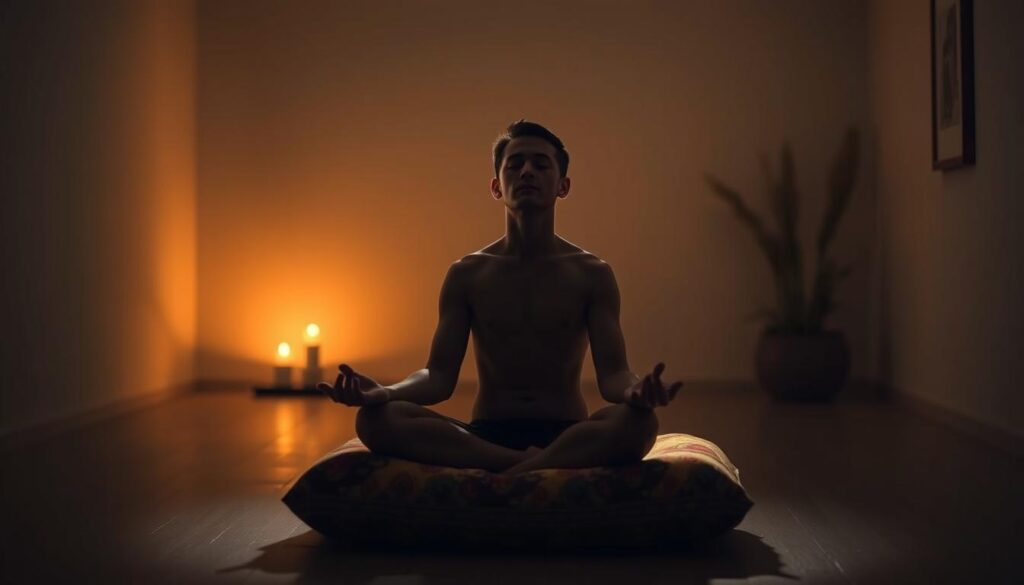
Meditation and breathwork to quiet the mind
Simple routine: sit for three minutes, breathe in for four, hold one, out for six. Repeat three cycles to relax the body and sharpen focus.
Warmup: soften the jaw and scan the feet. Cool down with two slow breaths and a one-line note of any impressions.
Dream journaling and recall routines
Use a short checklist: set a nighttime reminder, place a pen by the bed, and write one image or phrase on waking.
Tag symbols with one or two words and date each entry. Over weeks, this becomes actionable information you can compare to day events.
Symbol dictionaries: building your personal meaning bank
Create a simple list of recurring images and what they mean to you. Review the list weekly and add a confidence score (low/med/high).
This personal dictionary helps turn vague impressions into reliable cues in daily life.
Short, consistent practice sessions in minutes
Plan brief blocks: three minutes of meditation, five minutes of journaling, and two minutes of review. Do this three times a week or daily in smaller bursts.
- Track what you wrote, sense used, and outcome.
- Score hits and misses to refine exercises.
- Pair with a buddy or set reminders to keep momentum.
“Small, steady practice beats long, occasional sessions.”
For more structured guidance, see a short guide to develop abilities.
Clairvoyance basics: visualization, remote viewing, and object reading
Small, repeatable image exercises help the mind form clearer visions and stronger visual recall. Start with three-minute drills: pick a color, a shape, or a simple object, study it for 20 seconds, close your eyes, and note the first mental image.
Visualization drills strengthen vivid inner imagery. Try quick runs with color chips, photographs, or household items. Record one-line impressions and a confidence score.
Remote viewing setup and verification
Use sealed photos or unknown locations as targets. Spend five minutes describing impressions, then compare notes with the actual image. Verification is crucial to build trust.
Psychometry: sensing stories in objects
Hold an item, relax, and note the first visual, emotion, or concept that appears. Write it down before you analyze. Later check any verifiable details and mark hits vs misses.

- Spot symbols: list recurring images and possible meanings.
- Record sensory layers: visual, emotional, conceptual.
- Keep sessions short, quiet, and timed for repeatable results.
“Design fair targets and avoid hints; clear verification builds confidence.”
Telepathy and empathy: mind-to-mind focus and feeling states
Small, playful sessions can reveal how feelings and images travel between two people. Begin with clear consent and a one-line intent to keep sessions safe and light.

Partner games with colors, shapes, and symbols
How to set up: One sender picks a color, shape, or simple symbol and focuses for 30–60 seconds. The receiver notes the first impression and writes it down.
Compare notes afterward and score hits. Keep rounds short and playful to avoid pressure.
Strengthening empathy without energetic overload
Use pacing and rest intervals. Try three rounds, then pause with grounding breaths. Label emotions aloud to keep feelings clear.
- Opt-in agreements and 10–15 minute limits protect boundaries.
- Mentors, peer groups, and short guides help refine ability and sustain steady growth.
- Journaling prompts: time of day, environment, mood, and results to spot patterns and improve practices.
| Activity | Duration | Purpose |
|---|---|---|
| Color send | 1–2 minutes | Test visual impressions |
| Shape round | 30–60 sec | Refine quick imagery |
| Emotion label | 2 minutes | Build safe empathy |
| Reflect journal | 5 minutes | Track conditions that help results |
“Keep sessions kind, short, and clearly agreed.”
Working with spirit guides for support and insight
Invite gentle, practical support by learning how to ask for clear guidance and record what arrives.
Start small. Sit for a short meditation, state a clear intent, and ask politely for constructive help that supports your life. Keep requests specific and time-limited.
Inviting guidance safely and respectfully
Simple invitation: three calm breaths, a one-line intent, and a brief question. Pause and note the first image, word, or feeling that appears.

Journaling impressions and validating over time
Write date, question, first impression, and any follow-up events. Over weeks, look for repeating patterns that separate imagination from reliable information.
- Ask short, specific questions; avoid vague requests.
- Close with thanks and a short grounding breath to keep boundaries intact.
- Combine this with a quick meditation before card pulls or other tools to clarify messages.
“Track impressions, test outcomes, and let helpful guidance shape small, practical choices.”
| Step | How | Purpose |
|---|---|---|
| Invitation | 3 breaths + one-line intent | Open clear, respectful contact |
| Record | Journal first image/word | Capture raw information before analysis |
| Validate | Check outcomes over days/weeks | Spot repeatable patterns |
| Close | Thank and ground | Maintain safety and balance |
Use small experiments to test which guides and methods give useful insights. If you want a reading or structured session, consider professional psychic readings to compare notes and refine your practice.
Aura reading and energy awareness for everyday life
Learn to notice how people, rooms, and objects carry subtle fields that shift your mood and focus.
Aura reading begins with simple perception cues rather than complex color charts. Use a soft gaze and relaxed attention to spot shifts in temperature, tension, or a sudden urge to move away.
Try a short practice: stand at a doorway, breathe twice, and note the first feeling that arises. Write one line of raw information—time, place, and the impression—before you analyze it.

Use quick checks during the day to see how different spaces affect your energy and intuition. Repeat the exercise in three places and compare notes.
- Ethics: respect privacy and ask consent before sharing impressions about others.
- Everyday resets: pause for a breath, hydrate, or take a short walk to clear excess charge.
- Pairing: set a one-line intent or call on gentle guides to keep sessions caring and focused.
“Notice first impressions, record facts, and treat findings as hints to explore rather than fixed answers.”
Precognition and intuition-in-action: noticing patterns and timing
Noticing future hints begins with a tidy habit: capture a quick impression before the day reshapes it.

Future journaling to spot recurring themes
Create a dedicated future journal and write raw notes right away. Jot dreams, flashes, or one-line hunches in minutes after they occur.
Use simple tags: symbol, mood, possible timing. Woods notes dreams often hold useful signals; log them plainly.
Trusting gut predictions while staying grounded in choice
Weigh impressions as useful information, not commands. Hewitt suggests small forecasting drills to test accuracy.
Keep agency: decide with both intuition and facts. If a strong gut hit appears, pause, check options, and act with choice.
- Review journals weekly or monthly to spot timing patterns.
- Run short prediction drills—note a meeting feel, then compare after.
- Use calming breathwork if impressions feel intense; outcomes can change with choices.
| Exercise | What to log | Purpose |
|---|---|---|
| Dream note | Image, date, tag | Spot recurring symbols |
| Quick flash | One-line impression, time | Test short-term accuracy |
| Gut prediction | Prediction + confidence | Measure reliability |
| Monthly review | Patterns and outcomes | Refine practice and trust |
“Capture raw impressions quickly; review them to see real patterns.”
Tools and aids: meditation, crystals, tarot and oracle cards, guided imagery
A simple toolkit helps turn short moments of calm into clearer intuitive signals. Use practical aids to make five-minute sessions reliable and easy to repeat.
Choosing supportive stones
Quartz boosts clear focus. Amethyst calms the mind. Lapis lazuli supports insight and honest reflection.
Hold a stone for a minute before practice, or place it near your journal to set a quiet intent.

Single-card pulls to sharpen reading skills
Do one daily pull. Note first impressions, tags, and the main symbol. Wait until evening to check how that image showed up in life.
Keep pulls short—one card, one minute of stillness, one quick note.
Guided imagery to deepen receptive states
Use a three-minute guided script: breathe, imagine a calm doorway, step inside, notice color or shape, then record what appears. This helps impressions arrive with less analysis.
- Create a small kit: journal, deck, a crystal, and a timer.
- Use tools to support short practices and steady insights.
“Tools should simplify practice and help you notice first impressions, not overwhelm.”
Chakra balancing, energy hygiene, and simple healing practices
A simple root-to-crown check can clear stuck energy and bring a calm, steady feel to your day.
Start with three slow breaths, then scan upward from your feet to the crown. Notice tight spots, pauses, or warmth. Pause at each point and breathe into it.

Root-to-crown check-ins to clear blocks
Spend one to three minutes on this sweep. Place hands gently on areas that feel tense and imagine a soft light moving upward. This simple move supports quick healing and resets between short sessions.
- Quick resets: stand, stretch, or take a short walk to release heaviness.
- Salt baths: use a warm soak to cleanse and restore balance.
- Self-healing: try hand placements, calming breath, and one-line affirmations.
Pair these with brief meditation to create a steady baseline that supports all other practice. Routine check-ins keep your system responsive and reduce overload.
“Gentle, regular care keeps your energy clear and your life balanced.”
Note: keep expectations realistic and seek professional help when concerns touch health or serious emotional issues. Small habits build steady ability over time.
Daily integration: mindful living, nature time, and automatic writing
Turn small daily moments into steady practice by weaving short, mindful checks into your normal routine. These moves make insight part of life without extra hours.

Micro-practices that fit a busy life
Try one-minute breath resets at a stoplight or before a meeting. Use your phone as a timer or voice memo to capture quick impressions.
Automatic writing: set a one-line intent, write continuously for three to five minutes, then close the page and review later with a calm mind.
- Nature pauses: brief walks, tree-gazing, or a sunlight break to ground and clear thought.
- Phone use: timers, reminders, and short voice notes keep momentum consistent.
- End-of-day check: capture two insights and plan one micro-step for tomorrow.
| Practice | Duration | Purpose |
|---|---|---|
| Breath reset | 1 minute | Quick grounding |
| Automatic writing | 3–5 minutes | Surface raw impressions |
| Nature pause | 5 minutes | Restore clarity |
“Small, regular moments add up to steady progress in everyday life.”
Common challenges for beginners and how to move through them
Early roadblocks are common, and knowing how to respond turns doubt into useful data. Impatience, comparison, and self-doubt often surface as you set a regular practice. These reactions are normal and helpful when treated as signals, not failures.
Impatience, doubt, and comparison traps
Impatience, doubt, and comparison
When you feel stuck, pause and note the exact thought. Log the mood, time, and what you were doing.
Reframe a bad session as an experiment: what changed, what time of day, and which exercises you used. That turns emotion into clear information.
Recording progress and validating hits
Logging, validation, and steady gains
Keep a simple loop: run a short exercise, record the result, then mark hits and misses. Use scores like low/med/high to track reliability.
Use your phone to capture voice notes, quick logs, or timed check-ins. Short records make monthly reviews easy and honest.

Finding community, mentors, and practical guides
Mentors, community, and trusted resources
Explore respected author work—Hewitt’s case studies and Woods’ symbol-focused exercises are useful guides to pair with your logs.
Engage with psychics and mediums in educational settings only, set clear boundaries, and treat sessions as learning opportunities. Join a small group or scheduled call to stay accountable without comparison.
“Celebrate small wins, take breaks, and return with a clear plan.”
- Use the phone for fast notes and group calls.
- Track exercises and conditions to refine practice.
- Choose mentors who respect boundaries and offer practical guidance.
Conclusion
This practical guide wraps the main ideas into a simple plan you can use in daily life. Pick a one-line intent, sit for a few minutes of meditation, then log what you notice.
Keep drills short and steady. Rotate focus—clairvoyance practice, symbols, aura checks, or a single-card pull—and score your hits. Over weeks, patterns become clear.
Honor your energy and limits by grounding, shielding, and taking breaks. If you want a quick check, try the abilities quiz at psychic abilities test to track progress.
With patience, ethical practice, and simple daily loops, your abilities, intuition, and energy awareness grow into useful information that supports better choices and calmer life.