
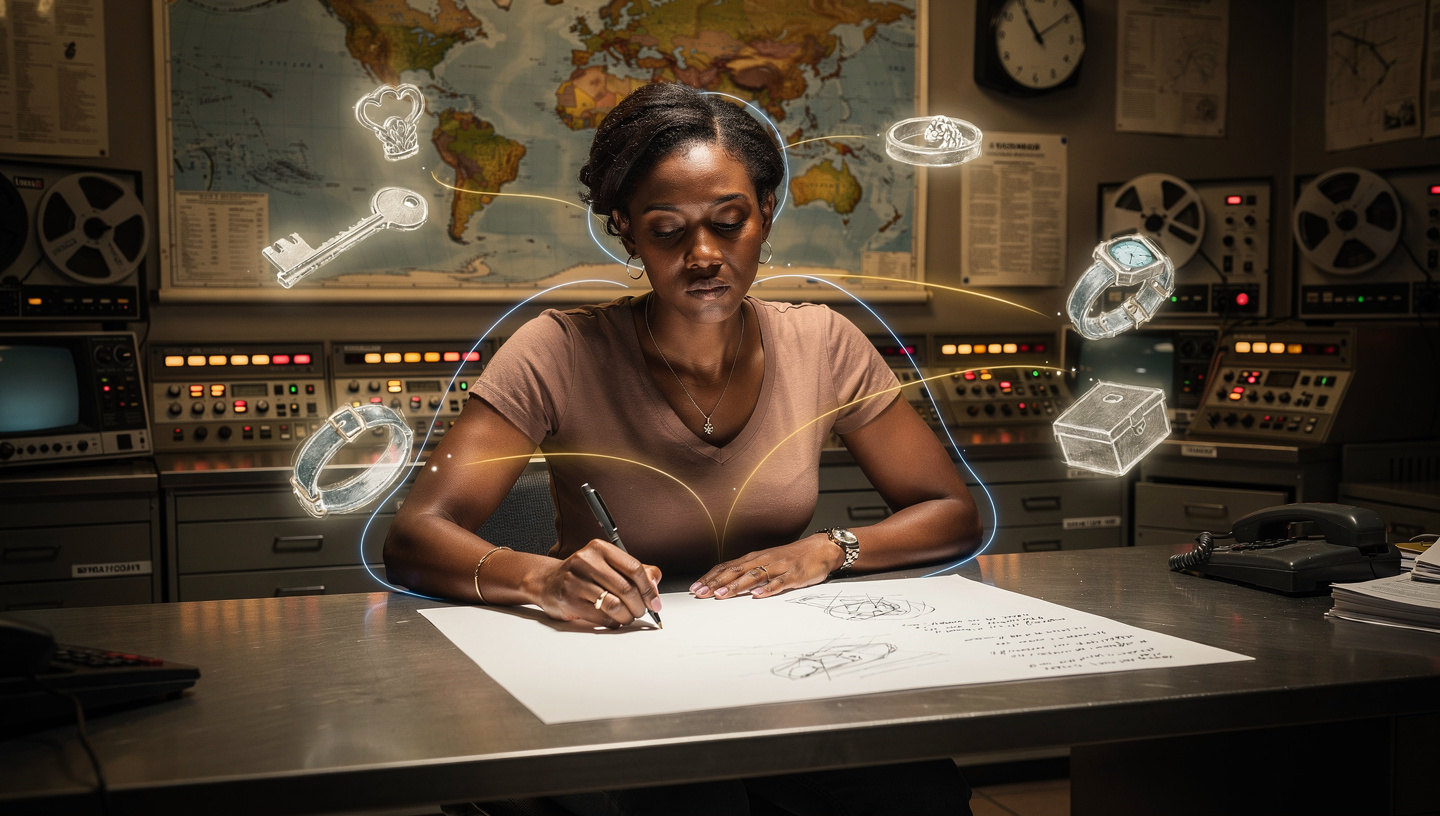
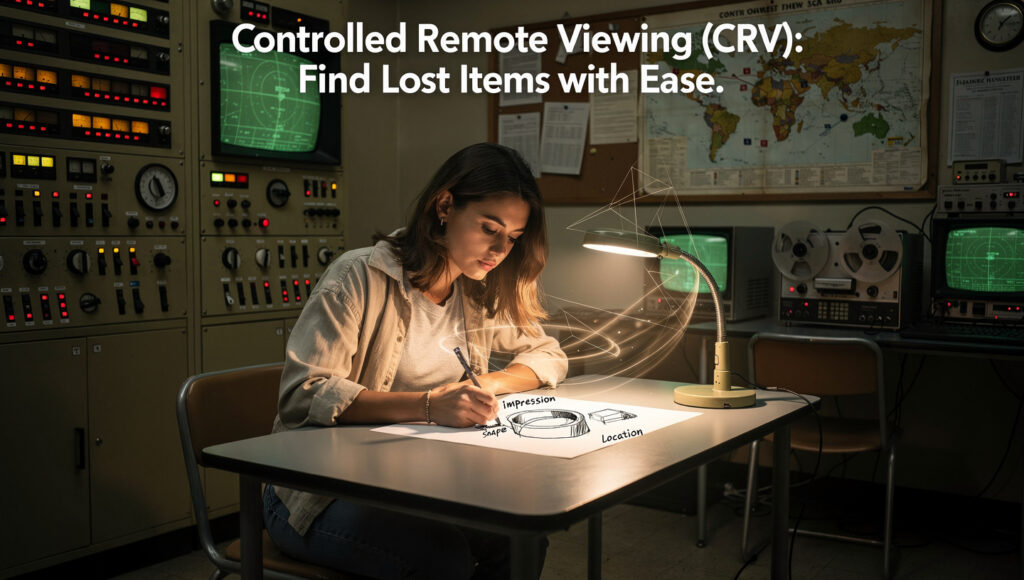
Controlled remote viewing is a structured mental approach that helps you explore perception beyond usual limits. Developed in the 1970s and used by U.S. agencies, this method gives a clear, step-by-step way to train your mind and sharpen subtle awareness.
In your first session, you will learn to quiet internal chatter and notice small signals from the environment. With steady practice and dedicated time, the process becomes easier and more reliable.
This primer outlines the history, safety, and basic steps of the controlled remote viewing protocol for beginners. It shows how the technique was once applied in intelligence work and how modern learners can adopt a safe, repeatable routine.
Ready to begin? Start with short exercises, pay attention to impressions, and track results after each session. For related energy and focus tips, see how to send healing energy.
Key Takeaways
- CRV is a stepwise method to expand perception.
- It has roots in 1970s U.S. research and intelligence use.
- Begin with short, focused sessions and simple exercises.
- Daily practice and patience improve accuracy over time.
- Keeping notes helps you track progress and refine technique.
Understanding the Basics of Remote Viewing
Start by training your attention to pick up subtle sensory impressions about a location. This skill lets a person describe a target or objects without using normal physical senses.
Unlike spontaneous psychic abilities, this structured way helps a viewer stay objective during each session. When you practice, your mind learns to sort clear impressions from background noise.
Many people report improved accuracy when they follow protocols developed at SRI-International in the 1970s. Those methods taught people to record simple senses first, then add details as confidence grows.
Focus on basic senses — texture, temperature, shape — and note each impression without analysis. This practice trains your senses and builds the ability to distinguish genuine psychic impressions from your own thoughts.
Want structured exercises that help develop psychic abilities? Try these psychic development techniques to support steady improvement and clearer reports.
The History of the Controlled Remote Viewing Protocol for Beginners
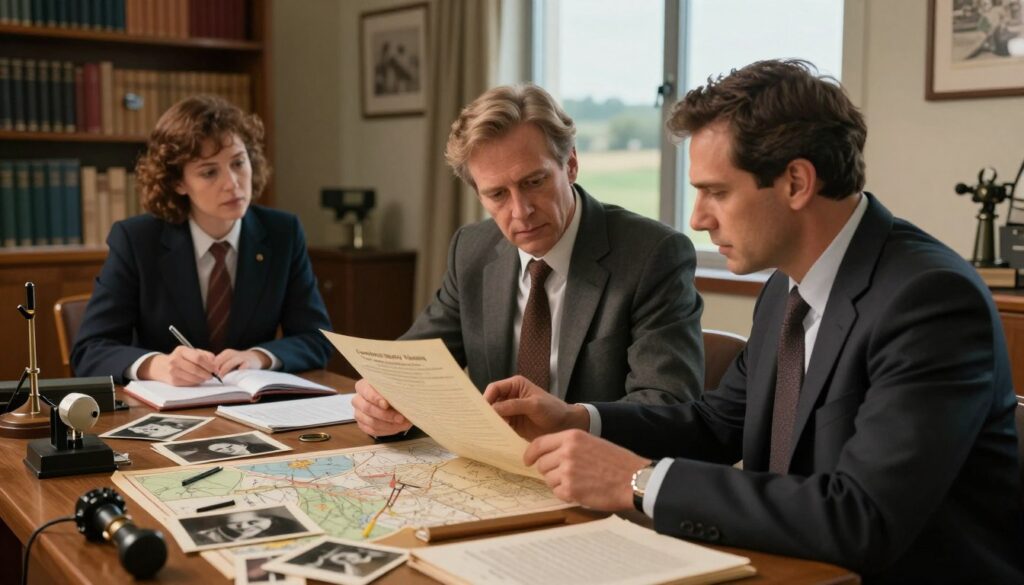
A key chapter in this history began when Ingo Swann and Dr. Hal Puthoff teamed up at SRI-International to test perceptual techniques. Their work aimed to turn fleeting impressions into teachable steps.
The Military Connection
In the 1970s the Army took notice. Under leaders like Gen. Albert Stubblebine, Project Stargate linked research to intelligence aims.
The goal was practical: train people to act as trained remote viewers who could describe a hidden target. Standardized training tried to make results repeatable and usable for real-world work.
Scientific Research at SRI
At SRI researchers sought objective ways to gather information across space and time. Ingo Swann coined the term remote viewing while collaborating with Puthoff.
Protocols were designed so a viewer could record simple senses first, then add details. After decades of study the U.S. government declassified the program in 1995.
These early efforts shaped modern training and made the method accessible. To explore related psychic development and advanced abilities, see psychic superpowers.
How the Human Subconscious Interacts with Perception
The subconscious mind often works like a bridge between conscious thought and non-local information. When you practice remote viewing, this inner layer filters noise and highlights the faint impressions that matter.
Scientists and practitioners suggest the human mind can, at times, bypass the limits of time space to access data about distant or unseen targets. That idea helps explain why viewing sessions sometimes produce accurate, unexpected details.
Training teaches the subconscious to ignore distractions and focus on the signal. Each session strengthens this ability and improves your awareness of subtle sensory cues.
- Awareness grows: repeated sessions sharpen the link between inner state and outer reality.
- Clearer impressions: practice refines psychic abilities and reporting accuracy.
- Mapping skills: every viewing psychic experience helps you map how mood, focus, and intent affect results.
Essential Steps for Your First Viewing Session
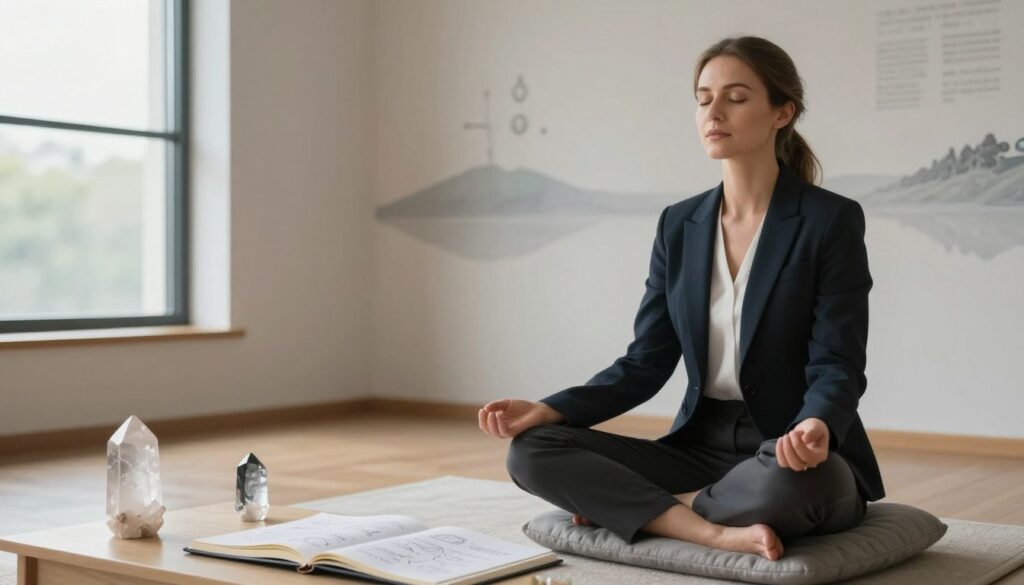
Begin your first session by setting a calm space and making a clear plan for how you’ll collect impressions. Have a friend place a set of images inside a manilla envelope so you stay blind to the target.
Preparing Your Environment
Choose a quiet room and remove distractions. Keep water nearby and set a timer for a short session to limit pressure.
Initial Sensory Impressions
Close your eyes and note basic senses that appear: temperature, texture, shapes. Let impressions arrive without analysis.
Record the exact time and date at the top of your page. This helps track progress as you practice.
Sketching Your Target
Use a clean piece of paper to sketch the first lines and textures you perceive. Focus on big forms before details.
- Envelope with images ensures blind conditions.
- Sketch quickly; avoid judging the marks.
- Work through several targets and locations to build confidence.

Tip: Treat this as a training process. Over time, the viewer learns to separate imagination from actual data.
Exploring the Advanced Stages of the Protocol
Stage six shifts practice into three-dimensional work. At this phase, practitioners often move from quick sketches to tactile modeling to deepen their link to the signal.
Modeling and Abstract Concepts
Using modeling compound, a viewer builds a small, physical model that reflects the core shapes and textures of a target. This hands-on step helps turn fleeting impressions into tangible forms.
Advanced stages let the person access abstract information that sketches miss. Ingo Swann noted these phases aim to reach deeper layers of the mind and pull useful data from subconscious stores.
- Solidify impressions: clay models anchor sensory notes and improve recall.
- Keep the process grounded: follow each stage in order to protect accuracy.
- Handle complex targets: three-dimensional work helps when a target exists in distant space or varied locations.
With steady training, a viewer’s ability to view and describe objects and locations grows. Stage six is a practical, repeatable way to deepen skill and refine accuracy in remote viewing and CRV practice.
Overcoming Mental Noise and Analytical Overlays
Learning to notice impressions without naming them changes how a session unfolds. Mental noise, often called Analytic Overlay (AOL), casts early guesses over raw perception.
AOL is the biggest barrier a viewer faces. It turns subtle cues into stories before you record real data. Letting go of the urge to guess helps protect accuracy.
Practice short exercises that ask you to list simple senses: shape, texture, temperature. Use those notes and avoid labels that pull your mind toward a conclusion.

“Notice, don’t name — and let the impressions lead.”
Follow CRV protocols in small steps. Over time your awareness improves. You will more easily filter out thoughts and capture clearer information about the target or objects in space.
Each session is practice. Track what worked and what was AOL. With consistent time and calm focus, your ability to reach non-local data grows.
To explore how perception and extrasensory skills relate, see clairvoyant abilities.
Conclusion
Every session adds a small piece to your larger map of inner perception. Strong, steady practice turns fleeting impressions into clearer data you can trust.
Understanding the history and science behind this work helps you apply techniques with confidence. The information you collect during a session shows the untapped reach of the mind across space and time.
As more people study controlled remote viewing, collective knowledge about psychic abilities will grow. If you want guided exercises to build skill, try these psychic development exercises.
Be patient. Keep records, practice often, and let your ability expand in small, measurable steps.