

Explore a concise guide to programs that trace their roots to the original controlled methods developed at SRI-International in the early 1980s. Ingo Swann and Hal Puthoff helped shape disciplined protocols that many modern instructors still teach.
Whether you are curious or committed, a solid course offers structure, practice, and measurable progress. The International School of Clairvoyance, led by Debra Lynne Katz, provides step-by-step programs for students aiming for professional-level intuitive work.
Choosing the right program means checking lineage, practice routines, and instructor experience. Enrollments that emphasize consistent practice and proven protocols yield the best skill gains.
For guided development and services that support long-term growth, see this psychic development resource: psychic development services.
Key Takeaways
- Early SRI research by Ingo Swann and Hal Puthoff set the foundation for modern methods.
- Structured programs help learners build skills through repeated practice.
- Verify a program’s lineage and instructor credentials before enrolling.
- Consistent practice is the main driver of skill improvement.
- Professional schools offer paths for students seeking serious, long-term progress.
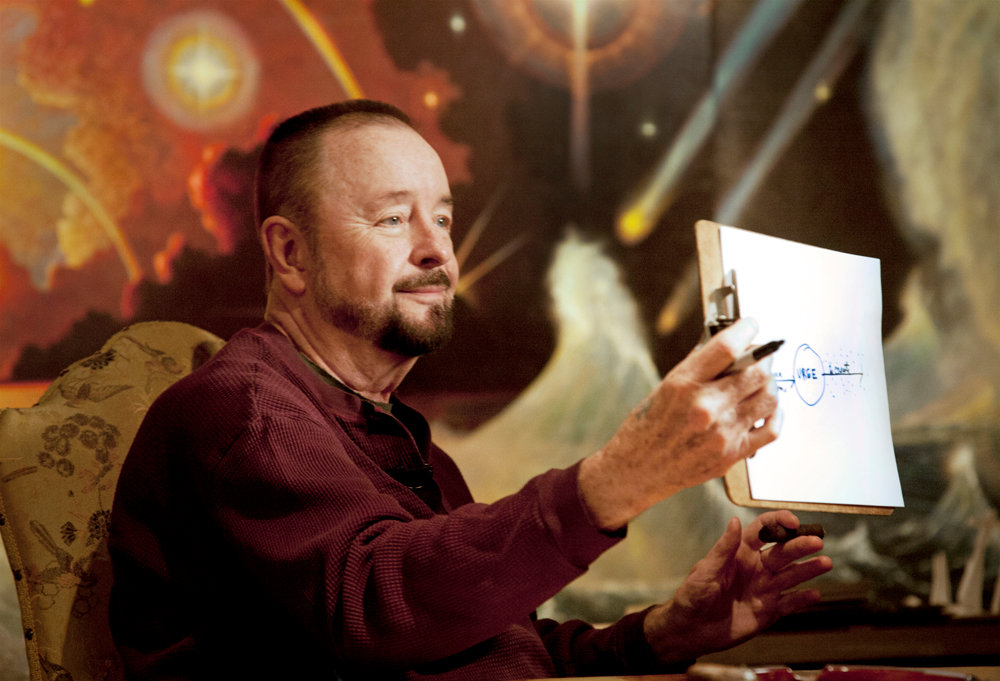
Understanding the Origins of Controlled Remote Viewing
Early experiments at SRI-International turned informal intuition into a repeatable method for gathering distant information. Researchers studied the mind and consciousness to see if awareness could extend to far-off targets. That work shaped a stepwise system used in later sessions.
The Role of Ingo Swann and SRI
Ingo Swann and Dr. Hal Puthoff worked at SRI in the early 1980s to formalize protocols. Their research aimed to make perception measurable and teachable. Instructors focused on guiding a viewer through each stage of a session to improve accuracy.
Evolution from Military Intelligence to Civilian Teaching
The Star Gate program trained military personnel to gather critical information when other sources failed. Over the years, the methodology moved into public teaching and civilian learning.
- Researchers found many people have latent awareness that can be trained.
- Standardized stages helped turn ad hoc impressions into useful data.
- Understanding history gives students context for why strict protocols exist.
For classes and institutional programs that trace this lineage, see psychic development schools, which outline modern adaptations of the original system.
Key Components of the Best Remote Viewing Training Courses Based on Ingo Swann
Well-designed instruction breaks a full session into clear phases so a viewer can build reliable skills.
A full controlled remote viewing session has six distinct stages. Each stage helps move from basic sensory impressions toward richer conceptual information about the target.
Instructors emphasize sketching and ideograms to catch shape, scale, and motion. These simple tools reduce guesswork and protect the viewer from internal projection.

Consistent practice is the engine of progress. Students document work over months and years to spot patterns, strengthen feedback loops, and improve accuracy.
“The original methodology remains the gold standard for modern students.”
- Stepwise stages guide perception from sensations to concepts.
- Sessions teach focus, noise reduction, and clear reporting.
- Specialized techniques can assist people locating missing objects or people.
For structured online programs that preserve the original protocols, explore this set of online programs.
Evaluating Professional Training Programs and Methodologies
Start by testing how a program documents sessions, feedback, and long-term practice requirements. Good providers require repeated, monitored sessions so a student can track progress over weeks and years.
The Importance of Structured Protocols
The Importance of Structured Protocols
A clear protocol prevents a viewer from leaping to conclusions and keeps the information reliable. Structured stages guide perception from raw impressions to useful target descriptions.
Comparing Intensive Workshops and Online Webinars
Comparing Intensive Workshops and Online Webinars
Intensive, small-group workshops often include live monitoring and rapid feedback. Paul H. Smith’s RVIS, Inc. is an example of an intensive model that preserves the original system for deep practice.
Webinars can cover the same techniques but may need extra monitored sessions to match hands-on results. For distance learners, look for programs that include at least a dozen checked sessions and personalized critique.
Assessing Instructor Credentials and Experience
Assessing Instructor Credentials and Experience
Choose instructors with documented research and years of teaching, and who understand consciousness and perception models used in controlled remote approaches. Debra Lynne Katz, Ph.D., offers a 10-week, multi-dimensional program that blends basic and advanced practice for daily application.
Practical tip: compare syllabi, read student feedback, and confirm how many monitored sessions are included before you commit. For guided online development that maintains protocol integrity, see this resource: psychic development online.
Conclusion
Real progress in structured perception work arrives through small, repeated sessions and careful self-review.
Mastering remote viewing takes dedication and steady practice. Follow the stage protocols, keep clear records, and treat each session as a learning step.
Enrolling in a solid course connects you to years of research into consciousness and the workings of the mind. A disciplined viewer will see measurable improvements in information quality and results over time.
Even after formal study ends, continue daily practice across days and years. For ongoing support and guided practice, consider psychic coaching: psychic coaching.