

Psychometry is the practice of reading traces tied to an item by touch or close contact. Merriam-Webster defines it as divination of facts about an object or its owner, a term first used around 1842.
This short guide offers a friendly, clear introduction to how touching an object can reveal a trail of information about people and events. We explain the core power, how it shows up in fiction, and what it usually reveals versus what it does not.
In modern storytelling, especially in Star Wars, the idea appears as Sense Echo or Force Echo. Characters like Quinlan Vos and Ahsoka Tano use this ability to sense memories tied to places or items.
For a deeper look at related psychic talents and their portrayals, see this short overview of psychic superpowers that links to common themes and examples.
Key Takeaways
- This article is a friendly, concise guide to the concept and practice.
- Psychometry links touch with impressions stored in an object.
- Fiction often reframes the idea as a focused sense or Force Echo.
- Common uses include object tracking, scene reconstruction, and memory clues.
- Expect limits: it shows impressions, not private thoughts in many portrayals.
What Is Psychometry? The Core Concept
Imagine an object as a memory vessel you can tap by placing your hand on it. The idea describes a way to gain information about an item’s past through contact or close proximity.
“Divination of facts concerning an object or its owner through contact with or proximity to the object.”
Practitioners and fiction often treat this as a sensory expansion. Touch can trigger replayed impressions—sights, sounds, and emotions—tied to the people who used the object. This differs from reading minds because the focus is on traces stored in items and places, not live thoughts.

Key terms and simple contrasts
- psychometry — divination by contact; a link to objects’ histories.
- Retrocognition — perceiving past events; often overlaps with object-based impressions.
- Sense Echo / Force Echo — franchise labels, notably in Star Wars, for similar ability types.
| Aspect | What it reveals | Typical limits |
|---|---|---|
| Objects | Sensory echoes of past events | Needs history of use; not every item responds |
| People | Impressions tied to handlers | Not direct access to private thoughts |
| In fiction | Visions, emotions, scene reconstructions | Skill-dependent and often rare |
For related psychic traits and how kinetic or object-linked powers compare, see this short guide to psychokinetic traits.
A Brief History and Word Origins
Merriam‑Webster traces the earliest recorded use back to about 1842, where the term described divination by contact or proximity to an object.
That early account shaped later writers and helped cement the word in occult and parapsychology texts. Over the next century the concept kept a steady place in esoteric literature.
By the 20th and 21st centuries, entertainment broadened the meaning. Writers and creators used the idea to explain how objects can replay scenes or impressions tied to their past.

Key moments in the term’s evolution
- The term’s recorded history begins circa 1842, rooted in divination through contact.
- It shifted in popular media to mean replaying sequences of impressions rather than strict fortune-telling.
- Star Wars helped popularize a framed version—often called Sense Echo—on-screen in 2010.
“Touch or proximity to an item reveals context-rich impressions tied to people and events.”
Over time, the word moved from formal dictionary sense into genre storytelling. The modern pop-cultural account favors investigative utility: who used the item, when, and what happened.
For a nearby look at related abilities and mechanics, see this related telekinesis overview.
How Psychometry Works: Touch, Objects, and “Force Echoes”
When an object is linked to the past, contact often acts like a key. The item serves as an associated object that carries traces of nearby moments and people.

Physical contact and proximity: why the item matters
Most portrayals require direct touch or very close proximity. That contact lets the item act as a carrier of prior events, not just a passive prop.
What users report receiving: sight, sound, emotions
Users describe multi-sensory impressions: sight, sound, and emotional tones layered like a short memory. These echoes are vivid but can appear distorted or incomplete.
“Force-driven visions often orient a seeker to what happened at a scene, aiding tracking or investigation.”
Retrocognition versus reading thoughts: limits on inner feelings
Depictions stress retrocognition of events over live mind-reading. Practitioners extract contextual clues, not a person’s current private thoughts.
- The ability often appears innate; training refines control but rarely creates it from nothing.
- Canon examples show safeguards—gloves can block triggers—so touch and consent matter.
- Limits are common: some objects give no usable result, and untrained users may suffer headaches or seizures.
psychometry in Popular Culture Today
Many franchises use contact with items or people to unlock scene fragments and secret histories. These portrayals vary in scale from a single episode to whole story arcs.

Final Fantasy and cinematic visions
In Final Fantasy VII, Sephiroth and Aerith gain sweeping impressions by proximity. Their moments show how touch or closeness can surface past or even future events.
TV heroes and time-spanning reads
Arrowverse’s Cisco Ramon (Vibe) touches an item or a person and accesses past, present, and future snapshots. Heroes uses similar beats: Sylar and Bridget Bailey learn secrets from jackets or scene items, turning ordinary things into leads.
Comics, films, and thriller twists
Characters like Abe Sapien and Spawn read histories to guide choices. Horror examples—Johnny Smith in The Dead Zone and Ignatius Perrish in Horns—make contact produce intense, confessional visions.
Games, anime, and speculative objects
Alex Chen in Life is Strange: True Colors senses emotion auras tied to people. Bleach and Rain Code show unique mechanics where a cut or an artifact restores a scene’s original state. SCP entries and Twilight’s Aro stretch the idea: a bell or tactile telepathy acts as a strange, narrative link.
“Touch often becomes the bridge between an individual and hidden timelines.”
Star Wars Focus: From Jedi Sense Echo to Ahsoka and Cal Kestis
Star Wars media often gives the Force a tactile side, where relics whisper scenes to those who listen.

Psychometry, Sense Echo, and Force Echo are names the franchise uses to tag this power. The terms help fans spot the same mechanic across shows, films, and games.
Quinlan Vos and the Clone Wars precedent
Quinlan Vos shows early on-screen use in The Clone Wars, reading items to track targets. His scenes set the tone for investigative reads within the wars jedi stories.
Cal Kestis in Fallen Order and Survivor
Cal Kestis uses Sense Echo heavily in Star Wars Jedi: Fallen Order and Survivor. Contact can trigger blinding white flashes, full sensory visions, and brief disorientation.
Ahsoka, Peridea, and risks on screen
Ahsoka Tano reads the damaged map to Peridea to follow Sabine’s trail. The show highlights limits: gloves can block activation and some items yield distorted or no echoes.
| Character | Example | On-screen effect |
|---|---|---|
| Quinlan Vos | “Hunt for Ziro” | Item reads for tracking |
| Cal Kestis | Fallen Order / Survivor | Sensory visions, stuns from dark artifacts |
| Ahsoka Tano | Seatos map to Peridea | Memory impressions guiding a search |
Across these moments, the skill is shown as innate but trainable, narratively rare, and closely tied to retrocognition limits. For a related look at kinetic talents, see what are PK abilities.
Powers, Limits, and Risks Reported by Users
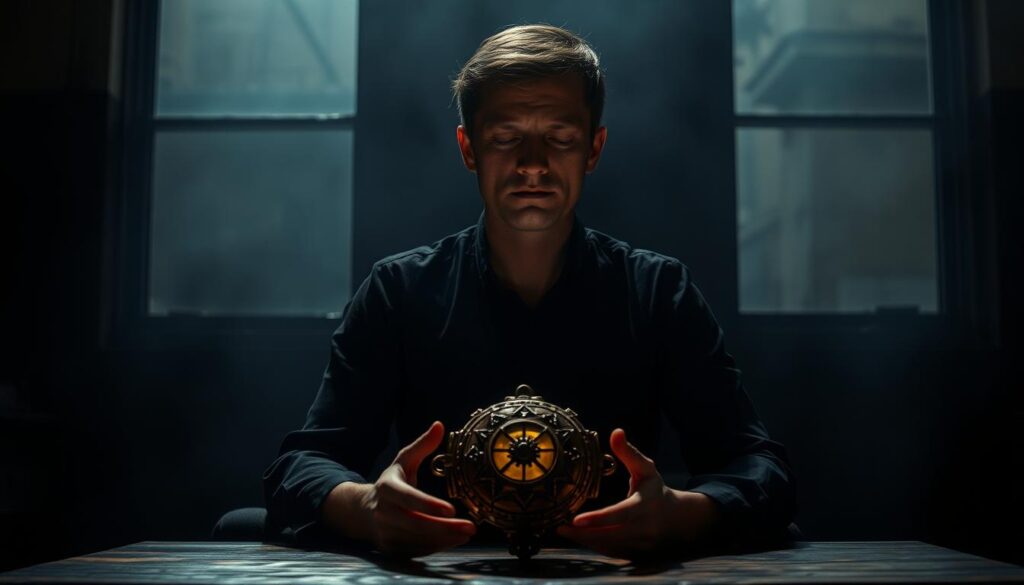
Some individuals seem born with the sight to read memory traces, while others never develop it.
Star Wars sources note the ability often appears innate; training mainly refines control rather than creates the power from nothing. Karr Nuq Sin began getting object-triggered visions at age thirteen and learned to use gloves to block activation.
Innate versus learned
Many depictions stress that only a subset of individuals can access the ability naturally. Training helps those few increase accuracy and reduce harm, but it rarely produces the skill in someone completely without it.
Reliability and distortion
Users report mixed results: one touch may give a vivid sight, while another yields vague or no impressions. Echoes often carry slight distortion—shifts in time, missing context, or emotional overlays—so interpretation must be cautious.
Physical and emotional toll
Untrained users can suffer headaches, dizziness, or seizures when overwhelmed by incoming memory. Vildar Mac noted that some sessions produce no usable data yet still leave the individual drained.
Gloves and boundaries
Practical controls matter. Gloves or insulating barriers can prevent unwanted activations in public settings. Ethical habits—asking permission before handling a personal object—protect both the reader and the subject of the memory.
“Because echoes can be partial or misleading, corroborating findings with other evidence is essential.”
- Corroborate impressions with physical or testimonial evidence.
- Set boundaries: use gloves and clear consent to manage access.
- Recover: breathing, grounding, and note-taking help users recover after intense sessions.
Real-World Parallels and Terminology: Divination, Retrocognition, and Psychometrics
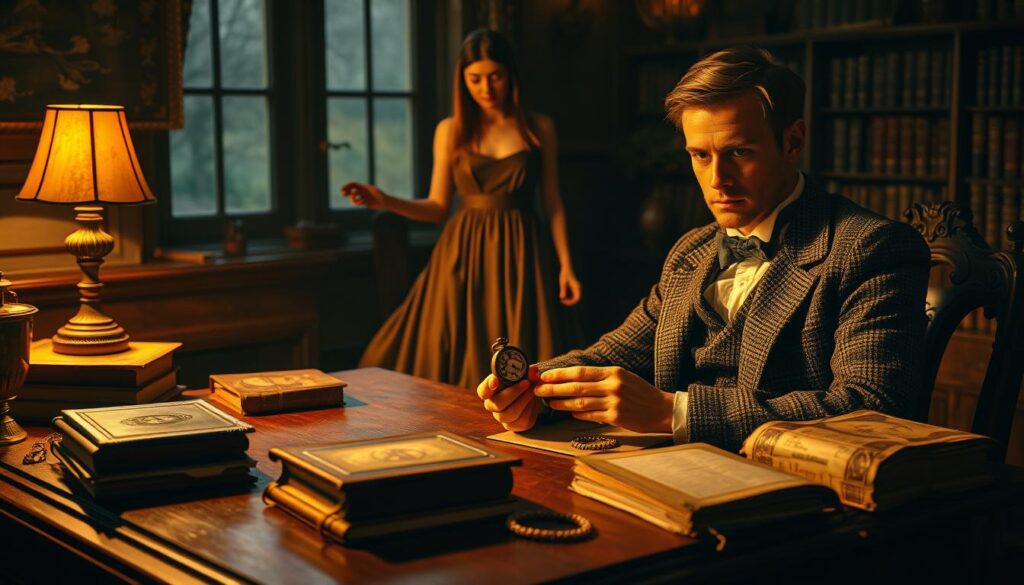
Words used in dictionaries and the scenes in movies often tell two different stories about how objects hold traces of the past.
Dictionary perspective versus entertainment portrayals
Merriam‑Webster frames psychometry as divination by contact or proximity, noting a first known use around 1842. That concise account anchors the term outside fiction.
Entertainment often adapts this into retrocognition—reading past information from items or places. Shows and games make it a clear investigative tool.
- Clear definition: dictionary entries keep the idea procedural and limited.
- Story rules: franchises like Star Wars tie the concept to the Force, adding sensory visions and fixed limits on who can use the ability.
- Scientific clarity: psychometrics, a real field of measurement in psychology, is distinct and should not be confused with psychic accounts.
“Real-world reports are usually anecdotal; fiction supplies repeatable beats that help a plot move forward.”
Knowing the baseline definition helps readers judge how far a franchise stretches the idea and what sort of information to expect from object-based reads.
Practical Uses Depicted: Tracking, Crime Scenes, and Personal Items
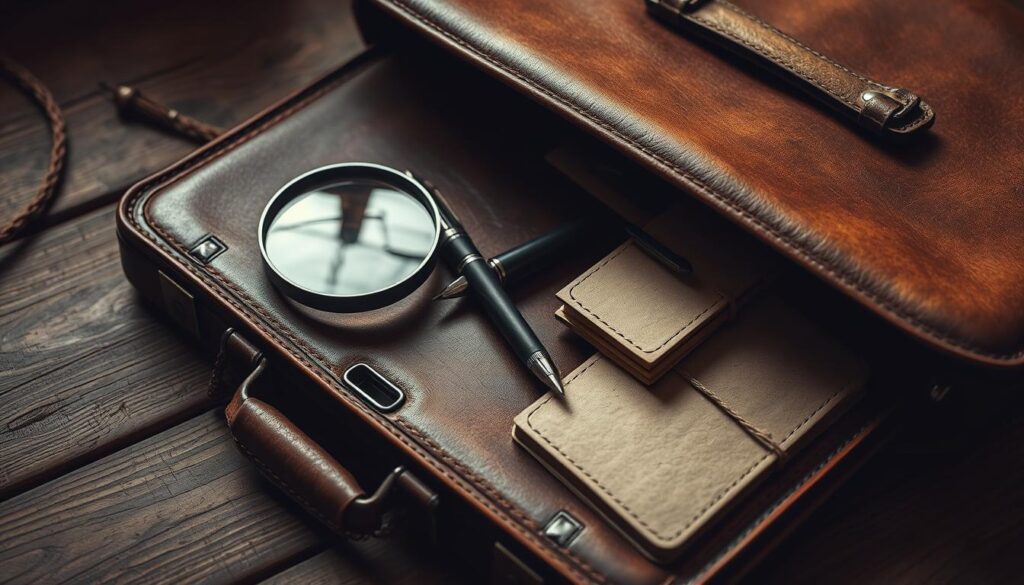
A lone glove, cup, or tool can become the starting point for a chain of discoveries. Fiction shows how an associated object often leads investigators along a trail of clues.
Following a person’s trail through associated objects
Tracking scenes usually begin with one item tied to a person. A cup, jacket, or phone can link to where someone went next.
In Star Wars, Quinlan Vos reads items in the field, and Cal Kestis follows Sense Echo marks to navigate ruins and routes.
Reconstructing events at locations and crime scenes
Crime-scene reads sample multiple objects so each fragment fills in a piece of the sequence of events.
Characters like Spawn and Abe Sapien treat items as witnesses, layering impressions to form a coherent timeline.
Unlocking personal histories without reading thoughts
These depictions stress context over mind-reading. The ability reveals the past actions tied to things, not private, current thoughts of people.
Vibe, Alex Chen, and Johnny Smith examples show emotional or sensory echoes that give leads, which work best when corroborated by other evidence.
“Objects act as witnesses; multiple reads prevent a single distorted impression from derailing an inquiry.”
Ethics, Consent, and Cultural Perceptions in the United States
Ethical concerns around reading objects center on privacy and harm. Handling a personal item can reveal intimate details without consent. That intrusion matters both in fiction and in portrayals aimed at U.S. audiences.

Handling weapons and violent artifacts: risks and objections
The Jedi Order, in Star Wars stories, discouraged reading violent weapons because the item can carry the wielder’s emotions. Contact with dark artifacts may overwhelm users and draw them toward the dark side.
Cal Kestis’s shock when he touched the Second Sister’s lightsaber shows how a single grasp can stun an investigator and flood them with painful echoes.
- Consent: Reading personal items can expose private account details; always seek permission when possible.
- Jedi caution: In the wars jedi framework, violent objects pose moral and spiritual hazards.
- Community impact: Weapons tied to trauma can retraumatize victims or groups; sensitivity is essential.
- Documentation: Users should log why an item was read and what was found to keep work accountable.
- Codes of conduct: Limit reads to clear investigative need and avoid sensationalism.
“Because echoes carry emotion and bias, ethical practice requires consent, clear purpose, and care for those affected.”
For readers curious about guided services or portrayals of item-based reads, consider a vetted psychic readings resource for background and professional accounts.
Getting Started: A Friendly Guide to Exploring the Idea in Media
A few well-chosen episodes and games will quickly show the range of this ability in storytelling.
Where to begin: start with Star Wars Jedi: Fallen Order to see Cal Kestis’s Sense Echo in action. Then play Survivor to see how the mechanic shapes both gameplay and story beats.

Key episodes, games, and books
Watch The Clone Wars episode “Hunt for Ziro” for Quinlan Vos’s investigative reads. Follow that with Ahsoka’s Peridea map scenes to see how echoes guide a search.
Read Force Collector to explore a grounded novel view of triggers, gloves, and control. For a TV contrast, check Cisco Ramon’s Arrowverse arcs: those episodes show a more comic-book treatment of touch-based revelations.
Comparing franchises: star wars, superheroes, and supernatural drama
Life is Strange: True Colors reframes readings as emotional auras, while Final Fantasy VII Remake and The Dead Zone show intense contact visions.
Anime and darker stories like Bleach, Rain Code, Spawn, and Hellboy use objects as investigative leads or dangerous relics. Comparing these picks highlights shared mechanics—touch, echoes, and limits on what information appears.
“Use this article as a short guide to build a watch-and-play list that showcases varied rules for the same concept.”
For a practical next step, try a brief viewing and play session, then note how each title explains control and consequences. If you want structured learning resources, follow this psychic development guide for background and practice ideas.
Conclusion
strong Psychometry links a formal dictionary meaning—divination through contact—with vivid on-screen mechanics like Sense Echo. Across media, an object can act as a witness, offering sensory traces that guide choices or investigations.
This article outlined origins, how the skill functions, and why it works so well in stories. Star Wars examples from Quinlan Vos to Cal Kestis and Ahsoka show both investigative promise and real risk when echoes overwhelm a reader.
As you explore further, weigh ethics, consent, and corroboration. For a related practical look at psychic mechanics, see this brief guide on how to move things with your.
Remember: psychometry makes compelling scenes when writers balance discovery with care and clear limits.