

Welcome. This friendly guide gives clear, down-to-earth information to help a beginner start a simple practice toward clairvoyance. The goal is practical steps you can try today, not grand claims.
Clairvoyance means “clear-seeing,” often as images in the mind’s eye. Some people also notice auras, symbols, colored lights, or short movie-like scenes. Interpretation usually draws on other intuitive abilities, so skills often blend as you train.
Expect subtle beginnings: images may feel fuzzy or like imagination. With paced practice—meditation, third eye visualizations, and simple drills—clarity builds. This article outlines foundations, core techniques, dreamwork, journaling, symbol interpretation, safety tips, and ethics for a steady journey in the United States.
Key Takeaways
- Clairvoyance often appears as inner images; steady practice matters more than talent.
- Start with meditation and third eye visualizations to develop basic abilities.
- Combine channels—sight, feeling, and knowing—to interpret visions better.
- Pace yourself and use safety tips to avoid overwhelm.
- This article offers beginner techniques, journaling ideas, and ethical guidelines.
What Clairvoyance Is and How It Works Today
Some people notice sudden images or colors that seem to come from outside conscious thought. In simple terms, clairvoyance means “clear seeing.” It usually appears as mental images, symbols, colors, or short scenes inside the mind eye. These visuals can be literal or highly metaphorical.
Clairvoyant images often act like snapshots or brief movie clips that point to meaning rather than give exact facts. Some people report seeing auras, movement at the edge of vision, or lights. More often, though, the pictures arrive in the mind.

Clairvoyance is one of several psychic abilities. It differs from clairaudience (hearing messages), clairsentience (feeling vibes), and claircognizance (sudden knowing). Many people notice feeling or knowing before they see images.
- Intuitive images tend to arrive unbidden.
- Imagination usually feels like something you build on purpose.
- How people receive visuals varies widely—meditation, dreams, or casual moments can trigger them.
| Sense | Common Experience | How It Shows |
|---|---|---|
| Clairvoyance | Mind images, symbols, auras | Snapshots, short scenes, colors |
| Clairsentience | Physical feelings, vibes | Gut sensations, warmth, pressure |
| Clairaudience | Inner sounds or words | Clear phrases, tones, whispers |
Search Intent and Expectations: What You’ll Learn in This How-To Guide
This guide focuses on short, hands-on exercises you can use to notice inner images and track progress.
Practical focus: This article is a how-to with step-by-step practice drills, not a scientific review. You will get clear exercises like the seven-color balloon visualization, third eye routines, direct and indirect intuition drills, dream journaling, and blind readings.
You’ll learn basic abilities to spot images, record them, and begin simple symbol decoding. Daily micro-practices take minutes and fit into busy schedules.
Consistency matters: short daily work plus weekly and monthly check-ins helps steady development over time. Adjust the pace if you feel overwhelmed; safety tips are included.
Expect training in both direct intuition (focused yes/no sensing) and indirect intuition (symbolic images and drawing). Dreamwork and blind readings reduce bias and let you test accuracy gently.
Helpful exercises and context are linked for extra information and practice ideas.

| Practice Cadence | Time per Session | Expected Outcome |
|---|---|---|
| Daily micro-practice | 5–10 minutes | Noticing images, steady habit |
| Weekly check-in | 30 minutes | Track accuracy, refine technique |
| Monthly review | 30–60 minutes | Measure development, adjust goals |
Laying the Foundation: Meditation, Mindfulness, and Intuition Development
Start with short, steady sessions that teach your mind to notice quiet impressions. Regular work on attention builds a clean field where subtle images and sensations can appear.
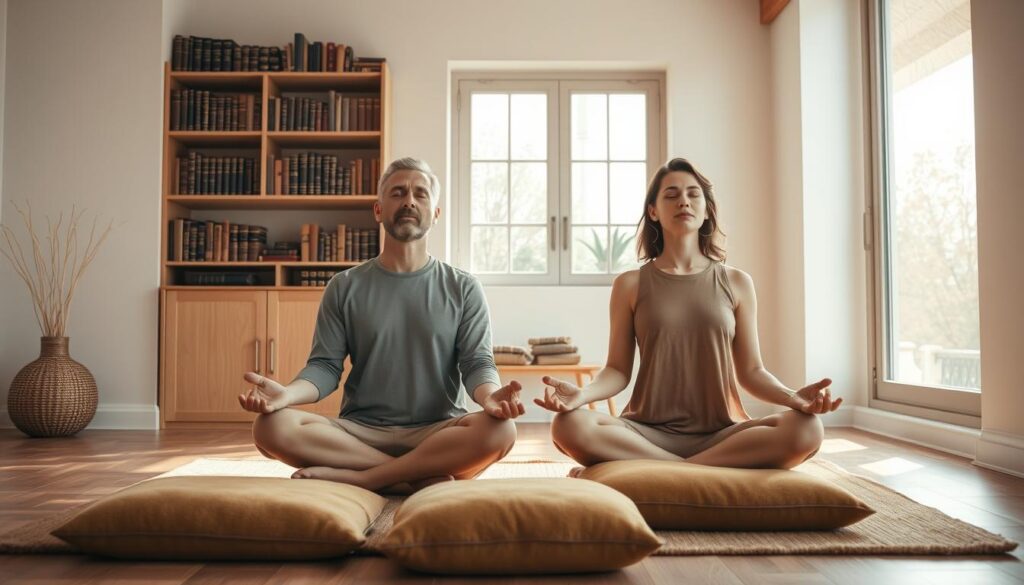
Simple breath practices to quiet the mind
5–10 minute breath meditation: sit comfortably, soften your gaze, and follow the inhale and exhale. When thoughts wander, return your focus gently to the breath. Repeat daily to reduce mental clutter and increase clarity.
Building trust in intuition and gut feelings
Keep a short running note of spontaneous images and bodily nudges during the day. A quick log helps you see patterns and trust your first impressions.
Try a brief “attention warm-up”: scan for colors, shapes, and light for one minute. This sharpens visual noticeability and supports inner imagination later.
“Patience and steady sitting beat long, rare sessions every time.”
- Use micro-pauses before decisions to check for a yes/no body response.
- Notice subtle energy shifts without judging them.
- Be consistent—small daily work strengthens your ability and aids in developing clairvoyance and healthy psychic development.
Opening the Third Eye: Practical Steps to Activate Your Mind’s Eye
A steady, gentle focus at the brow can help you notice subtle inner images and light.
Simple third eye practice: sit with a straight back, breathe three slow times, then place your attention between the eyebrows. Visualize an indigo or illuminated oval there and ask it to open. Many people report a warm or tingling sensation when this area activates.

Supportive tools and posture
Start with closed eyes to favor the mind’s eye and avoid forcing visuals. If you like, lie down and set a lapis lazuli or clear quartz at the brow center for 5–10 minutes to focus energy and intent.
Grounding and safety
Before and after sessions, ground: feel your feet on the floor, picture roots into the earth, or hold a grounding stone. If images or dreams spike, slow or pause practice and return to breath.
“I am profoundly clairvoyant. It is safe for me to see.”
Pacing and tracking
Begin with 3–5 minutes and increase only when comfortable. Cut time if visuals become intense.
Journal sensations like warmth, tingles, colors, or flashes to track patterns as your ability grows.
| Step | Action | Notes |
|---|---|---|
| Warm-up | Breathe three times and relax | Short and calm prepares attention |
| Visualization | Imagine indigo/illuminated oval at brow | Ask it to open; expect subtle images |
| Crystal support | Place lapis lazuli or clear quartz on brow | Use for 5–10 minutes while resting |
| Grounding | Feet on floor, roots, or grounding stone | Do before and after to stabilize energy |
Core Techniques for Developing Clairvoyance
Use short, focused drills to train your inner sight and learn what your mind naturally shows. These techniques split into direct checks that ask clear questions and indirect work that lets symbols appear. Alternate approaches help the body and mind tune in together.
Direct intuition: clear questions and body yes/no
Ask one specific question about the near future. Breathe to settle, relax the shoulders, and invite a simple answer.
Check the solar plexus: an expanding feeling often signals yes, a tightening often signals no. Trust first impressions and record the outcome later.
Indirect intuition: symbols and drawing
Ask a guiding question three times, for example, “What does my life need right now?” Note the first image that comes and draw the initial symbol without editing.
Interpret the mark by listing personal associations before checking universal meanings. Symbols carry private meaning first; that builds reliable insight.
Letting images come vs. forcing them
Never strain to create pictures. If imagery is dim, calmly ask it to grow or become clearer. Patience beats pushing.
Try 5–10 minutes daily, alternating direct and indirect practice. Finish each session by writing one sentence about what felt strongest to help track progress and refine discernment.
Practice ideas to help develop clairvoyant
Visualization Exercises to Strengthen Clairvoyant Abilities
Simple visualization exercises train your mind eye to hold clearer, steadier pictures.

The seven-color balloon exercise
Step 1: Sit comfortably, breathe three slow counts, and imagine a red balloon.
See its hue, texture, and size. Watch it float up until it fades away.
Repeat the process with orange, yellow, green, blue, violet, and indigo. Release each balloon only after it vanishes in your inner sky.
Object and scene drills to sharpen clarity
Next, pick a simple object like an apple. Visualize its color, shine, and texture. Rotate it in your mind and note small details.
Level up by building a scene from memory. Add lighting, depth, and a single moving element to challenge your eye.
- Use a timer for short reps (2–3 minutes per drill) to avoid strain.
- After each run, rate clarity 1–10 to track progress.
- Consistent practice conditions the same inner “screen” that produces spontaneous images during readings.
“Steady imagery work strengthens both confidence and clarity.”
For more drills and a helpful practice pathway, try a related mind eye exercise guide.
Dreamwork, Journaling, and Blind Readings to Train Your Psychic Eye
Record night impressions with a simple routine to turn dreams into useful practice data.

Setting a bedtime intention
Before sleep, ask one clear question and repeat it as you drift off. Keep a pen and pad at the bedside.
On waking, write the first images, colors, or scenes that come to mind. Capture fragments; they often hold key information.
Keeping a simple journal
Use this format: date, question, imagery received, feelings, initial interpretation, later validation.
A short journal entry each morning builds a feedback loop. Over time you see which images match events.
Blind readings to reduce bias
Write three answers on blank cards, place them face-down, shuffle, and pick by feel. Record your choice and results.
- Do weekly reviews to note recurring symbols or colors.
- Practice occasionally with a trusted person to test impressions ethically.
“Small, steady recording makes unclear night images useful for daily refinement.”
Interpreting Symbols and Messages from Spirit Guides
A recurring icon can be a steady signpost once you learn its personal meaning. Symbols often carry private notes: water might signal emotion for one person and change for another. Prioritize your lived associations over generic definitions.

Personal symbol dictionaries vs. archetypes
Start a short symbol dictionary. Record the image, when it appeared, and what it felt like. Note shifts over time; meanings often change as your abilities grow.
Compare your notes to common archetypes—water, bridges, keys—but keep your first reading as primary. Your history gives symbols context the world’s lists cannot supply.
Working with guides for clarity and validation
In meditation, ask your spirit guides to clarify a confusing image. Notice the first symbol, tone, or feeling that comes and write it down immediately.
“Guides often confirm by repetition—symbols that reappear across dreams or sessions matter most.”
- Use repetition as validation: recurring images point to important themes.
- Validate later through events, conversations, or journal checks to build trust.
- Ask for guidance that is supportive and empowering for you and others.
For a quick self-check, try the psychic abilities test to see how your intuitive abilities align with symbol use.
Overcoming Blocks, Fear, and Past Experiences
Fear and old surprises can put a sudden lid on your inner eye, but simple steps help reopen it. Blocks often show as sudden shutdowns after a scary sight, anxiety before visualization, or persistent brow headaches.
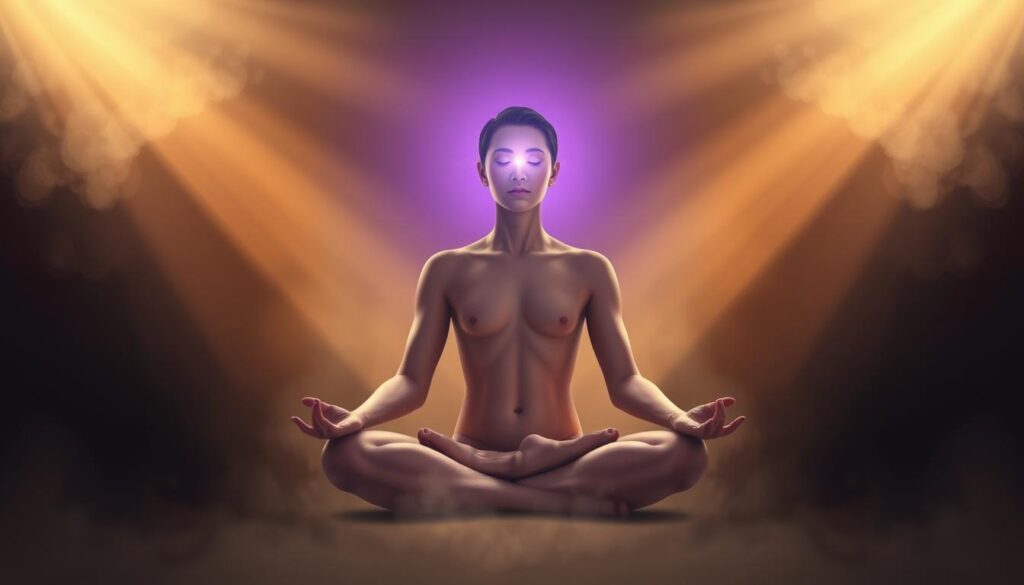
Recognizing energy leaks and trauma triggers
Trauma may create third eye energy leaks that drain clarity. A single upsetting experience can mute images or make people avoid practice. Notice if practice brings dread, tension, or odd physical sensations.
Affirmations and release practices to feel safe seeing
Start with gentle releases: three deep breaths, hand over the heart, then the brow. Follow with a short grounding visualization—roots into the earth to steady your body.
Try this affirmation: “It is safe for me to see what serves my highest good.” Repeat it aloud before short sessions.
“Pace practice—short sessions and steady check-ins protect emotional safety.”
Honest living, tending to real-life issues, and small, steady work support long-term psychic development. If past experience feels heavy, seek a supportive group or practitioner for guided care and consent-based help.
For a practical third eye routine, consider resources that teach how to open your third eye gently and safely.
Becoming Clairvoyant: Building a Sustainable Practice Over Time
Treat this work as skill training: short, regular efforts compound into clearer sight over months.
Daily, weekly, and monthly cadence
Keep sessions short and steady. Aim for small, repeatable steps rather than long pushes.
- Daily: 5–10 minutes of meditation or visualization to warm the mind and build habit.
- Weekly: 30 minutes for journal review and a blind reading to test impressions.
- Monthly: 45–60 minutes to reset goals, review trends, and adjust practice plans.
Measuring progress without chasing dramatic results
Track simple metrics to see real growth. Use clarity scores for images and record hit rates from blind readings.
Note symbol consistency across sessions and whether yes/no signals feel more reliable. Small shifts matter: faster image arrival, crisper colors, or steadier body signals all count.
| Cadence | Time | Primary Goal |
|---|---|---|
| Daily | 5–10 minutes | Habit building, attention training |
| Weekly | 30 minutes | Journal review, blind readings, accuracy check |
| Monthly | 45–60 minutes | Goal reset, pattern review, plan changes |
Balance modes across the week—mix meditation, visualization, dream tracking, and symbol work to strengthen different skills and intuitive abilities.
Tip: Consider mentorship or short courses for structured feedback and faster, safer development of clairvoyant abilities.
Expect plateaus. When progress stalls, rotate techniques or shorten sessions to avoid fatigue. Celebrate small wins: clearer color perception, quicker image arrival, or steadier yes/no signals. These signs show real, lasting growth on your journey.
Ethics, Boundaries, and Responsible Psychic Development

Use insights with compassion and respect. When you read for others, always ask permission first. Frame messages as supportive guidance, not fixed fate.
Be humble about limits. Avoid giving medical, legal, or financial advice. If a client needs those services, suggest trusted professionals instead.
Protect your energy and set clear boundaries. Try a short script: “I’m honored to help, but I’ll only share what feels kind and useful.” Use this to decline uncomfortable requests without guilt.
Log ethical dilemmas in your journal. Note what felt off, how you responded, and what you might change next time. Over weeks this builds wiser judgment.
Seek community and verified courses that emphasize feedback, consent, and safe practice. Working with mentors and other clairvoyants helps you see blind spots and grow responsibly.
“Responsible development honors the well-being of people and the wider world.”
End each session by grounding and closing. A short breath, hands on the heart, and a thank-you to Spirit keeps daily life balanced and preserves long-term growth.
Conclusion
Small, consistent actions often produce the clearest progress in inner vision. Start with one short meditation or visualization today. Log it in a journal and note any images, feelings, or color shifts.
Use core tools: third eye focus, the seven-color balloon exercise, direct yes/no checks, symbolic drawing, dream intentions, and blind readings. Build a personal symbol lexicon and consult trusted guides or mentors for clarity.
Keep ethics and grounding central. If you want structured feedback, look into reputable courses or a mentor for safe psychic development.
Small steps over time grow real confidence. Pick one short exercise now, write one line in your journal, and return tomorrow. This steady approach helps your mind and ability to notice helpful images and meaning in daily life.