

Remote viewing is a structured practice of extrasensory perception that helps people access information beyond the five senses.
Researchers in the 1970s began testing whether the mind could perceive distant places. That work launched modern study of this curious psychic ability.
Learning this skill means quieting thought and recording raw impressions before analysis alters the data. With a clear process, a trainee can describe a target place or object separated by space.
Consistent practice refines accuracy. Over time, perception of colors, shapes, patterns, and small details improves in repeated sessions.
For deeper reading on mental skills and extrasensory training, see psychic superpowers for related techniques and context.
Key Takeaways
- Remote viewing trains the mind to access distant information beyond physical senses.
- Study of this practice began in the 1970s and evolved into structured training.
- Quiet the mind and record raw impressions before analysis.
- Follow a repeatable process to describe targets separated by space.
- Regular practice improves accuracy of colors, shapes, and patterns.
Understanding the Concept of Remote Viewing
The practice focuses attention so inner impressions reveal scenes outside the body. Remote viewing is a disciplined method for accessing hidden information without relying on the five physical senses.
Unlike spontaneous clairvoyant visions, this viewing is structured. It relies on training, protocol, and repeated sessions to improve clarity.

Practitioners describe the process as a way to access information that exists beyond ordinary perception. By narrowing attention on a single point, a person learns to sort true impressions from mental noise.
- Structured process: protocol guides each session and records raw impressions.
- Disciplined training: shapes accuracy over multiple sessions.
- Expanded connection: many people report a deeper sense of being more than their body.
| Aspect | Remote Viewing | Clairvoyance |
|---|---|---|
| Approach | Protocol-driven, repeatable | Often spontaneous, less structured |
| Training | Required for consistent accuracy | May occur without formal training |
| Output | Raw impressions, sketches, images | Visions or intuitive knowing |
| Goal | Access location or object details | Receive general insights or images |
The Historical Origins of Remote Perception
Scientific work at the Stanford Research Institute in the early 1970s turned anecdote into repeatable tests. Physicists Russell Targ and Harold Puthoff led experiments that asked whether the human mind could access information about distant places and objects.

The Stanford Research Institute
Researchers developed protocols for controlled sessions. Ingo Swann played a key role by helping name sensations and shape the methods used at the research institute.
The Stargate Project
The later Stargate Project collected work from several teams and tested practical uses. Funded by CIA and Defense, it enlisted trained people as part of intelligence efforts during the Cold War.
- Early 1970s: the stanford research institute became a focal point for formal study.
- Scientists sought verifiable impressions about distant targets and locations.
- Critics point to reproducibility issues, yet the archive still informs modern research.
| Year | Group | Focus |
|---|---|---|
| Early 1970s | Stanford Research | Protocol development, controlled sessions |
| Late 1970s–1980s | Stargate Project | Operational testing for intelligence targets |
| Ongoing | Independent teams | Reanalysis of images and impressions |
How to Become a Professional Remote Viewer
Consistent daily practice and calm focus turn scattered impressions into clearer images. Start by creating a quiet space where your body can relax and your mind slows down.
Use sealed envelope exercises with concealed images. This method trains you to record first impressions before analysis alters the data. Trust brief flashes of shapes, colors, or textures even if they seem random.

Commit to short, regular sessions. Over time, repeated viewing yields better accuracy for targets and details. Note sensations, thoughts, and patterns without judging them.
- Discipline: keep a daily routine for mental training.
- Environment: quiet, uncluttered space reduces interference.
- Technique: practice with sealed envelopes to capture raw impressions.
- Trust: accept initial flashes as valid data for later review.
Many people progress faster with guided training. Consider certified courses like psychic mediumship certification courses for structured feedback and improving your viewing skills over time.
Essential Mental Preparation for Success
A calm, controlled space primes perception and reduces distractions before any viewing session. Create that space by clearing clutter, silencing devices, and choosing a predictable time each day. These small changes help the mind settle and support consistent practice.
Creating a quiet environment means more than silence. Light, comfort, and minimal movement all reduce interference with impressions. Set one area as your dedicated practice space so the brain learns the cue for focus.
Deep breathing and short meditation are powerful tools. Spend a few minutes on slow, even breaths to lessen mental noise. This readies your mind to notice subtle images, colors, and textures linked to the target.
“Set a clear intent before starting; a focused aim filters distractions and sharpens perception.”
Use a simple routine: arrive, breathe, state intent, then begin the session. For structured training and exercises, consider guided material such as psychic development techniques for beginners. Repeating this routine over many sessions builds discipline and improves the ability to receive accurate information.

The Core Protocol of a Viewing Session
A disciplined protocol turns fleeting impressions into verifiable notes during each viewing session. This short framework keeps the session focused and preserves raw data for later review.
Setting the Target
Targets are set in a double-blind way so neither the monitor nor the viewer knows the identity. This removes bias and keeps results credible. The monitor records time marks and starts the session without cues that hint at the target.
Recording Raw Impressions
Begin by writing simple sensory impressions: shapes, textures, temperatures, and brief images. Do not name or interpret these sensations. Trust first flashes and note them quickly so the mind does not edit the data.
Sketching the Vision
Sketching translates abstract impressions into measurable images. Draw basic outlines, shading, and relative placement. Those sketches form the core of later comparison and analysis.

- Strict protocol: keeps the session pure and repeatable.
- Monitor role: keeps timing and focus, reduces interference.
- After session: compare notes with the actual target to spot patterns and improve practice.
For deeper context on related abilities, see clairvoyant abilities meaning.
Developing Your Natural Psychic Abilities
Small, regular sessions help quiet mental chatter and allow meaningful images to surface.
Most people can improve their psychic abilities with steady, simple practice. Begin each remote viewing session with calm breaths and a clear intent. Short, focused attempts often yield clearer impressions than long, distracted efforts.
Treat each session as a lesson. Note brief impressions, then let the note sit. Review later for patterns and subtler information that link to the target.
Curiosity and patience matter more than talent. Many people find that consistent viewing builds confidence and sharpens perception. Over time, fleeting images become repeatable and useful.

- Be patient: progress is gradual.
- Stay open: curiosity reveals untapped potential.
- Practice often: short sessions beat rare marathon attempts.
Distinguishing Remote Viewing from Clairvoyance
The key difference lies in intent: one offers intuitive images, the other seeks checkable facts.
Clairvoyance often appears as spontaneous visual impressions or symbolic messages. People must interpret those flashes, which can be rich but subjective.
Remote viewing follows a set protocol that records specific information about a target. The method aims for details that can be checked against reality at a later time.
That means viewing sessions focus on measurable notes, sketches, and timestamps. These records let analysts compare impressions with the actual target and assess accuracy.
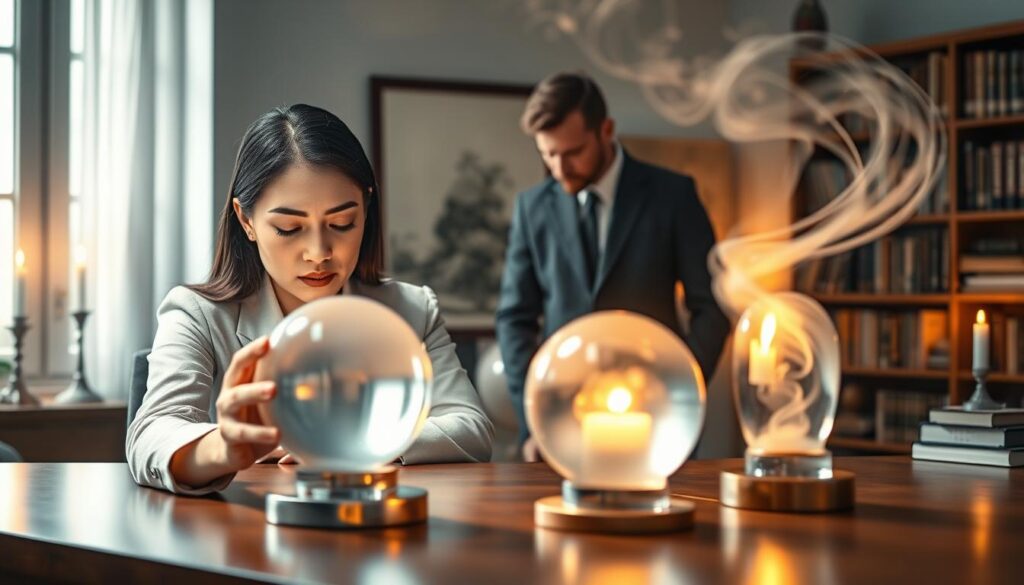
Choosing between the two depends on goals. If you want guidance and symbolic insight, spontaneous visions may suit you. If you need verifiable data, structured viewing is the clearer path.
“Both forms expand our understanding of perception and reveal different facets of the mind.”
- Clairvoyance: spontaneous, visual, interpretive.
- Viewing: protocol-driven, verifiable, focused on the target.
For further reading on related phenomena, see clairvoyant visions.
Common Myths Surrounding the Practice
Popular stories often paint viewing as either dangerous or only for the unusually gifted, which misses the reality. Clear facts help people set sensible expectations and begin careful training.
Addressing Safety Concerns
Remote viewing is a learned discipline, not an innate curse. Many learners build skill through steady work and simple protocols.
Safety worries are common, but with proper guidance the process resembles meditation more than risk. Short sessions and grounding routines keep the mind steady and calm.
- Myth: only natural psychics can succeed. Fact: training improves ability for most people.
- Myth: viewing is dangerous. Fact: guided practice is low risk and structured.
- Myth: access is unlimited. Fact: even skilled remote viewers get vague or incorrect impressions sometimes.
“Approach practice with patience, a healthy skepticism, and simple safeguards.”
Keep expectations realistic. Track impressions, compare notes with the actual target, and use steady time blocks for practice. That balance keeps the journey positive and useful.

The Role of the Monitor and Analyst
Clear role boundaries are what preserve the integrity of each remote viewing session. The monitor guides the viewer and keeps the session on track. They manage time and follow protocol without hinting at the target.
The analyst then evaluates notes, sketches, and impressions. Their job is to match collected information with the target and rate the accuracy. This review is crucial for learning and refining ability.
Both roles must remain blind to the target identity. That double-blind setup prevents bias and keeps the results credible. A neutral monitor and an independent analyst protect the process.
Learning each role gives deep insight into the work. Training lets practitioners see how guidance affects images and how analysis refines conclusions. Many programs, including offerings in psychic development online, let students practice as monitor and analyst.
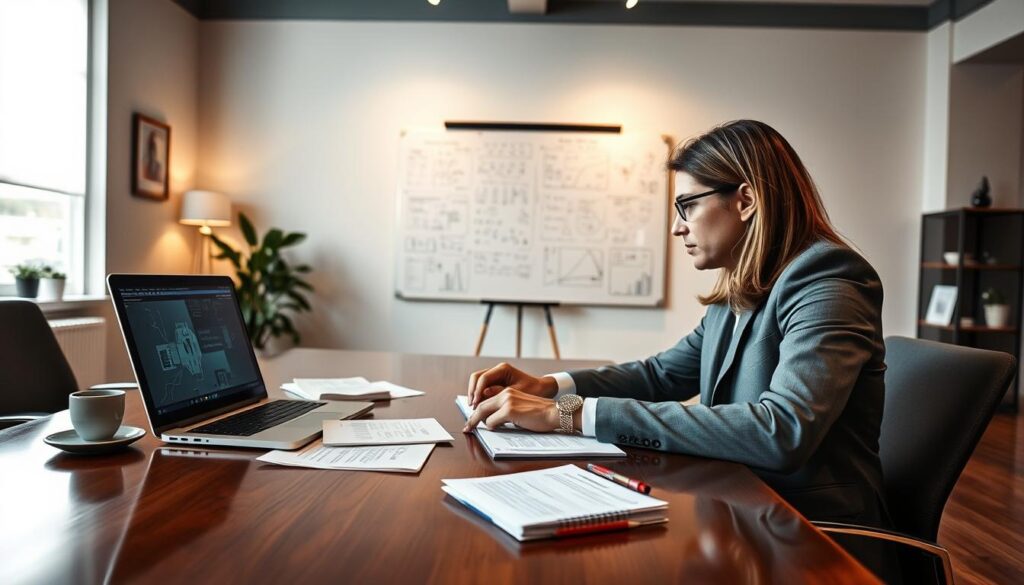
“A steady monitor and a careful analyst turn raw impressions into useful information.”
- Monitor: guides, times, protects the protocol.
- Analyst: compares data, scores matches, provides feedback.
- Blind setup: reduces bias and strengthens results.
Overcoming Challenges in Your Training
Separating inner imagination from genuine target information is a core challenge for most students. Mental noise and expectation can color impressions and make images seem vivid but inaccurate.
Expect inconsistent results. Brief stretches of clarity may alternate with fuzzy output. That pattern is normal and signals growth, not failure.
Practice with discipline. Set short sessions and clear time limits so the mind learns focus without fatigue.
Use comparison as a tool. After each session, compare notes with the actual target. Chart where impressions matched and where bias crept in.
Build resilience with patience and steady routine. Quieting the mind is a skill gained over many viewing attempts.
Record simple data: sensations, rough sketches, and single-word impressions. This habit strengthens your ability to pull reliable information from fleeting images.

- Accept inconsistency: it is part of learning.
- Compare notes: identify patterns and errors.
- Keep short sessions: preserve clarity and focus.
Spiritual Benefits of Consistent Practice
Regular viewing practice often opens a subtle sense of spiritual connection that changes daily life.
Beyond technique, steady work with remote viewing can deepen awareness of inner life and interdependence. Short sessions train the mind to notice small impressions and subtle images that once were ignored.
Many practitioners report that discipline learned during each viewing session spills into everyday routines. That calm focus often brings balance, less reactivity, and more restful time between tasks.
Reaching for information beyond ordinary senses expands awareness. Over months, people begin to see repeating patterns and links that reshape beliefs about reality.
“The journey is less about answers and more about discovering that you are more than your body.”
- Greater connection: a felt sense of unity with others and the world.
- Daily calm: disciplined practice supports relaxation and focus.
- Spiritual growth: shifts in worldview often follow steady practice.
For structured pathways and certification opportunities, consider programs listed at psychic certifications and training programs.

Conclusion
Short sessions with focused intent yield clearer notes and useful feedback over time. Keep a steady routine and treat each attempt as valuable data. Even imperfect results teach you patterns and build confidence.
Maintain simple protocols, quiet the mind, and record raw impressions without judging them. Regular practice unlocks more consistent access to subtle information and improves how you translate images into words.
Stay patient and curious. With time and honest review, your viewing skill grows, your accuracy improves, and your connection with inner perception deepens.