

What this article covers: an informational look at what people mean when they ask about this topic, what common techniques involve, and the evidence so far.
Energy medicine often refers to practices that claim to influence a biofield around the body. Some approaches, like acupuncture and Reiki, have attracted more clinical study than others. Overall, research remains limited and more high-quality trials are needed.
Many people try these methods for stress, anxiety, pain, burnout, or sleep support. People often use them alongside conventional medicine or talk therapy, not as a replacement for prescribed treatment.
This piece will explain common techniques, summarize what studies show, describe both in-person and remote sessions, and offer guidance on safe use. Read with the expectation of realistic outcomes such as relaxation and better coping, rather than guaranteed cures.
Safety note: talk with your healthcare provider about persistent or serious symptoms. Watch for red flags like promises of certain cures or pressure to stop medicines.
Key Takeaways
- We define the question clearly and set realistic expectations for benefits and limits.
- Acupuncture and Reiki have the most clinical attention; many other methods lack strong study data.
- People commonly seek these approaches for stress, pain, and sleep support as a complement to care.
- Research is mixed and more rigorous trials are needed to judge effectiveness.
- Both in-person and remote sessions are common; reported effects often include relaxation.
- Consult a healthcare provider for serious symptoms and avoid replacing prescribed treatment.
What energy healing is and why people try it for health and stress
Some people turn to subtle practices that aim to support the body’s natural balance when stress or pain feels overwhelming. In plain terms, these approaches view the living body as surrounded by a biofield — a subtle layer some traditions call a life force.
Energy medicine, subtle energy, and the “biofield” concept
Energy medicine and related phrases describe methods that work with this field. You will see words like qi (in Chinese medicine) and prana (in Ayurveda). Those terms are different names for a similar idea: a life force that links physical and emotional states.

How “energy flow” and balance relate to the body-mind connection
When traditions talk about energy flow, they mean movement and balance in that subtle field. Practitioners often say blocked flow can feel like tension, overwhelm, or heaviness. When flow feels balanced, people report calm, clarity, and less reactivity.
Common reasons people seek energy therapies: anxiety, pain, burnout, and sleep
Many try these methods for day-to-day stress, anxiety relief, pain support, or better sleep. The holistic focus — linking body, mind, and spirit — appeals to those who want noninvasive options alongside medical care.
“For some, the biggest benefit is a quiet, structured time to slow down and notice the body.”
Personal responses vary. The next section will compare why people try these approaches with what clinical studies can show, so you can make an informed choice.
Learn more in this psychic healing guide.
Does energy healing work: what the research says so far
Scientific reviews report some promising signals for reducing anxiety, pain, and fatigue, but findings vary.
Reiki has been studied in small trials and reviews. Some papers found better outcomes than sham treatments for stress, mood, and short-term pain relief. Results are not consistent across all studies, and quality varies.

Acupuncture and symptom relief
Acupuncture, as part of Traditional Chinese medicine, is among the most researched flow-based approaches. Trials often show benefit for certain pain conditions and symptom relief. Studies usually use clearer protocols than many other methods.
Supportive care and remote sessions
Hospitals and integrative programs sometimes offer Reiki, Healing Touch, or Therapeutic Touch to ease cancer-related symptoms like pain, anxiety, and low quality of life.
A small pilot study of distant Reiki added to usual care reported lower pain, anxiety, and fatigue, suggesting remote sessions may merit more research.
Why evidence is limited
Limitations include small sample sizes, variable session protocols, and differences between practitioners. Expectancy and focused attention can produce real benefit even if a specific mechanism remains unproven.
“Relaxation and focused care often translate into meaningful symptom relief.”
Takeaway: if your aim is stress relief, sleep support, or better coping, current research is more encouraging than if you seek a cure for a medical condition.
Types of energy healing techniques and how they’re supposed to work
You can explore a clear menu of modalities that aim to restore balance and improve flow around the body. Different methods use hands, non-touch scanning, movement, needles, or tapping, though their shared goal is similar: reduce tension and support relaxation.

Reiki and hands-on or hands-above approaches
Reiki sessions usually involve a practitioner placing light hands on or just above the body. Sessions feel quiet and restorative, and many people report calm and reduced muscle tension after a session.
Therapeutic Touch and Healing Touch
These methods often use non-contact scanning or very light touch to assess and rebalance the field. They are common in supportive care settings and aim to ease distress without direct pressure on the body.
Qigong: movement and breath
Qigong blends gentle movement and breath to cultivate qi in line with Chinese medicine. People practice it for stress relief, better sleep, and greater resilience through simple routines.
Pranic, chakra work, and aura practices
Pranic systems and chakra balancing describe an aura and energy centers. Sessions may include “clearing” and “recharging” steps performed without touch to address perceived blockages.
EFT tapping, reflexology, and polarity therapy
EFT uses repeated tapping on acupressure points while naming feelings and saying positive phrases. Reflexology applies pressure to hands, feet, or ears to ease symptoms. Polarity mixes touch, movement, and lifestyle guidance to support overall flow.
Acupuncture and needle-based balance
Acupuncture uses thin needles at specific points to influence energy flow. It is often discussed separately because it has a larger clinical research base and a defined protocol.
“Choose a technique that fits your comfort with touch, your goals, and whether you want in-person or remote sessions.”
| Modality | Method | Typical goals | Good if you prefer |
|---|---|---|---|
| Reiki | Hands on / hands above | Relaxation, stress relief | Gentle touch and quiet sessions |
| Therapeutic/Healing Touch | Non-touch scanning / light touch | Supportive care, calm | No direct pressure |
| Qigong | Movement + breath | Sleep, stamina, stress | Active self-care |
| Acupuncture | Needles at points | Pain relief, symptom control | Structured clinical sessions |
For a compact guide to specific practice details and options, see this primer on psychic energy techniques.
What benefits are realistic to expect from an energy healing session
A single session often produces calm, while repeated visits can shift daily coping and rest patterns.

Set realistic expectations. Most people do not receive a miracle cure. Instead, common benefits include a quieter mind, less muscle tension, and improved ability to manage stress.
Relaxation response and the nervous system
Sessions frequently encourage a shift toward the parasympathetic system — the body’s “rest and digest” mode.
This shift can slow breathing and heart rate, which helps recovery and resilience after a taxing day.
Near-term gains: sleep, mood, and coping
Many report better sleep, calmer mood, and fewer racing thoughts after a session.
Improvements may show after one visit, but they often deepen with more sessions. Track sleep and stress to notice patterns.
- Symptom relief: Some studies note reduced pain and anxiety; view this as comfort and support rather than a replacement for medical evaluation.
- Quality of life: When used alongside medicine and treatment, people often report better day-to-day well-being during care.
- Real-world changes: Fewer stress spikes, faster recovery after hard days, and feeling more present in the body.
“Relaxation and focused attention often translate into meaningful symptom relief.”
If you want more detail on how techniques aim to affect the body and system, see this guide on energy manipulation.
Reminder: if symptoms worsen, persist, or are severe, seek medical or mental health care first and discuss any complementary therapy with your provider.
In-person vs. remote energy healing sessions: what changes and what stays the same
Remote sessions let a person receive guided care from home while keeping the basic session flow intact.
What changes: physical presence and direct touch are absent, and the room setup shifts to a quiet corner at home. A healer cannot use hands-on contact, so visual cues and verbal guidance replace close proximity.
What stays the same: intention, a brief check-in, guided breathing, and a calm period for body scanning usually remain part of the session. The overall way the time is paced feels similar to in-person visits.
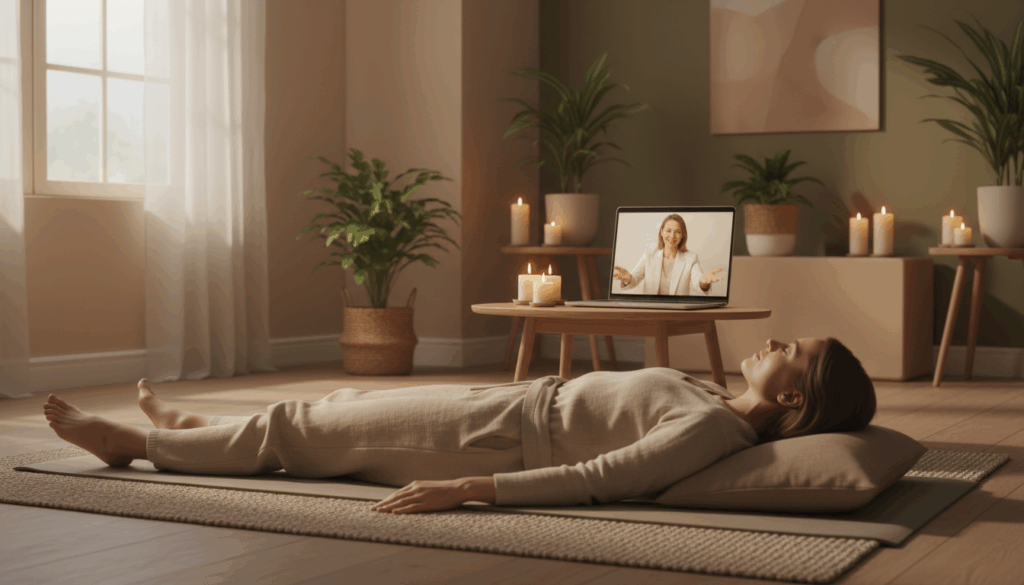
Typical remote session: a step-by-step visit
Most virtual visits begin with a short check-in and setting an intention. The practitioner guides a few minutes of breathing and asks the person to lie down or sit comfortably.
Clients keep the camera on so the healer can coach posture and breathing. Practical tips: use a blanket, silence notifications, and keep water nearby.
Common sensations and research notes
People often report warmth, tingling, deep calm, or an emotional release. Some feel heavy or very light; others notice no sensation and still feel rested.
Limited studies suggest remote sessions may reduce anxiety, stress, pain, and fatigue in some groups, but the evidence is small and not definitive.
“It’s reasonable to wonder how a distant session might help; many find benefit regardless of the mechanism.”
- Why choose remote: convenience, access to a distant healer, and the chance to relax at home afterward.
- Safety tips: pick a private space, allow decompression time, and tell your provider about any serious symptoms.
Remember: whether in person or remote, these sessions are best seen as supportive care—not a substitute for medical diagnosis or treatment. For additional context on guidance and options, see psychic intuitive readings and guidance.
What energy healing can’t do and how to use it responsibly with medical care
A clear boundary helps people use complementary approaches safely alongside medical care.
Set the limit: these modalities are supportive, not a substitute for evidence-based medicine, licensed therapy, or a clinician-guided treatment plan.
Replacing standard care can delay diagnosis or interrupt needed medicines. That risk is greatest for new, severe, or worsening symptoms, unexplained pain, or serious mental health crises.
When to call your healthcare provider
- New or worsening symptoms
- Persistent sleep problems or unexplained pain
- Panic attacks, suicidal thoughts, or sharp mood changes
Red flags to watch for
| Warning sign | Why it’s risky | What to do |
|---|---|---|
| Guaranteed cures | Unproven claims can mislead clients | Seek second opinions and check evidence |
| Pressure to stop meds | May worsen conditions | Talk with your prescribing clinician before changes |
| Costly long-term packages | May use fear to sell services | Compare options and ask for trial sessions |
“Low risk does not mean risk-free—use these supports as add-ons to medical care.”
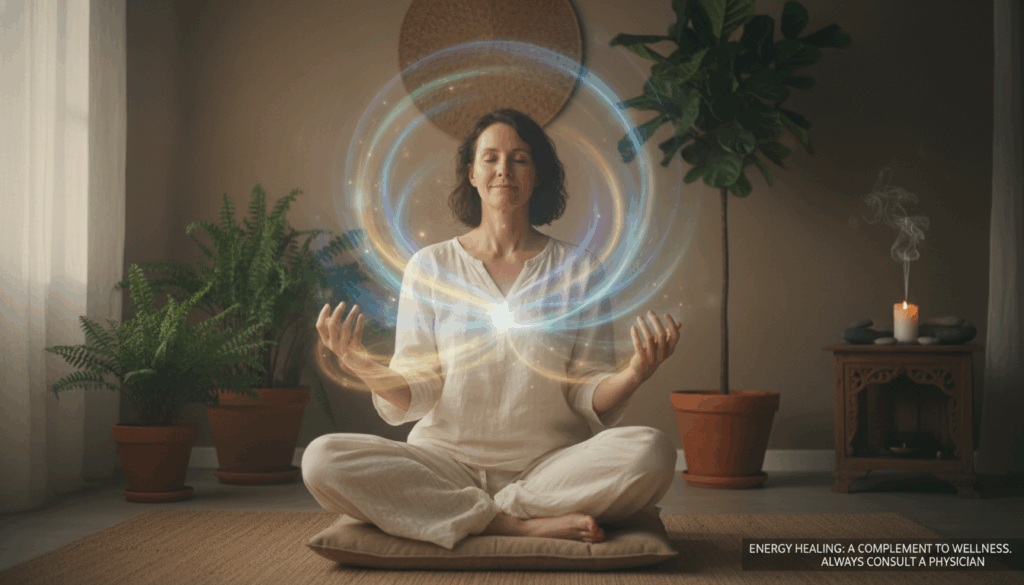
For more on appropriate use and options, see this overview on psychic energy. Next: how to pick a practitioner who respects boundaries and evidence.
How to choose an energy healer and get more out of your time and sessions
Finding the right practitioner shapes whether sessions feel helpful or not. Start with clear priorities: relaxation, sleep support, reduced pain, or emotional coping.

Credentials and fit: ask about training lineage, certifications, and scope of practice. Qualified can mean formal training, supervised hours, or clinical experience. Make sure the healer is comfortable coordinating with your medical or therapy team for safe care.
Questions to ask before booking
Before you book, ask whether the session is hands-on, typical session length, and what the first visit includes.
- How do you structure a first session?
- What should I feel or do during a session?
- Do you ever give medical advice or recommend stopping meds?
Pricing, tracking, and combining with other care
Pricing: start with one visit or a short series. Avoid high-pressure long packages and confirm what’s included.
Track outcomes: note sleep, stress, pain scores, mood, and coping after sessions so you can judge benefit over time.
| Check | Why it matters | Practical tip |
|---|---|---|
| Training | Shows skill and consistency | Request lineage or certificates |
| Boundaries | Prevents unsafe advice | Confirm consent for touch and no medical prescribing |
| Pricing | Impacts accessibility | Try single sessions before packages |
“A clear scope and simple tracking help clients see real change over time.”
For more options and to explore gifted practitioners, visit clairvoyant spiritual readings as a starting resource.
Conclusion
Conclusion
When added to conventional treatment, certain modalities may improve day-to-day comfort and resilience. Many people report calmer sleep, reduced tension, and better coping after sessions, though results vary by person and method.
Research offers the strongest support for acupuncture and some encouraging, limited data for Reiki as symptom relief and quality-of-life supports. Use these approaches as complementary care, not as a replacement for medical advice or treatment.
Choose practitioners who are transparent about training and boundaries, avoid promises of guaranteed cures, and never stop prescribed medicines without clinician approval. If curious, try one well-reviewed session, track how you feel, and learn more about how to perform energy healing.
Reminder: persistent or worsening symptoms deserve prompt professional evaluation. Supportive practices often help daily life best when they complement evidence-based care.