

Curious whether this practice works? This piece answers that exact question with a clear, practical tone. We bring together viewpoints from practitioners, mental health professionals, and skeptical researchers so you can decide what fits your needs.
What counts as “real” in health care? It can mean a felt change, less stress, or measurable treatment for disease. We separate personal benefit from proven medical mechanisms and note what studies actually show.
This is an expert roundup. You will see where experts agree and where debate remains. We cover definitions and types, the special case of acupuncture, the so-called biofield, and the best available evidence.
Safety matters: these practices should not replace medical care for serious symptoms. While some people report better sleep and less tension, rigorous trials vary by modality. For more on modal descriptions and practitioner viewpoints, see a useful primer at psychic healing overview.
Key Takeaways
- We focus on clear evidence and common experiences.
- Some methods have more research than others, notably acupuncture.
- Personal relief can occur even when mechanisms remain unproven.
- Do not substitute these practices for urgent medical care.
- Expect a fair look at benefits, limits, and safety.
Why energy healing is everywhere right now in the United States
Across the United States, wellness menus now list practices once found only in niche circles. Social media, boutique spas, and fitness apps have normalized services that promise relaxation and shift for busy people.

- Spa-style studios and add-on services at counseling or therapy practices.
- App-based programs — for example, streaming platforms adding guided sessions.
- Remote sessions via Zoom for convenience and accessibility.
Why they resonate now. High burnout and persistent stress push many to try non-pharmaceutical tools that feel personalized and calming.
People commonly hope for better sleep, less anxiety, relief from chronic pain or tension, and a way past feeling “stuck.” Many are curious rather than convinced; they want tools that help them feel calmer and more in control.
Popularity isn’t proof. That widespread uptake sets the stage for defining what these practices claim to do and where evidence matters — see a useful primer at psychic energy healing techniques.
What “energy healing” means and how it differs from medicine
People often use a single phrase to describe several different practices that aim to restore balance and calm. In plain terms, these methods say they influence a person’s life force or energy field to support well‑being.

Delivery styles: hands-on, hands-off, and distant
Hands-on sessions involve light touch or placement of hands on the body.
Hands-off practitioners hover their hands near the body without contact.
Distant work occurs when practitioner and client are apart; the session happens remotely.
Where life force language appears
Traditional systems use terms like qi (Chinese) and prana (Sanskrit). Modern marketing often swaps those words for phrases such as biofield or subtle field.
- Contrast with medicine: conventional medicine targets known body systems and uses evidence-based interventions.
- Scope: many practitioners present sessions as supportive for stress and quality of life, not as disease cures.
- Why definitions matter: clear terms help people evaluate claims, compare methods, and read research responsibly.
Common types of energy healing people try
Popular wellness menus and clinics share several repeat methods that people try for stress, sleep, or pain. Below is a quick, user‑friendly map of what Americans most often encounter and what each practice typically involves.

Reiki
Reiki sessions usually involve light placement of the hands or hovering above the body. Practitioners say they channel healing energy to support balance and calm during the session.
Therapeutic Touch / Healing Touch
These non‑contact approaches begin with centering and then “scan” the space above the body to clear perceived blockages. Many clients report feeling relaxed after a session.
Qigong
Qigong mixes breath with gentle movement to balance qi. People use it as a self‑care routine for stress, sleep support, and pain management.
Pranic healing
Pranic work describes an aura scan and the clearing or “recharging” of pockets thought to cause symptoms. Sessions avoid physical contact and focus on perceived field changes.
Polarity Therapy
This method pairs light touch with lifestyle guidance—simple movement, yoga, and food awareness—to restore balance in daily life.
Quantum Touch
Quantum Touch targets pain with a light touch near the site, breathing patterns, and tracking shifting sensations to reduce discomfort.
Reflexology & Acupressure
Pressure to points on the hands, feet, or ears aims to ease stress and pain. Many seek these treatments for deep relaxation.
Emotional Freedom Technique (EFT)
EFT combines tapping on acupressure points with focused statements and exposure‑style attention to emotion. It often overlaps with counseling tools.
Note: Different methods make different promises; the next sections separate approaches that have stronger study support from those supported mainly by anecdote.
The special case of acupuncture and Chinese medicine
Acupuncture occupies a unique place in Western clinics and research labs, so it deserves a focused look.
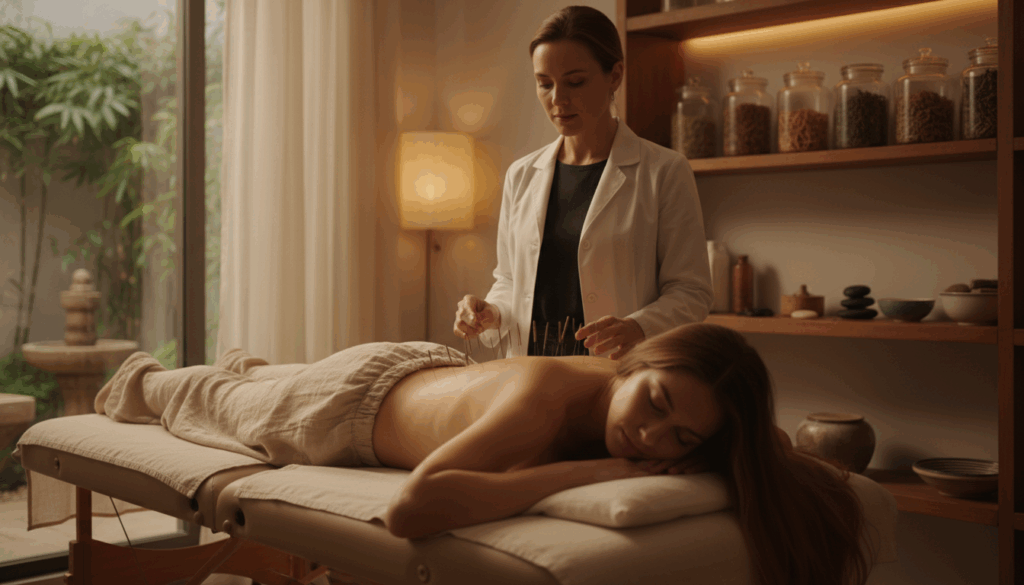
How acupuncture aims to rebalance flow at acupressure points
In traditional Chinese medicine, acupuncture uses very thin needles at specific points on the head, neck, back, or limbs.
Practitioners say this stimulates pathways to rebalance flow and reduce pain, tightness, or other symptoms.
Why acupuncture is studied more than most other approaches
Acupuncture differs from many hands-off methods because it is a physical intervention with clear steps.
That makes it easier to standardize in trials and measure outcomes like pain scores, function, or drug use.
- Widespread use and regulation: Many states license acupuncturists, so it appears in clinics and hospitals.
- Research-friendly format: Protocols, session timing, and points can be recorded for studies and trials.
- Measurable results: Researchers can track changes with validated scales and follow-up care data.
Takeaway: acupuncture is not proven for every condition, but its research base is larger than most other subtle-field treatments. For serious or worsening symptoms, consider it as part of broader medical care rather than a substitute for diagnosis or urgent treatment.
What experts mean by the “biofield” and energy medicine
Some investigators describe an invisible, massless field that they say surrounds living bodies and might link touch or intention to felt changes.

A “massless field” in simple terms
Biofield is shorthand for a proposed subtle layer around the body.
Researchers use the phrase to explain how hands-on or hands-off sessions could affect mood or tension without a known physical pathway.
NCCIH’s useful framing
Veritable approaches refer to observable forces, like light or magnetism, that labs can measure.
By contrast, putative approaches describe effects that are not detected by established instruments.
Common critiques and practical meaning
Critics note that the popular use of the word energy does not match physics definitions.
They argue that proposed mechanisms often rely on speculative models rather than robust data.
“Many reviews point to weak methods and selection bias in supportive studies.”
| Category | Characteristics | Example methods |
|---|---|---|
| Veritable | Measurable forces; lab tests possible | Magnetic therapy, light therapy |
| Putative | Undetectable with current instruments | Reiki, therapeutic touch, distant work |
| Evidence focus | Study design and replication matter | Pain trials, relaxation outcomes, sleep reports |
For readers, that means mechanism claims may be speculative even if sessions feel soothing.
If you want a clear primer on practice and technique, see an accessible guide on energy manipulation as part of your decision process.
is energy healing real? An expert roundup on what’s plausible vs proven
Experts divide claims into three views so readers can weigh what feels plausible versus what proven trials support. Below are short perspectives to help sort practitioner claims, therapy uses, and skeptical reviews.

Practitioner perspective: restoring balance and supporting mind-body calm
Many healers describe sessions as ways to restore balance, ease tension, and help the body return to homeostasis. Sessions aim to create safety and teach simple self-regulation skills.
Mental health perspective: when it complements talk therapy
Clinicians note clients sometimes feel stuck despite insight from therapy. Hands-on or nonverbal work can focus attention on sensations and feelings, which may unlock change.
Skeptical research perspective: biological implausibility and inconsistent results
Systematic review authors point to weak methods and mixed results. Most reviews find no convincing evidence for a unique mechanism beyond relaxation, expectation, and care factors.
- Common ground: some people report benefit, but that differs from proving a specific system.
- Safety note: credible healers encourage collaboration with medical and mental health care, not replacement.
What the research actually says about evidence, studies, and trials
Clinical work and trials give the clearest window into what these practices can and cannot deliver.
Where trials suggest possible benefits: acupuncture and reiki have more clinical trials than many other approaches. Some trials report reduced pain and improved function after acupuncture. Limited trials and small trials of reiki note lower stress, anxiety, and mood gains versus control groups.
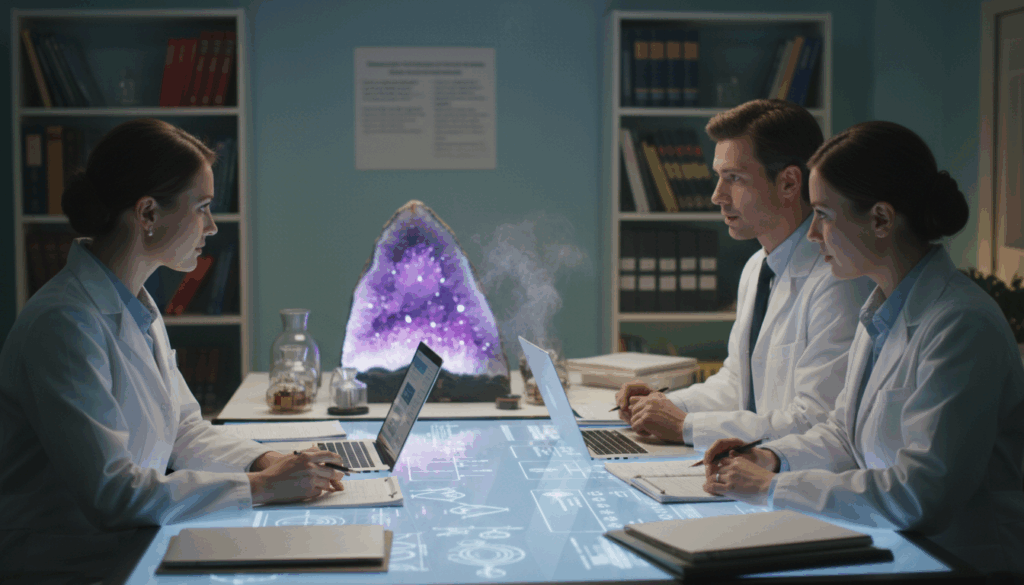
Reiki and mental health outcomes
A Frontiers in Psychology review found a few studies where reiki outperformed placebo for stress, anxiety, depression, and burnout. Results are modest and study quality varies.
Remote Reiki findings
Small observational work with healthcare workers reported better sleep and reduced anxiety, stress, and pain after short remote sessions. These findings are encouraging but not definitive.
Systematic reviews on distant or spiritual approaches
Reviews are mixed. Many note small sample sizes, inconsistent protocols, and blinding challenges that limit confidence in results.
Why positive results can be hard to trust
- Bias and publication effects: small positive studies are more likely to appear in journals.
- Weak controls: lack of credible placebo or sham comparisons inflates apparent benefit.
- Design issues: poor randomization, unregistered outcomes, and short follow-up weaken conclusions.
“Good evidence relies on controlled trials, credible comparison groups, and outcomes that matter to patients.”
Practical takeaway: trials and reviews suggest these methods may help with relaxation and symptom relief more often than treat disease. For a concise primer on practice and options, see a focused guide at psychic energy overview.
If it helps some people, how might it work without “mystical proof”?

Simple psychological and physiological processes can explain many positive reports. Expectation and context create a strong placebo effect that changes pain, sleep, and mood.
Placebo and expectation as symptom modulators
Placebo does not mean fake. Belief, ritual, and a caring setting activate brain pathways that alter symptom perception.
Relaxation response and parasympathetic shifts
Calm touch, slow breathing, and quiet space can trigger a shift toward “rest and digest.”
This process lowers heart rate and can show small heart rate variability changes in some studies, which may help explain short-term relief.
Attention to sensations and emotion processing
Directing focus to the body—tight throat, heavy eyelids, or tension—lets people process feelings without long talk therapy sessions.
That focused awareness offers another way into self-regulation and balance, complementing formal therapy for some clients.
“Whether or not a biofield is proven, structured sessions can be a useful process for downshifting and reflection.”
Takeaway: These mechanisms may explain reported benefits but do not prove energy transfer or guarantee outcomes for every person. For more on related practice and claims, see a useful primer on psychic superpowers.
Potential benefits, limits, and risks you should know before trying energy healing
Before booking a session, understand what benefits people commonly report and what risks matter most. Small, noninvasive sessions often serve as short-term tools for calm and rest.

Reported benefits
Relaxation, lower stress, better sleep, and improved quality of life rank highest among reports. Some people also note milder symptoms and brief relief from pain.
What it will not do
For most modalities, evidence does not support claims that these approaches cure disease or replace standard treatment for serious conditions.
Biggest safety concern
The main risk involves delaying diagnosis or evidence-based care, especially for cancer or rapidly worsening symptoms. Discuss any complementary plan with your medical team.
| Possible benefit | How likely | Practical caveat |
|---|---|---|
| Relaxation and stress relief | Common | Often short lived; depends on setting |
| Improved sleep | Moderate | Helps some people, not a guaranteed treatment |
| Symptom or pain relief | Variable | Supportive role; seek medical follow-up for persistent issues |
| Hope and emotional comfort | Common | Watch for financial or pressure tactics |
Bottom line: these sessions may add value for well-being and complement care. Do not substitute them for medical treatment when serious conditions arise.
How to try energy healing responsibly (and spot red flags)
Treat a new modality like any other service: ask questions, verify credentials, and set limits.

Evaluate claims vs. promises
Support for well-being is very different from a claim to cure cancer or replace medicine.
Look for modest promises such as better sleep, less stress, or short-term pain relief. Beware of absolute guarantees.
Questions to ask before booking
- What training does the healer have and how long have they practiced?
- What will a session include and what outcomes are realistic?
- Will the healer coordinate with your doctor or mental health provider?
Cost, frequency, and expected results
Typical sessions vary widely. Ask about single-visit pricing, package costs, and a suggested schedule.
Track concrete measures — sleep hours, pain scores, or mood ratings — so you can judge results.
Red flags and when to stop
- Miracle marketing, pressure to stop prescribed medicine, or claims that lack evidence.
- Anyone who blames illness on low belief or demands large upfront payments.
- Worsening symptoms or advice to skip standard medical treatment — leave and seek care.
“If a provider promises cures for cancer or tells you to stop care, walk away.”
| Concern | What to ask | Safe response |
|---|---|---|
| Credentials | Training, certification, years of work | Clear answers and willingness to share references |
| Scope | Can they diagnose or change meds? | They should not; they should recommend medical consultation |
| Costs | Price per session and refund policy | Transparent rates and no pressure for packages |
| Claims | What outcomes are likely? | Modest, testable goals — not cures for cancer |
For a quick primer on session types and what to expect, see a guide to clairvoyant and spiritual options at clairvoyant spiritual readings.
Conclusion
A gentle and practical wrap-up helps you weigh personal comfort against scientific proof.
Bottom line: many people report calm, better sleep, and less tension after sessions, yet broad reviews find the medical evidence limited. Acupuncture and Reiki have stronger study footprints than most methods, but results remain mixed and study quality varies.
Simple factors — expectation, ritual, focused attention, and the relaxation response — offer plausible ways these sessions change how people feel without invoking mystery.
Practical advice: use these tools to support balance, not to replace medical care. Choose providers who make modest claims and work with your doctor. For a step-by-step guide on how to try energy healing, see how to try energy healing.