
Ingo Swann was a central figure during the government-funded Star Gate program that tested remote viewing. His work helped shape early protocols and set standards that others would follow.
This introduction outlines the legacy of ingo swann in modern parapsychology research and traces how those early trials continue to matter today. We focus on protocols, key findings, and why scholars still cite his methods.
Readers will gain a concise view of historical context and practical impact. For a deeper look at psychic testing and related topics, see this short guide on psychic powers and methods.
Key Takeaways
- Swann played a defining role within the Star Gate program and early viewing trials.
- His protocols became templates for later studies on remote viewing.
- Scholars still reference his methods when debating methodology and results.
- Understanding that past work helps clarify current debates about human perception.
- This guide connects historical notes to ongoing scientific inquiry.
The Life and Work of Ingo Swann
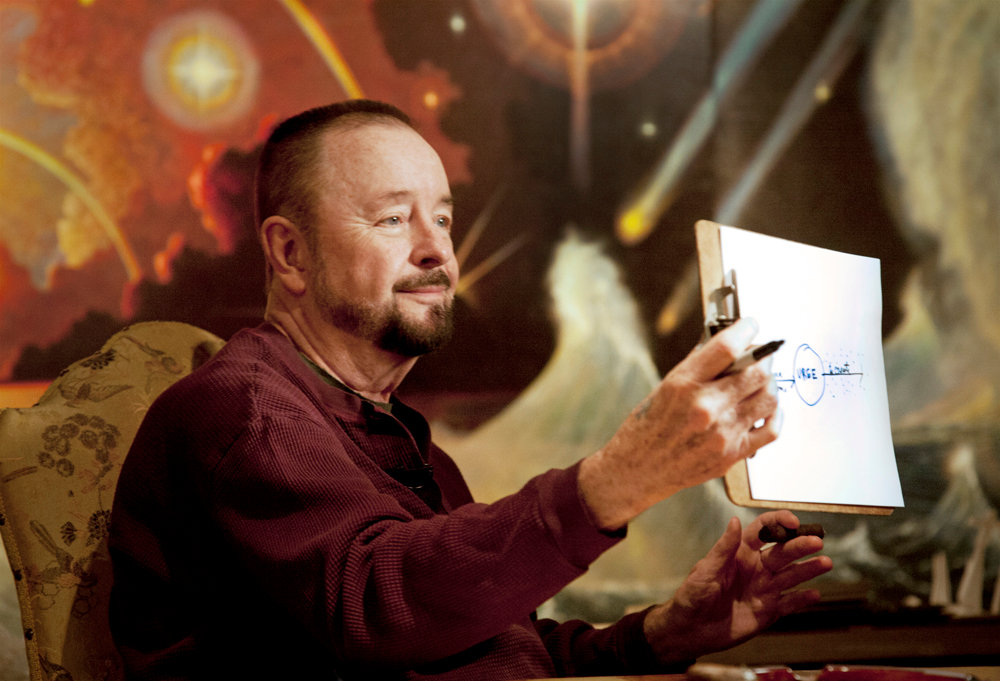
From canvas to controlled trials, ingo swann navigated both creative and scientific worlds. Born in 1933, he was a talented artist whose images often reflected deep cosmological themes.
Artistic Background
His art informed his method. Swann’s visual training sharpened how he described remote targets during viewing sessions.
Intellectual Contributions
The extensive papers are now at the University West Georgia special collections, where scholars can study original notes, books, and manuscripts.
“one of the most intelligent and articulate psychics,” — Colin Wilson, introduction to a book.
Before he moved to new york city, Swann framed a unique approach that bridged aesthetic insight and systematic testing. Carrollton visitors to the university west campus can examine these materials and better understand his multifaceted work. Additional holdings in york city further document his public career and archive-level impact.
Early Involvement in Parapsychology Research
Swann’s formal entry into controlled psychic testing began in 1969, when he started working with laboratory teams that wanted clear, repeatable data.
He teamed with Hal Puthoff at the Stanford Research Institute, where early experiments aimed to test viewing under strict conditions.
Those sessions helped shape protocol and gave practical shape to what people now call remote viewing.
The records held at University West in West Georgia document the techniques and the long hours he spent refining methods.
At the same time, his activity in New York linked older psychical research with lab-based study and clearer data collection.
These early experiments sought empirical support, even as many scientists in the United States remained skeptical.
“The early work at the Stanford research institute created a testing frame that others could evaluate.”
For a focused look at later protocols and applied sessions, see the remote viewing studies that trace this evolution.
The Legacy of Ingo Swann in Modern Parapsychology Research
Across decades, his work remained a central subject for scholars who study remote viewing and human potential.
In an unpublished book, he wrote about the time he spent navigating public controversy. He knew being labeled a kooky subject was part of the cross he had to bear.
“being considered kooky is a cross that those identified with psychic research must bear in the United States.”
Researchers at University West on West Georgia still analyze his experiments. Their work shows how early sessions helped shape later standards.
Over the years, remote viewing moved toward clearer protocols. He helped bridge informal trials and more structured methods that the field uses today.
Readers who want a related perspective on unusual abilities can read a short primer about what are PK abilities.
Contributions to the Star Gate Program
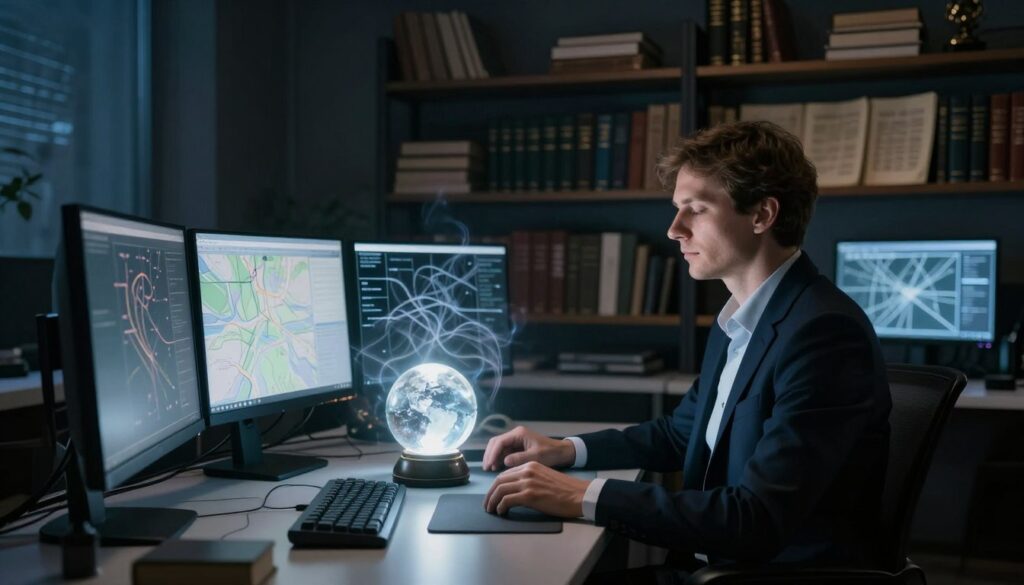
Swann’s participation with the Star Gate project bridged private skill and formal testing. Military teams sought methods that could deliver usable intelligence under strict conditions.
Military Applications
The Star Gate program utilized ingo swann to test whether remote viewing could assist operations. Teams at the stanford research institute worked with him and hal puthoff to gather controlled data.
Those experiments ran under tight protocols to meet military standards. Analysts checked for repeatability, clarity, and timing so findings could inform action plans.
- The program explored practical uses for target location and surveillance.
- Records at university west include documents that hint at classified-adjacent work.
- Swann’s efforts at the research institute helped shape viewing procedures later used by agencies.
Beyond the lab, material from new york sessions expanded how practitioners thought about applying psychic methods. Reviewing the historic files at stanford research offers clearer insight into the scope of his government work.
Exploring Remote Viewing and Psychic Phenomena
Many accounts from sessions and notebooks show how viewing and psi events can feel like a steady current of linked impressions.
Clairvoyance
Clairvoyant impressions often arrived as clear visual fragments during sessions. In his book, an author noted these images could come with little warning.
Precognition
Some experiments at the stanford research institute recorded descriptions that seemed to precede events. Those reports helped shape how the team timed and logged each experiment.
Intuition
Swann stressed that attention and practice strengthen intuitive skill. He wrote a chapter about training the mind to notice subtle cues over years.
“We are swimming in a sea of physical and psychic linkages,” he observed, urging focused practice and clear recording.
| Phenomenon | Typical Signal | State Often Seen |
|---|---|---|
| Clairvoyance | Visual fragments | Quiet, alert focus |
| Precognition | Future hints | Passive, dream-like |
| Intuition | Subtle knowing | Trained attention |
Summary: The body of work from those years tied personal experiences to controlled trials. That link gave parapsychology clearer ways to test and report these complex phenomena.
The Role of Geomagnetic Fields in Psychic Research
Swann explored whether subtle shifts in Earth’s magnetic field might change how people experience psi during viewing sessions. He reported that certain cycles seemed to line up with stronger impressions and clearer descriptions.
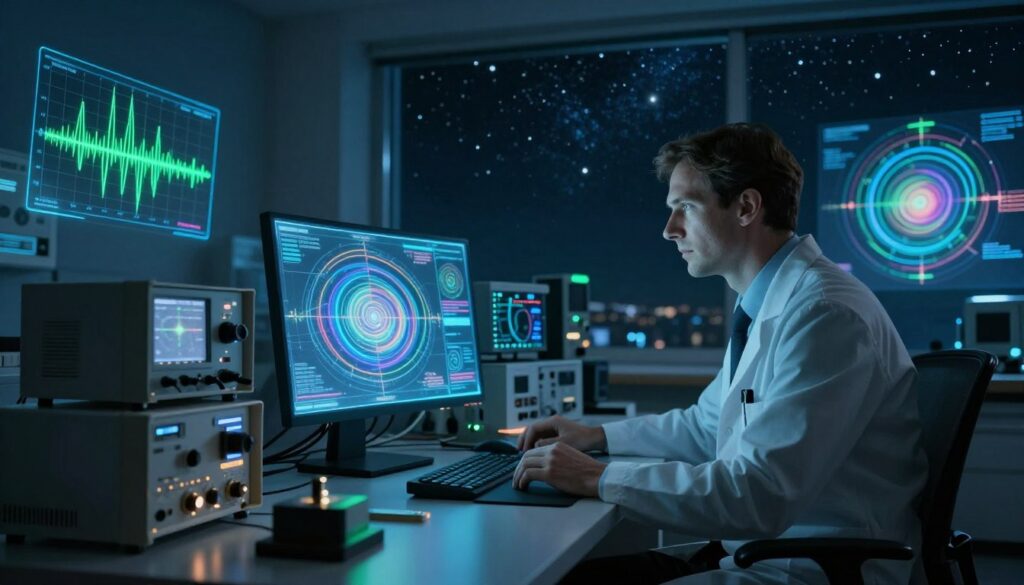
Early experiments collected data that tried to match magnetic fluctuations to success rates in remote viewing. Those numbers offered fresh leads for later work by Michael Persinger and others.
He argued the body can act like a receiver, much as a dream state registers faint external signals. This idea pushed teams to pay closer attention to environmental variables during controlled trials.
“Accounting for physical variables is essential if the field is to gain scientific credibility.”
The book chapters describing these attempts inspired further experiments and shaped how scholars logged environmental events. Modern teams still test whether geomagnetic activity alters the quality of viewing sessions.
For a short primer on related topics, see extra-sensory perception.
Scholarly Perspectives on Swann and His Peers
Academic reaction to his work split sharply between enthusiasts and skeptics. Some scholars praise his protocols and cite them in studies on remote viewing. Others question whether the data meet strict standards for repeatable research.
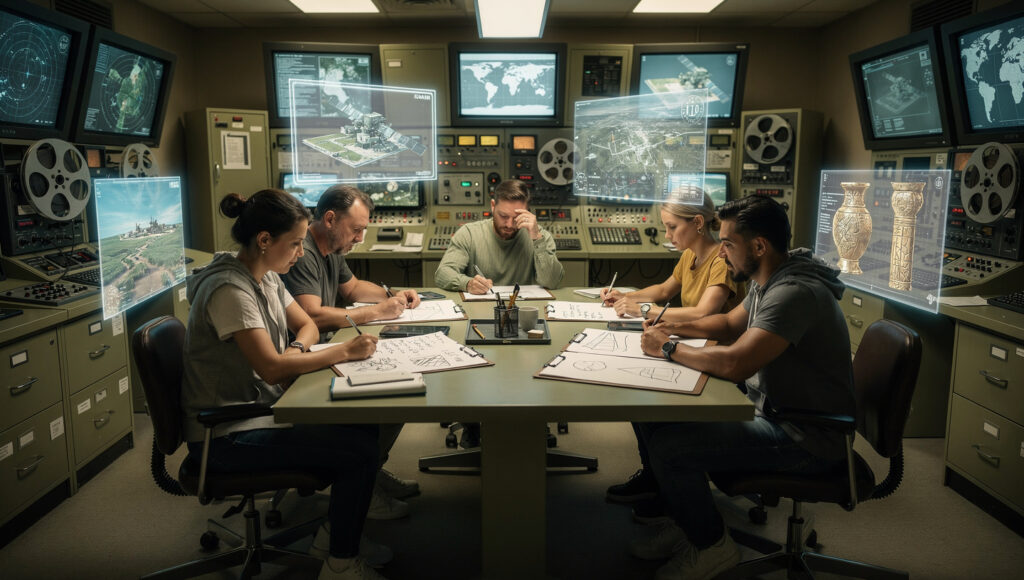
The Society for Psychical Research published books and papers that debated his claims. One chapter in his book even critiqued D.J. West’s 1957 study on Lourdes healings. That critique shows how heated these exchanges could be.
Debates often focus on examples like psychokinesis and remote viewing. Critics argue the experiments lack control. Defenders point to careful logs and consistent patterns in the data.
- Supporters: call his methods influential and worth study.
- Skeptics: demand clearer controls and independent replication.
Reading the body of literature from the society psychical helps map these views. The tension between empirical evidence and skeptical interpretation highlights the wider challenge of studying psi phenomena. For a nearer look at related claims, see a short guide to clairvoyant abilities.
Archival Preservation at the University of West Georgia
The Ingram Library now houses a comprehensive archive that preserves decades of notebooks, drafts, and correspondence connected to historic viewing work.
Special Collections Access
The university west georgia special collections provide a secure environment for the preservation of these papers.
Staff at the west georgia repository catalog every item. This allows scholars to follow a clear record of sessions, notes, and published books.
Public access is available to researchers who visit the Ingram Library on the university west campus. Catalog entries make it simple to request materials for study.
- The collection includes private notebooks and session logs alongside published works.
- Archival care helps preserve the integrity of decades of experimental documentation.
- Institutional support ensures long-term access for academic inquiry and teaching.
We encourage students and scholars to consult these holdings and to consider related training such as a short guide on psychic development for beginners when preparing to review primary materials.
Analyzing the Hodgepodge of Psychic Literacy
Psychic Literacy, held in the university west georgia special collections, reads like a patchwork of field notes and short essays.
The author assembles a wide body of cases linked to remote viewing. Dean Radin wrote the afterword, which adds scholarly context.
Many brief papers and draft chapters explore how to categorize varied cases. Some sections push the limits of accepted methods in the field.
The archive material later archived in new york city and york city shows the struggle to fit this information into standard scientific frames.
The society psychical research cites this book as useful for scholars tracing complex case histories.
- Short case summaries invite careful reading and methodical note-taking.
- The chapter layout reveals an attempt to group similar viewing patterns.
- Archived material calls for renewed study and focused attention.
“A messy, honest record that rewards careful review.”
Navigating the Controversies of the Field
Careful study of cases reveals why critics demand clearer proof. Many experiments lacked repeatability, which fuels debate in the society psychical research community.
Supporters note that a large body of data collected over the years warrants further study. Critics counter that results must survive independent replication.
Swann and other researchers tried to address these gaps by standardizing protocols and logging every session. Those attempts helped shape how future viewing studies were designed.
“The number and detail of documented events matter when evaluating claims.”
Below is a brief comparison of key debate points and how they affect the field today.
| Issue | Supporters’ View | Skeptics’ View |
|---|---|---|
| Repeatability | Patterns appear across cases | Results vary by experiment |
| Protocol | Standardized viewing aided clarity | Controls still need tightening |
| Phenomena | Psi and dream-based experiences noted | Lack of accepted theory |
Reconciling empirical findings with theory remains the key task. The field moves forward when clear methods and honest data guide future attempts.
Conclusion
Final reflections tie archival traces to the practical steps scholars can take today. The university west georgia holdings preserve notebooks, drafts, and a key book that map decades of work.
Those books and manuscripts live at the university west special collections on the west georgia campus. Visitors and students can request items and study original materials up close.
Researchers gain clear information about methods, sessions, and the arc of viewing practice. The campus archive remains a vital hub for anyone who wants direct access to primary documents.
We hope this guide helps you find the right materials and next steps for study.