

Michel de Nostredame earned a place in history as an apothecary, physician, astrologer, and writer. This opening answers the query “who was nostradamus and why was he famous” by naming his roles and noting his best-known work, Les Prophéties, a set of 942 quatrains published in 1555.
His early life began in Saint-Rémy-de-Provence in 1503. He rose to fame after almanacs won broad readership and patrons such as Catherine de’ Medici boosted his reputation. Reports from Salon-de-Provence mark his death in 1566.
People link those quatrains to major world events because the verses are brief and often vague. That style helped prophecies and predictions stay in public conversation. This piece will trace key moments from study and practice to later debate, showing how the name endures today while scholars weigh the evidence.
Key Takeaways
- Full name: Michel de Nostredame, active in 16th-century France.
- Worked as apothecary, physician, astrologer, and author.
- Gained fame through almanacs and elite patrons.
- Les Prophéties shaped a lasting popular reputation.
- Quatrain style allows many interpretations of events.
- Article will compare popular claims with historical records.
Early Life and Family Origins in Provence
In the early 1500s a notary’s son grew up amid Provence’s religious shifts and emerging medical practices. His family included Jaume (Jacques) de Nostredame and Reynière, and several children filled the household.
The paternal line carried a notable name. Cresquas converted to Catholicism around 1459–60 and adopted “Nostredame,” a word that tied faith to identity. That change left a mark on local history.
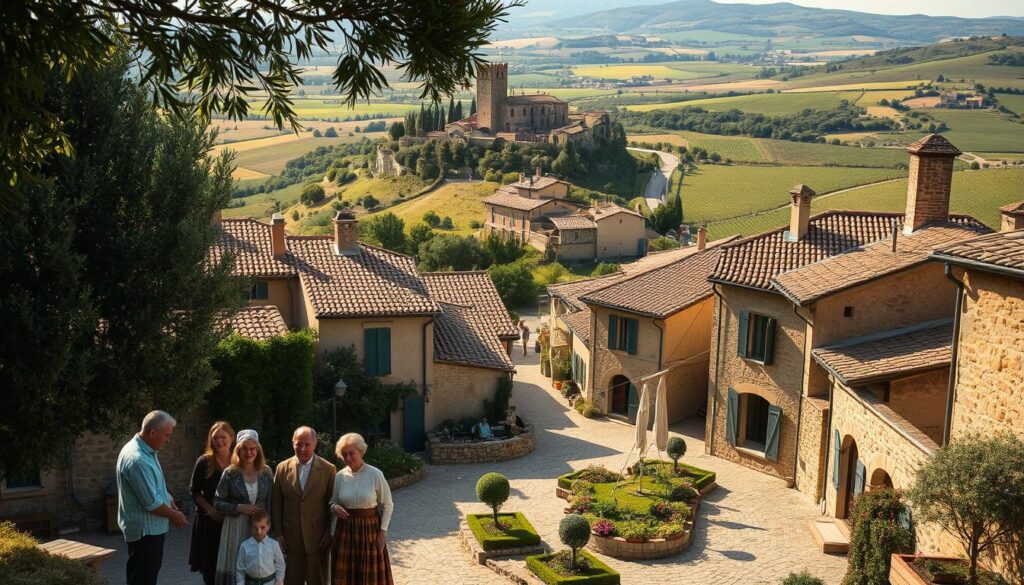
On the mother’s side, cousins and uncles practiced medicine. Those ties made the study of healing part of daily life from an early age. A long-standing tradition claims tutoring by Jean de St. Rémy, though records end in 1504, so scholars treat that story with care.
| Family Member | Role | Influence |
|---|---|---|
| Jaume (Jacques) | Notary | Legal standing, local ties |
| Cresquas | Ancestor (converted) | New surname, faith shift |
| Maternal kin | Physicians | Medical training, apothecary interest |
Being one among several children shaped social roles and opportunities in those years. Early contact with herbs and remedies nudged a path toward apothecary and physician work. The constant threat of plague in southern France would push this young learner toward formal study and practical service.
For related ideas about healing, folk practice, and unusual skills, see supernatural abilities.
Education, Apothecary Work, and the Plague Years
At fourteen, study at the University of Avignon introduced the classical trivium before a plague closure forced an early shift from classroom to fieldwork.
Student years at Avignon and Montpellier
That brief university time gave grounding in language and logic. After the Avignon shutdown, lengthy travel followed as curiosity drove herbal research.
In 1529, entry to Montpellier aimed at a medical doctorate. A formal expulsion appears in Register S 2 folio 87 because university statutes barred those who practiced manual trades.
Fighting the plague: remedies and hygiene
Years spent as an apothecary honed practical skills. Notable among remedies were rose pills, credited with warding off the plague by contemporaries who valued cleanliness and fresh air.
Emphasis on handwashing, airing rooms, and simple topical treatments drew on medical tradition and made a real difference during outbreaks in Marseille, Salon-de-Provence, and Aix-en-Provence.
| Year | Record | Outcome |
|---|---|---|
| 1520s | Avignon studies | Interrupted by plague |
| 1529 | Montpellier expulsion (Register S 2 folio 87) | Return to hands-on practice |
| following years | Plague response | Built reputation as a working physician |
Medical training then mixed Galenic methods with astrology, shaping diagnosis even as practical apothecary techniques ruled daily practice.
These years of travel, trial, and documented events form the key fact that led to later writing and calendar work. For related context on unusual skills and timing, see psychic superpowers.
Marriage, Children, and Personal Loss
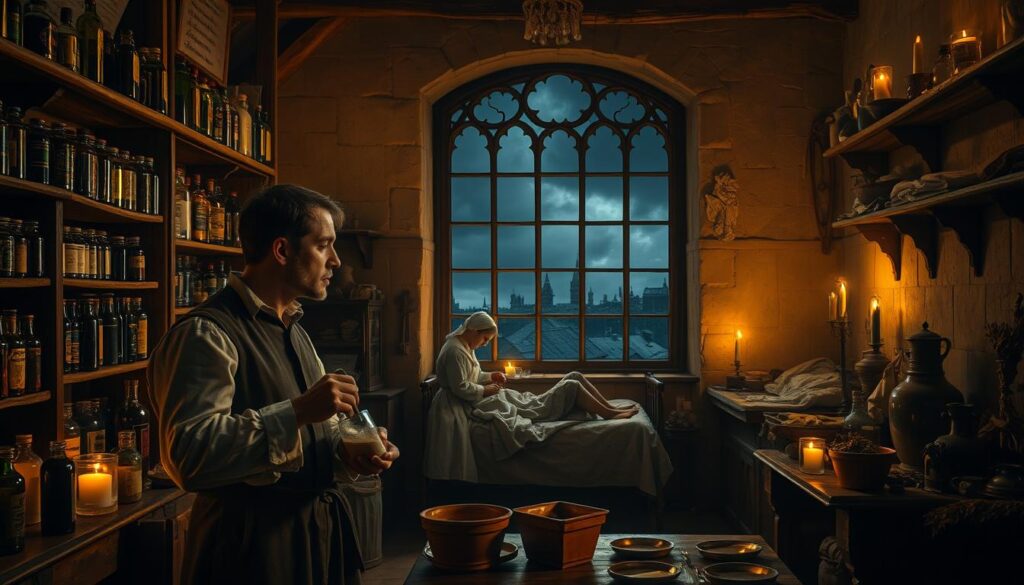
A brief marriage in Agen ended in devastating loss during a plague outbreak. Married around 1531, he had two young children before illness claimed his wife and both infants in 1534. That early death marked a turning point in private life.
Despite grief, medical work continued. He treated victims, kept detailed notes, and leaned on a wider family network for support. Those years deepened a practical trust in remedies and in facing mortality up close.
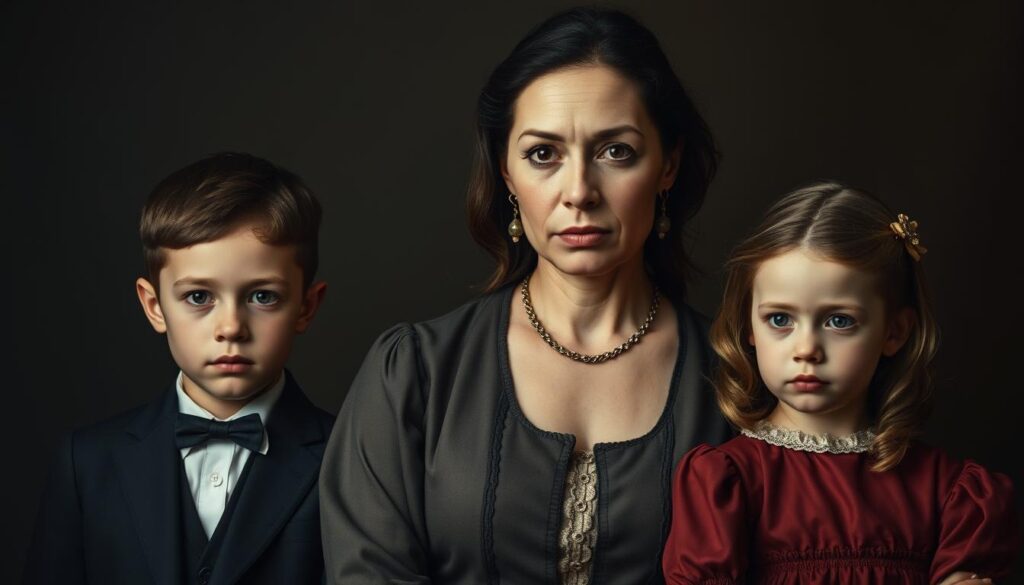
In 1547 a new household formed when he wed Anne Ponsarde in Salon-de-Provence. Together they raised six children — three daughters and three sons — and found more steady domestic footing.
With Anne he invested in local projects, including the Canal de Craponne (1556–1567). That civic engagement shows a man balancing fatherhood, public duty, and professional life within a growing family.
Repeated encounters with the plague and loss likely shaped later reflection and writing. Personal sorrow and practical care for the sick helped move focus from only healing bodies to considering fate and public reputation.
From Physician to Astrologer: Building a Reputation
Travel and study in Italy nudged a change: practical healing gave way to celestial timing and printed forecasts. In 1550 a first almanac appeared under a Latinized name, which helped the printed pages travel further than local practice.
Almanacs and yearly predictions that expanded his audience
The almanacs mixed calendar notes, weather hints, and short forecasts that readers found useful each year. Success turned a single pamphlet into regular annual editions and drew more people seeking horoscopes and advice.

Court connections: Catherine de’ Medici, Charles IX, and elite patrons
Printed popularity led to wealthy patrons. Catherine de’ Medici summoned this figure to Paris after the 1555 almanac. Later appointment as Counselor and Physician-in-Ordinary to Charles IX formalized a rise from local apothecary and physician into the court circle.
He relied often on clients’ birth charts, though self-calculations sometimes contained errors. That nuance did little to slow public interest. The momentum from yearly almanacs set the stage for les prophéties, a work that shifted focus from yearly timing to broader, long-term themes.
For readers curious about readings and forecasts, consider a short referral to psychic readings.
Les Prophéties and the Quatrains That Made Him World-Famous
A printed book gathered hundreds of enigmatic quatrains that readers later tried to map onto real events. Les Prophéties (1555) arranged most verses into nine groups of one hundred, plus a final set of forty-two.
The writing style uses a Virgilianized syntax and a mix of French, Latin, Greek, Italian, and Provençal. That blend, with deliberate wordplay and no dates, makes translation and interpretation difficult.

How the book was made
Printers produced differing editions. Spelling and punctuation changed between runs. Those variations complicate close reading and line-by-line analysis.
- Sources include classical historians, Mirabilis Liber, and astrological texts.
- Many lines echo known books rather than private revelations.
- In prefaces he rejected the simple title of “prophet” while offering predictions as literary modes.
| Feature | Detail | Effect |
|---|---|---|
| Format | Quatrains grouped in “Centuries” | Count-based structure, not calendar years |
| Language | Multiple tongues blended | Hinders literal translation |
| Sources | Classics, Mirabilis, astrology | Grounds material in known texts |
| Reception | Posthumous linking to events | Vagueness fuels debate |
The work grew from earlier almanacs into a broader, centuries-focused project. That shape made the prophecies a lasting cultural puzzle.
Accusations, Heresy, and Imprisonment: Controversy in His Time
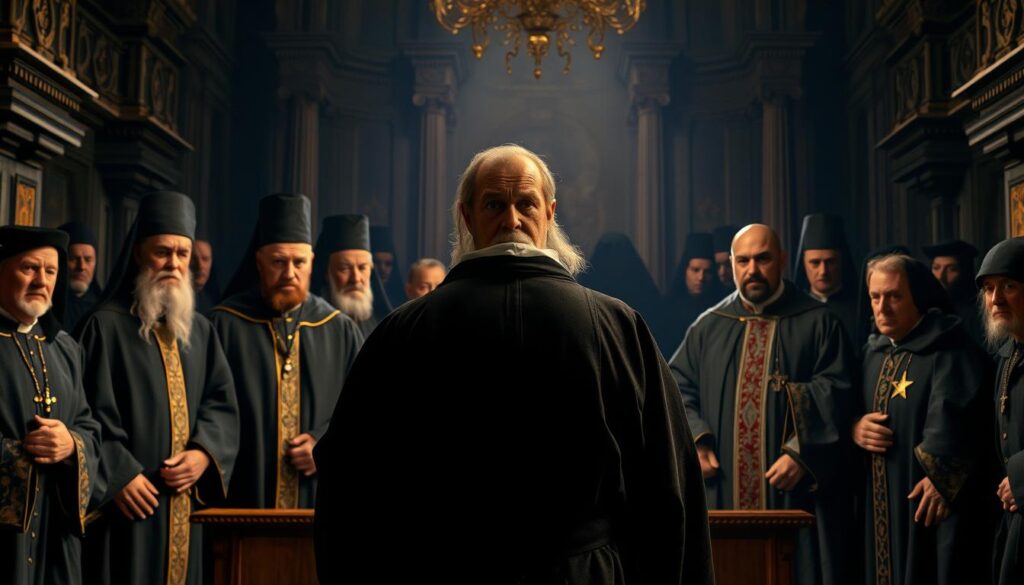
An early run-in with church officials in 1538 brought an accusation of heresy after a sharp criticism of a local statue in Agen. Inquisitors examined testimony but ultimately acquitted the accused. That episode showed how religious bodies could quickly focus on a single contentious claim.
Decades later, a royal licensing rule created a different problem. In late 1561 a brief detention at Marignane followed publication of a 1562 almanac without a bishop’s prior permission. The court system enforced printing rules, and a single printed word could become legal evidence. Printers and authors often found that publishing was a risky part of public life.
At time of sharp religious change, astrology and prophecy sat near a gray line. Acceptable forecasting differed from magic linked to forbidden rites. That conflict shaped how people judged intention, method, and risk. Supporters defended practical forecasts; detractors feared unorthodox practice.
These legal tests fit a wider pattern in history where printers, readers, and officials probed limits. Despite official challenges, public reputation proved resilient.
Notable Nostradamus Prophecies and Famous Events Linked to Them
A mix of vivid images and vague dates helped verses attract links to major moments in history.
Henry II’s tournament and a tragic death
One quatrain about a “young lion” has long been tied to the 1559 tourney where a splintered lance pierced a king‘s eye. That incident gave early weight to later predictions.
Parliament, a monarch, and the Great Fire of London
Another line mentioning a Senate and a London ruler was read as foreshadowing Charles I’s execution. Interpreters also pointed to wording about “fireballs in thrice twenty and six” when linking a verse to the 1666 Great Fire of London.

From Napoleon to Hitler: retroactive readings
Over later centuries, readers matched short quatrains to the rise of Napoleon and Hitler. Such fits often come after events, when verses seem to map onto the world‘s turbulence.
Propaganda also shaped interpretation. Joseph Goebbels used select lines to boost morale and justify actions during wartime. Patterns of plague, war, and disaster in the work give interpreters many options.
| Case | Linked Event | Interpretive Issue |
|---|---|---|
| “Young lion” quatrain | Henry II tournament (1559) | Vague imagery matched after the fact |
| Senate/London verse | Charles I execution; Great Fire London (1666) | Date-reading and flexible translation |
| Short imperial verses | Napoleon, Hitler | Retroactive attribution; propaganda use |
These case studies show how cultural memory builds around a few striking lines. Readers select parallels, mix translation choices, and shape a legend that spans centuries. For a concise guide to symbolic reading, see best book on angel numbers.
Skeptics, Translation Debates, and the Question of Accuracy
Many experts argue that printed quirks and earlier sources shape modern readings more than clear foresight. Variant editions, archaic French, and changing punctuation make direct translation difficult.
Skeptics point out two key facts: first, quatrains often paraphrase older texts; second, the language favors openness over precision. That mix lets readers map short verses onto later events across any century.
Printing differences create a wide spread of readings. Popular books and media then retell these versions to fit major events. Selective use of lines turns poetic imagery into apparent hits.
- Why accuracy is contested: loose phrasing and multiple editions.
- Role of the astrologer: Renaissance astrology differs from modern science.
- End-of-the-world claims: famous failed timelines show limits of exact prediction.
Today the world still revisits nostradamus prophecies whenever crisis appears. For those curious about modern readings and modern predictions, this debate over translation and fact explains why accuracy claims remain contested.
Final Years, Gout, and Death in 1566
Severe joint pain gradually narrowed movement, altering both practice and writing. In later years this condition progressed into edema, so daily care and visits as a physician became harder to manage.
In late June 1566 an extensive will recorded care for his wife and children, showing family priorities and household finances at that time. The document names heirs and assigns funds to support a young son alongside daughters.
“You will find me dead by sunrise,”
the final remark reportedly made to secretary Jean de Chavigny, entered local lore. Death came on July 1 or 2, 1566, closing a public life and private story.

Burial first took place in a Franciscan chapel in Salon, with later reinterment at Collégiale Saint-Laurent as communal memory and politics shifted. Two years after his passing a 1568 omnibus book edition of the Prophecies kept the voice alive across the world.
Reflection: the end of this life mixes household detail, medical decline, and lasting publication. For more on privacy of records and related policies, see privacy policy.
Conclusion: who was nostradamus and why was he famous
strong, A single printed volume turned a practicing apothecary into a name known across Europe. He moved from local cures to life as an astrologer-author whose almanacs and les prophéties reached wide audiences.
The nostradamus prophecies book grouped short quatrains into centuries. These brief verses invited linking to major events — Henry II, a king‘s fate, and the great fire london among others. Readers then shaped many later predictions.
Scholars note sources, ambiguous language, and shifting editions. Family life, a heresy scare, and late gout humanize the story. In the end, a compelling mix of book, timing, and public appetite kept those prophecies alive for each new century.