

This section frames the phrase as a grounded mix of nervous system regulation, attention shifts, and the mind–body sensations people report during recovery.
Expect a range of normal. Some describe a soft quieting of thought. Others note tingling, warmth, or gentle pressure. Subtle shifts can sit beside more obvious sensations.
EEG studies show patterns akin to deep meditation, and research links intuition to subcortical areas such as the insula and anterior cingulate. That helps tie spiritual language to measurable changes.
This introduction previews the guide: we will map nervous system steps, list common sensations, explain how to tell calming release from anxiety, and share practices that support steady progress. If intense or frightening signs appear, seek medical help; mild shifts often mean the system is re-regulating.
Key Takeaways
- Expect varied sensations from quiet focus to tingling or warmth.
- Brain measures can mirror deep meditation and insight.
- Intuition has real neural roots and can show up as sudden clarity.
- We’ll cover nervous system cues and calming practices.
- Stress may mask progress; steady practice matters more than one moment.
- If symptoms are severe, contact a healthcare professional.
- See a short guide on related techniques at psychic energy healing techniques.
Healing energy, the brain, and your nervous system: what’s actually happening
Regulation begins with the autonomic wiring that links the brain and body. The nervous system tracks safety and threat. When it senses safety, subtle physical and mental changes can follow. These shifts are part of a slow recovery process, not a single event.
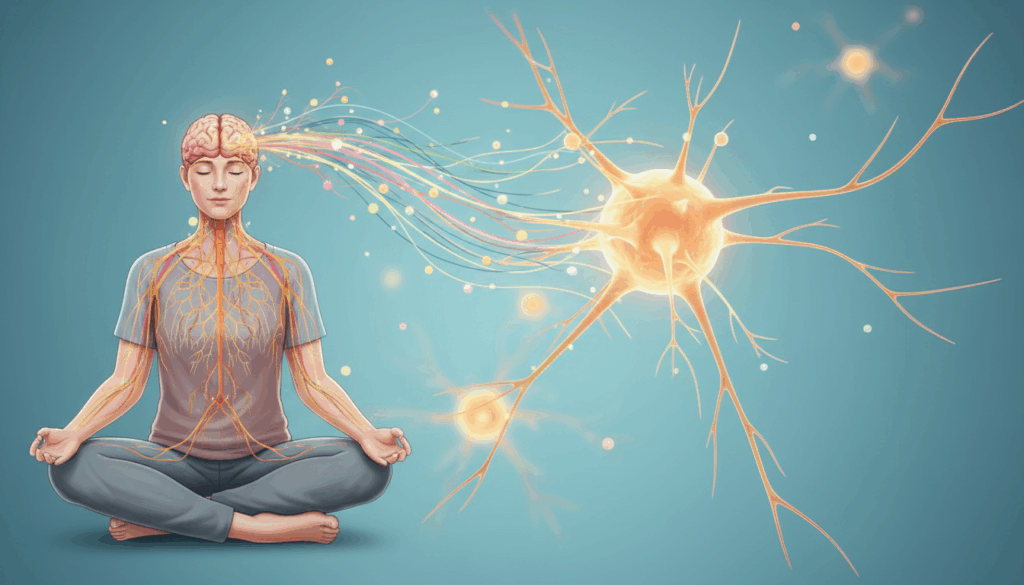
Sympathetic vs. parasympathetic: why “fight or flight” can mask calming signals
The sympathetic branch drives the classic alarm: faster heart, shallow breath, tense muscles. This protective state can bury gentle signs of recovery because the system prioritizes safety.
The parasympathetic branch supports rest and repair. When it activates, you may notice softer breathing, relaxed muscles, and clearer focus. Both branches trade places depending on perceived threat or safety.
It’s common to misread protection as a problem. If the system stays on high alert, you may feel blocked even while practicing soothing routines. That mismatch is normal and fixable.
How chronic stress, trauma, and burnout can dysregulate your system over time
Long-term triggers—chronic stress, past trauma, sleep loss, or burnout—can keep the nervous system stuck in a high-alert state.
That dysregulation shows up as insomnia, brain fog, gut trouble, headaches, and muscle tension. These real symptoms help explain why recovery takes time and patience.
Recovery is a relearning process: the system must downshift, widen its tolerance window, and rebuild capacity to return to baseline after strain.
If symptoms persist, worsen, or interfere with daily life, talk with a healthcare provider to rule out medical contributors. For more context on supportive practices, see psychic healing.
What does healing energy in brain feel like in real life?
Subtle, steady changes often mark true regulation. You may notice the mind quieting while the body releases held tension. These shifts usually arrive slowly and in stages, not as a single dramatic event.

Common sensations during recovery
- Warmth across the scalp, tingling, or a gentle pulsing sensation.
- A sense of heaviness lifting, softer jaw and shoulders, and slower breathing.
- Unclenching in the chest or stomach, spontaneous deep breaths, yawns, or tears.
Emotional shifts as balance returns
Relief often appears first. Sadness or old grief may surface and pass in waves. Irritability can ease, patience can grow, and you may feel a deeper connection with self and others.
Calming release versus anxiety symptoms
Calming release widens space, slows thought, and reduces urgency. Anxiety ramps urgency, fuels catastrophic thinking, and raises physical alarm (racing heart, tight chest, digestive upset).
Track context and duration—note triggers and what helps. If sensations tie to trauma, panic, or persistent alarm, seek professional therapy and consider exploring related techniques like energy manipulation. Finally, remember that numbness is common and steady practice can restore sensation over time.
How to harness healing energy with mind-body tools that support regulation
Easy, repeatable practices create space for regulation and steady recovery. Start small and pick one or two tools you can do daily. Consistency matters more than intensity.

Breathe with intention to cue safety
Try this step-by-step breath practice now: inhale 4 counts, hold 4, exhale 6, pause 2. Longer exhales signal the parasympathetic system and calm stress responses.
Meditation and mindfulness
Begin with 3–5 minutes. Focus on breath or a simple body sensation. Notice stray thoughts and return your attention without judgment.
Gentle movement and somatic tools
Walk, stretch, or dance to one song. Use progressive muscle relaxation or a body scan to release tension safely.
Grounding, rest, and nourishment
Use the 5-4-3-2-1 sensory trick when overwhelmed. For sleep, keep a consistent schedule, turn off screens an hour before bed, cool the room, and try journaling. Eat balanced meals with protein, healthy fats, complex carbs, magnesium-rich greens, and omega-3 sources.
| Practice | Immediate benefit | Try |
|---|---|---|
| Breath work | Calms heart rate | 4-4-6-2 cycle |
| Meditation | Reduces mental noise | 3–5 min daily |
| Movement | Discharges stress | Walk, stretch, dance |
| Somatic therapy | Releases stored tension | Body scan, PMR |
One way to start: pick a breath practice and a 3-minute meditation. Build from there based on your stress load, purpose, and care needs. Seek therapy if deeper support is needed.
Signs your nervous system is healing and how to track your progress
Small, steady shifts often show your nervous system is moving toward balance. Notice changes across daily life that add up over time. These signs are usually practical and easy to track.

Positive changes to watch for
- Falling asleep faster and fewer middle-of-night wakeups.
- Steadier mood, less reactivity, and quicker recovery after stress.
- Less jaw and neck tension, fewer headaches, and smoother digestion.
- Clearer focus, stable daytime energy, and more reliable routines.
How to track progress
Use a simple weekly rating system. Score sleep, mood, digestion, focus, and connection from 1–10.
Look for trends, not perfection. A rising average over weeks matters more than one perfect day.
Practical plan for busy seasons
Minimum effective plan: one breath practice, one short walk, and a consistent bedtime anchor. These steps protect growth without adding stress.
Set realistic boundaries: tech quiet hours, shorter late nights, and saying no to draining tasks. Build transition time between obligations to preserve balance and health.
Remember, progress in this journey takes time. Setbacks happen after travel, illness, or big stressors. They do not erase overall growth.
For guided daily routines and development ideas, see development tips.
Conclusion
Many people notice more space, steadier reactions, and gentler bodily rhythms as progress unfolds. This summary points to regulation: quieter thought, calmer breath, and a body that returns to calm after stress. Small, steady changes matter more than sudden shifts.
Healing is a process. The right sensations vary. Often the clearest signs are steadier choices and fewer spirals. Pick one or two supportive practices and repeat them with patience to train the nervous system and support the body. Reconnecting with intuition can be part of this journey toward peace, purpose, and a soul-aligned path.
If symptoms feel scary, persistent, or disruptive, it’s appropriate to talk with a doctor or a trauma-informed therapist. For guided steps you can try, see develop psychic abilities and adapt them to your care.