

A healing gathering often takes the form of a ring where people meet with a shared focus to support care for body and mind.
This guide explains how these sessions usually run, what to expect in a group meeting, core elements used by facilitators, and the benefits for mind, body, and spirit.
Many modern practices blend community support with subtle practices. People from diverse beliefs join without pressure. Some meetings feature one guide, while others bring several practitioners together; this note helps readers spot the range available across the U.S.
This topic matters now because life feels fast and isolating. Folks seek genuine connection and spaces that offer calm, meaning, and steady support beyond quick transactions. For practical next steps, see trusted psychic healing resources.
Key Takeaways
- These gatherings use a shared format to hold focus and support.
- The guide covers session flow, core elements, and benefits.
- Groups vary from single guides to multi-practitioner formats.
- They offer community, calm, and meaningful connection.
- This intro helps readers decide if a meeting fits their comfort and needs.
What Is an Energy Healing Circle and Why People Join Them
A shared gathering can become a steady refuge when life’s currents feel overwhelming. Think of this place as a calm eddy where you can pause, catch your breath, and regain perspective.
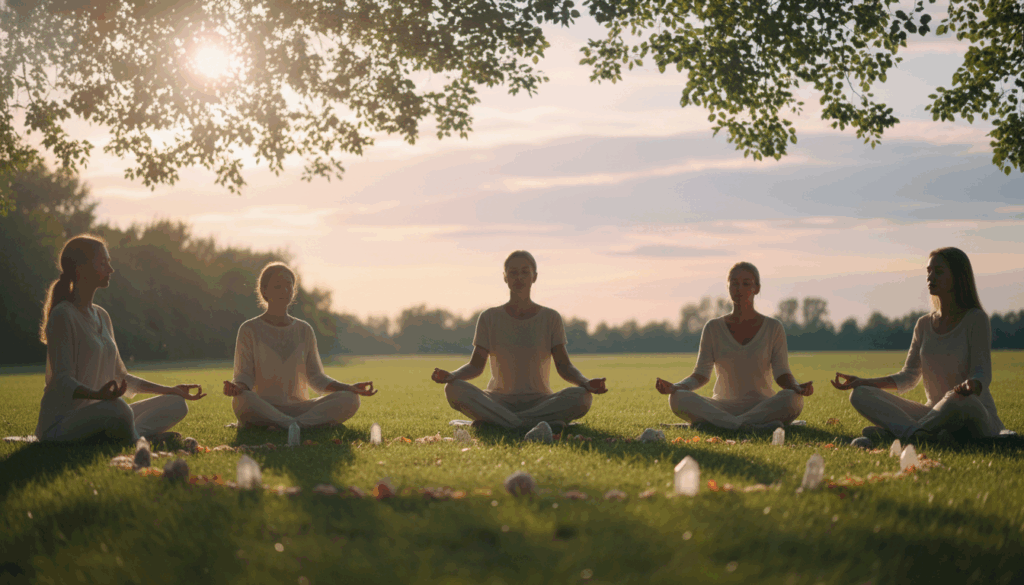
How it works: A small group sits in a ring, sets a clear intention, and offers focused attention to a single person or to the whole group. Sessions may include quiet support, spoken sharing, or explicit practices led by facilitators.
Why the shape matters: The round layout removes a head-of-the-table dynamic and highlights equality. That sense of shared presence helps people feel seen and safe.
A few common reasons people attend
- To be heard during illness, grief, or big life changes.
- To feel less alone and regain purpose.
- To tap into collective attention and calm presence that can amplify support.
Types of gatherings
Some meetings focus on emotional support and listening. Others combine that warmth with trained practitioners who bring focused power and unconditional love to help guide next steps.
| Format | Focus | Who may attend |
|---|---|---|
| Support-only | Sharing, listening, empathy | Anyone seeking community |
| Facilitated with modalities | Guided practices, practitioner support | People wanting explicit methods |
| Client-focused | One person receives group attention | Clients in crisis or transition |
For readers curious about specific methods and how group power is used in practice, see trusted resources on psychic energy healing techniques.
How a Healing Circle Works in Real Life
A typical meeting gives each person more space to tell their story and be heard fully. That shape changes the tone: time is slower, and attention is shared.

Common roles in the group
Participants act as witnesses and support. They practice presence and reflective listening rather than fixing.
Facilitator holds boundaries, keeps the session respectful, and guides the flow.
Client focus may be one person receiving concentrated attention while others offer observations or care.
What happens during a session
Typical steps include setting an opening intention, a short grounding, the person sharing, and group listening. Then reflections are offered and the session closes with integration or practical next steps.
Multi-modality approaches
In some groups, practitioners from different systems assess the same person in varied ways. For example, Ayurveda may read pulse and tongue, a Reiki practitioner scans subtle energy, a psychologist notes patterns, and a somatic healer tracks body cues.
Why this process can feel expansive
More time and multiple perspectives often yield several ways forward instead of a single prescription. Many attendees report a calm group field that brings clarity and steady support.
“People leave with options and a clearer path, not just one quick answer.”
Note: This work can complement medical care but does not replace urgent clinical treatment.
Core Elements That Create a Powerful Healing Space
Intentional design—lighting, seating, and simple rules—shapes how freely others can speak and feel. A well-run setting supports deep trust and steady presence.
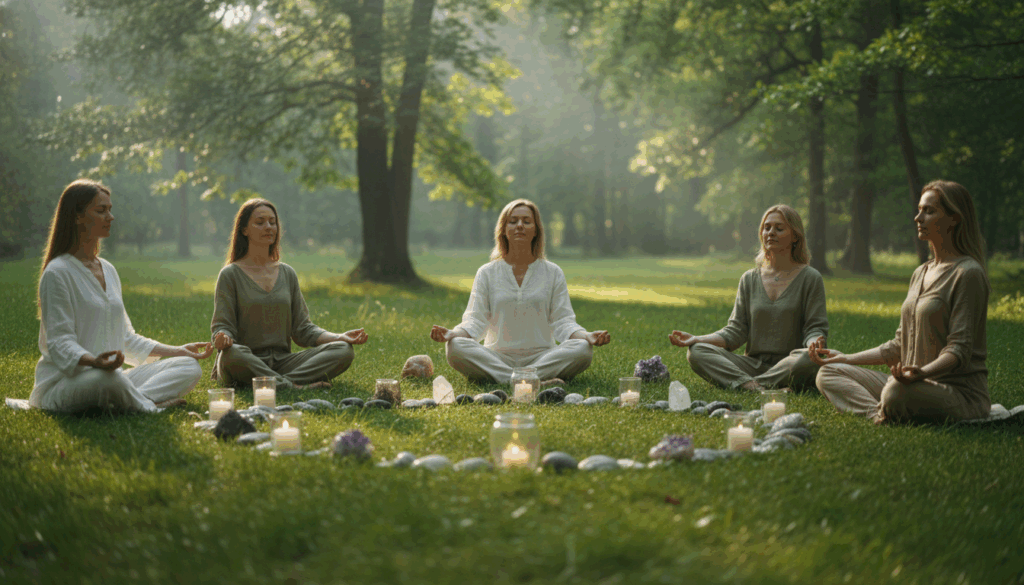
Confidentiality, respect, and trust
Confidentiality means what is shared stays inside the group. That promise helps people move toward true emotional release.
Respect shows as no interruptions, no unsolicited advice, and honoring personal boundaries.
Active, compassionate listening
Compassion in listening looks like reflecting back words, validating feelings, and allowing silence. This practice lets others feel genuinely heard without judgment.
Shared intention and inclusivity
A clear intention—grief, transition, resilience—focuses the group field and gives purpose to each meeting. Diversity of ages and backgrounds strengthens collective wisdom and deepens outcomes.
Common practices and consent
- Short guided meditation or breathwork to settle the body.
- Sound or visualization to shift attention and support release.
- Optional Reiki or simple rituals for those who choose to participate.
A good facilitator normalizes consent: people opt in or out of exercises without pressure. For beginners seeking gentle training, consider psychic development workshops.
Benefits of Healing Circles for Mind, Body, and Spirit
Joining a group often offers a steady, safe space to set down heavy thoughts and feel seen.
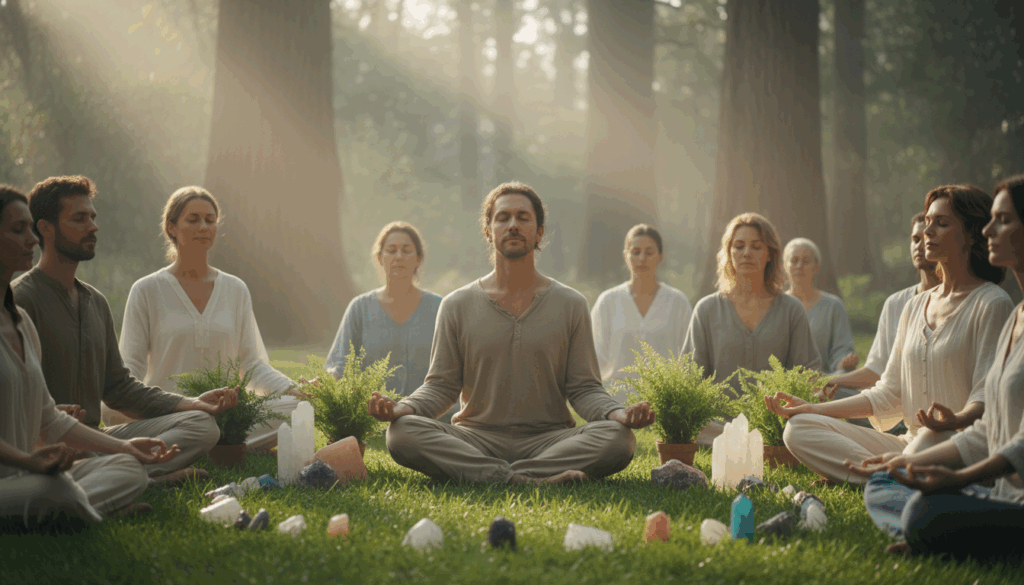
Emotional support and the freedom to release what you’ve been carrying
People find real relief by naming what weighs on them. In that trusted setting, being witnessed brings validation and calm.
Release can look like tears, sudden clarity, or simply the peace of saying a truth out loud for the first time.
Belonging and connection in a world that can feel isolating
These gatherings create a place where you don’t have to perform. That belonging reduces loneliness and restores a sense of community.
Personal growth, self-awareness, and a clearer path forward
Hearing others helps you see patterns in your own life. Many leave with practical next steps—new habits, boundaries, or resources to explore.
Renewed energy, hope, and transformation that continues beyond the circle
Participants often report feeling lighter and more energized. That shift can deepen over time as insights become actions in daily life.
Ripple effects: how healed people can strengthen the broader community
When people come together and heal, families and workplaces feel the change. More patience, presence, and compassion spread outward.
| Benefit | How it shows up | Lasting effect |
|---|---|---|
| Emotional support | Being heard, safe sharing | Reduced isolation, improved mood |
| Clarity & growth | New insights, practical steps | Behavior change, healthier boundaries |
| Community impact | Ripple compassion, steady presence | Stronger family and work relationships |
For those curious about joining a local group or building skills, consider the psychic development community as a resource for finding supportive spaces and training.
“True transformation often begins when a few people come together and hold steady attention for one another.”
Conclusion
A careful, guided meeting gives room for clarity, steady support, and mutual respect.
, In short, a healing circles experience creates a supportive, circle-based space for connection, reflection, and purpose. You now know why people join, how a session usually runs, and how groups differ from other support options.
Look for a safe container: confidentiality, respect, and compassionate listening matter most. Ask facilitators about structure, consent, and boundaries before you join.
Remember that true transformation takes time and steady integration. Use circles that match your comfort—spiritual, secular, modality-based, or community—and consider group group power as one helpful step in a wider journey.
In a world that often feels disconnected, these gatherings help people reconnect with themselves and others through shared experience.