

Michel de Nostredame wrote Les Prophéties in 1555, a set of 942 quatrains that readers still parse today.
The verses are short and poetic. They invite many interpretations. Modern writers link some lines to late‑year headlines on war, disease, and environmental strain.
This intro gives a calm, clear frame for the debate. We explain the basics of quatrains and why 16th‑century language bends to modern meaning. We also note headlines that reference a long war, turmoil in England, trouble in the Amazon, and a cryptic aquatic power.
Important: many scholars stress these are loose readings, not dated forecasts. Agencies tracking near‑Earth objects report no impact threat for the year. Still, pop culture and documentaries keep the seer in the public eye.
Links here provide deeper context on similar topics, like psychic predictions and studies of supernatural abilities.
Key Takeaways
- Les Prophéties uses cryptic quatrains that invite many readings.
- Recent commentary links some lines to war, disease, and environmental risk.
- Quoted phrases often appear as paraphrase, not direct dated forecasts.
- Scientific monitoring finds no confirmed asteroid impact for the year.
- Public interest mixes curiosity with caution; scholars warn against retrofitting events.
Why 2025 Became the Year Everyone Looked Back to Nostradamus
Late‑year coverage often casts ancient quatrains as a mirror for modern turmoil. As the year closed, editors framed a string of hard‑hit global events alongside old lines to help readers process a difficult time. That pairing made prophecies feel timely and relevant.
News packages mixed reports of wars and climate strain with phrases from a famed seer. Readers hungry for simple narratives found comfort in tidy links between past verse and present events.
Timing matters: end‑of‑year roundups collect big stories, then add mystique by invoking antique forecasts. The result boosts clicks while also prompting cautionary notes about loose interpretation.
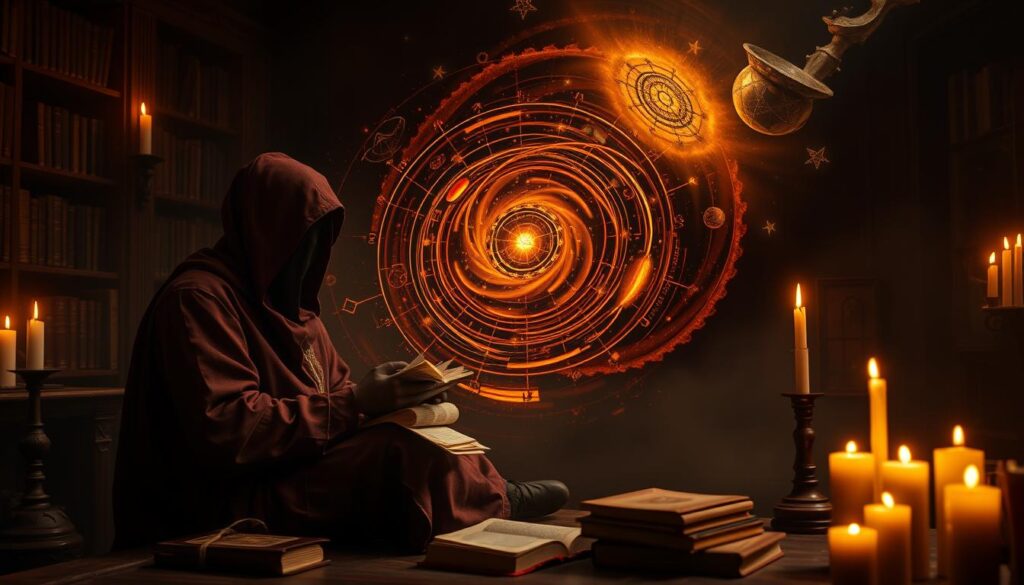
- Coverage tied city‑level disasters and Amazon climate damage to familiar lines.
- Editors balanced sensational hooks with reminders that quatrains are vague.
- People responded to clear storylines—wars, plagues, and dramatic climate moments—when reflecting on the year.
The next section will unpack key readings so readers can weigh each claim against the historical text and evidence. For one related overview, see a short guide to nostradamus predictions.
What did Nostradamus say about 2025: key prophecies and interpretations
A cluster of terse quatrains has become a focal point for readers connecting old lines to new crises. Below are the main modern readings and why commentators link them to present events.
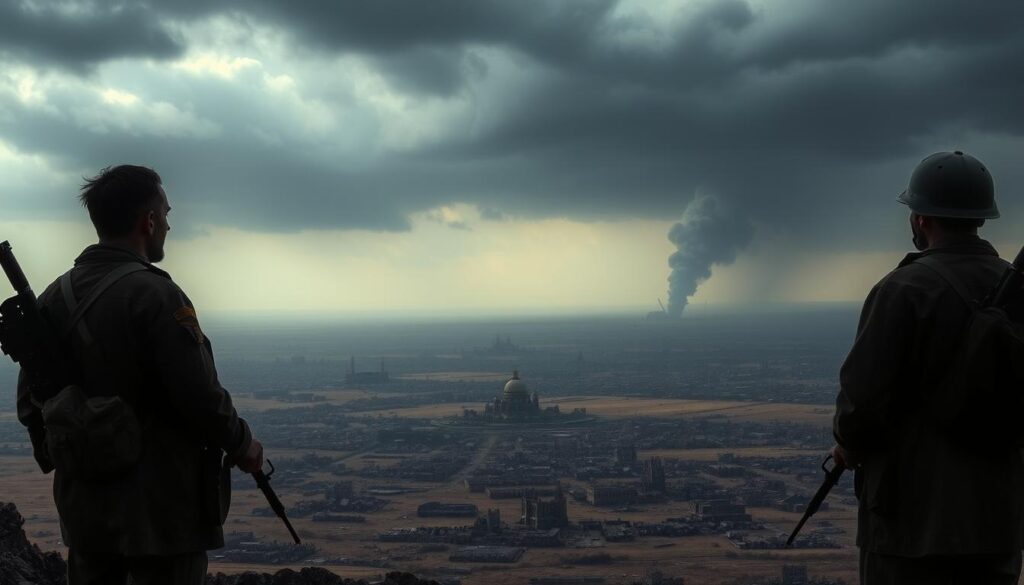
“Through long war… the army exhausted”
“Through long war all the army exhausted, so that they do not find money for the soldiers; instead of gold or silver, they will come to coin leather, Gallic brass, and the crescent sign of the Moon.”
Interpretation: Analysts tie this quatrain to a prolonged war that strains money for soldiers. Readers note “Gallic brass” and the crescent sign as possible national cues.
England, cruel wars and an ancient plague
Another paraphrase warns of cruel wars and an ancient plague worse than enemies. This line fuels debate about political turmoil and a potential disease return in Europe.
Garden of the world, floods and the Aquatic Empire
The “garden world” image is read as Amazon damage and poisoned waters near a new city. The Aquatic Empire motif links floods and rising waters to power shifts or sea‑level threats.
Fireball from the cosmos and papal notes
Some interpreters treat a projected fireball rise as a harbinger fate, while others read a verse on a very old pontiff as a papal succession hint. None point to precise dates, but both appear in many predictions 2025 roundups.
- Readings connect concise imagery to complex modern events.
- Scholars caution that lines are symbolic and non‑specific.
- See a related note on strained forces and burdened leaders here, and broader symbolic reading here.
Context, credibility, and the science check behind the prophecies
Readers and scholars often split over how brief quatrains turn into firm claims about modern events.
This section looks at how short, symbolic lines invite multiple readings and how science examines dramatic claims tied to the cosmos and fate.

Quatrains and ambiguity: how interpreters read the verses
Quatrains are compact and image driven. Their brevity forces readers to supply missing links across time.
This is why the same line can be tied to conflict, climate, or a political turn. Pattern‑matching after an event is common.
Evidence vs. interpretation: researchers, news framing, and seer status
Scholars note there is no consensus tying specific lines to the calendar year. Many modern summaries use paraphrase, not strict translation.
Careful readers check original wording before accepting claims. Media framing often nudges a vague verse toward a neat headline.
For background on modern takes, see a short guide to angel numbers and interpretation.
NASA and near‑Earth objects: science on the fireball claim
Monitoring networks track near‑Earth objects constantly. Agencies report no confirmed impact threat or tracked fireball for 2025.
This science check helps separate rumor from verified risk. Phrases like science fate and second chance often appear in retellings, not original quatrains.
| Claim | Evidence | Takeaway |
|---|---|---|
| Quatrain tied to war | Vague imagery; many possible readings | Correlation, not proof |
| Fireball/impact | Astronomy monitoring: no confirmed threat | Science tempers fear |
| Climate or Amazon link | Symbolic language; modern framing | Context matters |
| Popular paraphrases | Modern wording often added | Verify primary text |
Conclusion
At year’s end, old quatrains and modern headlines met in a tense conversation. The result fed many modern predictions while also reflecting real worries in the world.
Key takeaways: the lines stir talk of long war, English unrest and an ancient plague, plus images of a garden world, floods and a rising Aquatic Empire. These readings shape how events are framed, but they do not form a dated map to the end.
Practical view: treat ominous signs and a cosmic harbinger as prompts, not proof. Check original wording and evidence before accepting dramatic claims. For further context on symbolic patterns, see a related note on angel number 3535 and broader nostradamus predictions as you weigh a thoughtful second chance.