
Quick answer: This piece asks plainly: is sexual energy healing energy? It offers an informational look, not a clinical claim.
Many modern views shrink this life force to mere sex. Tantra and some modern traditions see it differently. They call it a potent life force that can fuel creativity, growth, and restorative change.
For clarity, “healing” here means body care, emotional shifts, relationship repair, and expanded consciousness—not a medical cure.
Topics about intimacy often carry shame or confusion in the U.S. This intro aims for a friendly, grounded tone. The same neutral force can feel empowering or overwhelming depending on safety, intent, and integration.
In this article we move from basics (what life force really refers to) to practical tools like breath, movement, meditation, creative work, and healthy boundaries.
Note: This content supports wellness education and self-inquiry and does not replace therapy or medical care. For related guidance, see psychic healing.
Key Takeaways
- This section frames the core question in plain terms.
- Tantra views this vitality as usable beyond sex.
- “Healing” covers body, emotions, relationships, and awareness.
- Shame and confusion are acknowledged with a supportive tone.
- The piece will offer basics and practical tools, not medical advice.
Sexual energy beyond sex in today’s culture
In many homes and classrooms today, conversations about desire stop at anatomy and risk. That narrow lesson leaves out how this human force shows up in creativity, mood, and everyday vitality.

Why it often reduces to the act
Mainstream messages usually frame sex as arousal plus orgasm. Instruction focuses on mechanics, pregnancy, and STIs. This approach flattens a wider conversation about feeling, presence, and flow.
How shame, fear, and performance disconnect people from pleasure
Performance pressure—looking or sounding a certain way, or “achieving” orgasm—pulls attention away from the body. Many people learn to perform rather than to listen to inner cues.
Common emotional blocks include shame, fear of judgment, and fear of rejection. These blocks can split desire: wanting an encounter while feeling guilty for that wanting.
Relationship stress often follows when partners chase outcomes instead of connection. A compassionate reframe helps: think of this force as a human life source felt in creativity, warmth, and confidence.
Later sections will cover consent, pacing, and safety—key counterpoints to pressure and fear.
What “energy” means in the body, mind, and spirit
You can spot this subtle current in small moments: a burst of creativity, a chill when someone enters the room, or sudden tiredness after a crowd.
Practical definition: think of it as a lived sense of vitality, mood, focus, and subtle body awareness rather than only physics.
How patterns and “laws” make this predictable
The easiest analogy is electricity: plus and minus create charge. When conditions align, effects repeat.
This idea helps explain why certain practices raise or calm the current. Routines, breath, and attention shape outcomes in reliable ways.
Everyday signs you’re interacting with subtle currents
- Thinking of someone, then they call—an intuitive nudge.
- Feeling drained after groups—social depletion in the nervous system.
- Heightened feelings around cycles like the full moon or hormonal shifts.
- Waves, chills, or release after intimate or ecstatic moments.
Many traditions call this prana or chi, a map for how life force moves through the body and spirit.
Notice over belief: you don’t have to accept every idea to observe patterns in your own life. Attention, intention, and meaning change how this current is felt and directed.
Later we’ll use symbolic maps like chakras and nadis to track these experiences. For practical tools and guidance on working with subtle currents, see energy manipulation.
What sexual energy is, according to Tantra and modern energy traditions
Traditions from Tantra to contemporary schools describe a pelvic current as a basic fuel for creativity and steady vitality. Teachers call it a felt pull that supports work, art, relationships, and everyday drive.

Life force, creation, and vitality
Define it: a current of vitality that can show as arousal, creativity, confidence, magnetism, or simple drive.
Two kinds of creation: biological birth and creation of ideas, art, business, or new experiences. Both rely on this same inner current.
Neutral power and directing with intent
This current carries raw power, not moral value. With breath, attention, and choice it becomes constructive.
Directing does not mean forcing arousal. It means conserving, circulating, or expressing with awareness to avoid compulsion or shame.
| Expression | Signs | Practice |
|---|---|---|
| Creativity | Flow, new ideas | Breathwork, art |
| Vitality | Drive, stamina | Movement, rest |
| Magnetism | Confidence, presence | Awareness, boundaries |
is sexual energy healing energy
Handled with presence and clear boundaries, this current can become a genuine tool for repair and growth.
What healing can look like here:
- Physical vitality: more stamina, less tension.
- Emotional release: grief, anger, or numbness can soften.
- Healthier relationship patterns: clearer consent and communication.
- Shifts in consciousness: greater self-awareness and purpose.
Why intensity sometimes feels “dark”: the force is primal and honest. When you stop overriding the body, suppressed material often surfaces.
Grief, shame, fear, and buried memories may appear. This surfacing is information, not failure. It shows where support is needed.
| When it surfaces | Common signs | What helps |
|---|---|---|
| Grief or loss | tearing, heaviness | gentle movement, therapy |
| Shame or guilt | withdrawal, shame spirals | compassion, skilled witness |
| Renewal | clarity, drive, joy | creative work, rest |
Important boundary: this current can complement therapy or somatic support, but it does not replace trauma work. For practical tools and techniques, see psychic energy techniques.
Why sexual energy is linked to life, creativity, and purpose
A deep inner drive often fuels our biggest leaps—launching projects, saying yes, or rewriting old patterns.
From procreation to creation
When life feels vivid, people take risks and build. That same force that makes babies can also spark a business, a novel, or a new relationship.
Real examples: launching a startup, finishing an album, or changing career paths after a clear urge to act.

Desire versus raw essence
Think of desire as the direction and the raw essence as the fuel. Desire points; the fuel moves you forward.
“Desire gives a way; the inner fuel supplies the power to take the step.”
| Example | Expression | What to try |
|---|---|---|
| Business launch | Focused drive | Short daily actions, accountability |
| Writing a book | Creative flow | Timed writing sprints, rest |
| Relationship reinvention | Authentic desire | Honest conversations, boundaries |
Creative blocks often mirror shame, perfectionism, or fear of being seen. Ask: Where do I feel most alive and magnetic? That question points to where this current wants to create.
Next: many traditions map this fuel through chakras and channels, which we cover in the anatomy section.
The energetic anatomy: subtle bodies, chakras, and nadis
Ancient maps of subtle anatomy give a clear guide for sensing where life’s currents move through the body.
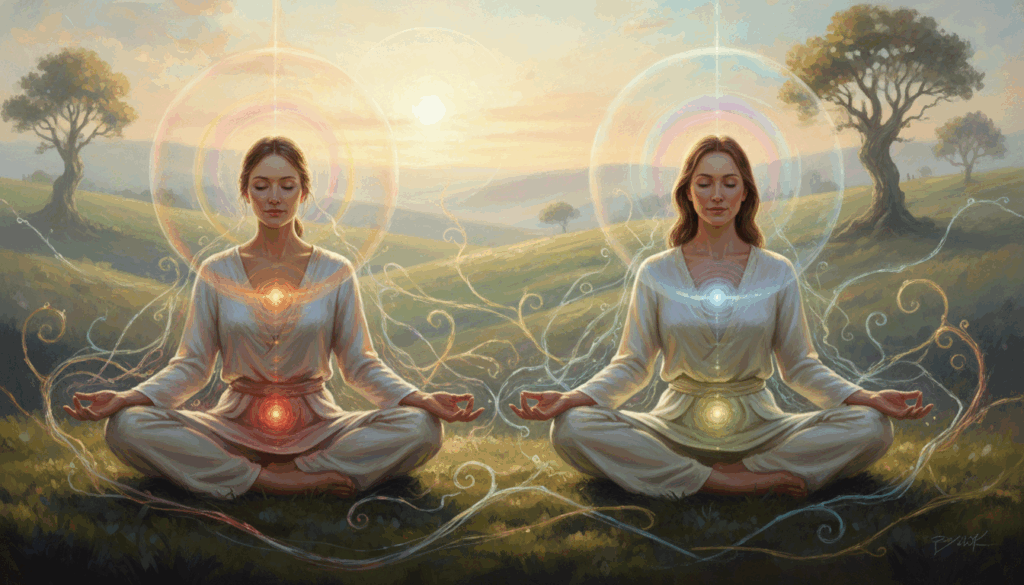
The five koshas: you are more than flesh
Koshas are layered fields around the physical form. Think of them like an onion of experience.
Why it matters: working with these layers helps spot where tension, numbness, or stuck patterns hide.
The sacral chakra as a pelvic seat
The sacral chakra sits below the navel and often holds creativity and pelvic force.
It links feeling, desire, and reproductive systems into a whole-body pattern that shows up in mood and action.
Nadis: channels that circulate the whole system
Nadis are like meridians in acupuncture. Traditions describe about 72,000 channels that move currents through the bodies.
When flow slows, tension or repeating patterns appear. Maps do not demand belief; they guide focused practice.
| Map | Where | What it shows |
|---|---|---|
| Koshas | Layered fields | Thoughts, breath, feelings, body |
| Sacral chakra | Below navel | Creativity, pelvic force |
| Nadis | Whole network | Paths of circulation (72,000) |
For a simple guide and practices, consult a subtle anatomy map like this one: subtle anatomy map. This sets up how stuck emotion can show as tightness or numb spots, which we cover next.
How sexual energy supports emotional healing and trauma release
The pelvis can act like a locked chest, keeping feelings tucked away until gentle attention opens it.
Why hips and lower belly store tension: protection, bracing, and repeated stress make the tissues hold on. Over time, unprocessed emotions become physical tightness or numbness. This shows up as stiffness, guarded posture, or a dull ache.
Gentle tools to soften stuck patterns
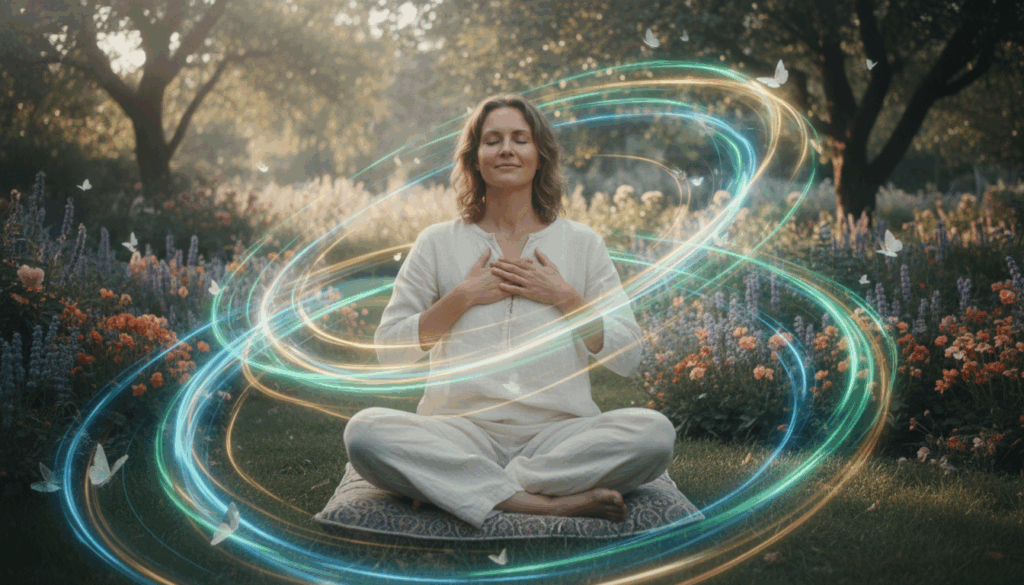
Breathwork and slow movement create safe space for release. Try soft hip circles, quiet shaking, or a slow dance with focused breath. These practices let the current move without forcing it.
Witnessing through meditation and practice
Meditation or active meditation teaches you to notice sensation without judgment. When you watch a feeling—grief, anger, or joy—it often shifts on its own. This steady witness matters more than dramatic catharsis.
Normalizing release and pacing the process
Tears, trembling, laughter, and anger are valid outcomes. They are not failures. The goal is softness and awareness, not pushing intensity.
- Signs to slow down: sudden flooding, numbness, or sharp pain.
- Small, regular practice beats a single extreme session.
- Prioritize safety: a trusted guide or therapist helps when old trauma surfaces.
“Small, consistent practices make space for steady integration.”
Sexual energy, the nervous system, and the role of safety
The way your nervous system responds determines whether arousal becomes rest or reactivity.
Activation and settling: how arousal can lead to deep rest
Activation is a nervous state that readies the body for action. With clear safety, that state can unwind into parasympathetic rest and true repair.
When the body senses calm, the same surge often shifts into deep breath, lower heart rate, and restorative quiet. This safe state helps many people access lasting healing.
Boundaries, consent, and pacing as the foundation of healing
Boundaries create a container or space where pleasure and repair can unfold. They are an act of self-respect, not rejection.
Practical pacing: slow the breath, pause, check your sense in the body, and stop at the first sign of overwhelm. Allow time between rises so the process completes.
When celibacy or stillness is the healthiest choice
Sometimes the healthiest step is rest. Choosing stillness or celibacy can give the nervous system time to integrate shifts without fresh activation.
Build a supportive environment: privacy, warmth, uninterrupted time, and a calm space for solo practice.

“Safety is the foundation; without it, activation often amplifies stress instead of repair.”
| Focus | Signal | Action |
|---|---|---|
| Activation | rapid breath, alertness | slow exhale, grounding touch |
| Settling | deep breath, warmth | rest, soft movement |
| Overwhelm | dizziness, shutdown | pause, seek support |
The heart-sex connection: pleasure, love, and vulnerability
When tenderness and desire meet, the chest often softens before words arrive. In simple terms, feeling emotionally safe lets the body relax, and that openness often leads the heart to follow.
When the body opens, the heart tends to soften. That shift can turn an encounter from performance into real connection. Partners report feeling more present, compassionate, and attuned when this happens.
How this opening deepens intimacy
Rising sexual energy can move attention away from outcomes and toward shared experience. That shift makes touch feel more loving and less task-driven.
Vulnerability is the bridge. Naming what you want and what you don’t allows both people to feel seen and safe.
Authenticity: meeting your real yes and real no
Simple phrases help partners stay honest in the moment:
- “Can we slow down?”
- “I want more closeness.”
- “That’s a no for me.”
- “That feels good.”
Desires shift. Honoring changes protects trust and supports gentle repair when needed.
U.S. culture often ties love to being sexually satisfying. Reframe worth away from performance: love grows from presence, clear boundaries, and mutual respect.

Tantra offers a path for mastering this interplay through awareness and breath, teaching how to use rising currents to deepen love and conscious connection rather than chasing techniques.
For practical guidance on rituals and focused practices to deepen intimacy, explore how such approaches can deepen intimacy.
Tantra as the science of mastering sexual energy
In Tantra, practices aim to refine raw drives into steady, usable inner resources.
What Tantra studies: a systematic map of patterns, consciousness, and how inner force moves through the body. It is not only erotic technique; it trains attention, breath, and posture to shift mood and focus.
Transmutation and sublimation as core processes
Transmutation means turning a dense drive into a subtler form that supports creativity and will. Sublimation keeps that refined current moving upward through the spine and centers.
The crude-oil metaphor
Think of raw drive as crude oil: heavy, useful, but needing refinement. Through practice it becomes refined fuel—clear, controlled, and powerful in new forms.
How this looks in practice
Common tools include asanas, bandhas, mudras, pranayama, and focused meditation. Breath plus pelvic awareness and gentle lifts of attention guide the current along the spine.
“With steady practice the same force that once felt chaotic becomes a source of steady power.”
| Stage | Focus | Tools |
|---|---|---|
| Raw | Grounding, safety | Gentle movement, breath |
| Refine | Containment, circulation | Bandhas, mudras |
| Sublimate | Upward flow, clarity | Pranayama, meditation |
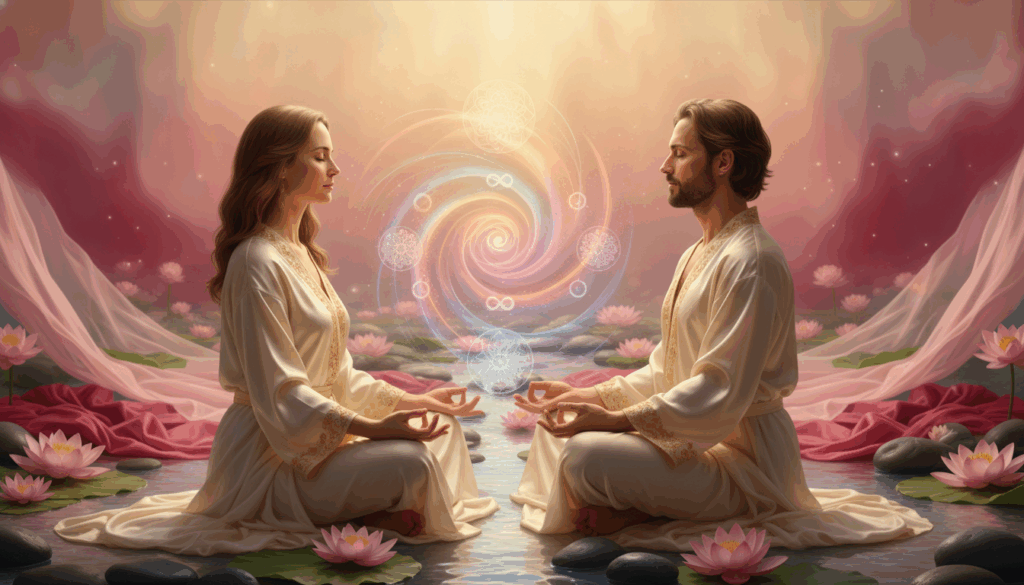
Caution: intense work should be paced. Anyone with trauma may prefer qualified somatic support or a trusted guide. For context on binding and focused intent, see love-binding spell.
Practical ways to use sexual energy for healing and wellness
Start with tiny, repeatable rituals that ask you to tune in, not push harder.
Meditation, breathwork, and movement
Try a five-minute meditation that follows breath from the belly to the chest. Add slow pelvic circles or gentle hip lifts for two minutes.
Think of circulating sensation as spreading warmth from the pelvis into the limbs with long exhales. This simple move helps you use sexual energy without forcing arousal.
Somatic touch and body awareness
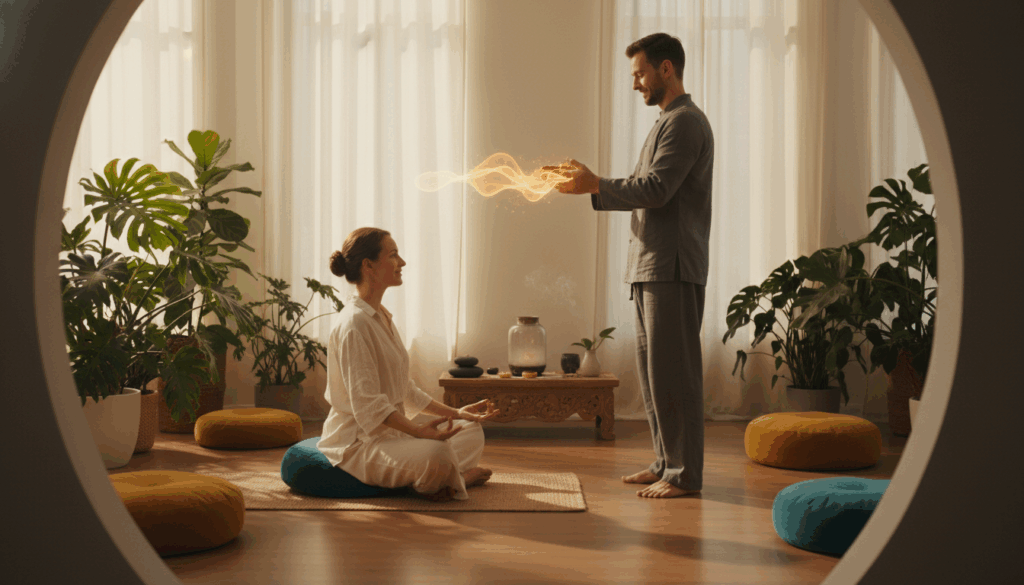
Place one hand on the lower belly and breathe slowly. Notice neutral warmth, tingles, or shifts without chasing more feeling.
Slow attention and gentle touch create safe space for release and integration.
Creative expression and daily transmutation
Channel charge into writing, painting, music, cooking, or problem-solving. Creative work turns raw drive into useful outcomes and fresh experiences.
Conscious intimacy with a partner
Choose presence over performance: eye contact, synchronized breath, slow pacing, and regular check-ins build real connection.
- Short daily breathwork (3–5 minutes)
- Brief meditation plus gentle movement
- Somatic touch with curiosity, not goal
- Creative outlet after practice
- Partner routines that remove orgasm goals
“Less but safer often brings deeper, longer-lasting change.”
Aftercare: journal, hydrate, walk, or rest to help the nervous system process new experiences. Consistency matters more than intensity—small, steady practice wins.
Common misconceptions that block healing with sexual energy
Cultural myths often turn intimate needs into must-do scripts that block real growth.
Myths about men, orgasm, depletion, and “needing” sex
Myth: men always need frequent sex or they will be damaged.
Truth: drive varies. Unconscious acting-out can feel draining. Conscious practice—breath, movement, creativity—builds life force without constant encounters.
Why “using sex to heal” can backfire
Trying to fix deep feelings only through encounters can bypass feelings and create codependent loops. That pattern often overwhelms the nervous system or reinforces old roles.
Presence and integration matter more than intensity. Without them, the process tends to repeat old pain.
Reframing pleasure as a whole-body, whole-life skill
Pleasure works best when it includes touch, rest, honest consent, and curiosity. Chasing an orgasm as the sole goal can pull attention into the mind and away from the body.
Sustainable truth: real repair comes with presence + consent + integration, whether sex is part of the work or not.

| Common myth | More useful truth | What to try |
|---|---|---|
| Men must have sex often | Drive varies by person and life stage | Short daily practices: breath, movement |
| Orgasm equals success | Orgasm is one sign, not the whole story | Focus on sensation, not outcome |
| Sex fixes trauma | It can distract or retraumatize | Pair intimacy with therapy or integration |
| Performance beats presence | Presence builds lasting connection | Slow down, check in, honor yes/no |
Conclusion
Conclusion
Approached with care, this inner current can support deep repair and steady growth.
Think of it as a neutral resource: a felt drive that holds raw power, creativity, and capacity for change. When met with awareness and safety, sexual energy can help with physical ease, emotional release, and clearer relationships.
Remember: surfacing feelings are not failure but information. Shadow material often appears as part of genuine healing. Pace practice and seek support when needed.
Next step: pick one small routine—breath, brief movement, journaling, or an honest partner check-in—and try it for a week.
See this as a patient journey. Notice where you feel most alive, follow that current with care, and treat each step as learning.