

Controlled remote viewing traces back to Ingo Swann, a psychic and artist who named the practice while working with the CIA. The U.S. government funded research for over two decades through Project Stargate, exploring how non-local perception could supply useful information about secret locations and targets.
This article shows clear steps you can follow to view distant targets and describe things hidden from the senses. You will learn simple exercises to train your mind, record impressions on paper, and sort genuine data from imagination.
Each short section offers an example practice and practical tips for readings, investigations, and everyday life. Whether tracking a missing person, finding an object, or exploring the nature of time, this page aims to help people develop useful abilities. For more on psychic abilities and training, see psychic superpowers.
Key Takeaways
- Origins: Ingo Swann and Project Stargate shaped modern remote view research.
- Goal: Learn to perceive distant targets and record clear impressions.
- Practice: Small sessions, paper notes, and simple examples build skill.
- Use: Techniques apply to missing person searches and everyday investigations.
- Outcome: Develop a reliable process for clearer answers and images.
Understanding the Basics of Remote Viewing
Begin with a simple idea: perception can reach beyond the body and bring back usable impressions. This section gives a clear foundation for mental exploration and practical practice.
Defining Non-Local Perception
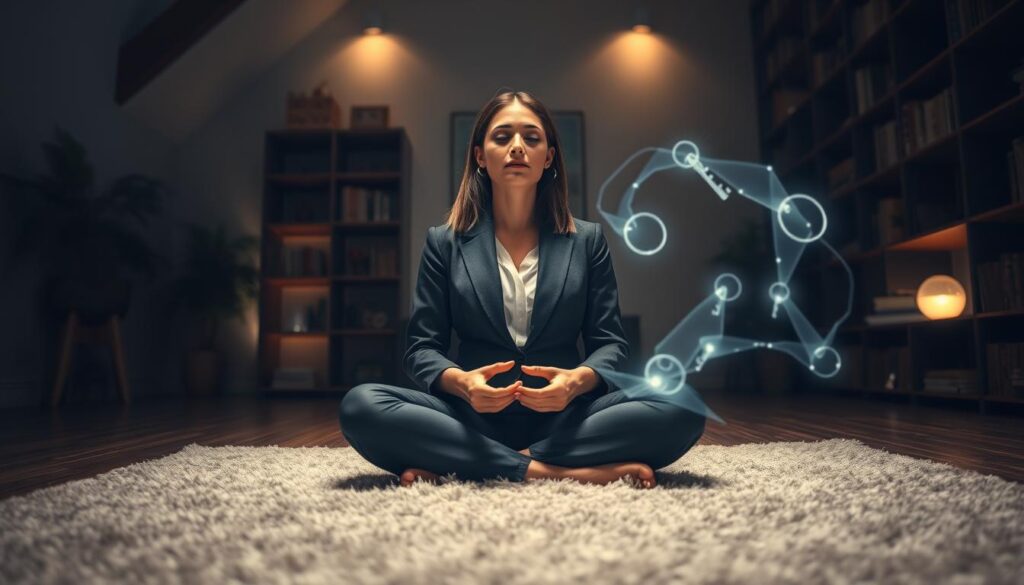
Non-local perception means a person can access information about a distant place without physical travel or the usual senses. Many students report symbolic images, shapes, and colors rather than full scenes.
The Role of the Subconscious
The subconscious acts as a bridge. It translates faint feelings into usable data during a session. Quieting the conscious mind lets the subconscious supply clear answers about a chosen target.
- Non-local perception offers access to impressions beyond immediate surroundings.
- Trusting initial views often yields more accurate information.
- Practice helps the mind sort random thoughts from genuine images.
| Concept | What to Expect | Practice Tip |
|---|---|---|
| Non-local perception | Symbols, colors, textures | Record first impressions quickly |
| Subconscious bridge | Subtle feelings become data | Use short quiet sessions |
| Filtering noise | Distinguish thought from image | Compare notes after feedback |
Next, explore training methods that build this ability. For practical exercises on improving psychic abilities, see psychic development.
Historical Context of Psychic Research
Researchers at the Stanford Research Institute led decades of structured tests that paired physicists with trained viewers. The program ran through many years and caught the attention of top agencies.
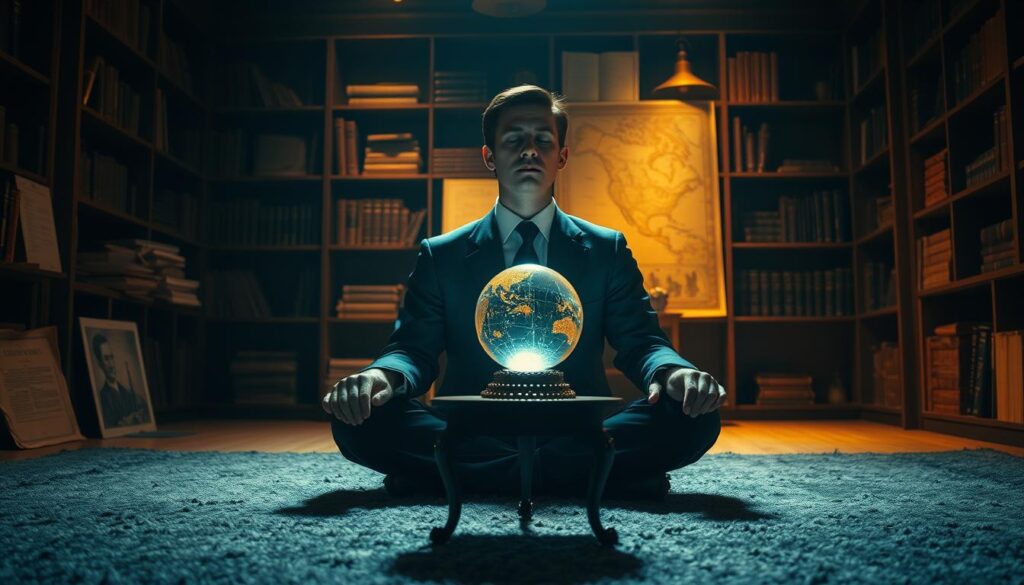
Physicists Harold Puthoff and Russell Targ helped shape experimental protocols. They worked with Ingo Swann and other psychics to record impressions under controlled conditions.
For over 20 years, the U.S. government funded studies to see if this ability could aid intelligence gathering. During the Cold War, viewing used by military teams sought hidden sites and strategic targets.
“The collaboration between scientists and practitioners gave formerly metaphysical topics a testable framework.”
- Stanford Research Institute ran many formal trials with gifted viewers.
- Ingo Swann described planetary features that surprised researchers.
- Trained remote viewers sketched layouts and identified aircraft locations.
| Period | Lead Figures | Operational Aim |
|---|---|---|
| 1970s–1995 | Puthoff, Targ, Swann | Intelligence scouting and target description |
| Cold War years | Various trained viewers | Locate facilities and missing craft |
| Post-declassification | Researchers, public students | Translate methods for civilian practice |
Studying these years helps modern learners see why standards and repeatable methods became central. For more on related skills, explore clairvoyant abilities.
How to Do Controlled Remote Viewing for Lost Objects
A stepwise routine helps viewers gather raw data and confirm it against the actual target.
Clearing Analytical Overlay
Analytical overlay (AOL) means the mind fills gaps with logic and guesswork. Quiet your thoughts and note only first impressions.
Begin each session with a brief breath focus. Use a simple cue word, then write one-line impressions on paper. This limits the mind’s urge to name or explain what appears.
Sensory Data Acquisition
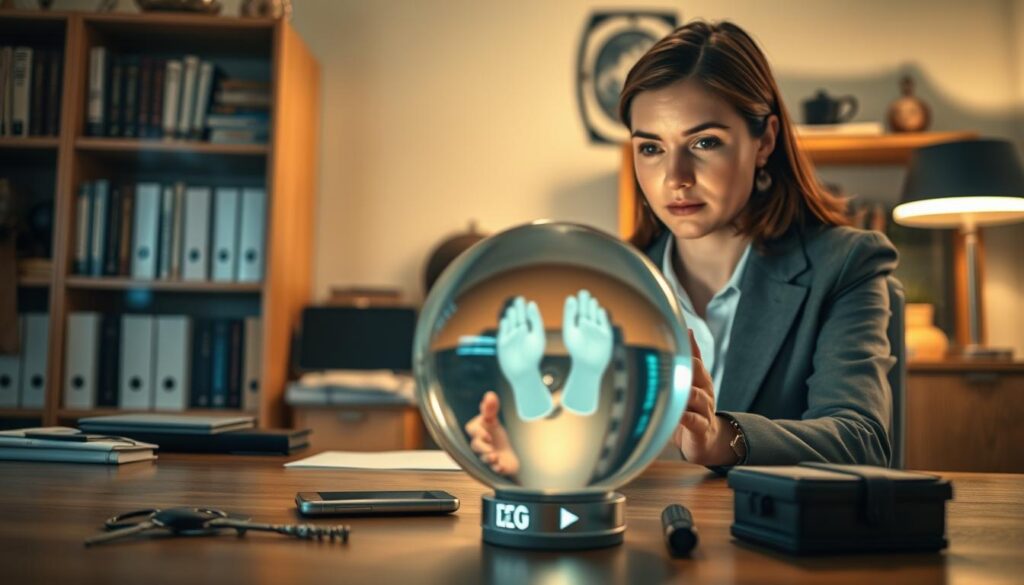
Sketch and list raw sensations: texture, temperature, smell, and shape. A skilled remote viewer uses a pen and paper and avoids labels.
Describe the target without naming it. That helps you see things as they are, not as a guess. Place any photos or reference images in an envelope so the session stays blind.
The Feedback Loop
The most critical step is feedback. After a session, compare notes with the real target or location. That loop trains the brain and sharpens impressions over time.
- Keep dated notes on paper and track recurring symbols.
- Use short sessions and regular practice to build experience.
- Blind envelopes and true feedback reduce bias and improve accuracy.
Result: Follow this process and your ability to describe target details and find missing items or a missing person will improve with practice and honest feedback.
Essential Preparation for Your Session
A calm room and simple rituals set the stage for clearer impressions. Spend a few minutes making the space quiet and comfortable. This helps the mind focus on the target signal rather than daily noise.

Creating a Distraction-Free Environment
Clear the area. Remove phones, close doors, and silence notifications. Even small interruptions break concentration and reduce accuracy during sessions.
Meditate briefly. A short period of breath focus calms racing thoughts. Many people find this makes images easier to notice in later practice.
- Take time to set aside materials: paper, pens, and a sealed envelope with target photos.
- Keep the room comfortable and free of strong smells or loud sounds.
- Set a clear start and end for each session so your subconscious learns the routine.
Respect the ritual. Treat sessions as deliberate practice. Consistent preparation improves results and trains the mind to accept impressions as valid data.
| Step | Why it matters | Quick tip |
|---|---|---|
| Quiet space | Reduces external noise that distracts the mind | Close windows and doors before you begin |
| Meditation | Calms thought and speeds access to images | Use five minutes of breath focus |
| Materials ready | Prevents breaks that interrupt sessions | Place paper and pens within reach |
For guided techniques on energy and focus that pair well with this preparation, see sending healing energy.
Leveraging Modern Technology for Practice
Modern software gives viewers quick access to thousands of blind targets and timed challenges.
Apps now let a remote viewer train with real, verified material. The Verevio app offers over 5,900 manually verified targets and, as of June 2025, 22 specialized trainers.
Why that matters: a steady stream of targets helps people build consistent impressions and track progress over time.
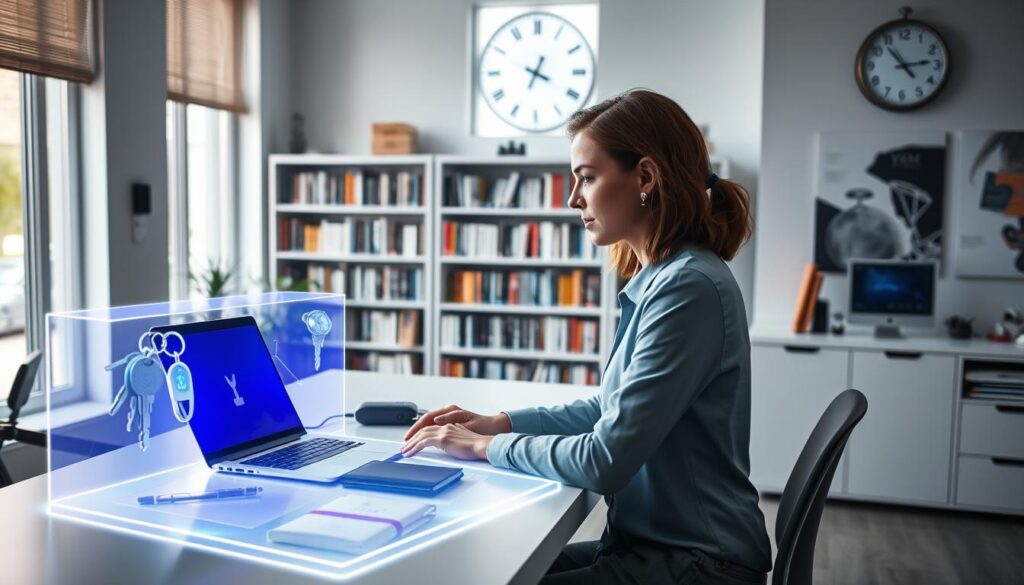
These platforms create a clear process. You can store notes on paper or in-app, compare sketches against images, and close the feedback loop. That feedback is vital for refining accuracy in readings and investigations.
- Structured sessions mimic blind-envelope practice but scale to many targets.
- Trainers focus on object detail, location cues, and timing challenges.
- Daily use builds experience and helps viewers describe target features with more precision.
| Feature | Verevio | Benefit |
|---|---|---|
| Verified targets | 5,900+ | Wide variety speeds learning |
| Trainers | 22 specialized | Focused skill development |
| Feedback | Image comparison | Improves impressions and accuracy |
| Use cases | Practice, investigations, readings | Consistent testing in daily life |
Tip: take time each session and log results. Many psychics and remote viewers now pair tech with classic methods like sealed envelopes and paper notes.
For an example of related training that stretches perception, see move things with your mind.
Conclusion
Skill grows with steady practice and clear feedback. Mastering remote viewing takes patience, regular sessions, and honest notes. Each short effort gives useful information that sharpens your sense and builds trust in the process.
Use the steps in this article as a map. Over time you can learn to locate a missing person, describe a target, or find hidden things with more confidence. Keep track of progress and treat every session as learning.
If you want guidance on further development, visit develop psychic abilities. This page supports people who wish to expand their abilities and gain clearer answers from their mind and views.