

Coordinate Remote Viewing (CRV) grew into a formal protocol at the Stanford Research Institute. The program later fed into Project Stargate, a U.S. government effort that tested whether trained minds could gather reliable intelligence.
Remote viewing describes the ability to perceive distant or unseen targets using mental faculty alone. A trained viewer clears analytic thought and records impressions on paper during each session.
The CRV process breaks complex impressions into simple bits of data. Viewers use a form and ideogram to lock onto a target, then note signals, lines, and points that describe location, objects, or people.
This guide offers a concise example of the session process. It explains how a viewer may access non-local information while keeping body and mind aligned to protect the integrity of the target data.
Key Takeaways
- CRV is a structured method developed at SRI and used in Project Stargate.
- A viewer records raw impressions on paper to separate data from imagination.
- Short sessions use ideograms and simple forms to capture target signals.
- Practice can improve abilities and the accuracy of location or object details.
- Understanding basic terms and the session process is the first step.
Understanding the Basics of Remote Viewing
At its core, non-local perception lets a trained mind access details about a sealed target without the normal senses. The Stanford Research Institute helped formalize protocols that make this a repeatable process rather than a one-off gift.
Defining Non-Local Perception
Non-local perception is the ability to receive information about a target that is physically hidden from the viewer. Think of it as tuning a dial: each small bit of data can reveal shape, texture, or even temperature.

The Role of the Viewer
A trained viewer keeps a neutral mindset so data stays clean and not a product of imagination. During a session the viewer records the initial signal on paper, often noting a number or form that anchors later notes.
- Practice: training improves the ability to pick up subtle signals over time.
- Separation: the process separates signal from noise, like tuning a radio.
- Communication: shared terms help viewers describe objects, people, and locations clearly.
For more on the scientific background and protocols, read the science behind remote viewing.
The History of Military Intelligence and Project Stargate
For more than twenty years the U.S. Army ran Project Stargate to test whether trained minds could produce usable intelligence. Military teams practiced sketching layouts of Soviet facilities and locating lost aircraft in Africa using disciplined protocols.
The phenomena under study were often classified because they challenged usual ideas about time and perception. By documenting each session, the military turned raw impressions into verifiable data.
This process showed that a trained person could pick up details about a distant target. The number of successful missions across the years helped validate the training and the methods used by viewers.
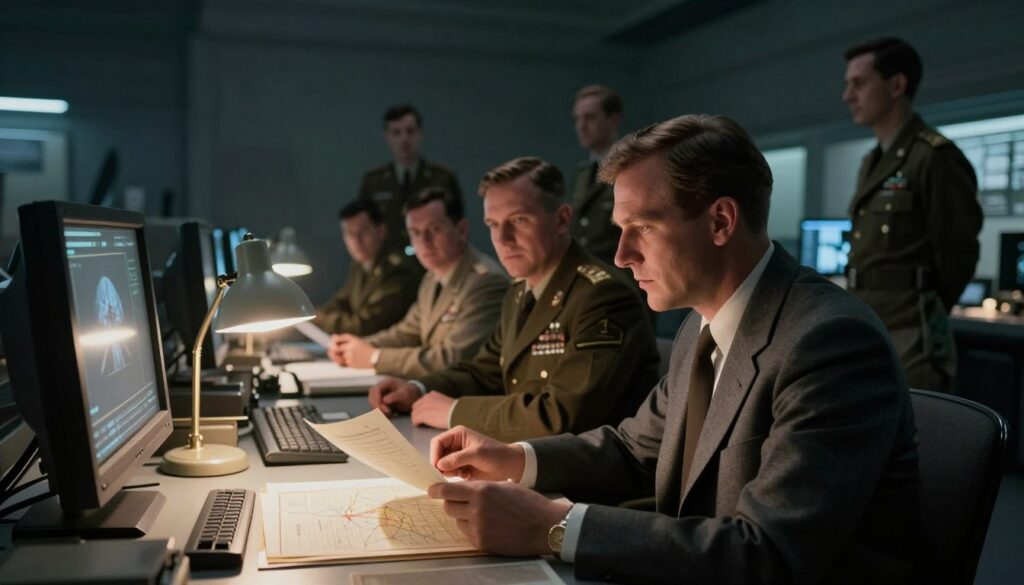
The protocols from that era remain the core terms and structure many people follow today. As an example, teams even used these methods to probe planetary bodies—an unusual expansion of traditional intelligence work.
- Duration: Over 20 years of research and application.
- Uses: Facility sketches, aircraft searches, object location.
- Legacy: Documented process that supports civilian training now.
| Mission Type | Outcome | Sample Target |
|---|---|---|
| Facility sketching | Layout matched later intelligence reports | Soviet military compounds |
| Search operations | Several successful recoveries | Lost aircraft in Africa |
| Scientific probes | Documented observations | Planetary interiors (example) |
| Protocol development | Standardized training | Session forms and ideograms |
To explore modern follow-ups to these abilities, see psychic superpowers.
Essential Coordinate Remote Viewing Techniques for Finding Missing Persons
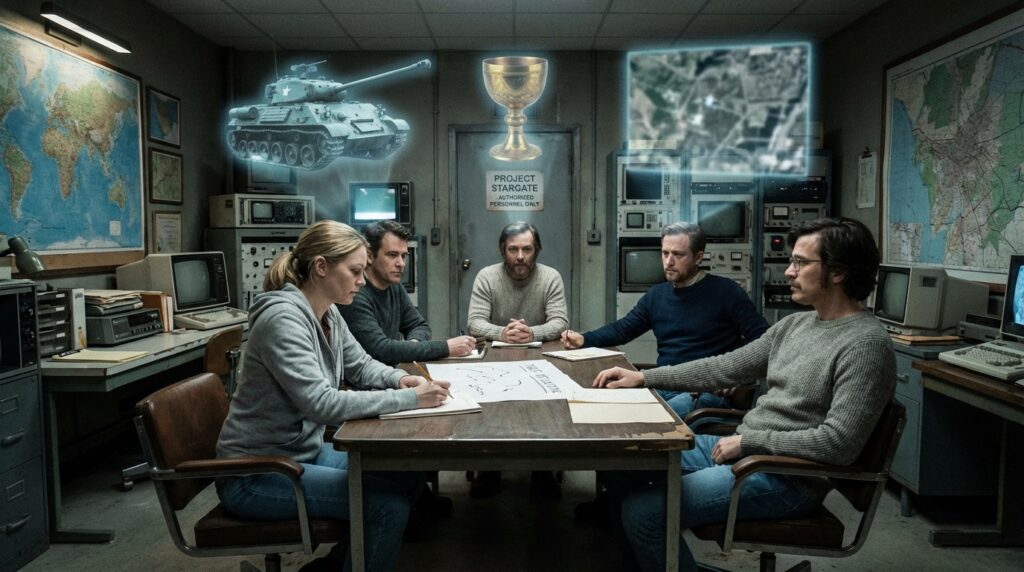
A focused five-step protocol gives a viewer a clear path to track a distant target.
Consistency matters. The process uses a simple form and a strict number of steps so viewers gather clear data each session.
During a session, a trained remote viewer clears the mind and records the initial signal. This keeps personal bias out and keeps the information usable.
- Set intention and quiet the body.
- Create an ideogram to mark the target signal.
- Note sensory impressions: sounds, textures, shapes.
- Sketch layout and anchor geographic clues.
- Summarize findings into actionable points.
Practice takes years, but beginners can learn the basic process and begin collecting useful bits of information quickly.
“A disciplined viewer turns subtle impressions into data that can guide search teams.”
| Step | Focus | Typical Output |
|---|---|---|
| 1 | Intention & calm | Clear target number on form |
| 2 | Signal capture | Ideogram and initial notes |
| 3 | Sensory detail | Texture, sounds, temperature |
| 4 | Spatial sketch | Rough map or layout |
Goal: turn impressions into practical leads that investigative teams can test. For related guidance on preparing energy and focus, see how to send healing energy.
Preparing Your Mind for a Successful Session
Preparation begins long before the paper is placed on the form; it starts with mental stillness. A short routine sets the stage so impressions arrive without noise.
Clearing the Mind
Analytical Overlay (AOL) is the brain’s habit of guessing the target. A viewer must notice and release those guesses before a session begins.
Calm the body and steady the consciousness. Relaxation helps the subtle signal emerge and keeps data clean.
- Quiet thought: let labels and solutions go.
- Slow breathing: bring attention to the present time and body.
- Detach from outcomes: remain open to whatever the target sends.
Training is like learning to hear a whisper in a crowded room. With repeated practice remote sessions, a viewer improves the ability to ignore logical guesses.

“A clear mind lets raw impressions become useful information.”
Spend a few focused minutes preparing before any session. That small investment makes the process more reliable and helps transform each bit of perception into actionable data.
Mastering the Ideogram and Initial Signal Contact
The moment your hand scratches the page, that single line can link you to the target’s essence. The ideogram is a spontaneous mark on the paper that represents first contact with the signal line.
Pressure, speed, and angle all carry useful data. A trained viewer reads those qualities to pull early information about location, shape, or texture.
Let the hand move freely. Do not judge the scribble or try to control it. That freedom keeps the form pure and reduces analytic interference during the session.
Think of the signal line as a thread and the ideogram as the anchor. Focus on that anchor to begin gathering further data about the target’s physical properties and atmosphere.

“The ideogram is often the most accurate piece of data collected in a session.”
- Train to trust intuition; accuracy improves with practice and training.
- Record the ideogram immediately on paper and note first impressions.
- Use the ideogram as the foundation for later sketches and descriptive notes.
For a deeper look at related clairvoyant concepts, see clairvoyant abilities meaning.
Sensory Data Acquisition and Descriptive Sketching
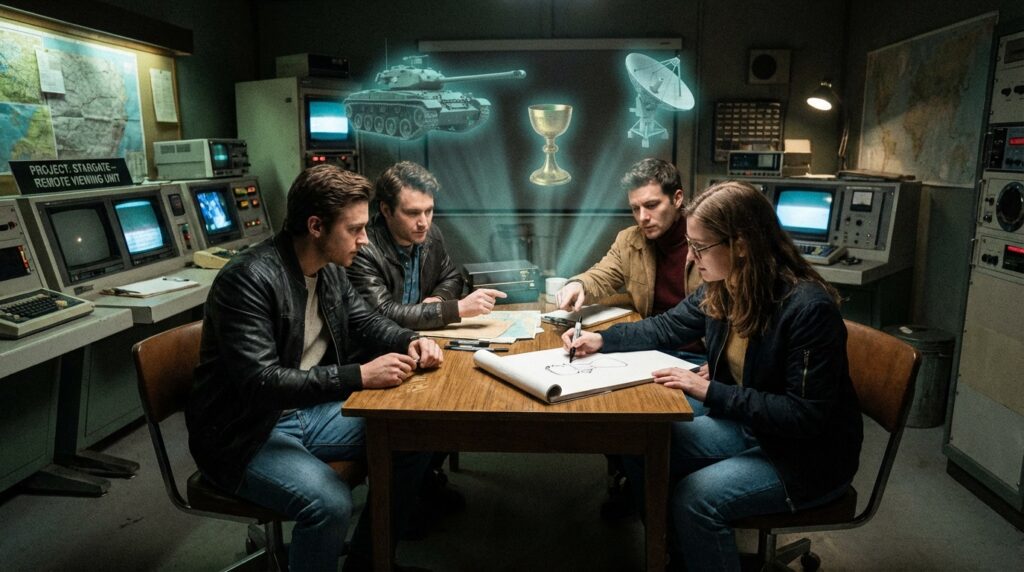
Sensory notes begin with texture and temperature, not with names or stories. Start a session by writing down simple impressions on the form and paper. This keeps the mind from translating sensations into known objects.
Focusing on Textures and Temperatures
Describe roughness, warmth, colors, and edges. Treat each bit of data as a neutral fact. Do not label the item.
Why this matters: clear senses reduce analytic overlay and make the information usable later.
Sketching Without Logic
Use quick lines and angles to capture what you perceive. Let the ideogram and the signal line guide the sketch.
Sketching like this helps a viewer turn raw impressions into a visual map. Training the hand to draw without naming preserves accuracy.
- Record texture, color, and temperature before naming.
- Draw lines and angles instead of recognizable shapes.
- Use the ideogram as the anchor for the sketch.
“Capture the essence first; labels can wait until verification.”
| Focus | Action | Output |
|---|---|---|
| Texture & Temperature | Note on paper | Objective sensory data |
| Signal & Ideogram | Draw initial line | Anchor for sketch |
| Sketching | Draw angles/lines | Visual map of the target |
The Importance of the Feedback Loop in Training
Seeing the actual target after a session turns vague impressions into teachable facts. That confirmation is the heart of skill development for any viewer. Feedback lets a person compare notes, correct errors, and lock in reliable signals over time.
The feedback loop is the most critical part of the training process. By matching session data to the real target, a viewer reinforces the mental link and improves accuracy. Training without feedback is like shooting in the dark—you rarely know if you hit the mark.
- The loop lets viewers see the actual target and validate impressions.
- Comparing data to reality helps recognize the signal line in future viewing.
- Consistent feedback improves ability across years and strengthens contact.
After each session, review the notes and analyze patterns. This process turns isolated bits of information into a durable learning path. If you want structured practice and guided review, consider psychic development courses that include verified feedback.
“The feedback loop is the bridge between the session and the reality of the target.”
Integrating Intuitive Data with Traditional Search Methods
A single specific clue from an intuitive session can narrow a wide search to a single neighborhood. That kind of lead becomes far more useful when paired with verified tools and local teams.

Collaborating with Investigative Teams
Combine impressions and evidence. A viewer’s note about a landmark, house, or road can be checked against databases, maps, and eyewitness accounts.
Real-world tools make the difference. The Red Cross and Red Crescent Family Links Network handles about 200,000 open tracing requests, showing the scale of global effort.
Investigative teams now use AI engines like the Missing Persons Digital Matching (MPDM) tool to cross-check reports across multiple records. Satellite imagery and maps proved decisive in one Egypt delegation effort, which solved four times more cases by matching marks on maps to actual houses.
- Integrate a viewer’s location clue with MPDM and public records.
- Engage families as active partners to add details and validate leads.
- Use professional firms such as PHENIX Investigations (800-980-9056) when surveillance or deeper analysis is needed.
“When intuition and investigative data meet, teams can turn a small bit of information into an actionable search.”
| Source | Role in Search | Impact |
|---|---|---|
| Viewer impressions | Suggest landmarks or house details | Narrows search radius |
| MPDM (AI) | Cross-checks databases | Speeds matches across records |
| Satellite & maps | Pinpoints likely locations | Improved recoveries (example: Egypt delegation) |
Result: blending intuition with formal methods increases the chance of locating a target in less time. Teams that respect both streams of information report better outcomes and faster answers for families.
Overcoming Analytical Overlay and Mental Interference
Analytic mind chatter is the single biggest barrier that distorts a viewer’s impressions. Analytical Overlay (AOL) pushes guesses into notes and corrupts the data you collect during a session.
Quieting the mind is the central skill. Short meditation and steady breath slow judgment and keep each bit of perception pure.

Practice builds resilience. A trained viewer practices simple routines before a session to clear thoughts and stay vigilant against logical leaps.
Use focused drills in training to learn the difference between an internal voice and the signal from the target. When viewers learn this distinction, data becomes clearer and more reliable for search teams.
“The ability to remain neutral is the hallmark of a professional remote viewer.”
- Stay alert: watch for confident guesses and set them aside.
- Build discipline: use short meditations and grounding exercises before sessions.
- Review with feedback: test impressions against reality to refine the process.
For more context on related psychic skills, see clairvoyant abilities, real or fake. The time invested in mastering these methods pays off when accurate information reaches investigators.
Ethical Considerations and Data Privacy
Ethical practice must guide every step when mental impressions touch real people’s lives. Legal protections and privacy laws shape how sensitive information is handled during any session.
The ICRC model shows how data can be compared without broad sharing. That approach keeps details confined to those who need them. It also ensures compliance with local and international rules.
A viewer must use clear terms of engagement before work begins. Consent, scope, and intended use belong in writing. This protects families, investigators, and the person behind the target data.
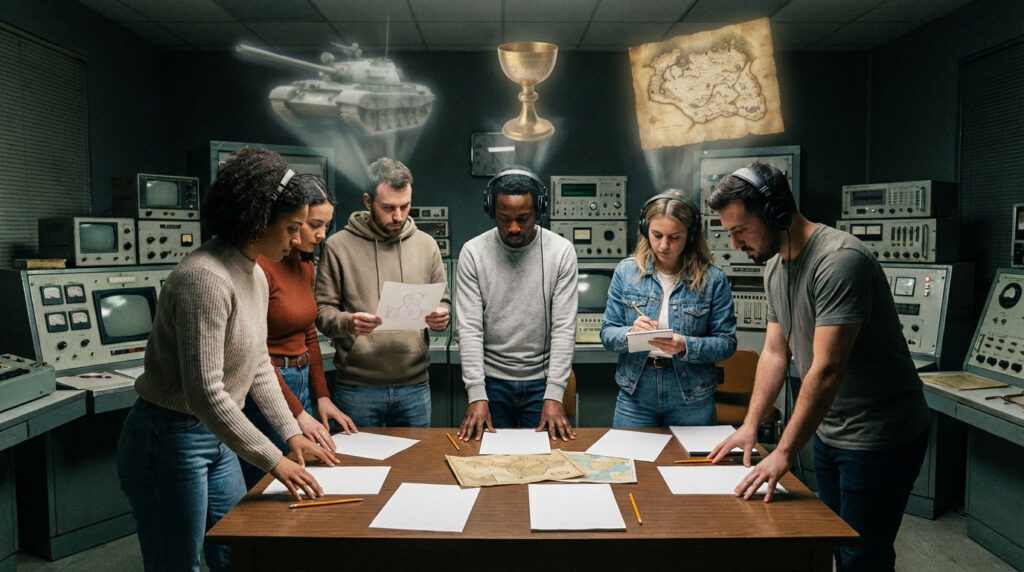
When notes go on paper, treat each bit of data as confidential. Store forms and the ideogram securely and limit access. Use encryption or locked files when digital copies exist.
Training must include ethical instruction. Regular review of privacy practice and scenario drills help a viewer resist misuse and keep trust intact.
“Data privacy is both a legal requirement and a moral obligation when working with sensitive targets.”
- Define terms and consent before a session starts.
- Limit data sharing to authorized people only.
- Protect written notes and ideograms as sensitive records.
- Include ethics in every stage of training.
| Area | Best Practice | Impact |
|---|---|---|
| Consent & Terms | Written agreement outlining scope | Clear legal protection and expectations |
| Data Handling | Secure storage of paper and digital notes | Reduces risk of leaks or misuse |
| Collaboration | Share only with vetted teams (ICRC-style) | Maintains privacy while enabling checks |
| Training | Ethics modules and scenario practice | Builds professional judgment and trust |
Expanding Your Consciousness for Future Searches
Deliberate growth of consciousness deepens access to non-local webs of information about a target. Regular work on awareness helps the mind pick up clearer signals over time.

The phenomena researchers describe suggest our field of perception can reach beyond the body. With steady practice you can learn to view distant things and collect useful data without guessing.
- Make expanding your consciousness a continual process; this opens deeper layers of information about a target.
- Dedicate short daily sessions to train attention and refine your mental abilities.
- Use verified feedback to turn vague impressions into actionable data.
- Allow patience and time to build reliability: small gains compound into stronger results.
A successful session often comes from a viewer who trusts the mind and has practiced enough to let signals emerge. As your view grows, your contributions to future searches become more precise and more useful.
“Expand the mind with steady practice; each session teaches you how to turn subtle impressions into meaningful leads.”
Conclusion
Conclusion
Each disciplined session builds a clearer bridge between intuition and usable data. With steady practice, you learn to turn brief impressions into checks that investigative teams can use.
Dedicate regular time to the five-step protocol. A calm mind and strict routine make each session more reliable. Over time, small gains add up and your reports become more useful.
Every session is a meaningful part of the journey. The point is to supply actionable information and practical data that can help bring closure to families in need.
To deepen basic skills and guided practice, explore practical psychic skills that support steady growth and real-world results.