
Quick look: many traditions treat certain hues as more than visual cues. In chromotherapy and chakra work, hues carry vibrational meaning and affect mood. That said, no single shade fits every person or goal.
Expect practical notes: this article will compare light therapy, chakra maps, and simple at-home uses. You will see why communities often name green as soothing, thanks to nature and heart symbolism.
Real talk: color work can support mood and intention, yet it should not replace medical care. Use tint, fabric, or visualization as a gentle complement, not a standalone cure.
For those who want a deeper primer on supportive practices, consider this concise resource on psychic methods: psychic healing overview. Later sections offer easy steps for what to wear, how to decorate, and simple visual meditations.
Key Takeaways
- Many systems use multiple hues for different goals rather than one universal tint.
- Green often symbolizes renewal, but no shade heals every person.
- Color approaches can lift mood and focus, but they are not medical cures.
- Practical uses include clothing choices, room accents, and visualization.
- This article will explain light therapy, chakra links, and easy daily tips.
What Is the Color of Healing Energy in Color Therapy?
Instead of naming a single hue, many traditions treat the visible spectrum as a practical menu for intention and support.
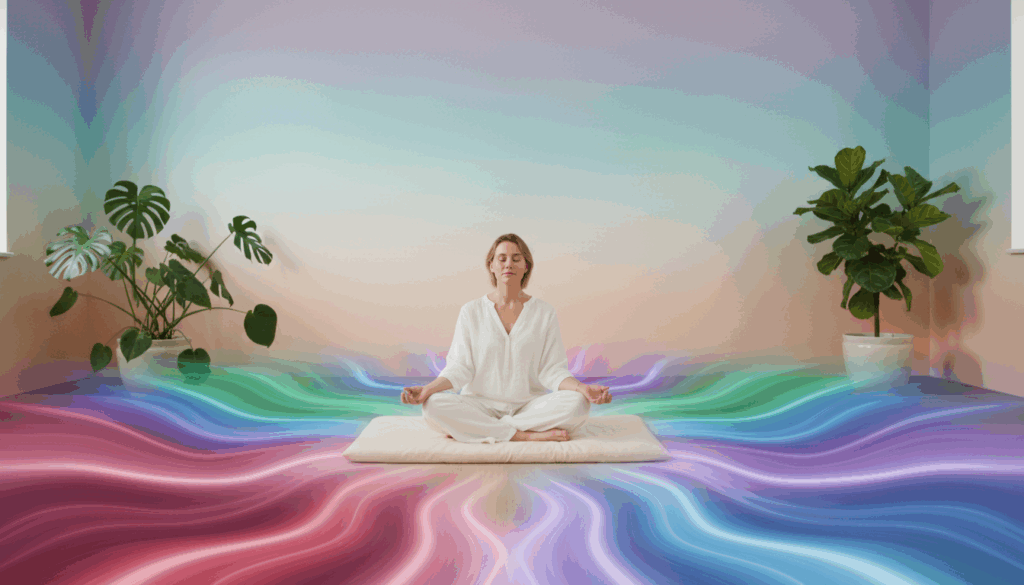
Chromotherapy, often called color therapy, uses specific hues and filtered light to support mood, focus, and bodily rhythms.
Why many practices don’t name just one “healing” color
Healing aims differ: calming stress, boosting vitality, or aiding focus call for different hues. So systems avoid a single answer and recommend matching a hue to need.
How chromotherapy links light and the body’s system
Practitioners map everyday meanings to colors: red for vitality, blue for calm, green for balance, white for cleansing. Exposure to targeted light can feel energizing, soothing, or balancing depending on context.
- Common methods: LED devices, color-filtered lamps, and immersive fabrics or gems.
- Responses vary; use this as a supportive therapy alongside medical care.
“Color work offers tools, not cures; match hue to intention and observe effects.”
Why Colors Can Feel Healing to People
Colors shape daily moods, and many people report quick shifts when a room’s palette changes.
Color and emotions in everyday language
Everyday phrases—like “feeling blue” or “seeing red”—show how language links hues to feelings. Those sayings make the idea that certain tones soothe or charge a mind feel familiar and intuitive.
Vibrational frequency, mood shifts, and perceived well-being
Many holistic guides describe hues as carrying a vibrational quality. That framing helps people track small mood changes without claiming medical cures.
Cool tones often make a space feel quieter and more restful. Warm tones can lift motivation and alertness.
Why individual response and context matter
Responses vary by age, culture, vision, and personal history. Bright palettes can calm children in care settings, while older adults may prefer softer schemes to reduce eye strain.
Sound, scent, and light level will amplify any impression. A soft-lit blue bedroom differs from harsh blue LEDs in an office.
“Use hue as gentle support for mood and mindset rather than a substitute for medical advice.”
For practical techniques that pair intention with practice, see this short guide to psychic energy methods.
Healing Energy Colors Through the Chakra System
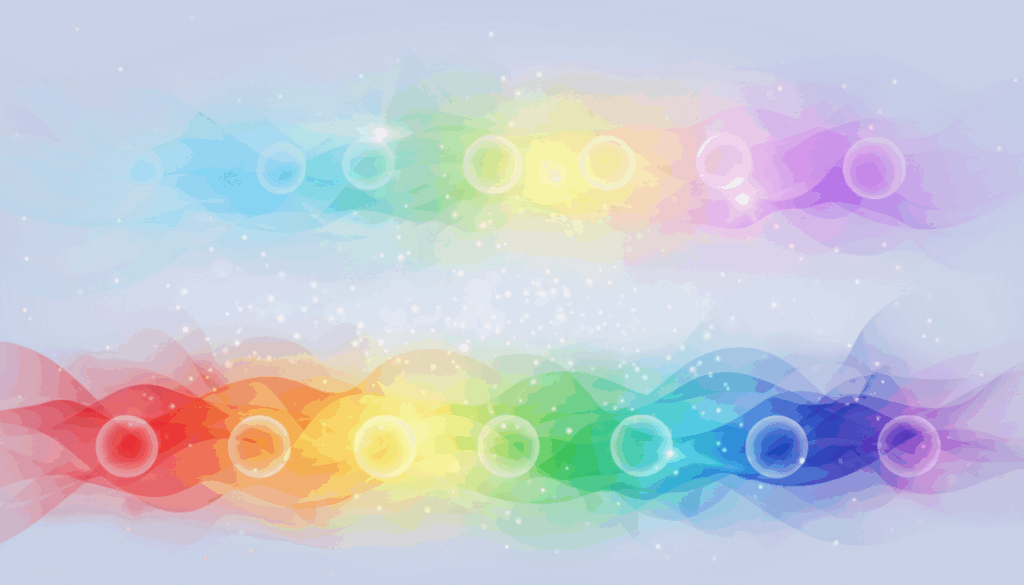
The chakra map offers a simple framework for matching a hue to a personal goal. Many people use this system to place intent and notice subtle shifts in mood or focus.
Root — grounding and vitality
Root: red and black support stability, strength, and steady vitality. Wear a deep red or use dark accents when life feels chaotic to feel more grounded.
Sacral — creativity and joy
Sacral: orange boosts creativity and emotional balance. Try an orange scarf or a small décor piece to spark play and ease stuck feelings.
Solar plexus — clarity and confidence
Solar plexus: yellow links to confidence, clarity, and digestion themes. A yellow lamp or visualization can help you face tasks with more focus.
Heart — harmony and love
Heart: green and pink invite compassion, harmony, and gentle restoration. Add plants, soft pink textiles, or a green accessory to soften tense moments.
Throat, Third Eye, Crown
Throat (blue): supports calm communication and truth. Third eye (indigo): aids intuition and inner sight. Crown (violet/white): encourages spiritual connection and expansion.
Simple ways to work with these links: choose clothing, tweak décor, or use short meditations that visualize a matching hue. For practical ritual ideas that pair intention and practice, see a concise how to do a love spell with.
“Match an intention to a center, then use small, repeatable steps to notice change.”
Healing Properties of Colors in Light Therapy and Chromotherapy
Light therapy charts link hues to goals so a user can pick a tone for calm, focus, or activation.

How charts and spectra guide choice
Chromotherapy uses a simple spectrum map. People match a hue to an aim, such as rest or vigor. Devices, lamps, and filtered panels make this practical at home.
Red and orange
Red often ties to energy and circulation, sometimes linked to blood flow and extra vitality.
Orange brings warmth and creative power. It suits upbeat moments or tasks that need fresh ideas.
Yellow and green
Yellow supports positivity, focus, and mental clarity when the mind feels foggy.
Green offers balance and restoration. Many pick it for emotional reset and gentle repair.
Blue, indigo, and violet
Blue calms the mind and eases stress. It is common in evening routines.
Indigo nudges intuition and deeper insight, while violet or purple links to transformation and spiritual growth.
White, earthy tones, and black
White often represents full-spectrum cleansing and amplification.
Brown grounds and adds stability; cream comforts without intensity. Some traditions use black as protective or absorbing negative influence.
| Hue | Key properties | Common uses |
|---|---|---|
| Red | Energy, circulation | Short bursts for activation, caution for sensitivity |
| Blue | Serenity, stress relief | Evening relaxation, calm spaces |
| Green | Balance, restoration | Recovery days, soothing rooms |
| White | Full-spectrum, cleansing | Amplify intentions, neutral reset |
“Use a hue with clear intent, and watch how small shifts support mind and body.”
Safety note: colored light can cause eyestrain, headache, or sleep shifts. People with photosensitive epilepsy, certain eye conditions, or those on photosensitizing meds should consult a clinician before trying strong light sessions.
For related guidance on subtle fields and practical reads, try a short primer on aura reading.
So, Is Green the “Healing Color”? Where That Idea Comes From
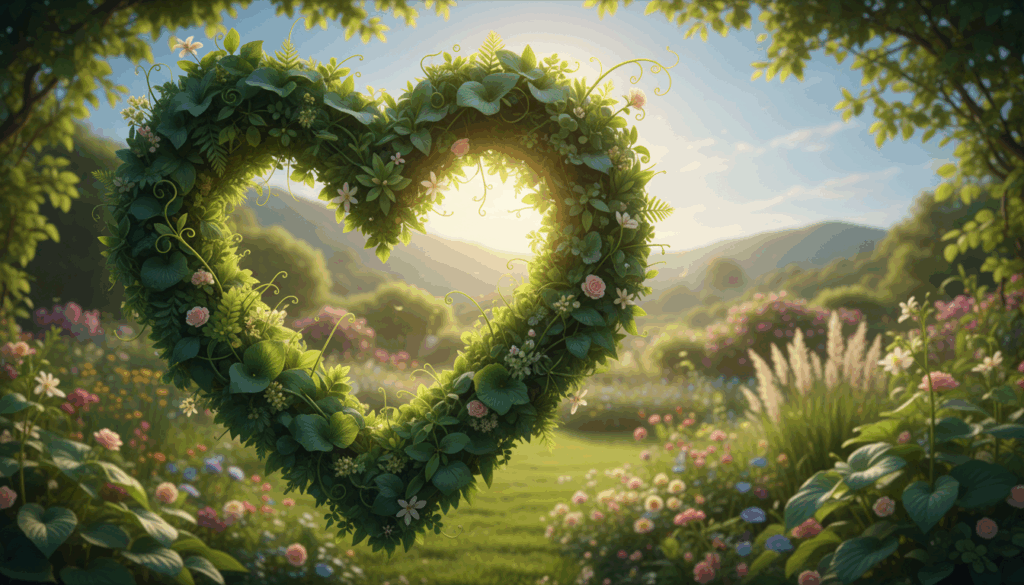
Many people point to green when asked which hue feels most restorative, and that belief has simple roots. Forests, lawns, and gardens signal growth and renewal to a mind that evolved in natural settings.
Green in nature: growth, renewal, and the heart association
Green links strongly to plant life and the earth. That link makes green a common cue for calm and gentle balance, and it ties to the heart center in spiritual maps that emphasize harmony and openness.
When blue, white, or yellow may feel more healing depending on need
Still, green does not suit every goal. Blue often helps with stress and rest, while yellow lifts mood and clarity. White functions as a full-spectrum reset for mental clutter.
“Use green as a starting point, then notice which hue you naturally want when you are tired, anxious, or low on drive.”
Lighting from the sun will change how these tones read in a room. Try small tests: wear a green scarf, sit near blue light, or add a white throw. That simple experiment shows which shade supports you best in the world today.
How to Use Healing Colors in Daily Life
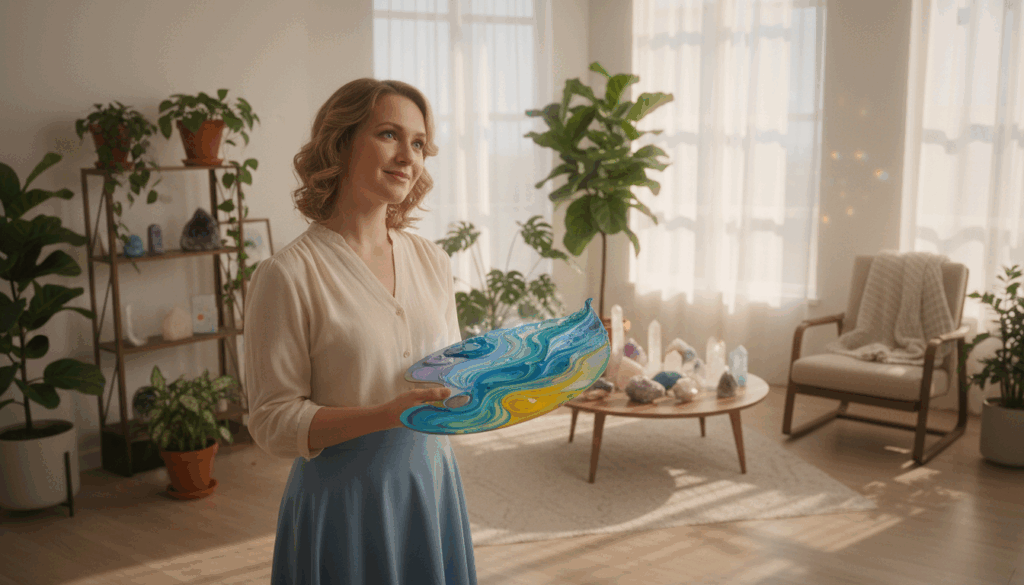
Start small: pick a daily aim, then choose a matching shade to guide clothes, rooms, or mind practice.
Wear it
Choose one accent—a scarf, ring, or crystal—to match intent for the day.
Green stones suit heart themes; blue pieces support clear speech.
This simple way makes an outfit a short, repeatable ritual.
Surround yourself
Decor and light shift mood fast. Warm hues lift alertness. Cool hues calm a room.
Try a blue or green bedroom for winding down, a yellow lamp in a desk corner for clarity, or creams and browns for a recovery nook.
Meditate with color
Close eyes and imagine a soft hue filling your body. Breathe slowly for three to five minutes.
Add gentle sound or dim light to deepen the practice.
| Intention | Suggested tones | Easy action |
|---|---|---|
| Calm | Blue, green | Bedroom lamp, soft scarf |
| Focus | Yellow | Desk accent, short light session |
| Confidence | Warm golds | Jewelry, bold pillow |
| Creativity | Orange | Art, small décor swap |
Practical considerations and safety
Start short with any colored light to avoid eye strain or headache.
People with photosensitive epilepsy, certain eye conditions, or those on photosensitizing meds should consult a clinician first.
If sleep or vision changes appear, pause the practice and seek advice.
“Keep tests short and kind to your body; preferences change over years, so adapt what feels stable and useful.”
For supplies and simple ritual items, see a handy guide to spell ingredients.
Conclusion
Many find that small, repeatable experiments reveal which tones help most. Try one hue for a week in clothing, décor, or a short meditation and jot simple notes about mood and focus.
Use both chakra maps and chromotherapy as guides: chakra links pair a center with a matching hue, while light-based therapy offers practical ways to shift mood and sleep. Green, blue, white, and yellow appear most often as helpful choices for balance, calm, cleansing, and clarity.
Keep safety in mind: limit strong sessions, pause if eyestrain or headaches appear, and consult a clinician for any health concerns. Color work can support wellness, but it should complement—not replace—professional care.
Finally, trust what draws you today. Your preferred hue may change across years, and that natural shift can guide fresh, useful choices for daily life.