

Ready for a simple, practical path to calm and balance? This short guide explains a safe, gentle process used to ease stress and support wellness. It maps a full session flow: prep, setting intention, scanning, hand placement or hovering, noticing sensations, then closing and grounding.
This is for beginners, curious skeptics, and anyone seeking stress support. You will learn clear steps for self-practice at home and what to expect when working with a trained practitioner. The methods covered include Reiki, Therapeutic Touch, Quantum Touch, EFT tapping, and meridian-based approaches.
Sessions often bring warmth, tingling, or simple calm. No dramatic sensation still counts as progress. These techniques are gentle and meant as complementary care; keep medical treatment for diagnosis and therapy.
Key Takeaways
- Step-by-step session flow gives clear, practical steps for a calm session.
- Both self-practice and practitioner sessions have useful roles.
- Common modalities include Reiki, Therapeutic Touch, Quantum Touch, EFT, and meridian work.
- Feelings vary; subtle shifts can be meaningful.
- Use these methods as a complement to, not a replacement for, medical care.
What Energy Healing Is and How Energy Work Supports Balance
Certain holistic practices focus on the body’s subtle fields to support calm and overall balance. Energy work is an approachable, noninvasive set of methods aimed at relaxation and wellbeing.

Life force energy appears in many traditions: Reiki calls it Ki, Chinese medicine names it Qi, and yogic systems use Prana. These terms all point to a moving force that supports normal body function and flow.
Blockages describe areas that feel stuck, tense, or depleted. Practitioners focus on those spots to encourage freer movement of life force energy and restore balance.
- Hands-on: light touch or hovering to pass channelled force energy.
- Non-touch: scanning with hands held above the body to sense and clear imbalances.
- Both: aim to support the nervous system and promote relaxation without forcing change.
| Approach | Main Action | Typical Signs |
|---|---|---|
| Hands-on (Reiki) | Light touch or hovering | Warmth, tingling, calm |
| Non-touch (Therapeutic Touch) | Hand movement above body | Sense of release, deep rest |
| Combined | Tailored to client comfort | Subtle shifts, emotional relief |
People may view this as spiritual or as a mind-body practice that shifts the nervous system toward rest. For more context on related methods, see a concise psychic healing overview. The next section turns these ideas into steps you can follow safely.
Who Energy Healing Can Help and When to Use It Alongside Medical Treatments
Those facing ongoing stress, pain, or anxious days may look for gentle ways to feel steadier.
Common goals are simple: better relaxation, steadier mood, sleep support, and mild pain relief. Many individuals report improved quality of life and deeper rest after sessions. Keep expectations modest; results vary by person.

Who often seeks support
- People with daily stress, chronic tension, or emotional overload.
- Those aiming to add noninvasive therapies to a wellness plan.
- Individuals using relaxation to manage mild symptoms of anxiety or poor sleep.
Complementary-care guidance
This approach supports wellbeing but does not diagnose or replace medical care. Talk with a clinician for new, worsening, or unexplained symptoms—especially post-surgery, sudden pain, or severe anxiety.
| Who | Usual Goals | When to See a Clinician |
|---|---|---|
| Stressed adults | Relaxation, sleep support | New or worsening symptoms |
| Chronic tension | Gentle pain support | Post-surgical care |
| Emotional overload | Emotional steadiness, reduced anxiety | Severe mental health issues |
Many remain skeptical, and that is reasonable. Even when effects are subtle, the relaxation response can benefit overall health. The next section covers safe preparation for a session at home or with a practitioner.
How Do You Perform Energy Healing Safely at Home or With a Practitioner
Simple safety steps make sessions more restful and easier to follow. Begin with intention and limits. That keeps the process gentle and useful.
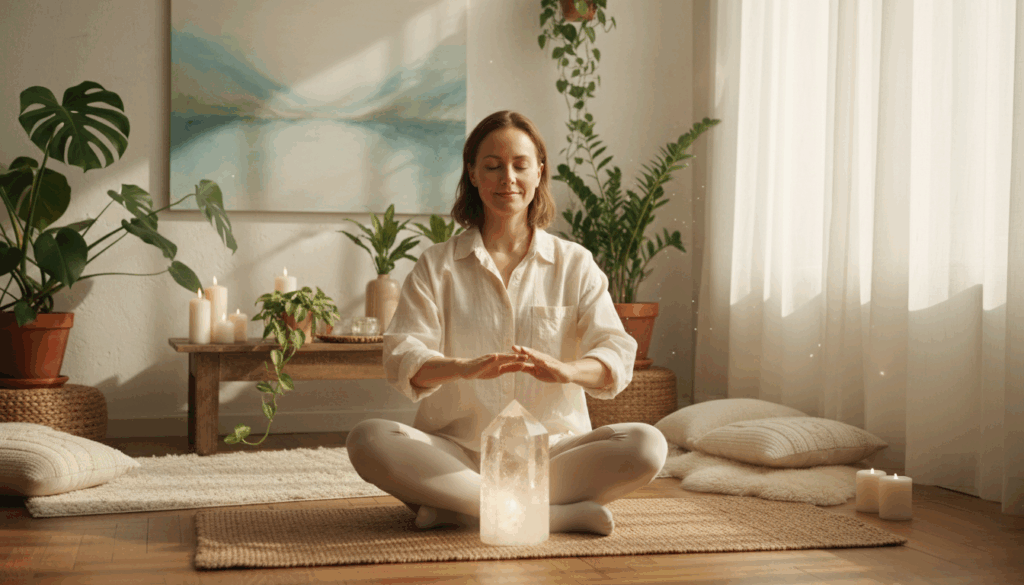
Setting an intention and choosing the right method
Pick one clear aim, such as “support relaxation” or “ease shoulder tension.” A short phrase helps focus the mind and guides the session.
Quick guide for technique choice:
- Reiki-style hands or hovering for calm.
- EFT tapping for emotional stress.
- Breath-led methods for anxiety relief.
- Reflex points for localized tension.
Creating a calm space for body and mind
Dim lights, silence or soft music, and phone on do-not-disturb help focus. Use a firm supportive surface and add pillows for comfort.
Ask the practitioner about touch, consent, and boundaries before the session begins. Clear communication protects comfort and trust.
Hydration, comfort, and aftercare
Wear loose layers, bring water, and have a blanket for warmth. A pillow under the knees eases the lower back.
Safety first: choose gentle methods, stay within comfort limits, and use this as supportive therapy alongside medical care. For related methods and more guidance, see psychic energy techniques.
Preparing Your Mind and Body for Effective Energy Flow
Start with a one- to three-minute centering practice to bring attention back to the present. This quiet pause helps the mind stop racing and lets the body shift into rest.

Centering practices to shift into “rest and digest” relaxation
Rest and digest refers to the parasympathetic response that slows heart rate and eases tension. That shift supports better stress tolerance and steadier emotional baseline for mental health.
“A calm nervous system invites clearer focus and gentler sensations during a session.”
Breathwork basics to reduce stress and support health
Try slow nasal breathing with longer exhales. Keep the pace comfortable. Avoid breath holds if anxiety rises.
- One- to three-minute centering: settle posture, close eyes, place hands on the lap.
- Gentle breath: inhale 4 counts, exhale 6 counts, repeat for a few minutes.
- Quick body scan: check jaw, shoulders, and belly for tension and note one area to focus on.
| Practice | Time | Benefit |
|---|---|---|
| Centering routine | 1–3 minutes | Calms mind, primes body |
| Breathwork (slow nasal) | 3–5 minutes | Reduce stress, deepen relaxation |
| Pre-session scan | 1–2 minutes | Targets tension, aids clearer flow |
Tip: Even 5–10 minutes of steady practice can build lasting benefits for overall health and support smoother energy flow over time.
The Step-by-Step Energy Healing Process From Start to Finish
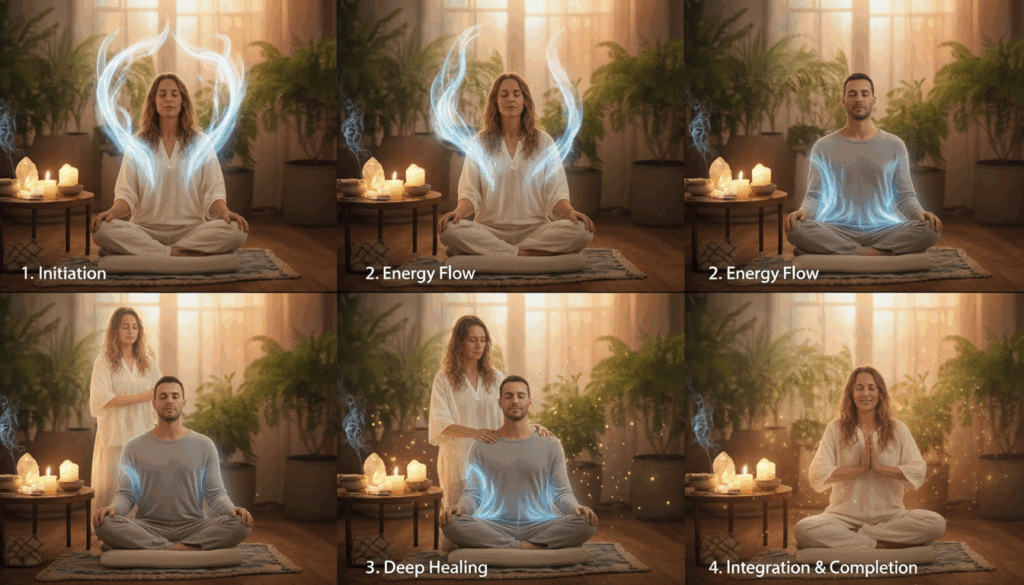
Follow a simple, repeatable sequence to guide a full session from check-in through grounding.
Step 1 — Check-in: Name current symptoms, stress level, anxiety level, and the specific areas of the body that need support today. Jot a quick note so you can track changes over time.
Step 2 — Scan: Move slowly from head to feet. Sense tension, hot spots, heaviness, or dull areas. Frame this as mindful noticing rather than a test.
Step 3 — Hands or hovering: Place hands lightly or hold them a few inches above key spots: head, chest, abdomen, hips, knees, feet. In Reiki-style work the hands may rest; in Therapeutic Touch they pass above the body to clear blockages.
Step 4 — Stay present: Notice sensations like warmth, tingling, cooling, or gentle pulsing. Breathe and adjust hand positions. If dizziness or strong discomfort grows, stop and rest.
Step 5 — Close and ground: Sweep hands outward, place one hand on heart and one on belly, then ground through the feet and slow breaths. End gently and drink water.
| Stage | Action | Timing |
|---|---|---|
| Check-in | Name symptoms, stress, and target areas | 1–2 minutes |
| Scan | Slow head-to-toe body scan for tension | 2–5 minutes |
| Hands / Hover | Head, heart, abdomen, hips, knees, feet positions | 6–15 minutes |
| Close & Ground | Sweep hands, heart/belly hold, grounding breaths | 1–3 minutes |
Timing tip: Aim for 10–30 minutes. Consistency and calm attention help restore balance more than intensity.
Core Techniques People Use for Energy Healing
A few well-known methods give beginners clear options for gentle support and calm. Each technique looks different in practice, so pick one that fits comfort and goals.
Reiki
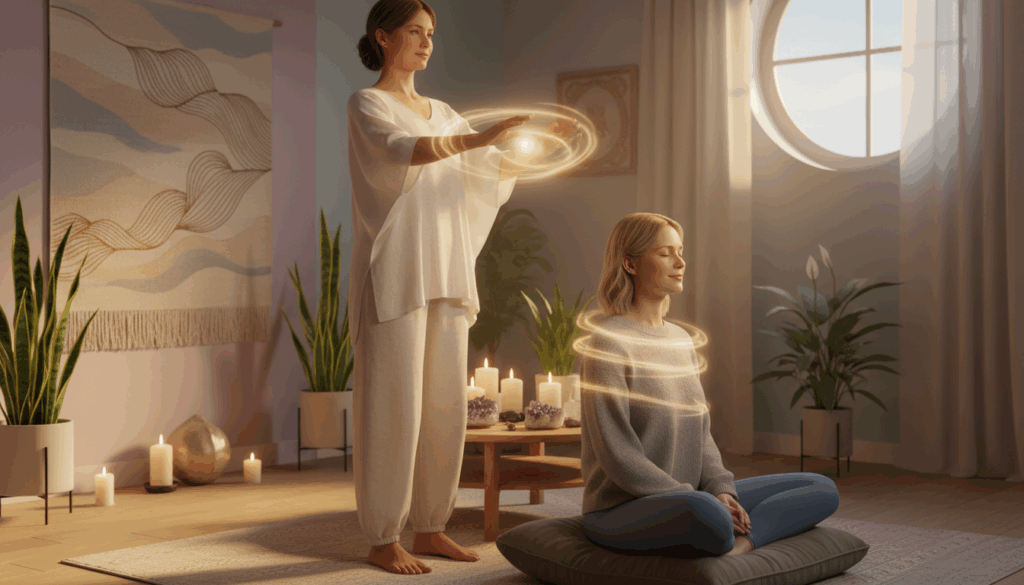
Reiki blends “Rei” (universal) with “Ki” (life force energy). A practitioner works as a conduit and places light hands on or just above the body.
This process often focuses on common positions: head, chest, abdomen, and feet. People choose reiki for relaxation, stress relief, and gentle emotional grounding.
Try this at home: Rest for five minutes, place one hand over the heart and one on the belly, breathe slowly, and notice subtle shifts.
Therapeutic Touch
Therapeutic Touch uses non-touch scanning. The practitioner centers, then moves hands above the body to sense imbalances and clear fields.
Sessions feel still and observant—no pressure, just careful attention to restore balance.
Try this at home: Hover your palms a few inches from the tense spot, sweep slowly outward, and pause to sense changes.
Quantum Touch
Quantum Touch combines light touch, breath work, and tracking sensations. The three-step flow is simple: gentle contact at the area, guided breathing, and mindful noticing.
It appeals to people who like to track subtle physical changes during a session.
Try this at home: Place a soft touch on a sore spot, breathe in rhythm, and watch for warmth or easing in small moments.
- Selection tips: Choose reiki for stillness, Therapeutic Touch for non-touch preference, and Quantum Touch if breath-led sensing fits better.
- Different bodies respond differently; aim to restore balance rather than force dramatic sensations.
| Technique | Primary Mode | Good for |
|---|---|---|
| Reiki | Hands-on / Hovering | Relaxation, emotional grounding |
| Therapeutic Touch | Non-touch scanning | Subtle field balancing |
| Quantum Touch | Light touch + breath | Pain presence, sensation tracking |
Energy Healing Modalities Rooted in Chinese Medicine and Meridian Systems
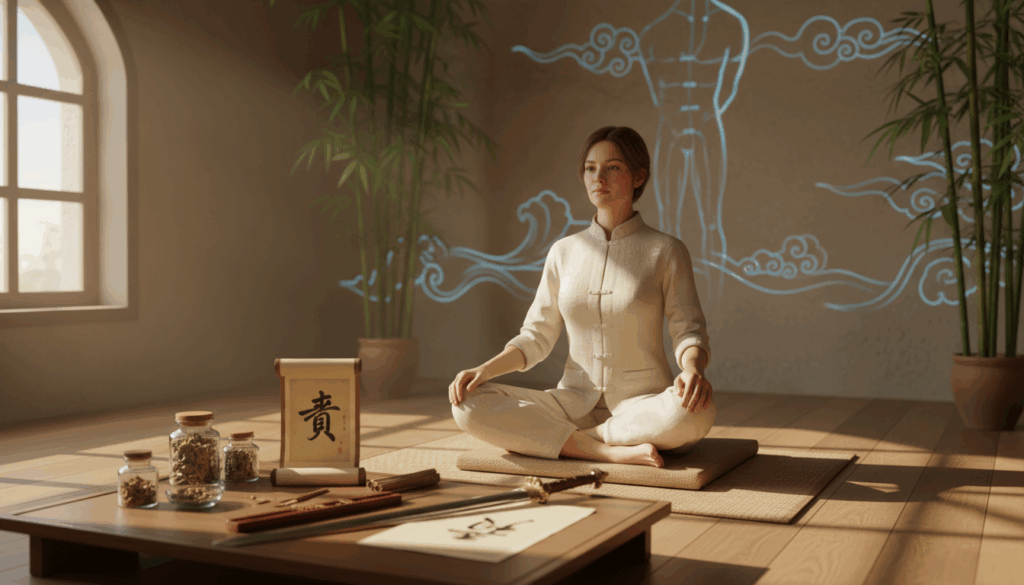
Practices rooted in Chinese medicine aim to restore balance by working with mapped pathways called meridians. These channels link organs, tissues, and reflex zones so treatments target flow across the whole body rather than a single symptom.
Acupuncture
Acupuncture inserts very thin steel needles at acupressure points—often on the head, neck, back, or limbs—to rebalance energy flow and ease pain or tension. Acupressure points are specific spots where meridians come near the surface and can influence wider systems.
Safety note: Licensed professionals use sterile, single‑use needles. This treatment is not an at‑home technique and should be chosen when structured clinical care is preferred.
Qigong
Qigong is training that blends gentle movement, posture, and breath to improve qi flow. Benefits can include lower blood pressure, reduced pain, and better sleep.
Beginner routine: stand relaxed, breathe slowly, and sweep the arms outward and inward for 5 minutes.
Reflexology
Reflexology applies pressure to mapped points on the hands, feet, and ears. Practitioners aim to send soothing signals along twelve pathways linked to nerves, muscles, glands, and organs. Many choose reflexology for stress relief and deep relaxation.
“These are complementary treatments; coordinate with medical care for ongoing pain or health concerns.”
For more on related methods and practical guidance, see a concise overview at energy manipulation.
Emotional and Aura-Based Approaches for Stress and Anxiety Support
When emotions feel stuck, short aura-based methods can offer practical relief.
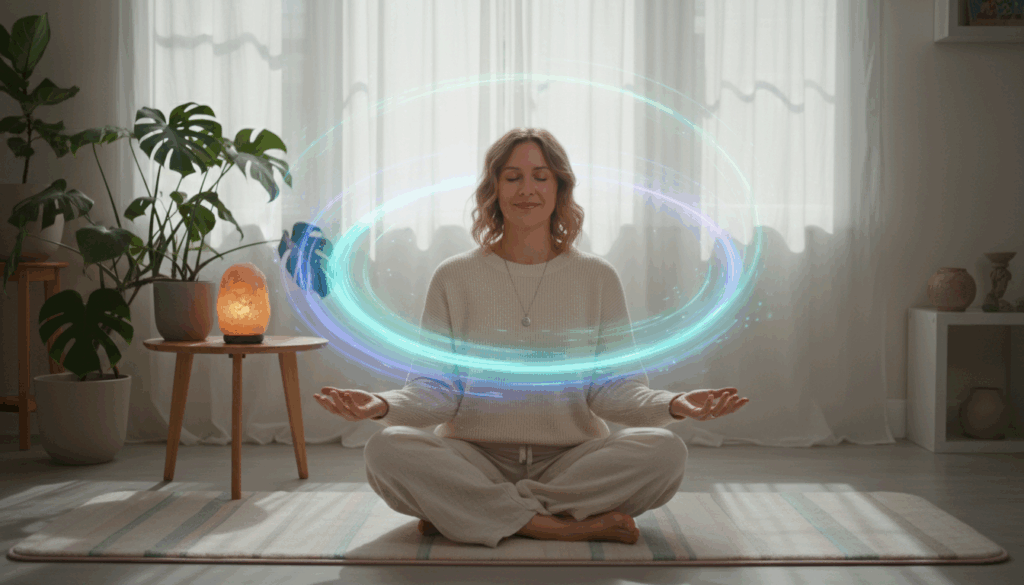
Pranic healing uses a non-touch scan of the aura to find and clear blockages. A practitioner gently identifies dense spots, clears them by scattering, then “recharges” the field with fresh, revitalizing energy. This feels neutral and is suited to individuals who prefer hands-off therapy.
Pranic scanning and recharging
Scan, clear, recharge: the practitioner senses a blockage, clears it, and restores flow. Many people report reduced stress and a lighter mental state after a session.
EFT tapping and quick structure
EFT (Emotional Freedom Techniques) pairs tapping on acupressure points with focused reframing. It is simple to learn and works well between appointments.
Try this short pattern: name the feeling → rate intensity (0–10) → tap while repeating a calm statement. Repeat until intensity drops. EFT is ideal for DIY-minded people who want an accessible tool for anxiety and stress relief.
Polarity Therapy basics
Polarity Therapy blends gentle pressure, guided movement, and daily habits like mindful eating and yoga. Sessions use light touch and motion to release blockages and support lasting balance. It fits individuals seeking lifestyle alignment rather than a single-session fix.
Who benefits most: EFT suits active self-practice; Pranic works for non-touch preference; Polarity supports those open to daily habit change.
“These approaches can support mental health but are not substitutes for therapy, medication, or crisis care.”
| Approach | Main Action | Best for |
|---|---|---|
| Pranic healing | Non-touch aura scan and recharge | People preferring hands-off therapy |
| EFT | Tapping + focused reframing | DIY-minded individuals for stress and anxiety |
| Polarity Therapy | Gentle pressure, movement, daily habits | Those seeking lifestyle balance |
For related guidance on safe boundaries and protection during sessions, see psychic protection.
What to Expect During and After an Energy Healing Session
A session may leave the body calm and the mind clearer, or it may stir a brief emotional release. Set realistic expectations: feeling a lot or feeling little both fall within a normal range.
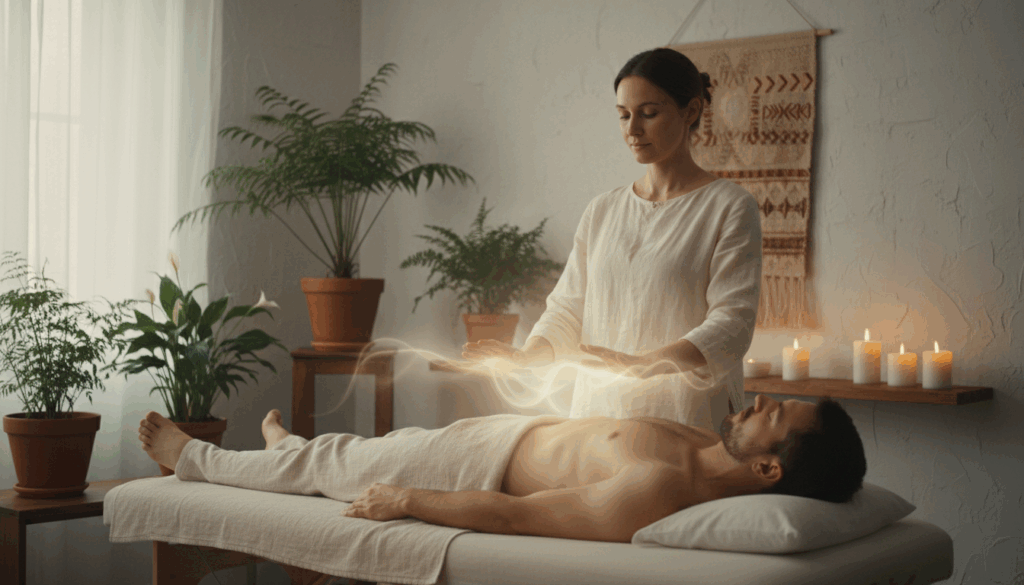
Typical mental and emotional outcomes
Common reports include deep relaxation, a sense of peace, emotional release (tears or laughter), and clearer thinking afterward.
These shifts often help people notice new perspectives on stress and daily choices.
Common physical sensations
Individuals may feel warmth, coolness, tingling, lightheadedness, or gentle pulsing. Sensations can come and go during the session.
If dizziness or strong discomfort appears, pause the session and rest. Contact a clinician if symptoms worsen.
Aftercare and tracking
Simple aftercare: drink water, eat something grounding if hungry, avoid rushing into tasks, and rest when possible.
Track sleep, pain, and other symptoms for a few days to spot patterns. Recording these notes helps reveal long-term benefits for wellness and health.
Journaling prompts
- What changed in my body after the session?
- What emotion surfaced, and how intense was it?
- What do I need today to support rest or recovery?
“Notice small shifts: better sleep, eased pain, or calmer thinking can indicate steady progress.”
For a short centering practice to pair with this follow-up, try the guided clairvoyant meditation. If any pain escalates or new medical concerns appear, reach out to a healthcare professional promptly.
Conclusion
Small, consistent practices often yield clearer benefits than occasional intensity. Use the step-by-step routine in this guide as a simple template: check in, scan, place hands or hover, breathe, then close and ground. A calm setup and steady practice matter more than perfect technique.
We covered main families: reiki-style hands, non-touch clearing, breath-led methods, meridian-based treatments, and emotional techniques like EFT. Evidence varies by method; acupuncture and reiki have the strongest support, while many approaches need more research.
Safety first: use this as supportive therapy alongside regular medicine and clinical care. Try one 10-minute hands/hover session with breathwork this week and track sleep, pain, stress, and mood for a few days.
Stay practical if skeptical—focus on relaxation benefits that support everyday health. For a next step, book a reputable practitioner or learn a structured course. For a concise practical guide, see this resource.
Goal: build simple routines that support balance, reduce stress, and fit modern life.