

Distance healing is an energetic connection you can form with focused intention and a calm heart. This brief guide shows a simple, life-affirming approach you can use when you cannot be there in person.
We outline a short, 17-minute practice inspired by Nicky Sutton. The guided session emphasizes relaxation, heart activation, awareness-based contact, sending warmth through the palm, and closing with gratitude and grounding.
This is a supportive wellness practice meant for comfort and emotional care. It is not a replacement for medical or mental health treatment when those services are needed.
The article walks you step-by-step: preparation and consent, clear boundaries, a heart-centered distance meditation, an alternative “ball of light” method, and simple aftercare. Practice gently and without pressure — you don’t need perfection to offer comfort.
For more background on psychic and distance methods, see a concise resource at psychic healing.
Key Takeaways
- Learn a short, heart-led meditation for remote support and comfort.
- Use clear consent, simple preparation, and gentle grounding.
- Try the palm-based method or a ball of light for ease.
- This practice aids relaxation and emotional care, not medical care.
- Keep efforts steady and kind — practice matters more than perfection.
What “distance healing” means and why it matters right now
When physical presence isn’t possible, distance healing offers a way to hold someone in a mindful, supportive way. At its core, distance healing is a focused practice where a person uses intention to offer calm and care across distance and time.
Distance connection across space and time
Distance healing describes directing attention toward a person who is not nearby. Many traditions call this life‑force by names like chi, prana, or ki. The practice treats care as a subtle bridge rather than a physical action.
Vibrational energy and the “everything is energy” view
Practitioners describe vibrational energy as the felt sense of warmth, focus, and coherence you cultivate. When you center your heart and calm the mind, that quality becomes what you offer. This idea rests on a simple premise: much of what shapes well‑being is subtle and relational.
When this practice can help most
- Physical pain and chronic discomfort
- Emotional stress, anxiety, and grief
- Burnout and general well‑being support
Evidence is mixed but encouraging: some studies and many user reports link distant methods with relaxation, reduced pain, and better mood. Reiki is one well‑known modality that people use at a distance. For more context on practical techniques and research, see psychic energy healing techniques.
This practice complements medical care rather than replacing it. Use it as compassionate support when practical help or treatment is also needed.

Before you begin: set the space, the mindset, and the intention
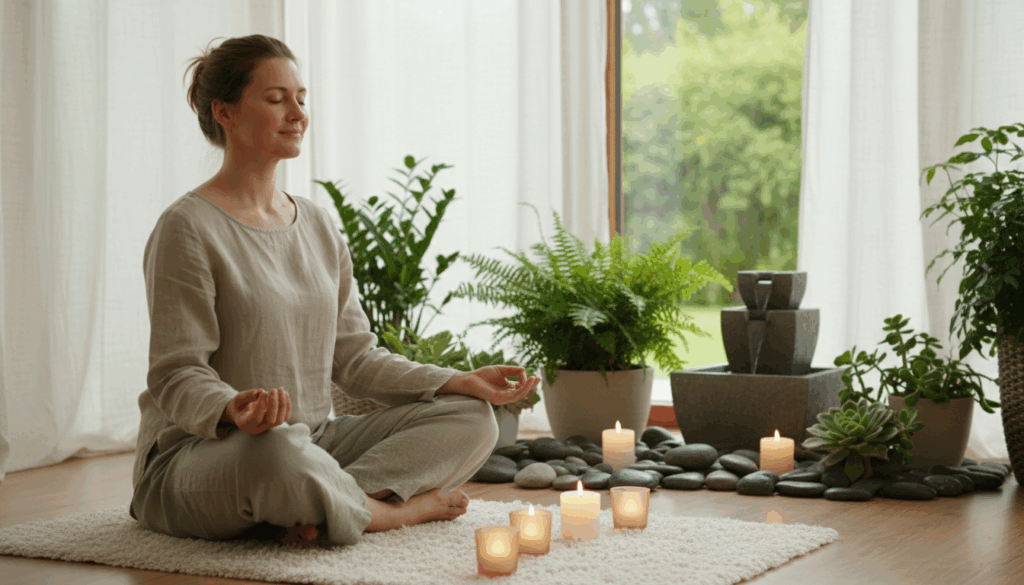
Start by making a calm, private space where focus and care are easy to hold. Choose a quiet, undisturbed spot, dim the lights if that helps, and silence notifications so the mind can settle.
Choose a quiet spot and take a moment to settle in
Pick a comfortable posture: seated with feet on the floor or lying down with support under the knees. Comfort keeps the body relaxed and prevents holding tension during the meditation.
Use breath to prepare your body and energy flow
Take a deep breath in slowly, then a longer exhale. Repeat this pattern three times. This simple rhythm helps the nervous system shift and improves energy flow through the body.
Set a clear intention for the recipient without forcing an outcome
Choose a short, open intention like “May you feel supported, comforted, and restored.” Make it gentle and non-demanding. If you cannot ask directly, add a boundary phrase such as “only if it is welcome and for their highest good.”
Consent, boundaries, and staying supportive (not controlling)
Consent matters. If possible, ask the recipient. If not, hold a boundary-based intention. Remind yourself you offer care, not responsibility for another person’s work or outcome.
- Ground first: feel your feet, notice the room, relax shoulders.
- If thoughts about results or worry arise, acknowledge them and return to breath and heart focus.
- Keep practice brief and steady—regular moments build confidence.
| Step | Action | Why it helps |
|---|---|---|
| Space | Quiet spot, dim lights, silence phone | Reduces distractions and mental noise |
| Breath | Slow inhale, long exhale (3 rounds) | Calms the nervous system and supports energy flow |
| Intention & Boundaries | Short, open intention; consent phrase if needed | Keeps support respectful and non-controlling |
How to send healing energy to someone with a heart-centered meditation
Settle in, close your eyes, and welcome a few slow, full breaths. Soften the jaw, let the shoulders drop, and make the posture easy and safe.
Relaxation and preparation
Take three deep breaths. With each exhale release tension. Keep the pace gentle and present—this readies the body for a short meditation.
Activate the heart with loving light
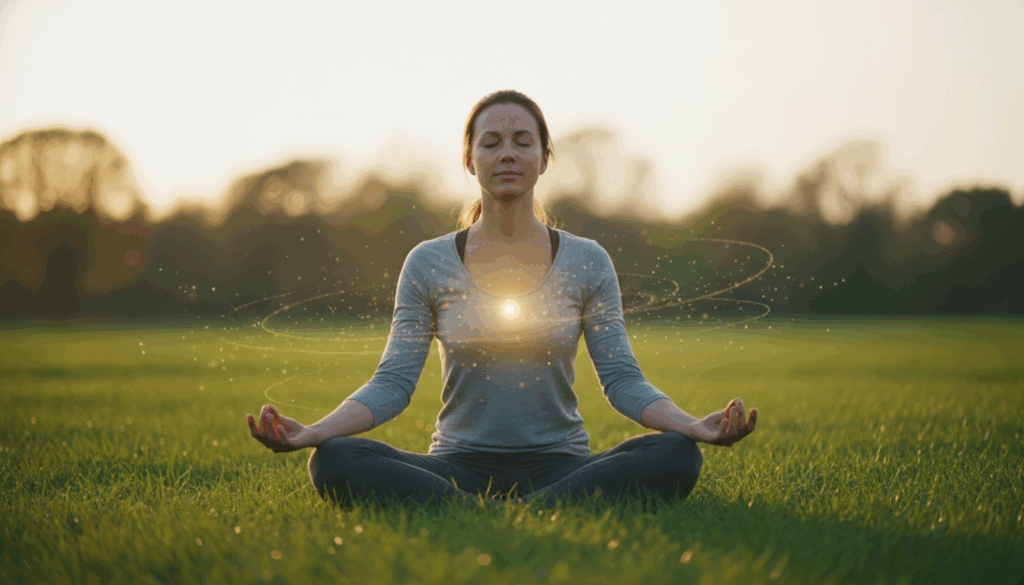
Bring attention to the heart center and picture a warm green or white light. The feeling of care matters more than a perfect image.
Connect across distance
Hold the person in awareness and trust the intention. Distance does not stop a clear, kind focus from forming a felt link.
Direct through the palm
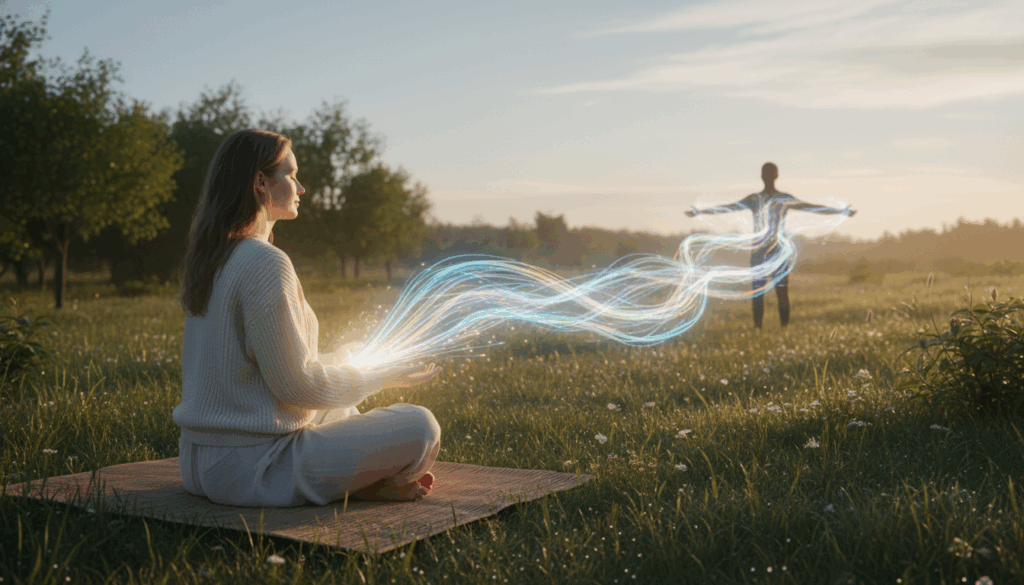
Sense energy moving from the heart down the arm and out the palm toward the recipient’s heart or a specific area. Stay soft; do not push.
Close with gratitude and grounding
Gently lower the arm, offer a wish of well-being, and ground by feeling your feet and breath. Appreciate the simple gift you offered.
“The heart is an infinite source of loving care.” — adapted from Nicky Sutton
For a brief guided practice, see this guided practice.
Alternative method: sending a “ball of light” healing energy
If hands-based vision feels natural, the ball-of-light method can be clear and grounding.
Start at the heart. Breathe slowly and set a short intention such as “May you feel calm and supported.”
Build the ball in the hands
Bring your palms together, then open them slightly as if holding a sphere. Draw a warm white light from the heart through the arms into the space between the palms.
Sense the light growing. Let it feel the size that fits—small or about the size of a basketball—while you remain steady and relaxed.
Release and trust its journey
When the ball feels complete, imagine releasing it gently into the air. Trust that the ball finds its path and goes where healing is most needed.
Hold a mindset of offering rather than control. You provide support and then allow the process to unfold.

“Place your care in the light, then let it travel with trust.” — adapted guidance
| Stage | Action | Purpose |
|---|---|---|
| Heart | Set intention and breathe | Anchors focus and calm |
| Hands | Shape the ball of light | Contains the healing and concentrates energy |
| Release | Let the ball go and trust | Allows the light to reach the needed area |
Close with a short gratitude pause and one balancing breath so you end peaceful rather than drained.
What to feel for during energy healing and how to know you’re “doing it right”
Simple sensations often show you that your focus is working — learn to read them with calm curiosity.

Common sensations
Many people notice warmth or tingling in the hands, a softened chest, or slower breathing. These signs often come in quiet, subtle moments.
Thoughts may drift, and that is normal. A calmer mind and steadier breath are good markers that the practice is settling in.
Visualization versus intuitive knowing
Some people see clear images; others simply sense or “just know” where attention goes. Both ways are valid.
Nicky Sutton notes visualization grows with practice. Don’t pressure yourself—rely on feeling and intuition when visuals are faint.
Refocusing when attention wanders
Notice the drift, return to a soft breath, repeat your intention, and set the moment without judgment. That gentle reset keeps the meditation steady.
“Sensing and knowing guide the process more than vivid pictures.”
| What you may feel | Why it matters | Simple response |
|---|---|---|
| Warmth or tingling | Shows focus at the palms | Breathe and stay present |
| Soft chest or calm mind | Indicates nervous system relaxation | Repeat a short intention |
| Faint or no visuals | Normal for many beginners | Trust intuition and practice |
Tips: Use guided meditation or try guided meditations when learning. If you feel overwhelmed, pause and ground by noticing your feet and breath.
Benefits and evidence-informed context for distance healing
A growing body of research links focused distant practice with calmer minds and eased symptoms. People often report relaxation, less pain, and a stronger sense of well-being after brief sessions.
Why people report results: relaxation and symptom relief
Deep relaxation lowers stress hormones and quiets the nervous system. That shift can improve sleep and reduce the body’s pain response.
Research and practical examples
Some studies, including a 1998 trial with AIDS patients, found better outcomes among those who received distant support. Recent 2023 work on online energy healing noted relaxation and pain reduction in participants. Research on Reiki also reports benefits after surgery and for chronic conditions, often beyond placebo effects.
Alignment, trust, and ethical practice
Outcomes often feel stronger when sender and recipient share an intention and trust the process. Approach this as a supportive practice that can sit alongside medical care.
“Offer care without promising cures; prioritize safety and professional help when needed.”
| Reported Benefit | Why it may occur | Practical note |
|---|---|---|
| Relaxation | Reduced stress response, calmer breathing | Helps sleep and mood |
| Pain reduction | Less tension, lower perceived intensity | Often reported after short sessions |
| Improved well-being | Supportive attention and emotional safety | Best when paired with standard care |
For broader guidance and readings on related modalities, see psychic intuitive readings and guidance.
Aftercare: integrate the practice into your life and support others responsibly
A brief aftercare routine helps your nervous system come back into balance. Take a moment to breathe, feel your feet, and consciously close the session so the experience stays helpful, not heavy.
Reflection prompts — answer these right away in a sentence or two:
- How did you feel while connecting?
- What sensations appeared in your body?
- Did your mood change afterward?
- What insight, if any, arose?
Journaling moments can track patterns over weeks. Note small wins, surprising feelings, and any shifts in focus. Seeing trends builds confidence in your practice and life rhythms.
Ground with simple, US-friendly tools: step outside for fresh air, feel your feet on the floor, take a slow walk, or run a five-senses check-in. These actions help you re-center and keep boundaries clear.
Responsible support: avoid over-sending when tired. Short, steady meditation sessions often help others best when you care for your nervous system first. For ongoing learning, consider guided resources like Nicky Sutton’s work and explore psychic development workshops for beginners at psychic development workshops.
“Close with gratitude, ground with breath, and keep your practice gentle.”
Conclusion
Conclusion
Let the last moment be simple: rest in the heart, breathe slowly, and offer calm presence. You can offer comfort across distance by relaxing, focusing on love, and holding a kind, clear intention.
Two simple practices now ready are the heart-centered meditation (heart light and palm direction) and the ball-of-light release. Look for gentle signs—soft breath, warmth in the hands, or a quieter mind—as proof you are doing well rather than chasing dramatic results.
Take a deep breath, pick one person, and try a short 3–5 minute session today. If you prefer structure, use guided meditation tools and meditation Nicky resources like Nicky Sutton’s work for support.
Honor consent and healthy boundaries. Offer love, not control, and return grounded and calm. For further services, see spell-casting services.