
Short answer: there is no single, explicit date in Les Prophéties that nails a calendar day for a global finish.
Nostradamus wrote cryptic quatrains, not a dated guidebook. Modern readers often fit lines to recent headlines, creating a predicted end world narrative.
Millions of people across history have been drawn to apocalyptic claims. Polls show a sizable share of people expect dramatic change in their lifetime, and ministers and media fuel that interest.
This listicle will unpack what the book actually contains, how people retrofit prophecies to fit events, and why proving a single prediction is hard. We will preview claims tied to 2025, conflicts, plagues, a supposed fireball, and climate floods, then show how to separate pattern-seeking from sound analysis.
Approach: balanced, evidence-linked, and clear. We will pair interpretations with historical examples and polls, and define key terms like predicted end world and world end so readers can follow each claim.
Key Takeaways
- There is no explicit date in the book that states a day for a global finish.
- Les Prophéties is a collection of symbolic quatrains, not a calendar.
- Many modern claims retrofit lines to current events; be skeptical of specific forecasts.
- Millions have long been drawn to apocalyptic stories; polls reflect persistent interest.
- We will compare interpretations to data and show how to read prophecies critically.
For further reading on related forecasts and modern psychic claims, see psychic predictions.
Why people ask when the world will end: prophecies, panic, and the present
People ask about a final day because dramatic predictions simplify many threats into one clear sign.
Psychologists say this makes complex danger feel manageable. People believe an easy answer can reduce anxiety, even if that answer raises alarm.
Religious traditions and past crisis times create a cultural habit of expecting drastic change. That history feeds modern secular themes like a headline-grabbing year or date.
A friendly press and social media reward bold claims. Clips about a specific year spread faster than careful probability discussions, so prediction talk gains traction.
- Simplicity: A single sign helps people make sense of chaotic events.
- Control: Believing a prediction can feel like regaining power.
- Distraction: Focusing on one claim can hide long-term risks.
| Driver | Why it helps | Result |
|---|---|---|
| Prophecy | Compresses risks into a single sign | Rapid spread of claim |
| Media | Amplifies bold year-based predictions | Sensational attention |
| Psychology | Provides perceived control | Mixed relief and anxiety |
“Simple signs win attention; analysis wins answers.”
Bottom line: A calm, evidence-led view helps compare dramatic stories to expert views about the future and real risks.
Who Nostradamus was: the 16th‑century astrologer, physician, and author of Les Prophéties
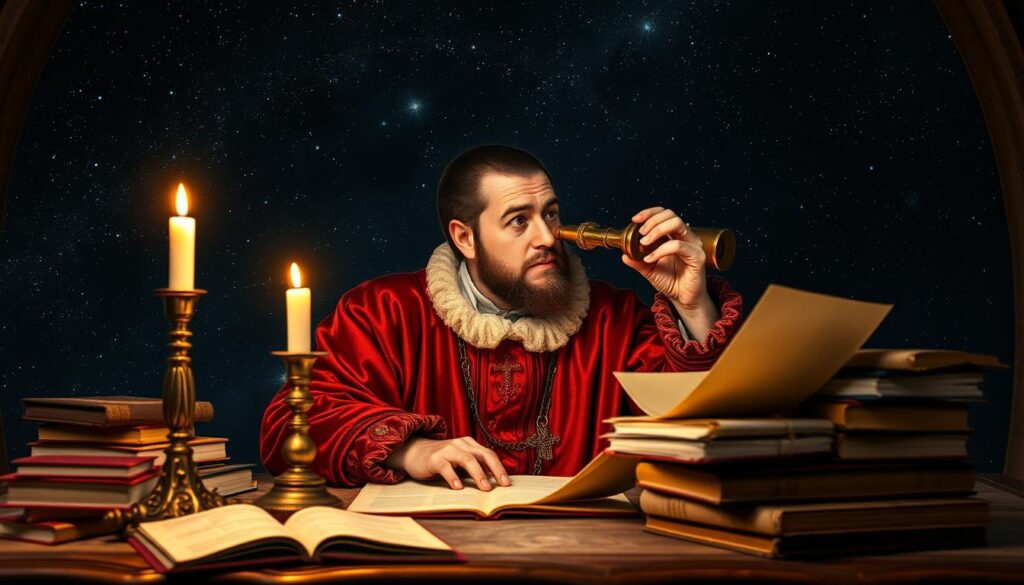
Michel de Nostredame was a French physician and astrologer from the 16th century. He published Les Prophéties in 1555, a compact book of four‑line verses. That book grouped quatrains into collections called “Centuries.”
The book of quatrains: centuries, verses, and vague signs
Each quatrain blends symbols, places, and hints. This style invites creative readings across years. Readers often map lines onto events after those events occur. That habit fuels claims of precise prediction.
Why people believe: reputation, interpretation, and cultural memory
Reputation grew as later readers tied quatrains to famous leaders and crises. Repetition by writers, ministers, and media kept interest alive years ago and today.
- Les Prophéties (1555) uses imagery, not calendars.
- Vague wording allows many modern readings.
- Cultural memory and public figures sustain belief.
| Feature | Effect | Why it matters |
|---|---|---|
| Centuries | Grouped quatrains | Easy to reference across time |
| Symbolic language | Ambiguous meanings | Allows selective fitting to events |
| Later annotations | Added context | Boosts perceived accuracy |
“Vagueness invites interpretation; context limits it.”
In short, the book’s form and its cultural afterlife explain why many see a specific prediction in vague lines. Look for documented context rather than dramatic narrative appeal.
When did Nostradamus say the world would end
Short answer: no explicit dated finish appears in that book. What exists are poetic quatrains. Modern readers and media often turn metaphors into hard prediction claims.
The short answer: no explicit dated “end,” only interpreted quatrains
Lines mention signs in the sky and strange omens. Those phrases are open to many readings.
Because wording is vague, an article can attach a single year to a line and call that a prediction.
How dates like 2025 get attached: modern readings of ambiguous lines
During turbulent times, people hunt for patterns. After major events, commentators map verses onto real headlines. This retrofitting process makes one claim look like a true predicted end.
Caution: loud headlines often drown out quiet scholarly views that quatrains are not literal calendars.
| Step | What happens | Result |
|---|---|---|
| Vague image | Mentions sky signs or conflict | Fits many years |
| Event occurs | Readers search for matching lines | Bold prediction claim |
| Media repeat | Headline amplifies | Public accepts match |
“Compare claims to source text, not to viral headlines.”
List of 2025 interpretations people attribute to Nostradamus
Short intro: Contemporary summaries pin several vivid predictions 2025 scenarios to a handful of quatrains. These are modern readings, not explicit calendar lines.
- Long European war and resource exhaustion: Commentators describe armies worn down after a drawn-out conflict, citing phrases now shortened to “Gallic brass” and the “crescent sign” as shorthand for possible French or Turkish involvement near a war’s close.
- “Cruel wars” and upheaval in England: Many posts frame this as internal turmoil or factional fights. The verse notes conflict, but it names no specific leader or outcome.
- Return of an “ancient plague”: Health scares revive this phrase. Writers reuse the image during outbreaks so a prediction feels timely in any year.
- Fireball from the sky — asteroid or atomic: Some readers call it an asteroid; others see a man-made blast. The line about “science and fate” fuels debate over a technological harbinger fate.
- Rise of an “aquatic empire” amid floods: Flood and sea imagery become an aquatic empire metaphor, tied by some to coastal loss or Amazon damage and a symbolic rise of watery rule.
Note: These items are interpretations of quatrains, widely circulated in news and social posts this year. They summarize popular takes on possible events rather than offering a dated predicted end or clear end world timetable.
“Read lines as images, not as a strict calendar.”
War and peace: predictions of wars, leaders, and shifting empires
Reports often cast vague verses as military forecasts, then map them onto current conflicts. This creates a neat story: a long war tires armies, supplies run low, and new powers step in.
Ukraine conflict fatigue and outside powers
Some modern readers tie lines about worn troops to a long European war ending from resource exhaustion. Phrases like Gallic brass and the crescent sign get read as shorthand for outside powers influencing outcomes.
Why that matters: these images are symbolic. They can fit many scenarios, so a neat label does not equal a literal prediction about a specific year.
Internal foes and a possible English crisis
Other interpretations point to “foes within,” applying those words to domestic political strain in England. Such readings treat quatrains like a mirror for current unrest, not a clear map to a single leader.
Leader names seldom appear in the verses. Readers project modern figures into old lines, creating a false sense of precision.
“Symbols adapt easily — that makes retrospective matches tempting but not definitive.”
Takeaway: track news and examine sources, but avoid treating any single sign as proof of an end world trajectory. For related modern psychic material, see Sirian starseed.
Plague, pestilence, and pandemics: reading “ancient plague” in modern times
References to an ancient plague in old quatrains often act as a flexible label for any major disease resurgence. That short phrase gets reused to describe both old scourges and new variants in media and social posts.
Historically, big outbreaks like the Black Death were read as signs of doom. People across Europe tied disease to moral and cosmic collapse, so plague language still resonates in our world.
Today, commentators apply the label to diverse events. Shifts in climate can change insect ranges and transmission patterns, which helps fuel claims that a line in a verse predicted current outbreaks.
- Flexible label: “Plague” is used for resurgences and new threats, not a dated medical forecast.
- Historic context: Major epidemics long acted as apocalyptic imagery.
- Climate link: Environmental change can alter disease risk, but causation is complex.
“A poetic mention of pestilence is an image, not a calendar.“
Follow public health data and expert updates to judge real risk. Avoid turning evocative lines into a fixed prediction about the end world in any given year.
Asteroid collision or man‑made fireball: decoding the “harbinger of fate”
A vivid quatrain about a blazing object in the sky sparks two very different modern readings.
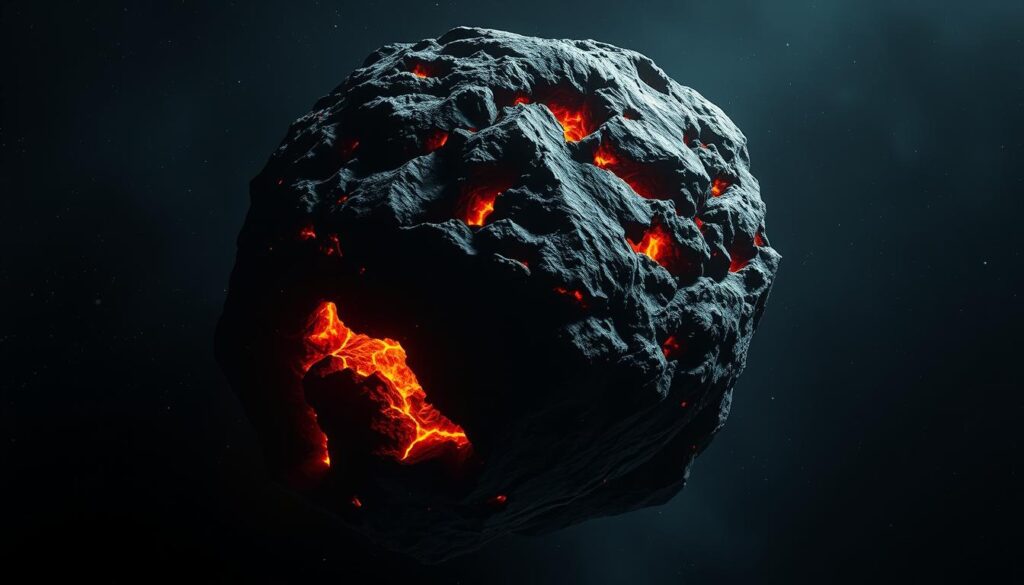
Cosmic fireball vs. nuclear fire: competing interpretations
Two popular readings treat the line either as an asteroid impact or as a massive human blast. Some authors frame it as a cosmic omen, a natural hazard from space. Others see a man-made fireball, a warning about weapons and hubris.
- Cosmic reading: the image fits an asteroid or meteor trigger.
- Human reading: it evokes nuclear or large-scale technological disaster.
Science’s outlook on near‑term asteroid risk
Scientific agencies track objects and publish collision probabilities. Experts say truly catastrophic impacts are extremely rare for our planet on near‑term timelines.
Bottom line: poetic language about a fireball and science fate yields an arresting prediction, but it does not give a date or a guarantee. Use space agency updates to check real risk and weigh dramatic imagery against evidence.
“A striking image is not a calendar; check data.”
Floods, oceans, and the “aquatic empire”: climate change or mythic rise
Some readers turn an image of rising seas into a literal forecast about coastal power and politics. That link ties a poetic phrase to modern concerns about sea‑level rise and extreme flood events.

How connections form: commentators map an “aquatic empire” onto escalating floods, coastal loss, and even Amazon devastation. These readings are speculative. They reflect worry about climate change more than clear text that dates a prediction or year.
Why the rise motif sticks is simple. A dramatic water image offers a clear narrative about the future. It gives readers an easy story about shifting power, damaged coasts, and new leaders born from crisis.
- Imagery often mirrors present events, not a dated forecast.
- Claims about specific years usually reflect current fears.
- Scientific tracking of hydrology and sea levels yields real, evidence‑based signals.
“Symbolic flood lines can guide concern — but they do not replace data.”
Bottom line: treat aquatic empire readings as metaphorical. Follow expert reports on planet flood risks and hydrological effects to separate poetic image from an imminent end world scenario.
How apocalyptic dates spread: a brief list of past “end of world” predictions
Stories about final days have resurfaced at many tense times. They often tie a single day to fear, giving a neat answer for complex crisis.
Religious timelines and bold calendar claims
Early examples include 1 Jan 1000 and 1033, linked to Christian millennialism. Later figures in the 1500s–1600s, like Martin Luther and Michael Stifel, made specific year calculations that failed to hold.
Comets, alignments, and sky signs
Sky events sparked panic across years: Jacob Bernoulli’s 1719 comet fears and the 1910 Halley’s Comet gas scare show how astronomy can trigger a predicted end claim.
Modern culture and the 2012 phenomenon
Groups such as the Millerites in 1844 created the “Great Disappointment.” In modern times, the 2012 cycle repackaged a secular predicted end world narrative in pop culture without any real event.
- Ministers and leaders repeatedly set a day and were proven wrong.
- Wars, plague, and death often made claims feel plausible in the moment.
- History shows confident forecasts can still fail, again and again.
“Dates comfort anxious people, but history records many wrong calendars.”
For related fringe claims and long‑running myths, see ancient alien theories.
Why people believe: psychology, fear, and the search for a single cause
Short intro: Many people prefer a simple cause for complex risks. That neat answer can reduce stress and make future time feel manageable.
Paranoia, powerlessness, and fascination with fear
Psychologists point to paranoia and a sense of powerlessness as major drivers. When daily life feels unstable, chasing one clear claim gives control.
A 2012 poll across 20 countries found about 14% expect the world to end in their lifetime. Belief rose among younger adults and those with lower income or schooling.
Media, fiction, and the romanticism of end times
Books, shows, and headlines glamorize apocalypse scenes. Dramatic plots make a single prediction more tempting than careful probability analysis.
- Simple story: a single prediction turns complex events into one visible plot.
- Emotional cues: war, disease, and death attach easily to prophetic language.
- Scale: millions exposed to viral claims create a feedback loop.
| Driver | Why it helps | Result |
|---|---|---|
| Paranoia | Reduces uncertainty | Faster belief adoption |
| Media | Romanticizes disaster | Higher spread of claims |
| Social sharing | Amplifies fear cues | More people accept a day or prediction |
“Check sources and treat bold dates skeptically.”
Predictions vs. probabilities: scientific timelines for real global risks
Scientific risk estimates focus on probabilities and timelines, not poetic warnings. Experts frame hazards as odds and timespans. That difference matters for how we treat dramatic claims.
Asteroids, climate change, and nuclear risk in expert assessments
Asteroid collision threats are tracked by global agencies that map orbits and impact chances. Most catastrophic scenarios sit on very long timescales for our planet, often thousands to millions of years.
Climate change and nuclear war are serious risks with measurable effects. Scientists model gradual and abrupt impacts, but consensus does not place a certain end on near‑term calendars.
Public perceptions versus expert views
Surveys show a perception gap. In UK 2015 data, 23% of the public believed an apocalypse likely in their lifetime versus 10% of experts.
People often overweight dramatic events and short timelines. Experts weigh probabilities and mitigation, so their future outlooks differ.
- Contrast: narrative prediction appeals to emotion; probability analysis guides policy.
- Track risk: follow transparent agencies for updates on real events and indicators.
- Takeaway: treat any single sign as a claim to check, not a calendar for a world end.
| Risk | How experts assess it | Typical timescale |
|---|---|---|
| Asteroid collision | Orbit tracking, probability models | Thousands to millions of years |
| Climate change | Emissions models, regional effects monitoring | Years to decades for major shifts |
| Nuclear war | Strategic analysis, scenario modeling | Immediate to decades depending on escalation |
“Compare dramatic prediction claims to expert odds and transparent data.”
Reading Nostradamus responsibly: vagueness, retrofitting, and confirmation bias
Quatrains are crafted to provoke imagination, not to set a date on a calendar. Their vague images let many readers find a match after an event happens.
Retrofitting means scanning a book of verses after a crisis and picking lines that seem to fit. That process can turn an open image into a claimed prediction.
Confirmation bias then favors hits and ignores misses. People remember a single striking sign and forget the many lines that did not fit real events.
How to read responsibly:
- Check exact wording and original context before accepting a match.
- Compare alternate meanings rather than leaping to one claim.
- Look at dates and historical time to see if a verse actually refers to modern years.
“Treat poetic lines as images, not as a literal schedule.”
Bottom line: keep textual analysis separate from headlines. That helps avoid mistaking evocative verse for a firm end world calendar or a precise prediction.
Keywords through history: prophecy, signs in the sky, and the language of fate
Sky phenomena often carried a sign value far beyond optics. Comets, eclipses, and odd alignments were read as messages that required interpretation.
Sixteenth-century writers shaped many of those meanings. A noted astrologer wrote in a style that matched other prophetic book compilations of that 16th century.
Communities and a leader in power reacted to celestial cues years ago, treating them as hints about fate. Those reactions helped cement a culture of reading images as literal prophecies.
Because language in a single verse can sound urgent, readers now may turn poetic lines into an actual prediction. That habit fuels claims about an end or an end world date.
- Trace: words like “sign” and “fate” framed sky events as coded messages.
- Context: 16th-century astrologer traditions reused symbolic rhetoric across a century of texts.
- Decode: check rhetorical style before treating a phrase as literal.
“Symbols in the heavens once guided politics and belief; today they still shape dramatic readings.”
What to watch in the year ahead: events, signs, and separating signal from noise
A practical checklist helps separate dramatic claims from real, verifiable developments in the year ahead. Keep calm and favor steady reporting over viral posts about a single day or dramatic prediction.
Monitoring claims about dates, collisions, and “signs”
First, verify any claim about a specific day or an asteroid collision with scientific trackers. Space agencies and catalog databases publish object lists and impact odds. Cross-check headlines with those sources before sharing.
Relying on transparent sources for war, climate, and health events
Follow official briefings for war updates. National and allied press offices provide timelines and named facts that beat rumor. For climate and health, rely on agencies that post data and methodology.
- Checklist: confirm any day-based claim with an authoritative source.
- Spot strong signals by checking for corroboration from multiple, independent agencies.
- Track war updates through public briefings and verified reporters, not anonymous posts.
- Use climate and health agencies for measured assessments, not single-quote interpretations about an aquatic empire or sudden plague.
- Notice when a rapid rise in sensational claims lacks supporting data — that often marks noise, not signal.
“Leaders, institutions, and scientific agencies publish regular reports that outlast hype cycles and provide context.”
Final tip: keep a future-focused stance. Verify any dramatic prediction, check named sources, and favor steady updates over quick scares. For related star and channeling themes, see the Pleiades and Sirius connection at Pleiades and Sirius connection.
Conclusion
A sober view finds metaphor and choice more often than an exact date in those lines.
Quick recap: Nostradamus did not name a dated end or a precise world end; modern readers supply specificity. This guide shows how poetic images differ from a firm prediction and why experts favor probability over a single dramatic claim.
Second chance is a useful frame: informed choices shape fate more than one verse. Science fate assessments place major natural threats on long years and low near‑term odds for total collapse of our planet.
Use this piece to judge future claims. Balance curiosity with evidence, check sources, and remember that one match does not outweigh centuries of failed predicted end world stories. For related reading on supernatural abilities, see supernatural abilities.