

Ready to choose a deck that fits your reading goals and your heart? This compact guide helps beginners and collectors find clear, practical picks. We focus on what matters most: artwork, card stock, guidebook depth, and how the cards work in real readings.
The classic 78-card structure blends 22 Major Arcana with 56 Minor Arcana across four suits. The Major Arcana map a personal journey from The Fool to The World, offering archetypal meaning you can apply to life themes.
We explain how suits link to elements — Wands for energy and creation, Cups for emotions, Swords for thought, and Pentacles for material life. You’ll get tips on readability, symbolism, and how well a guidebook covers upright and reversed meanings.
Follow our practical criteria, compare Rider‑Waite‑Smith, Marseille, and Thoth systems, and use suggested buying sources in the United States. If you want quick spread instructions, try a trusted resource like common spreads to start readings confidently.
Key Takeaways
- Major Arcana outline life themes from The Fool to The World.
- Suit symbols connect to elements and clear reading meaning.
- Choose for artwork, card stock, and a helpful guidebook.
- Compare Rider‑Waite‑Smith, Marseille, and Thoth to match your learning path.
- Beginners should favor readable images and solid guidebooks.
- Care tips help your cards stay functional for frequent use.
Start Here: How to Choose the Right Deck Today
Begin by naming what you want from a reading — clarity, study, or a shelf-worthy collection. In English-speaking regions most people first meet cartomantic sets made for divination and learning, not for gameplay. Clarifying purpose narrows choices fast.
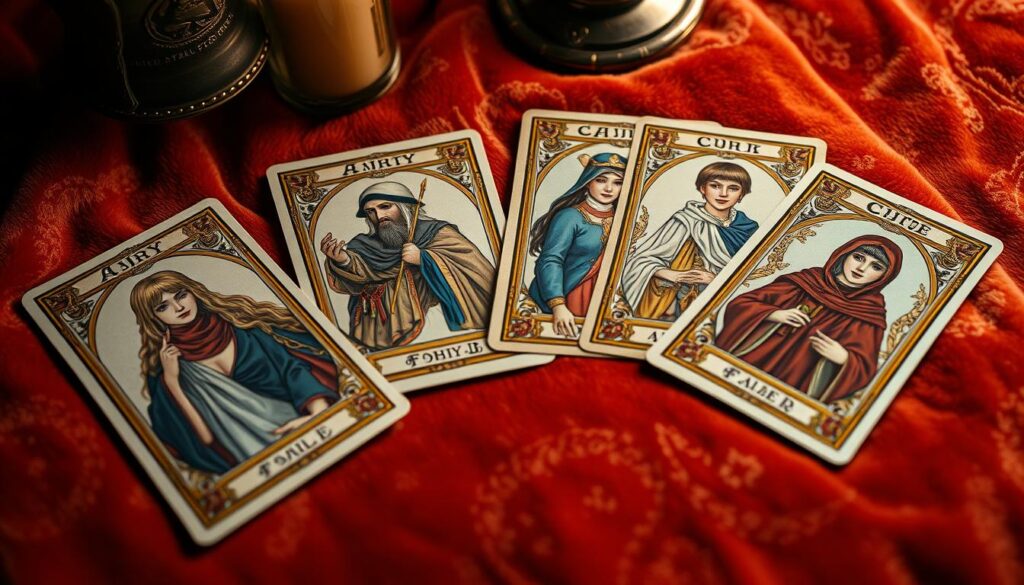
Match artwork and imagery to your intuition and reading style
Hold or view cards when you can. If the imagery clicks, your readings flow and your self-trust grows.
Align your purpose: divination, learning, or collecting
- For learning: pick scenic minors that make meaning easy to recall without constant book-checking.
- For divination: favor a deck whose energy and visuals boost your connection during readings.
- For collecting: seek limited runs or artist-led prints that stand out while remaining readable.
Check guidebook quality and practical advice like upright/reversed meanings and sample spreads. If unsure, shortlist three options and compare The Fool and Ace of Cups across them. Choose the deck you’ll use today — your next one can grow with your practice.
Quick Picks: Best Tarot Decks for Beginners in the United States
New readers benefit from sets that pair familiar art with simple, on-card cues. Below are three beginner-friendly choices that help you learn fast and read with confidence.
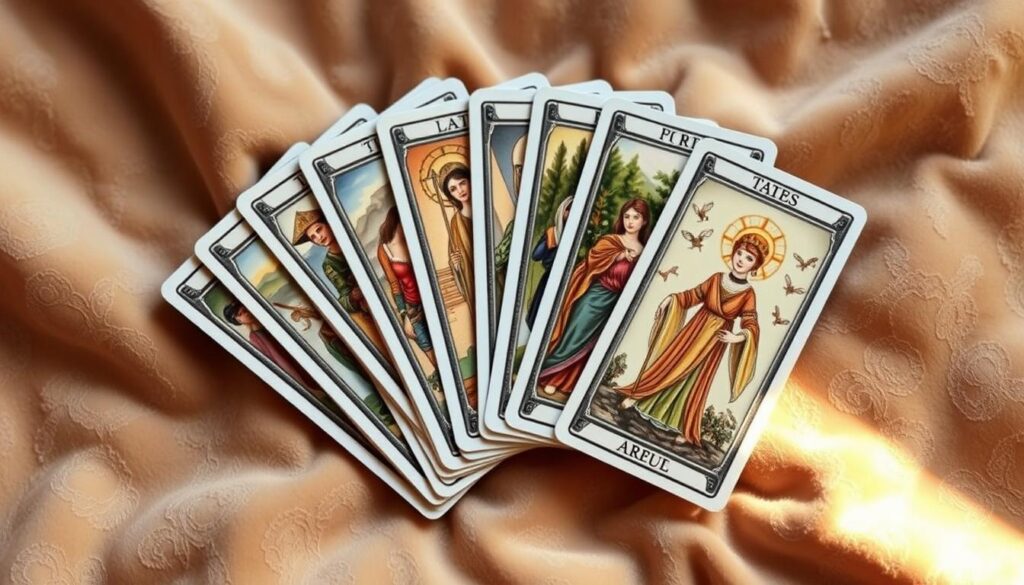
Rider Waite — classic imagery and a strong foundation
Choose the Rider Waite Tarot deck if you want a proven foundation. Its scenes and symbols are the basis of many modern interpretations and make study across books easy.
Starter set — keywords printed on cards
Pick the Starter Tarot deck when you want fast learning. Keywords and core meanings printed on the cards reduce friction during spreads and speed up memory retention.
Quick and Easy edition — Rider visuals with on-card meanings
Consider the Quick and Easy Tarot deck to blend familiar Rider-style visuals with helpful text on each card. This format supports daily practice and smoother readings for beginners and readers alike.
“Begin with readability and a compact guide; practice one card a day and the meanings will stick.”
- Prioritize readability and shuffle feel; size and card stock matter for daily use.
- Use included guidebooks or leaflets, then expand to fuller companion texts as you grow.
- If you read for friends, choose the version whose color and style feel inviting.
| Deck | Key Feature | Best For |
|---|---|---|
| Rider Waite | Classic narrative scenes | Study and traditional reading |
| Starter Tarot | Keywords printed on cards | Fast learners and practice |
| Quick & Easy | Rider visuals + on-card meanings | Confidence-building daily use |
Tip: Try guided spreads from a trusted source like this beginner resource and practice short sessions to build memory and intuition.
Tarot Decks
Different styles—historic, contemporary, and thematic—shape how the cards speak during a reading.
Many options exist: classic sets like Rider Waite and Smith‑Waite Centennial, modern releases such as Modern Witch and Mystic Mondays, and historical prints like Marseille or Visconti‑Sforza.
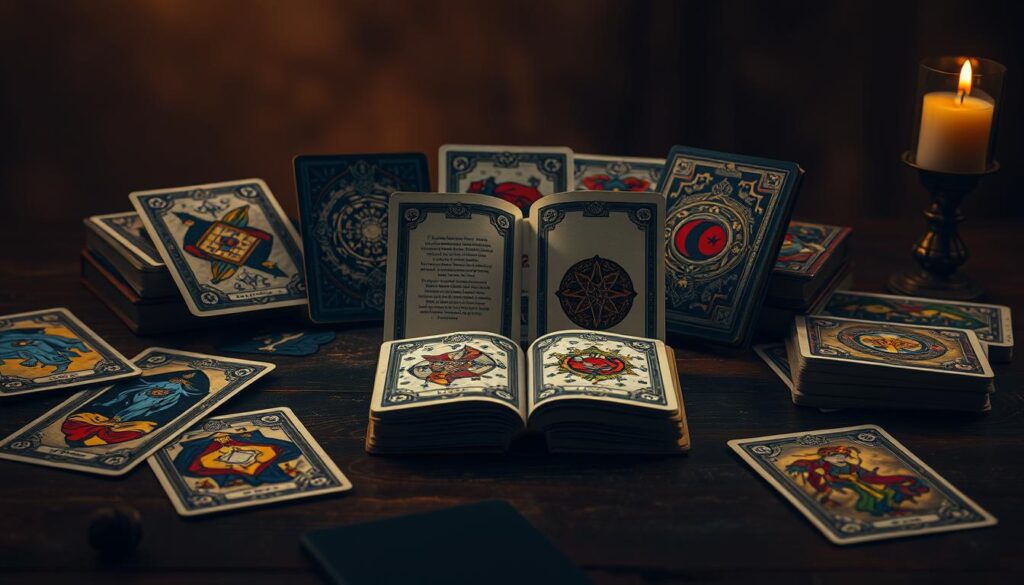
Thematic collections—Golden Thread, Spiritsong, White Numen, and Tarot of the Golden Wheel—use nature and animals to bring gentle, approachable meaning into suit imagery.
- Explore widely: classic, modern, and art-forward decks change how you read by shifting images and symbolism.
- Preview as many cards as possible so style, palette, and symbolic density match your intuition.
- Check courts and pips: clear scenes support beginners; pip-style minors invite numerology practice.
- Favor high-contrast art if you read in low light or on the go.
- Keep a short list of two or three decks to rotate by question tone or mood.
When you want sample spreads and historical notes while shopping, consult reputable resources like this guide to preview card images and learn deck histories before you buy.
Key Buying Criteria: Readability, Guidebook Quality, and Card Stock
Good readability helps you pull clear meaning from images at a glance. Prioritize sets that use scenic minors or narrative art so symbols map to everyday situations quickly.

Readability and symbolism
Look for clear scenes and meaningful images. The RWS system’s scenic minors, for example, boost readability for learners and make interpretation smoother.
Clear imagery speeds learning and reduces time spent flipping through a book during a spread.
Guidebook depth and practice
Choose a guidebook that lists upright and reversed meanings, sample spreads, and step-by-step practice advice. A compact book with card-by-card notes supports study-focused readers.
Production and edition details
Check card stock, finish, and cut. A balanced thickness with a matte or satin finish shuffles well and lasts longer.
Consider special edition notes—Centennial or anniversary printings often improve color and packaging.
“Prioritize readability and a solid guidebook; practical design choices make daily practice possible.”
- Prioritize readability: clear scenes help translate symbolism fast.
- Evaluate guidebook: upright/reversed meanings and spreads matter.
- Check production: finish, thickness, and edition quality affect handling.
| Criterion | Why it matters | What to check |
|---|---|---|
| Readability | Faster interpretation and confidence | Scenic minors, clear figures, legible titles |
| Guidebook | Reduces guesswork and supports practice | Upright/reversed meanings, sample spreads, index |
| Card stock & finish | Comfortable shuffling and durability | Matte/satin finish, responsive cut, balanced thickness |
| Edition quality | Color accuracy and packaging longevity | Centennial notes, print run reviews, box sturdiness |
Understanding the System: Major Arcana, Minor Arcana, and Suits
Understanding how major cards map life patterns helps you read deeper meanings. The 22 Major Arcana outline big themes, from The Fool’s fresh starts to The World’s completion. These cards form the basis for reading life cycles and major shifts.

Major Arcana: core life lessons
The Major Arcana show archetypal lessons. Sample upright/reversed meanings help you train your eye: The Fool — new beginnings vs. recklessness. The Magician — willpower and creation vs. trickery. The High Priestess — intuition vs. repressed feelings.
Also note Strength (inner strength vs. insecurity), The Star (hope vs. discouragement), The Moon (intuition and illusions vs. confusion), and The Sun (joy vs. negativity).
Minor Arcana suits and elements
The four suits act as anchors for area-specific reading. Wands (fire) link to energy, action, and creative power. Cups (water) focus on emotion and relationships.
Swords (air) point to intellect and communication. Pentacles (earth) cover material life and nature.
- Practice tip: Pull one card daily and note upright and reversed meaning to speed learning.
- When many Majors appear, emphasize life themes; many suits point to practical areas that need attention.
| Set | Role | Quick cue |
|---|---|---|
| Major Arcana | Life themes | Big-picture lessons (start → completion) |
| Wands / Cups | Action / Emotion | Energy, creation / relationships, feeling |
| Swords / Pentacles | Mind / Material | Intellect, conflict / stability, nature |
Reading vs. Collecting: Different Needs, Different Decks
A practical reader often needs one reliable set for daily work and another for display. Decide whether you want a tool for steady practice or a prized art piece that grows in value.
Workhorse sets for daily readings and professional use
Choose durability and clarity. For client sessions, favor sturdy card stock, matte finishes, and clear scenes that speed interpretation.
Portability matters: many readers keep a standard or mini version for travel and a full-size set at home.
Collector editions, art-forward creations, and limited runs
Collectors seek signed or limited-run edition prints, restored historic versions like Marseille or Swiss 1JJ, and unique art releases.
Research print runs, out-of-print status, and reprint cycles to assess rarity and timing for purchase.
“Rotate one clear, work-ready set with a more artistic version to balance utility and inspiration.”
- Check edge treatments and finishes for frequent shuffling.
- Keep a neutral set for public events and a bold piece for private readings.
- Store professional sets in durable cases; archive collectibles in sleeves and boxes.
| Purpose | What to prioritize | Example |
|---|---|---|
| Daily readings | Durability, readability, guidebook | RWS-inspired work version |
| Collecting | Limited runs, signature, restoration | Marseille or Swiss 1JJ special edition |
| Travel | Size, weight, protective case | Mini or standard portable copy |
Art and Imagery Styles: From Minimal to Maximalist
Art choices set the mood for readings, from quiet minimalism to lush, story-rich panels. Visual style shapes how fast meanings land and how you remember a card.

Classic vs. pip-style imagery
RWS-style images show narrative scenes that many readers find easy to learn. They give clear human moments and cues for interpretation.
Marseille-style work uses pip-style minors that rely on numerology and suit language. That style rewards study and pattern recognition.
Themes: nature, animals, and celestial work
Nature and animals themes—forests, birds, and beasts—offer gentle symbolism that often helps querents relax. Celestial imagery adds archetypal, dreamlike inspiration.
- Minimalist art calms the eye; maximalist artwork invites layered storytelling.
- Color grading, line work, and contrast affect legibility across a spread.
- Rotate styles: use cleaner images for strategy questions and rich artwork for introspection.
- Preview multiple images and follow artists whose artwork matches your reading goals.
“Choose a style that supports clarity first, then follow what inspires your intuition.”
For a focused study on emotional cards, see the Knight of Cups guide: Knight of Cups meanings.
Iconic Systems Compared: Rider-Waite-Smith, Marseille, and Thoth
Choose a system that fits how you like to learn: story-driven images, number patterns, or layered correspondences. Each path trains a different skill set and offers distinct rewards for reading and study.
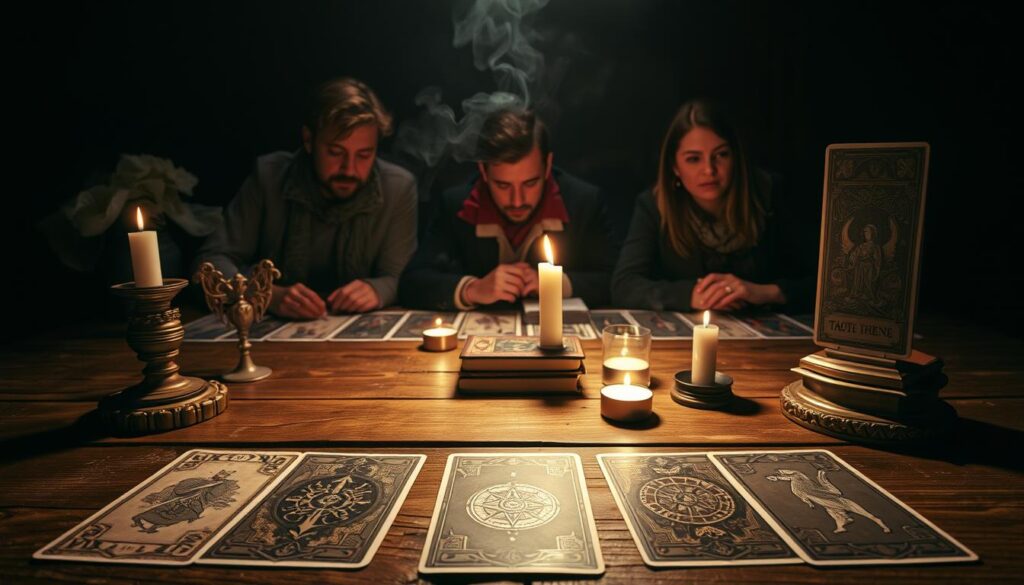
Rider‑Waite‑Smith: narrative learning
RWS uses story-like scenes on minor cards, making it the clearest basis for divination practice. Beginners and seasoned readers both benefit from scenes that guide interpretation as a short narrative.
Practice tip: read the card as a one-sentence story to speed memorization and flow.
Tarot de Marseille: historic numerology
Marseille favors pip-style minors rooted in the playing-card tradition. Its strength is numerology and suit patterning, which refines your eye for structure and repeated motifs.
Study approach: focus on number patterns and suit qualities rather than illustrated scenes.
Thoth: esoteric depth
Thoth blends occult correspondences with rich symbolism. It rewards methodical study of astrology, Kabbalah, and elemental theory and suits readers who want a system dense with creation myths and power motifs.
Tip: build a reference notebook to map trumps and courts across systems for cross‑fluency.
“Cartomantic use rose in the late 18th century; before that, these cards were primarily game cards. That shift shaped modern images and meanings.”
- Quick contrasts: RWS = scenes and accessibility; Marseille = historic lineage and pattern; Thoth = layered correspondences and study.
- Compare the Moon across systems to see how each frames illusions, dreams, and intuition.
- Mixing systems works, but learn each separately to avoid confusing symbolic languages.
| System | Core focus | Best for |
|---|---|---|
| Rider‑Waite‑Smith | Narrative images on minors that help reading flow | Beginners, practical readers, broad audiences |
| Tarot de Marseille | Historic pip minors and numerology | Students of pattern, historical interest, structural study |
| Thoth | Esoteric correspondences: astrology, Kabbalah, symbolism | Advanced study, mythic themes, in-depth analysis |
Decide by goal: if you read for a wide audience, RWS often resonates. If you crave structure or deep study, Marseille or Thoth may suit you. For a quick practice spread, try guidance from a short resource like seven of wands guide to see how an image reads in context.
Beginner-Friendly Path: Learn Meanings, Practice Spreads, Build Confidence
Start a steady learning path that pairs short daily pulls with weekly practice to build real skill. This routine helps beginners link images to core meanings without overwhelm.

Many modern sets include a compact guide or book with upright/reversed notes and simple spreads. Use that guide to check interpretations, then rewrite card notes in your own words to lock in learning.
- Begin a 30-day plan with a daily single-card draw and note initial impressions.
- Add a three-card spread each week (past‑present‑future or situation‑challenge‑advice).
- Keep a reading journal tracking the card, short meanings, and what unfolded.
- Once a week, try a five-card spread to test pacing and narrative clarity.
- Rotate the deck you’re studying with a second set and read aloud to improve flow.
“Small, steady practice beats long study sessions — celebrate each insight to grow confidence.”
When ready, offer short readings to friends with clear boundaries and feedback to accelerate progress and deepen readings.
Edition Matters: Standard, Centennial, and Special Artwork Versions
Special print runs can change how a set feels in your hands and how images read across a spread. Editions vary in finish, color restoration, and included extras.

Centennial and anniversary releases: faithful homages and restorations
Centennial and anniversary editions often restore historic color balance and sharper line work. They may include replica backs and archival extras that honor original printing methods.
Boxed sets sometimes bundle companion books, expanded leaflets, or art prints that add study value for serious readers and collectors.
- What to expect: richer color, improved card stock, and faithful art reproduction.
- Packaging: keepsake boxes, magnetic closures, and upgraded inserts protect cards better over time.
- Study value: extra books or leaflets deepen historical context and offer expanded meaning references.
- Practical note: textured finishes and gilding can affect shuffling—choose display or daily-use accordingly.
- Collector tip: track print years and marks; keep outer boxes for resale or preservation.
“Consider a two-version strategy: one special edition for the shelf and a durable standard copy for heavy reading.”
For a focused look at card meanings and reference material, see this ten of pentacles guide as an example of how boxed books and extras can expand study.
Energy and Connection: Finding a Deck that “Works” with You
Choosing a set is as much about feeling as it is about features. Many readers in English-speaking regions rely on cartomantic tools designed for divination to build an intuitive rapport. The right match often shows up in a small, immediate way when you first handle the cards.

Intuition checks: first impressions, emotional resonance, and clarity
Start with a quick hands-on test. Flip through and note if your chest lifts or you feel a gentle curiosity. That initial spark often signals strong energy and connection.
Clarity matters: if imagery reads consistently across suits, the set will support quicker meanings during readings. Confusing or cluttered art slows practice and weakens rapport.
- First impression: a positive emotional response suggests the set will align with your self and heart during sessions.
- Try test pulls: draw a few cards and read them without aids—if life meanings surface easily, the partnership is promising.
- Mix practical and soulful: some readers keep one workhorse set for clarity and a soul set for deep introspection.
- Not a fit? Try another: feeling blocked often means the set doesn’t match your expression today, not that it’s poor quality.
Practical tip: cleanse and store your set with gentle handling so each session begins with fresh energy. Trust your instincts—when a set feels like a conversation partner, you’ll read with more confidence and insight.
Explore trusted reading options if you want sample sessions to compare how different sets mirror your questions.
Where to Buy: Trusted Places to Start Your Tarot Journey
Start your search where returns, clear photos, and honest reviews are standard—this saves time and buyer’s regret. In the United States, many sellers let you preview every card and read production notes before purchase. That preview helps you judge readability, color, and how a guidebook pairs with the set.

Online retailers and community-curated shops in the U.S.
Begin with reputable online stores that show multiple card images and accept returns. Clear photos help you assess print quality and finish.
Also visit local metaphysical shops and small business sellers. Staff recommendations often match readers with options that fit their style and goals.
Author and artist sites for limited editions and guidebooks
Check creator pages for signed copies, early runs, or special bundles that big retailers may not carry. Subscribe to artist newsletters for preorder alerts on any new tarot release.
Tip: compare shipping protection and packaging for indie prints so your cards arrive in mint condition.
“Viewing full-card previews and buyer feedback is the best way to avoid surprises and find a set that feels right.”
- Use deck directories to view every card and test symbolism and meaning before buying a tarot deck.
- Look for bundles that include a companion guidebook or cloth for added value.
- Read verified feedback about cardstock, finish, and print consistency to avoid known defects.
- Support small business shops and creators when you can to strengthen the community and encourage fresh art.
- Keep a wishlist and track restocks—popular releases for divination sell out fast.
Care and Maintenance: Keeping Your Cards in Top Reading Shape
Protecting your set is simple and effective. Store it in a pouch or box away from sunlight to stop color fade and preserve the finish.
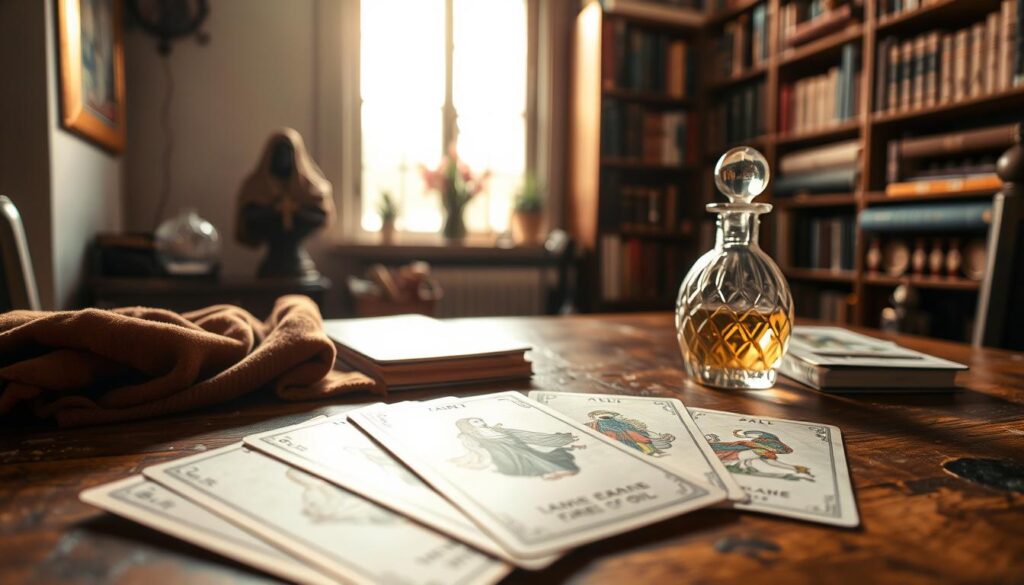
Keep hands clean and dry before shuffling. Oils collect on edges and shorten the life of a card over time.
- Rotate shuffling styles (overhand, riffle, bridge) to avoid repetitive edge wear.
- If a card bends, press it flat between heavy books with a clean sheet for a day.
- Use a cloth or mat as a dedicated reading surface to keep dust off backs and protect corners.
For gilded or delicate finishes, favor gentle overhand shuffles to maintain sheen and edge power. Fan and reorder your set often to spot wear before it becomes a problem.
Travel with a snug case so corners don’t nick in bags; hard cases are best for readers on the go.
“Retire heavily worn sets to private practice and keep fresh copies for client work so your tools always look and work their best.”
| Care Action | Why it helps | Quick tip |
|---|---|---|
| Storage | Prevents fading and finish damage | Pouch/box away from sunlight |
| Handling | Reduces grime and edge wear | Clean, dry hands only |
| Shuffling | Even wear, longer life | Rotate methods; favor overhand for gilded cards |
Budget and Value: Pricing, Bundles, and Guidebook Add-ons
Start budgeting by listing what a boxed set actually includes, not just the cover price. Boxed editions often add an expanded book, upgraded packaging, and higher print quality that change long‑term value. Compare contents before you buy.
Factor the cost of companion books and extras into the total. A bundled guide can deliver more learning per dollar than buying a separate manual later.
Think about ownership costs: cases, cloths, stands, and replacement fees matter if you travel or read for clients. A sturdier print can be cheaper over time than a fragile, low‑price option.
Watch sales and reprints; waiting can cut the price on the exact edition you want. Indie productions may cost more but often offer superior materials and unique art.
“Treat your set purchases like a small business decision — spend where it improves client experience and longevity.”
- Check return policy and customer support for damaged shipments.
- Borrow guidebooks from a library to test teaching styles before you invest.
- Track the features you value (finish, color, included book) to make smarter buys.
| Spend Level | Typical Inclusions | Best For |
|---|---|---|
| Budget | Basic card set, minimal packaging | Casual practice |
| Mid | Improved finish, small guidebook | Regular readers |
| Deluxe | Boxed edition, expanded book, extras | Collectors & pros |
Community Picks: Popular Deck Themes Readers Love Right Now
When a set catches on among readers, it usually offers a clear visual language and fresh energy. The community shares picks that blend accessible images with strong artistic vision.

Contemporary and classic restorations
Modern Witch refreshes Rider-style scenes with inclusive characters and bright color, offering daily inspiration for modern practice.
Smith‑Waite Centennial honors original line work and calm palettes for those who love historical fidelity.
Universal Waite softens coloring to make scenes welcoming and easy to read in public settings.
Golden Thread uses minimal lines and bold form for crisp interpretation and a sleek table presence.
Nature-forward and mythic imagery
- Spiritsong and White Numen fold animals and cycles of creation into every suit, helping intuitive, nature-based readings.
- Tarot of the Golden Wheel blends folklore and layered symbolism for readers who favor mythic storytelling and textured art.
“Rotate a couple of community picks to keep inspiration fresh and offer varied tones for clients and personal practice.”
| Pick | Core strength | Best use |
|---|---|---|
| Modern Witch | Contemporary, inclusive images | Daily inspiration |
| Smith‑Waite Centennial | Historical fidelity | Study and tradition |
| Universal Waite | Approachable coloring | Public readings |
| Golden Thread | Minimalist clarity | Crisp interpretation |
Conclusion
Start small, shortlist two or three options and preview the cards until one feels right.
Use the buying criteria—readability, guidebook quality, and production—to compare editions. Pick a beginner-friendly option if you’re learning meaning and practice daily pulls to build confidence.
Revisit RWS, Marseille, or Thoth basics when you stall; refreshing core threads often rekindles clarity. Keep your tools cared for and let your intuition and community picks guide future choices.
At the end of the day, the right deck will support your path and your growing self. Choose the one you’re eager to read today and let steady practice make readings clearer and more meaningful.