

Welcome. This friendly guide gives clear, step-by-step guidance for starting a short, sustainable practice that fits a busy life.
Meditation and breathwork are central tools. They quiet the mind and open space for inner images. Regular sessions help the inner screen grow clearer.
Use intention-setting, gentle third-eye visualizations like the seven balloons, and crystals at the brow for support. Try short exercises such as Sitting in the Power, aura reading, and tarot journaling.
Expect most seeing to arrive as symbols or movie-scene impressions in your inner eye. Interpretation improves with practice and by using other clairs alongside vision.
Keep energy hygiene and simple affirmations to feel safe. Track impressions in a journal and seek mentors or community classes for feedback and ethical guidance.
Key Takeaways
- Begin with short, regular meditation and breathwork sessions.
- Set clear intentions and practice gentle third-eye visualizations.
- Use crystals, tarot, and aura exercises to translate images into guidance.
- Journal impressions, pace yourself, and maintain energy hygiene.
- Seek mentors and community feedback for steady development.
Clairvoyance 101: What “clear-seeing” really means
Clairvoyance refers to receiving clear inner images, symbols, colors, or short scenes that convey information beyond ordinary sight.
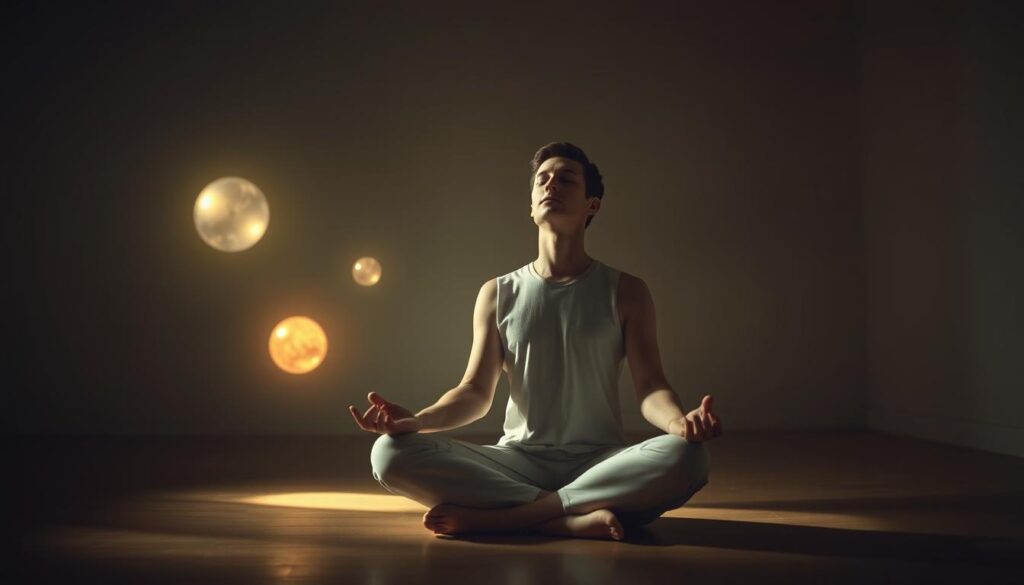
Mind’s eye vs. physical eyes
Most people experience clear-seeing inside the mind—an internal screen that shows brief movie-like impressions.
Some rare cases involve outer-eye phenomena: quick flashes at the periphery or subtle movement in the room. These are less common.
How the clairs work together
Clairvoyant images rarely come alone. Clairsentience adds feeling or emotional texture. Clairaudience may bring words or short phrases. Claircognizance offers sudden understanding that helps decode symbols.
- First signs: colors around a person, symbolic snapshots, or quick scenes.
- Delivery: some impressions arrive unexpectedly; others show up during focused practice.
- Interpretation: journaling and comparison with events sharpens your personal symbol language.
| Type | What you might see | How it helps |
|---|---|---|
| Mind’s eye | Scenes, symbols, colors | Offers metaphor-rich information |
| Outer-eye | Flashes, peripheral motion | Rare, direct sensory cues |
| Mixed clairs | Images + feelings + words | Fuller, easier interpretation |
Examples: a door closing might map to boundaries, a rising tide to change, or a clock to timing. Treat all received information with care and ethical responsibility.
Setting your intention and understanding user intent
Begin each session by grounding and naming a clear aim. Clear your energy, connect inward, and state an intention such as “receive clear information that is helpful, uplifting, and supportive of the greatest good of all involved.” This simple step narrows your attention and steers the session toward meaningful outcomes.

Choose a goal: guidance, spirit communication, or intuitive clarity
Why a focused goal matters. A clear aim aligns your practice with specific guidance, whether you seek personal direction, contact with spirit guides, or sharper intuitive images for daily life.
- Personal decision-making: “Show me helpful information about my next career step.”
- Ethical contact: “Invite compassionate spirit guides who support the highest good.”
- Problem-solving: “Open my inner vision for creative ways forward.”
Keep sessions short and repeat them often. State a brief ritual—three calm breaths and a one-line purpose. Set a time limit so practice stays sustainable.
Ask open-ended questions. These bring richer images and broader information than yes/no queries. Track themes in a journal and write your intention at the top of each entry.
Safety and ethics: center compassion and consent in every aim. Revisit intentions after sessions to deepen learning and refine your practice as your development progresses.
How to Develop Clairvoyance
A daily, bite-sized routine teaches your nervous system to notice subtle energy shifts.
Short, steady sessions train perception better than occasional long sittings. Start with a simple weekly cadence: 10–15 minutes a day focused on one core drill.
Pair breathwork with a brief third-eye visualization on busy days. This stacking keeps the mind engaged without overwhelm.
Practical weekly rhythm
- Mon–Wed: meditation or Sitting in the Power for 10–15 minutes.
- Thu: visualization and aura practice.
- Fri: divination (cards, psychometry) for practical feedback.
- Sat–Sun: rest or light journaling and review.
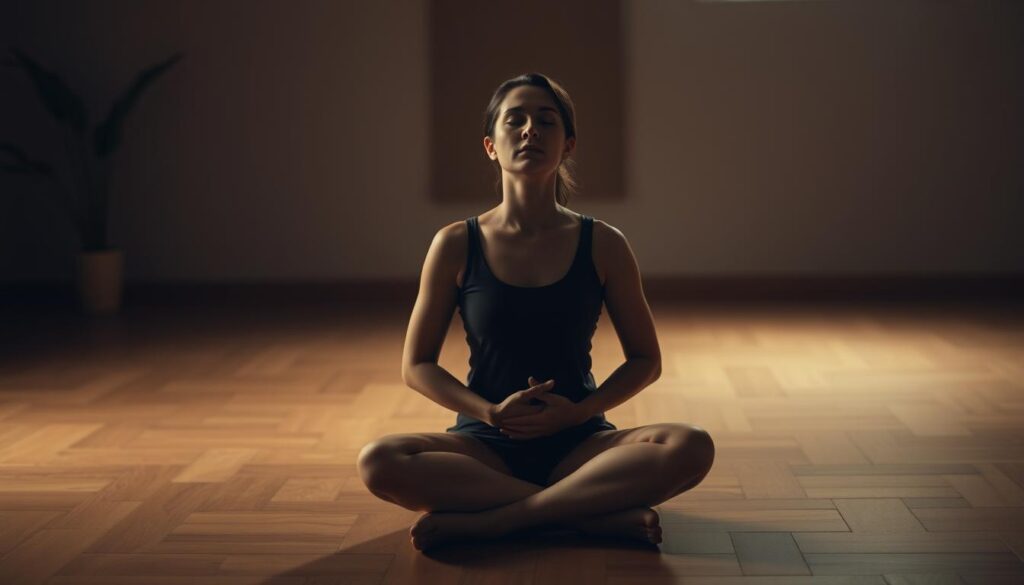
Micro-sessions help when life gets busy: 3 minutes breathing, 2 minutes visualization, 2 minutes journaling. Track each session—duration, focus, sensations, and images—to quantify your development.
| Focus | Daily minutes | Benefit |
|---|---|---|
| Meditation / breathwork | 10–15 | Calms nervous system and trains attention |
| Visualization / third-eye | 5–10 | Strengthens inner imagery and symbol recognition |
| Divination / practice checks | 10 | Provides feedback and concrete validation |
Repetition teaches your nervous system to notice subtle shifts faster. Accept plateaus as normal and include rest days to protect your energy.
Close each session with a brief grounding: thank guides, release, and note one observation. This keeps tools tidy and supports steady ability growth.
Look for community check-ins and classes so people can stay accountable and learn together. For deeper reading on psychic intuition, visit psychic intuition.
Foundational practices: meditation, breathwork, and sitting in power
A steady routine of quiet sitting, breath focus, and short visual practices builds a reliable inner signal.
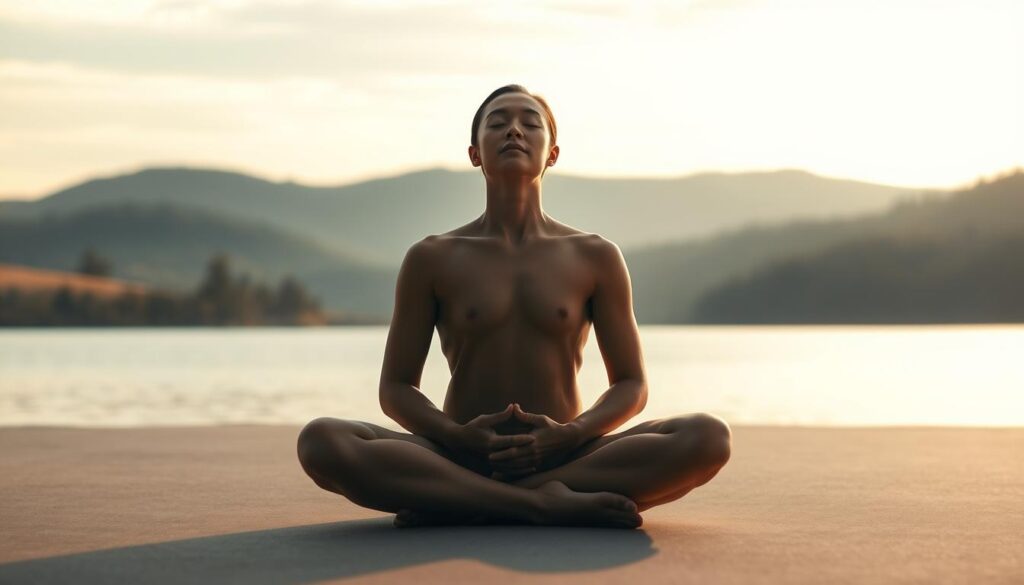
Meditation that quiets the mind and tunes intuition
Meditation is a psychic development essential. Try basic breath awareness, short mantra repetition, or a quick body scan to still the mind.
Keep sits short and friendly: five to fifteen minutes often works best for daily progress.
Breath as an anchor for energy and attention
Use a simple 5-minute sequence: slow inhale through the nose, a gentle pause, then a longer exhale through the mouth.
Notice energy moving through the body and relax tight areas. Breath anchors attention and reduces overthinking, which helps stable imagery arise.
Sitting in the power: attuning without an agenda
Sitting in the power means sitting with presence and receiving, without questions. Set posture, breathe, expand awareness, and notice subtle shifts.
Close with gratitude and a grounding breath. Over time, this practice deepens contact with your spirit and guides while strengthening receptive attention.
| Practice | Duration | Primary benefit |
|---|---|---|
| Meditation (breath/mantra/body scan) | 5–15 minutes | Calms mind; opens subtle cues |
| Breath sequence | 5 minutes | Circulates energy; anchors attention |
| Sitting in the power | 5–15 minutes | Deepens presence; increases receptivity |
Use short, frequent sessions rather than long, rare ones. Note any spontaneous images or sensations, then return to neutral baseline. For practical resources on refining intuition and related skills, explore psychic superpowers.
Third eye activation: visualizations and exercises that work

Simple color-based visualizations give the mind focused targets that expand inner sight.
The seven balloons visualization
- Sit or lie with relaxed eyes and steady breath.
- Hold seven balloons in your mind: red, orange, yellow, green, blue, indigo, violet.
- Release one balloon at a time and watch each until it fades fully before letting go of the next.
- Note the clarity of the color and any brief images that appear.
Gentle third-eye opening and safe pacing
Locate the brow center and imagine a soft eye there. Visualize the lid opening slightly, then close it to rest.
Keep sessions short at first. If vivid feelings, intense dreams, or energy surges arrive, cut your practice time and ground with slow breaths or a walk.
Crystals on the brow
Place lapis lazuli or clear quartz briefly on the brow and notice subtle sensations. Remove the stone if sensations feel strong and breathe deeply.
“Small, regular steps build steady ability; celebrate each clear color and small insight.”
| Practice | Time | Primary benefit |
|---|---|---|
| Seven balloons exercise | 5–10 minutes | Strengthens color visualization and sustained focus on images |
| Third-eye opening sequence | 2–5 minutes | Gently attunes the brow center without strain |
| Crystal attunement | 1–3 minutes | Amplifies subtle energy and aids noticing |
Journal what appeared and how clearly colors and shapes rendered. Over several weeks, regular gentle work often makes imagery richer and easier to interpret. For a related practice on subtle movement, see this short guide.
Tools to train your intuitive abilities
Practical tools sharpen perception by giving your attention concrete targets and gentle feedback.

Reading auras: sensing color, mood, and presence
Start with a simple aura drill: soften your gaze at the outline of a person and note color impressions, warmth, or texture. Record your first impressions without judgment.
Try this in different settings — a quiet room, outdoors, and near a group. Compare notes to learn how energy shifts with context.
Tarot and oracle cards: let imagery speak first
Pull one or two cards daily. Look at the images and free-associate a short story before consulting any guidebook.
Then reference meanings and write how the cards’ messages matched your initial impressions. This habit trains visual literacy and shows what forms of information your mind prefers.
Psychometry: reading objects for their footprint
Hold a well-loved object, breathe, clear your mind, and note the first images or words that surface. Ask a trusted friend to validate specifics like places, dates, or emotional tones.
Keep a short log of hits and misses. Over time, this record clarifies which tools and channels best support your practice.
- Practice consent: always ask before reading a person’s items.
- Switch tools often to train multiple channels and build rounded abilities.
- Record outcomes; pattern recognition strengthens skill and discernment.
“Small, steady experiments reveal where your strongest channels lie; respect privacy and track results.”
For extra context on daily practice and skill building, see this guide.
Working with spirit guides for clarity and guidance
Create a quiet circle of attention; this simple frame helps messages arrive with ease.

A simple sit-and-journal session to connect
Set a time block of 10–15 minutes and write a clear intention at the top of a page.
Take three cleansing breaths, invite your guides, and relax into receptive observation. Notice any shifts in mood, body, or images that surface.
Write what changed in your attention, details of any words or scenes, and a short note about how that felt in your life.
Crafting intentions that are clear, safe, and ethical
Use intentions that prioritize clarity, compassion, and the greatest good. Examples: “Offer gentle guidance that benefits all involved” or “Share useful information for my next step”.
Ask open-ended questions, then watch rather than chase answers. Close by thanking your guides, noting one actionable insight, and scheduling the next check-in.
- Keep a weekly cadence to build familiarity with these experiences.
- Practice with a trusted friend when validation feels useful.
- Set firm boundaries: request only benevolent connections aligned with the highest good.
“Sometimes guidance is a calm knowing; other times it is a fleeting image or phrase.”
Trust, interpretation, and record-keeping
Recording raw visions and dreams creates a clear trail you can follow when meaning is fuzzy. Trust grows with simple habits: capture first impressions, note emotion, and leave interpretation for later. This preserves the original signal.

Imagination vs. intuition
Quick discernment test: spontaneous, surprising images often reflect intuition. Effortful, detailed scenes that feel crafted are likely imagination. Note which type arrives and mark it in your log.
Dream journaling
Keep a notebook by the bed. Jot key symbols, locations, and feelings immediately on waking. Short entries are fine — a few words can reveal long-term patterns.
Affirmations and safety
Repeat brief affirmations before and after sessions. Examples: “I am profoundly clairvoyant. It is safe for me to see.” These anchor calm and build confidence over time.
“Capture first, analyze later. Weekly reviews turn scattered entries into useful information for future decisions.”
| Habit | What to log | Benefit |
|---|---|---|
| Immediate capture | Image, feeling, first phrase | Preserves raw signal |
| Tagging | Work, relationships, health | Finds thematic trends |
| Weekly review | Hits and misses | Sharpens interpretation |
Build a personal symbol dictionary by cross-referencing dreams and day images with outcomes. Track misses as carefully as hits. Over months, steady practice strengthens your ability and turns subtle experiences into reliable guidance. For a skills check, try the psychic abilities test.
Energy hygiene and nature connection
A brief pre-session rinse calms the nervous system and opens a softer channel for inner signals. Before you sit, take three deep breaths. Set an intention to release stale energy and imagine a gentle rinse moving through the body.

Clearing your energy before practice
Try this simple sequence:
- Three slow, full breaths.
- State: “I release what no longer serves my highest good.”
- Visualize clean light flowing from crown to feet and out into the ground.
End with roots: imagine roots from your feet into the earth to restore balance.
Grounding in nature to quiet noise and amplify your inner voice
Spend regular time in a favorite place—a park, garden, woods, or by water. Short visits reduce mental noise and steady focus.
Notice small details: breeze on your skin, bird calls, or shifts in temperature. These subtle feelings anchor attention and sharpen observation.
For a quick reset, step outside for two minutes, face the horizon, breathe, and set a fresh intention. Scheduling nature windows during busy life periods protects clarity and reduces fatigue.
“Cleaner energetic boundaries improve clarity and keep sensitivity sustainable over time.”
| Practice | Simple action | Benefit |
|---|---|---|
| Pre-session clearing | Three breaths + rinse visualization | Removes stale energy; calms the body |
| Grounding | Bare feet, hold a stone, or hand on heart | Anchors attention; steadies feelings |
| Nature windows | Short park or shoreline visits | Reduces noise; strengthens inner way |
Overcoming blocks and building resilience
A gentle reset can unstick blocked vision and restore trust in inner signals. Blocks often come from fear, old memories, or living in denial of personal truth. Naming the barrier is the first healing step.

Common third-eye blocks: fear, past trauma, and denial
Common causes. Frightening early experiences or repeated dismissal of what you sense can mute the brow center.
Fear of seeing too much or of being misunderstood often leads people to shut that channel down. That avoidance dims natural signals and reduces confidence.
Healing approaches and pacing when things feel overwhelming
Move back slowly. Start with short closed-eye sessions and brief grounding after each sit. Use simple affirmations such as “It is safe for me to see” and rest when energy rises.
- Identify blockers: past unsettling events, fear, or denial of truth.
- Rebuild trust with short, protected practices and one gentle weekly goal.
- Seek therapy or supportive psychic development classes if heavy feelings appear — clairsentience may bring up emotion as you heal.
Aftercare routine: ground, hydrate, journal, then take a short walk. These steps reset the nervous system and keep progress steady.
Remember: not everyone needs vivid sights to be effective. A medium or reader may rely on multiple channels. Truthful living tends to strengthen intuition over the future, and small, consistent practice builds lasting resilience.
“Gentle pacing and honest care rebuild trust in perception; consistency beats intensity.”
Final note: with time and compassion, anyone can become psychic in their own way. For extra context on inner tools and strengthening noticeability, see mind powers.
Mentors, community, and sustainable psychic development
Working with a seasoned guide speeds progress and protects your energy. A teacher or class gives structure, safe practices, and clear feedback that shortens the learning curve.

Why a mentor or class accelerates growth
A reputable mentor offers ethics, modelled boundaries, and tailored exercises. If your path includes a psychic medium focus, pick a teacher with experience there.
Practicing with friends and communities for accurate feedback
Small circles that include a trusted friend or two help validate impressions and reveal blind spots.
- Try 10-minute reading sessions with timed feedback and clear permission.
- Rotate roles: reader, sitter, observer to learn multiple angles.
- Document outcomes after each sit so you can track which abilities strengthen.
| Benefit | What to look for | Practical tip |
|---|---|---|
| Shorter learning curve | Structured curriculum; ethical stance | Ask for sample lesson or references |
| Safe practice | Boundary setting; energy protocols | Use clear consent forms for sessions |
| Community support | Regular meets; diverse people | Join a local group or online forum between classes |
Long-term involvement in groups and guided classes keeps progress steady. For extra resources on how to develop psychic abilities, consider reputable schools and peer practice.
Conclusion
Finish with a simple daily promise: a short practice, a note, and one kind breath. This small rhythm ties together meditation, breathwork, Sitting in the Power, seven balloons, third-eye imagery, crystals, aura reading, cards, psychometry, journaling, dream logs, and spirit sits.
Keep clear intention, short sessions, and steady journaling. Over time a person blends clairsentience, claircognizance, and mind eye images into useful psychic abilities that fit daily life and future choices.
Return to breath, grounding, nature, and a trusted guide when progress stalls. Work with friends, seek a mentor or a medium for feedback, and protect energy with firm boundaries and gratitude.
Pick one exercise now, set a place and time, and commit to a week. Share information responsibly and honor consent—your sensitivity is a strength; nurture it and watch your abilities grow.