

Welcome to a friendly, all-in-one guide that puts a practical tarot card meanings cheat sheet at your fingertips. This quick introduction explains how the 78-card system breaks into Major Arcana—tracking spiritual growth from The Fool to The World—and Minor Arcana, which maps daily life themes across four suits.
Use this guide to find fast, scannable keywords for upright and reversed positions while honoring tradition and your intuition. The layout moves from basics to Major vs. Minor Arcana, suit summaries, life-area lookups for love and work, reversals, spreads, and pro rules.
Learn the four elemental suits—Wands/Fire, Cups/Water, Swords/Air, Pentacles/Earth—so you can anchor a card’s core vibe and stability during readings. Expect fast lookup tables, spread templates, and journaling prompts to sharpen your skill and confidence.
Key Takeaways
- This guide condenses 78 cards into quick, usable keywords for fast readings.
- Major Arcana maps spiritual evolution; Minor Arcana covers everyday life.
- Elemental suits give immediate context: Fire, Water, Air, Earth.
- Includes tables, spreads, and prompts to build reading skill and stability.
- Designed for beginners and seasoned readers who want speed with intuition.
What This Ultimate Guide Covers and How to Use This Cheat Sheet
This section shows what the guide includes and the fastest way to use it for clear readings.
Navigate by headings: jump to Major or Minor suits, spreads, or the quick keyword lists using the H2/H3 layout. Open the part you need and scan the keywords first.
Best practice: skim the short keywords, then layer context from the spread position and your question to refine interpretations.
Cross-reference often. If a card repeats, check upright and reversed notes, plus common pairings, to see how the story deepens.
- Apply this for a single pull, a three-card reading, or a full Celtic Cross by matching each position to the relevant meanings.
- Highlight phrases that match your question so the sheet becomes your go-to tool.
- When stuck, pivot to suit elements or numerology to find a simple entry point.
Journal one-line takeaways after each reading to build a lived reference library over time.

For an example of how a single Major Arcana entry reads in practice, see this concise overview: The Chariot overview.
Tarot Basics: The 78 Cards, Structure, and Elements
Learn the structure behind the 78 cards to turn symbols into quick, usable insights.
Major vs. Minor Arcana
Major Arcana covers 22 big-picture milestones—spiritual lessons from The Fool’s fresh start to The World’s completion. These show turning points and deep life lessons you can spot in a spread.
Minor Arcana has 56 entries. They reflect daily events, choices, and adjustments. Ten numbered cards in each suit map situations; 16 Court Cards show personality roles and how people act.
Elements and Suits at a Glance
Use the element as your quick anchor when time is short. Match suit, number, and imagery to find fast wisdom.

| Suit | Element | Focus | Quick cue |
|---|---|---|---|
| Wands | Fire | Action, ambition | Start, drive, momentum |
| Cups | Water | Emotions, relationships | Feelings, connection |
| Swords | Air | Intellect, truth | Clarity, conflict |
| Pentacles | Earth | Resources, security | Work, stability |
Numbers add layers: Aces = seeds, Tens = completion. Blend suit, number, and image to access practical wisdom fast. For shortcut keywords and fast lookup, see this tarot resource.
Major Arcana at a Glance: Upright and Reversed Themes
The Major Arcana lays out a clear storyline: each trump marks a life lesson and a phase of inner work. Use this as a fast map to spot themes, shifts in power, and pivotal change during a reading.
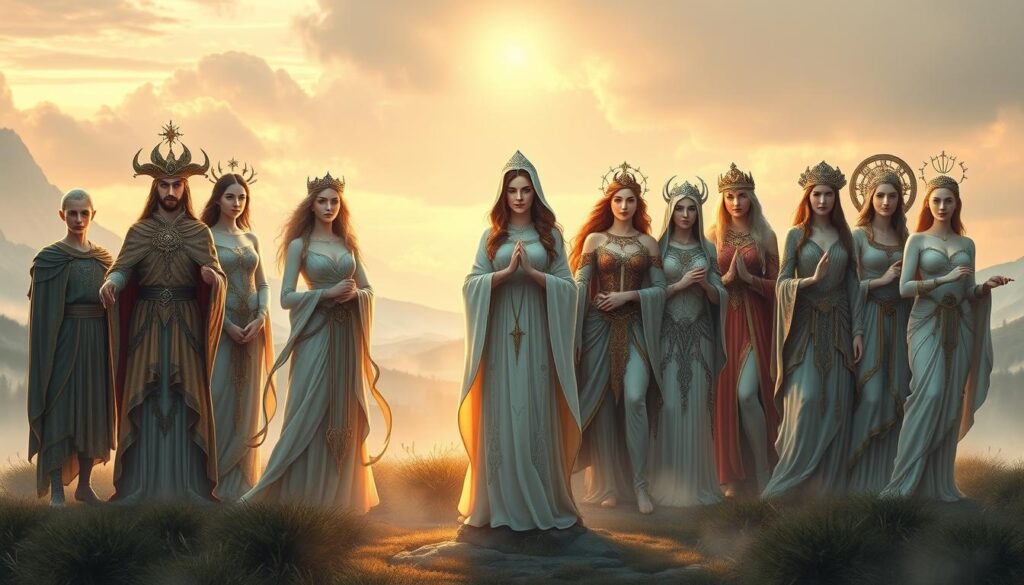
The Fool to The World: The Story of Spiritual Evolution
From beginnings to completion: start (The Fool), manifest (The Magician), tune in (High Priestess), nurture (Empress), set structure (Emperor), and move through choice, challenge, transformation, and fulfillment.
Quick-Reference Keywords for Upright and Reversed Meanings
- The Fool — beginnings, spontaneity / careless, naive
- The Magician — willpower, manifestation / manipulation, trickery
- High Priestess — intuition, inner voice / repressed intuition, confusion
- Empress — abundance, nurturing / smothering, lack of growth
- Emperor — structure, authority / domineering, lack of discipline
- Hierophant — tradition, knowledge / rebellion, non-conformity
- Lovers — love, partnerships / disharmony, bad choices
- Chariot — success, willpower / no direction, aggression
- Strength — courage, compassion / self-doubt, weakness
- Hermit — introspection, solitude / loneliness, isolation
- Wheel of Fortune — change, luck / bad luck, clinging to control
- Justice — accountability, truth / dishonesty, avoiding accountability
- Hanged Man — sacrifice, perspective / stalling, stagnation
- Death — transformation, endings / fear of change, resisting change
- Temperance — balance, patience / excess, discord
- Devil — oppression, dependency / freedom, release
- Tower — upheaval, sudden change / resisting change
- Star — hope, renewal / despair, negativity
- Moon — illusion, uncertainty / fear, misunderstanding
- Sun — happiness, success / pessimism, blocked happiness
- Judgement — awakening, renewal / self-doubt, failure to learn
- World — completion, fulfillment / lack of closure
Quick tips: note pivot points like Wheel of Fortune for cycles and The Tower or Devil as shadow triggers. Scan elemental echoes — wands momentum, cups healing, swords clarity — then broaden the snapshot with spread context.
Wands Cheat Sheet: Fire, Action, Passion, and Momentum
Wands focus on the spark that turns an idea into forward motion. As the Fire element, this suit signals ambition, planning, and the energy that pushes plans into action.
Aces to Kings: Upright Highlights
- Ace: creative spark, new initiative — a green light for starting. Ace of Wands overview
- Two: planning, first steps toward growth.
- Three: expansion and early progress.
- Four: community support and celebration.
- Five: conflict, testing drive and resilience.
- Six: victory — results from steady effort.
- Seven: defend position; stand your ground.
- Eight: speed and swift momentum.
- Nine: persistence; you’re close to the goal.
- Ten: burden; watch for overload and burnout.
Common Reversals: Blocks, Delays, and Misuse of Power
Reversed Wands often warn of friction. Look for delays, poor planning, or lack of recognition. Energy can turn to defensiveness, arrogance, or collapse if unchecked.
Suit Theme: Planning, Willpower, and Bold Decisions
- Courts: Page — fresh ideas; Knight — daring action; Queen — charismatic confidence; King — strategic leadership.
- Use the ace as a nod to begin; treat the ten as a caution to rebalance workload.
- Spot growth arcs: Two → Three shows momentum; Six rewards effort; Nine signals perseverance is paying off.
- Pair Wands with timing spreads to choose bold next steps that match your current energy and capacity.

Cups Cheat Sheet: Water, Feelings, Intuition, and Relationships
Cups focus on the inner life—where feelings, bonds, and intuition shape choices. This suit points to emotions, creativity, and how connections guide decisions.

Essential Upright Meanings: Love, Connection, Inner World
Use the Ace as a prompt to open your heart; the Two signals partnership and mutual support.
Three brings celebration and community; Four invites quiet reflection. Five shows loss or grief; Six carries nostalgia.
Seven warns of tempting illusions; Eight often means walking away. Nine is contentment; Ten represents family harmony and lasting joy.
Reversed Signals: Emotional Blocks and Recalibration
Reversed positions can show withdrawal, clinging to the past, or confusion. They ask for self-love and gentle boundary work.
Court roles: Page brings sensitivity and dreams, Knight offers romance, Queen gives compassionate insight, King models steady emotional leadership.
Tip: Journal your first intuitive impression, then layer the quick keywords to sharpen clarity and support steady growth.
Swords Cheat Sheet: Air, Intellect, Truth, and Communication
Swords anchor the mental realm. They show where logic, truth, and speech shape outcomes. Use this section to spot when thought brings clarity or when it sharpens conflict.
Upright Clarity: Breakthroughs, Strategy, and Insight
Ace — clarity and a sudden breakthrough that changes direction.
Two — tough choices. Three — heartbreak and painful honesty. Four — rest and recovery. Five — conflict and competitive friction.
Six — moving on for calmer waters. Seven — strategy, clever planning. Eight — feeling stuck. Nine — anxious thought loops. Ten — endings that clear space for renewal.
Reversed Cautions: Conflict, Confusion, and Overanalysis
Reversals often signal miscommunication, heated arguments, or paralysis by analysis. They warn against rigid control and hostile exchanges.
Balance: pair strong air energy with grounding actions or soft, compassionate water energy to temper the edge.
| Sword Role | Upright | Reversed |
|---|---|---|
| Page | Curious, quick-minded | Scattered ideas, impatience |
| Knight | Fast action, assertive thought | Rush, aggression |
| Queen | Objective, principled insight | Cool detachment, harsh critique |
| King | Reasoned leadership, ethical power | Dogmatism, misuse of control |

Pentacles Cheat Sheet: Earth, Security, Resources, and Stability
Pentacles focus on the practical roots that keep daily life steady and productive.
Think of this suit as the realm of money, health, nature, and routine. It shows how everyday actions build long-term security and material comfort.
Upright Grounding: Prosperity, Growth, and Craftsmanship
Ace — new opportunity and tangible beginnings that spark growth.
Two — balancing resources and juggling priorities.
Three — teamwork, skill, and craft in motion.
Four — savings, boundaries, and careful stewardship.
Five — hardship or a call to seek support.
Six — generosity, fair sharing of resources.
Seven — patience; reassess and track slow progress.
Eight — mastery through focused work.
Nine — independence and personal stability.
Ten — legacy, family roots, and multi-generational security.
Reversed Considerations: Scarcity, Setbacks, and Re-routing
Reversed positions often warn of scarcity thinking, poor investments, or overwork that drains quality.
Watch for messy priorities, teamwork friction, or hoarding resources when sharing would help. These signals call for re-routing plans and clearer budgets or calendars.
- Courts: Page — diligent planner; Knight — reliable steady progress.
- Queen — practical care and grounded support; King — provider and protector.
- Ask: Are resources being hoarded (Four) or shared (Six)? Is mastery (Eight) aligned with your values?
| Focus | Upright | Reversed |
|---|---|---|
| Start (Ace) | New venture, tangible seed | Missed chance, delayed start |
| Effort (Three–Eight) | Skill, teamwork, mastery | Poor quality, rushed work |
| Outcome (Nine–Ten) | Independence, legacy | Instability, family strain |

Tarot Card Meanings Cheat Sheet: Fast Lookup by Life Area
Find rapid, practical guidance by matching life areas to the suits and a few key positions.
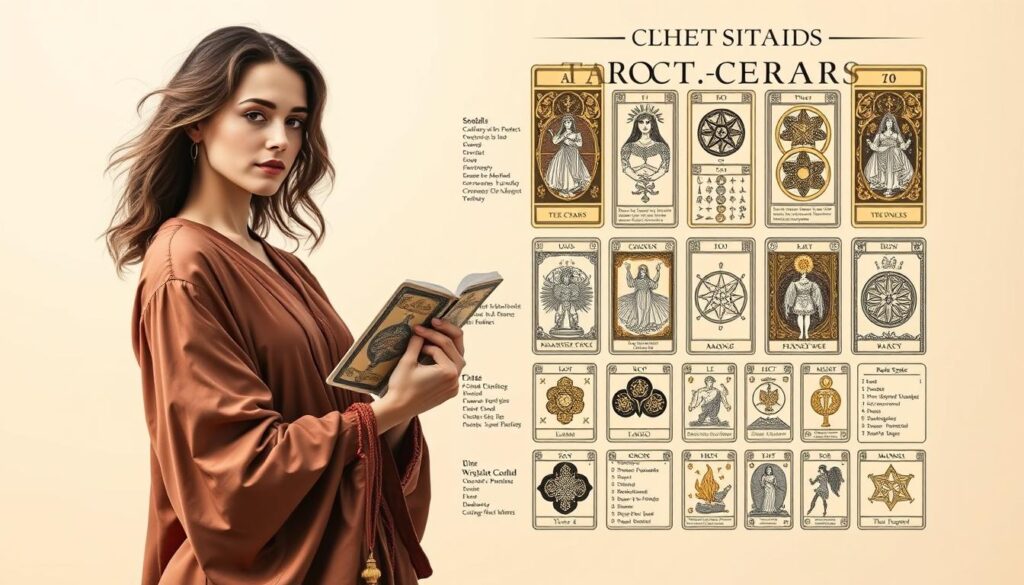
Love and Relationships
Cups show connection and emotional outcome. Two of Cups signals unity; Ten of Cups points to domestic harmony and family joy.
Reversed positions often ask for boundaries or recalibration of expectations. Ask: “What repeated pattern needs tending?”
Career and Work
Wands highlight planning and momentum for action. Use them to spot initiative and timing.
Pentacles add craftsmanship and stability—look for quality and long-term progress. If workload is heavy, see the Ten or Ten-related tensions; learn more with a focused read like the Ten of Wands overview.
Mindset and Clarity
Swords map decisions, communication, and the path from stress to insight. Use the Ace or Four for breakthrough and recovery. Ask: “Which conversation brings clarity?”
Well-Being and Security
Pentacles track resources, support, and health foundations. Five of Pentacles reversed often signals recovery and community help.
| Life Area | Primary Suit | Key Signals | Quick Prompt |
|---|---|---|---|
| Love | Cups | Two — unity; Ten — family harmony | Who needs connection? |
| Work | Wands / Pentacles | Wands — momentum; Pentacles — sustainable skill | Where is momentum blocked? |
| Mindset | Swords | Ace/Four — clarity & recovery; Nine — stress | What decision needs voice? |
| Security | Pentacles | Resources, support; Five (rev) — community aid | What support is present? |
Tip: Cross-check suits when areas overlap—work goals often affect love and family. Anchor each reading in the question and position to keep guidance precise.
Reading Reversals with Confidence: Practical Guidelines
Upside-down cards refine the narrative—they can slow timing or spotlight hidden patterns in a reading.

Simple framework: treat reversals as one of four signals: blocked energy, inner work, delay, or release.
“A reversed pull often points to what needs tending, not just what will go wrong.”
Use concrete examples to steer interpretation. Wheel reversed can mean clinging to control. Death reversed shows resisting change. The Devil reversed often signals release. Five of Wands reversed hints at cooperation. Eight of Swords reversed can show emerging freedom.
- Read the upright meaning first.
- Add a modifier: delay, internalized, imbalance, or release.
- Ask: “Is this about timing, perspective, boundaries, or control?”
Practical tip: pull a clarifying card or use journaling and breath as immediate resources to test direction. Build a personal reversed lexicon and apply it consistently.
Friendly guidance: reversals are common and point to what to adjust, not what to fear. Use them to narrow the focus of your readings.
Top Tarot Spreads for Quick, Accurate Readings
Pick a spread that fits your question, then let the layout shape the story you read. Below are three reliable ways to structure readings so you can move from confusion to practical insight fast.
Three-Card Variations
Layout: Place three cards left to right.
Past — Present — Future is the classic timeline. Use it for brief life snapshots.
Situation — Advice — Outcome works well when you need clear steps.
Use Wands for action questions, Cups when feelings matter, and Swords to highlight thought patterns.
Five-Card Cross
Layout: Center card, two flanking, one above, one below (or a simple row with labels).
- Situation — current context.
- Challenge — main hurdle to address.
- Guidance — practical next step.
- Advice (anchor) — mindset or action to support the guidance.
- Outcome — likely result if guidance is followed.
Use this when you want a short but nuanced reading that maps both problem and path.
Celtic Cross: Deep-Dive Structure
Layout: Ten positions—present, challenge, past, recent past, conscious, subconscious, near future, self, environment, hopes/fears, outcome.
| Position | Focus | Quick cue |
|---|---|---|
| 1 | Present | Where you are now |
| 2 | Challenge | Immediate obstacle |
| 3 | Past | Root cause |
| 4 | Recent Past | What led here |
| 5 | Conscious | Your goals |
Majors in any key position act as an overarching theme from the major arcana and can change the reading’s scope. Scan suits across positions for energy balance.
Practice tip: Photograph each spread and annotate the photo with the position labels on your guide. Repeating this builds pattern recognition and deepens learning.
Ten Essential Rules for Insightful Tarot Readings
Good practice turns symbols into steady guidance you can count on.
From Symbolism to Ethics: Core Principles to Trust
Summary: these ten rules keep your practice clear, compassionate, and practical.
- Understand symbolism — study imagery and common themes to build useful wisdom.
- Trust intuition — combine study with your immediate sense for authentic guidance.
- Consider the question — always tie a pull to a clear intent or frame the reading.
- Respect tradition — use classic frameworks while staying flexible.
- Look at the big picture — blend suits, numbers, and context for fuller lessons.
- Be ethical — protect privacy, set boundaries, and avoid absolute predictions.
- Embrace reversals — log patterns; reversals reveal what needs tending.
- Practice regularly — short daily reads sharpen skill and build confidence.
- Avoid absolute forecasts — offer options and next steps, not fate.
- Invest in learning — compare sources, note growth, and balance analysis with empathy.
Note: If many swords appear, add compassion; if many wands appear, pace action for stability and long-term security.
For a clear example of conflict and release, see a concise Three of Swords overview to compare how lessons and power shift in readings.
Card Pairings: How Combinations Change the Story
When cards appear side by side, they remix meaning and timing into a clearer message. Pairings sharpen context and reveal whether energy flows, stalls, or shifts course.

Complementary vs. Contradictory Energies
Complementary pairs boost a single tone. For example, The Sun + The Lovers suggests joyful alignment and steady progress.
Contradictory sets create tension or sudden change, as when The Fool meets The Tower and a fresh start faces disruption.
Tip: watch numerology echoes and element balance to see if two pulls support or clash.
Major Meets Minor: Big Themes in Everyday Life
A Major Arcana presence can widen a Minor situation into a life lesson. Death + The Empress might mean transformation that leads to growth and renewed security.
Scan imagery and suit repeats to spot the core theme fast.
Court Card Dynamics: People and Personalities in Play
Courts show who acts and who responds. Pairings reveal influence—mentor, challenger, ally, or mirror.
Love example: Two of Cups + Ten of Cups points from connection to lasting family joy. Practice: pull two random cards and write two interpretations in different spread positions to build skill and discover new ways the story unfolds.
| Pair Type | Signal | What to Ask |
|---|---|---|
| Complementary | Flow, reinforcement | How does this deepen the path? |
| Contradictory | Conflict, pivot | What must change now? |
| Major + Minor | Shift in scope | Is this daily issue or life lesson? |
Tarot and Astrology: Adding Timing, Elements, and Archetypes
Combining astrological rhythms with suit energy helps you time choices and track growth. Start with elemental links: Fire aligns with wands, Water with cups, Air with swords, and Earth with pentacles.
Use simple timing hacks:
- Fire seasons favor bold action and project launches.
- Water periods support healing, relationships, and inner work.
- Air transits suit decisions, conversations, and mental clarity.
- Earth cycles help with building, saving, and material consolidation.
Major arcana often match astrological archetypes and long-term life chapters. Reading a Major through a planetary lens can reveal when a major shift is likely or which inner theme needs tending.
Apply planetary-style filters: look for discipline vibes with Saturn-like pulls to manage control and responsibility. Use faster planets to time quick pivots and creative bursts.
“Start with element and suit, then add chart notes to validate next steps.”
Practical tip: keep it simple at first—anchor an interpretation on the element, then layer one astrological insight to confirm timing and practical next steps in life.
Grow Your Intuition: Journaling Prompts for Deeper Readings
Short, focused prompts make it easier to hear your inner voice and spot patterns over time.
Use a five-minute practice each day. Draw one image, write a single sentence about your first feeling, then list one small action you can take today. Repeat this to track subtle shifts and growth.
Connecting with the Inner Voice: High Priestess Practices
Quiet time matters. Before consulting keywords, sit for two minutes and note any sensations in your body. Jot the first three words that arrive.
- Write the steps you’re taking to nurture intuition this week.
- Embody feminine archetypes like the High Priestess or Empress by noting what wise, calm action would look like today.

Relationship Reflections and Shadow Work with Cards
Use two-card pulls to map dynamics and family patterns. Label one card “me” and the other “us” to reveal shared lessons.
For shadow work, name a fear, then draw one symbol and ask: how does this image suggest a compassionate step forward? Write three practical moves below that insight.
Quick prompts to journal:
- Draw a card that represents you today; list two feelings and one action.
- Pick a Major for your current life lesson; revisit it weekly and note one change.
- Set an intention, draw one guiding card, and write three concrete steps to manifest that goal.
| Practice | Prompt | Outcome | Frequency |
|---|---|---|---|
| Single-draw check-in | One pull; one sentence | Daily clarity | Daily |
| Relationship pull | Two pulls: me / us | Dynamics & boundaries | As needed |
| Shadow work | Name fear; draw one card | Compassionate action steps | Weekly |
| Major tracking | Choose one Major as lesson | Long-term growth log | Weekly review |
Final note: Treat journaling as ongoing guidance. The more you record feelings, prompts, and outcomes, the richer your personal wisdom becomes and the clearer future readings will feel.
Avoid These Common Mistakes in Tarot Readings
A few simple habits keep your readings sharp and ethically sound. Start by slowing down and giving each spread room to speak. Small adjustments protect clarity and trust.

For Beginners: Context, Reversals, and Grounding
Keep context first. Anchor every question with a clear intent. Avoid pulling again and again; spacing helps the story unfold instead of creating noise.
Normalize reversals—don’t treat them as bad luck. They add nuance. Practice a consistent approach so reversals feel reliable, not scary.
Ground before and after a session. Breathe, touch a surface, and note one practical next step. When using free tarot tools, pause between pulls to reflect.
For Experienced Readers: Bias, Overcomplication, and Self-Care
Watch bias creep in. Stay curious and question assumptions, especially when you feel a need for control. Avoid piling on complex spreads that dilute power and clarity.
Simple checklist: rest, reframe the question, use fewer cards, and confirm consent and confidentiality for any material client notes.
“Treat tough pulls as invitations to change, not as final verdicts.”
Protect your practice with time limits, hydration, and short breaks. Ethical care and self-care keep readings useful and sustainable.
Daily Practice: From Single-Card Draws to Themed Readings
Start each day with a tiny ritual that turns a quick pull into actionable insight. Shuffle, set a clear question, pull one card, and write one short reflection you can revisit at night.
Keep it simple: a single morning pull anchors energy and primes attention for growth without taking extra time.
Use a weekly rotation by suit to balance energy: Wands for action, Cups for feelings, Swords for clarity, Pentacles for stability. On busy days, grab a mini three-card spread (past → present → future) or a situation–advice–outcome layout.
Pick a Page as a study buddy each week. Practice one Page quality—curiosity, learning, or a small task—and note how that approach shifts your work and mood.
“Consistency builds familiarity. Small daily steps lead to clearer patterns.”
- Morning: one pull and a one-line intention.
- During work: a one-card check-in to align priorities.
- Evening: review the morning note and jot what actually happened.
| Practice | When | Focus | Quick step |
|---|---|---|---|
| Single-draw | Morning | Daily intention | Write one line |
| Suit rotation | Weekly | Energy balance | Choose suit theme |
| Page study | Weekly | Skill growth | Practice one quality |
| Mini spread | Busy days | Clarity | Past–Present–Future |

Tip: track repeats—symbols, numbers, or suits that show up often. Those repeats point to deeper lessons and steady growth. For more structured layouts, explore reliable spread options.
Conclusion
Here we pull together the practical tools that help you turn signals into clear guidance. Use this compact summary as a go-to for quick tarot card meanings when you need clarity fast.
Return to Major Arcana for soul-level themes and check each suit for specific arenas: cups for feelings and family, swords for clarity, wands for momentum, and pentacles for material security and craft.
Celebrate steady growth. Your High Priestess inner voice strengthens with practice. Bookmark favorite sections, add notes, and use life-area lookups when time is tight.
Change is constant—control what you can: focus, ethics, and preparation. Keep journaling interpretations and watch your confidence and accuracy rise over weeks.