

Welcome to a friendly, concise guide that traces how a 15th-century Italian game became a modern tool for reflection and insight. This short introduction maps the essentials so you know what to expect next.
The story begins with trionfi, later called tarocchi and tarocks, early trick-taking play in northern Italy. Over centuries the game spread across Europe and evolved into specialized decks used for cartomancy in English-speaking places.
In plain terms: a standard deck has 78 pieces, including 21 trump figures and the Fool, plus four suits with numbered pips and court figures. You’ll learn how that structure shaped the imagery readers use today.
This guide shows what a reading can look like, from a single pull to fuller spreads, and offers simple ways to read meaning through symbols rather than rote memorization. It also separates historical fact from later esoteric claims so you can enjoy the practice while staying grounded.
Key Takeaways
- This guide explains origins and practical uses in everyday life.
- You’ll get a clear view of deck structure and major elements.
- Readings range from quick pulls to structured layouts.
- Meaning comes from symbols and stories, not only memorized lists.
- History and modern use are presented separately and responsibly.
What Are Tarot Cards? A Brief History and Origins
Decks with added trumps and a Fool first appeared in 15th-century northern Italy as playful, ornate additions to existing playing sets.
Early makers in Ferrara and Milan added extra figures to the four familiar suits—batons, cups, swords, and coins—so trick-taking games gained dramatic imagery. Surviving decks like the Visconti-Sforza show the same core allegories that later spread across Europe.
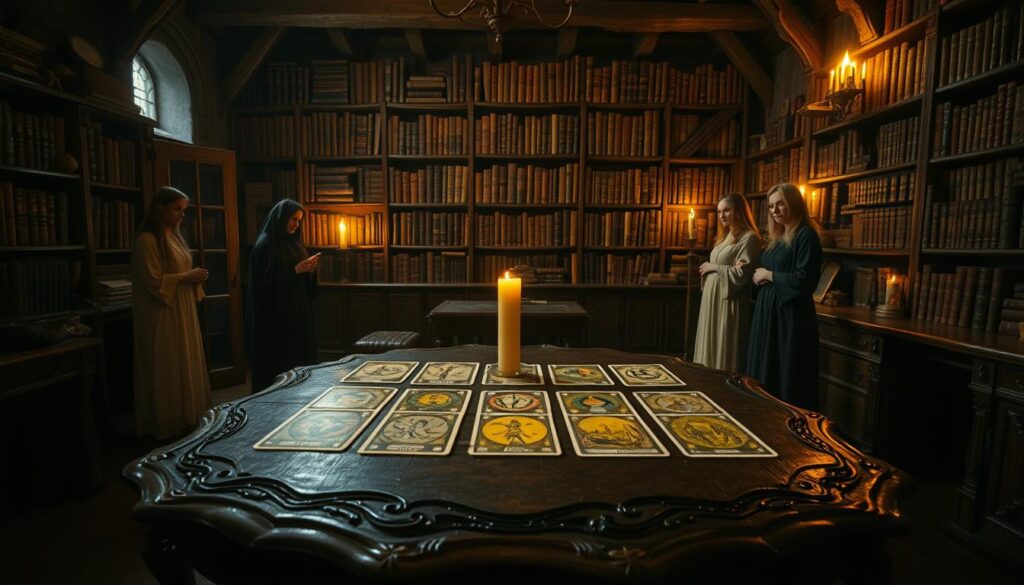
Printing helped a Milanese style evolve into the Tarot de Marseille while Florence produced Minchiate, an expanded 97-card version with astrological and elemental symbols.
Game play vs. divination
Originally, use was recreational: players kept score and followed regional trump orders. For example, Bologna sometimes ranked the Angel highest, while Milanese and Marseille tables favored the World.
| Origin | Primary Use (past) | Regional Variation |
|---|---|---|
| Northern Italy, mid-1400s | Trick-taking games (Tarocchini, Königrufen) | Different trump order by city |
| France & Switzerland (printing) | Popularized Tarot de Marseille | Milanese vs Marseille ranking differences |
| Florence (Minchiate) | Expanded deck; astrological symbols | Added elements and extra trumps |
Claims of ancient mystical origins came later, in the 18th century, when occultists reinterpreted the iconography. Modern scholars, however, place invention firmly in 15th-century Italy and note that systematic cartomancy appears only centuries later.
For a concise overview and links to historic patterns, see tarot history.
Inside a Tarot Deck: Major Arcana and the Four Suits
A full deck contains 78 pieces that split into trumps, the Fool, and four suits. This structure makes learning faster because form guides interpretation.
The Major Arcana are the set of 22 punchy archetypes—from the Fool to the World—that outline major life themes. They often appear in a clear numeric order (Fool as 0, trumps I–XXI), so you can file meanings by sequence.
The Minor Arcana: suit identities and ranks
Each suit has 14 cards: Ace–10 pips plus four court roles (King, Queen, Knight, Page). The suits express everyday situations—wands for action, cups for feelings, swords for thought, and pentacles or coins for material matters.
- Trumps act like a separate set of big-theme cards.
- The Fool can be unnumbered or 0 and plays a special part.
- Learning rank and suit first helps you infer meaning before memorizing images.
For practical layouts and how these parts work in spreads, see common spreads at common spreads.
The Major Arcana: The Fool’s Journey and Key Meanings
Think of the major arcana as a life map made of vivid archetypes and clear turning points. Each of the 22 pieces outlines a stage, from open beginnings to completion.
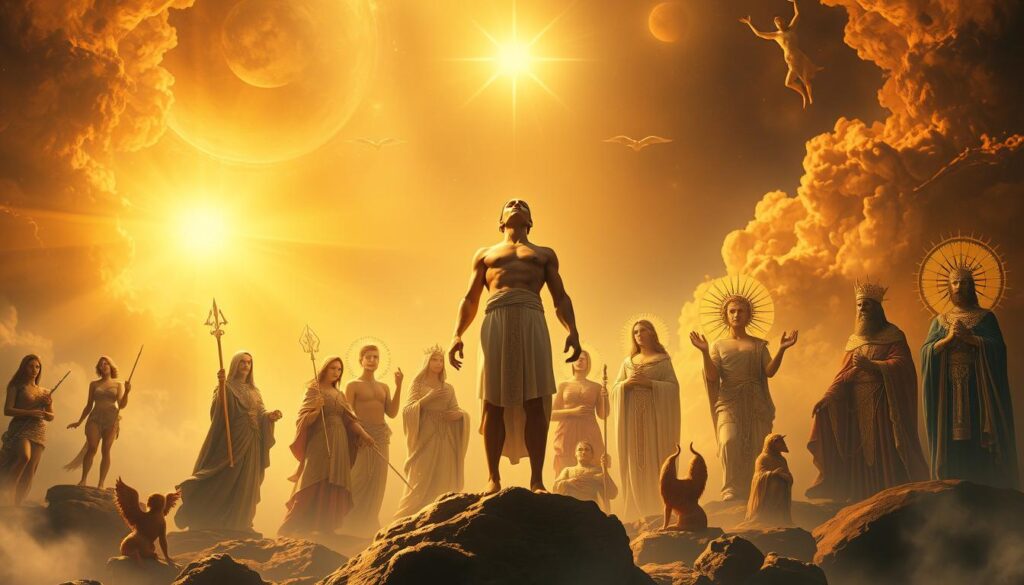
Milestone cards mark themes you’ll see often. The Fool signals new chapters and risky optimism. The High Priestess points to inner knowing and quiet guidance.
Strength blends courage with compassion. Justice asks for balance and honest consequences. Death shows deep transformation and the end of a cycle. The World stands for arrival and integration.
Upright vs. reversed: growth, challenges, and change
Upright positions often show momentum and healthy expression of a theme. Reversed placements reveal blocks, lessons, or delayed growth.
| Card | Upright meaning | Reversed meaning |
|---|---|---|
| The Fool | New start, openness | Impulsiveness, avoidance of risk |
| High Priestess | Inner wisdom, intuition | Ignored intuition, secrets |
| Strength | Compassionate courage | Self-doubt, harshness |
| Justice | Fair outcome, accountability | Bias, unresolved consequences |
| Death | Transformation, rebirth | Resistance to change |
| The World | Completion, integration | Delayed closure, new cycle pending |
Use pairs of major arcana to read large patterns: for example, Lovers may show values-alignment while Justice reveals tangible cause and effect. Journal a card’s core meaning for practice and growth.
The Suits Explained: Wands, Cups, Swords, and Pentacles
Suits act like lanes of experience—move, feel, think, and build—each with its own element. This simple map makes it easier to attach meaning quickly when you read a spread.

Wands (fire)
Wands represent spark, will, and visible action. They point to ambition, creativity, and initiative.
At best they drive projects forward. At worst they become reckless or burn out. The Ace of wands signals raw potential to start something bold.
Cups (water)
Cups focus on emotions, intuition, and community. They show feelings, close bonds, and creative flow.
Healthy cups mean empathy and strong relationships. Troubled cups suggest fantasy, poor boundaries, or disconnection. For a focused example, see the emotional nuance in the Knight of Cups.
Swords (air)
Swords highlight the mind: truth, communication, and conflict. They bring clarity and tough conversations.
Used well, swords cut through confusion. Misused, they can be sharp or overly critical. An ace in swords often marks a new idea or a decisive truth.
Pentacles / Coins (earth)
Pentacles concern work, money, health, and practical stability. They reflect resources and results.
Strong pentacles mean steady progress and grounding. In excess they can show greed or attachment. The Ace of pentacles invites a practical new start.
| Suit | Element | Core focus | Shadow |
|---|---|---|---|
| Wands | Fire | Action, ambition, creativity | Impulsiveness, burnout |
| Cups | Water | Emotions, intuition, community | Romanticizing, poor boundaries |
| Swords | Air | Mind, truth, communication | Conflict, cold logic |
| Pentacles / Coins | Earth | Work, health, stability | Hoarding, overattachment |
Quick tip: Notice which suit you draw most in a week. That pattern reveals where your energy, feelings, or focus are leaning and helps you pick supportive action.
Tarot Cards in Readings: How Beginners Can Start
Begin each reading by grounding yourself and setting a clear question; this small step improves focus and meaning.

Setting intention and tapping intuition
Take three slow breaths, name your purpose, and hold a simple question. A calm start helps you notice small signals and trust impressions.
Common beginner spreads
Try a one-card daily draw to build habit and capture a single, usable meaning. Use a three-card layout for past/present/future or situation/obstacle/advice.
Reading context: feelings, obstacles, purpose, and action
Read suits quickly: Wands point to action, Cups to feelings, Swords to thought, Pentacles to practical matters. This gives fast context so meanings fit together.
Ethics and clarity: asking better questions
Phrase open, empowering prompts like “What supports my purpose here?” Avoid medical, legal, or absolute predictions. Treat the result as reflective guidance.
“A clear question brings clearer meaning; journal the outcome to track patterns and small wins.”
| Spread | Use | Key output |
|---|---|---|
| One-card | Daily focus | Single clear meaning |
| Three-card | Short narrative | Context, obstacle, advice |
| Celtic Cross | Deeper reading | Layered purpose and challenges |
Quick closing checklist: note the main meaning, decide one small action, and log insights for steady growth.
For an example of how a single major image can shift a reading, see The Chariot meaning.
Choosing and Using Your First Tarot Deck
Picking your first deck feels like choosing a language for your inner conversation. A good match helps you read symbols faster and enjoy practice.
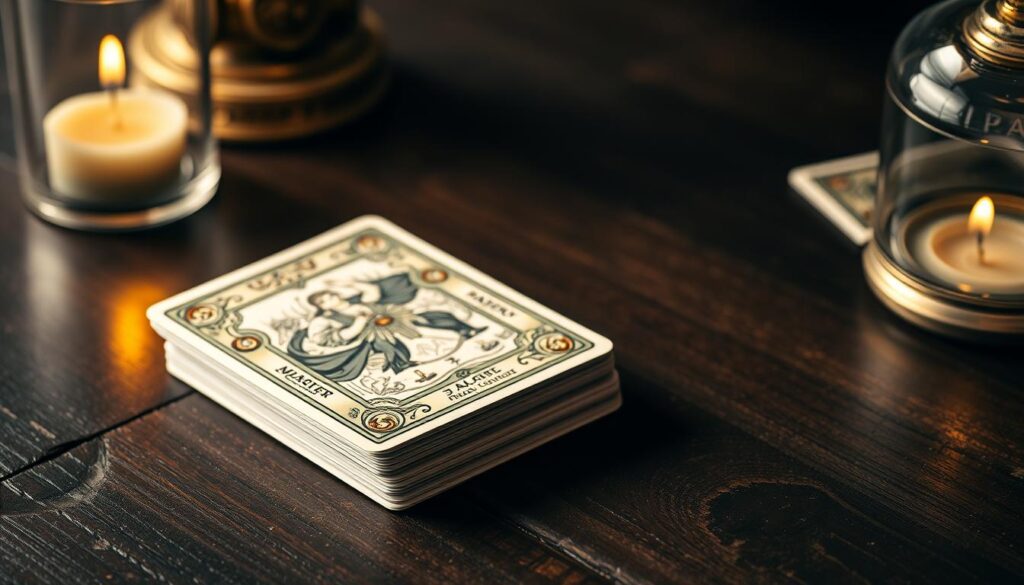
Popular starting points: the Tarot de Marseille offers classic linework and a clear historical lineage. The Rider‑Waite‑Smith (RWS) uses illustrated pips that make scenes easier to interpret, so many learners prefer it.
How to pick a deck that clicks
Choose art you like. Visual appeal helps memory and trust. Check imagery for inclusivity so interpretations feel authentic.
Caring, study, and simple rituals
Shuffle gently, cut with intention, and restore the original order when you study. A brief cleansing routine—mindful shuffling and laying the deck in a neat stack—refreshes your mindset.
Journaling method: log a daily pull, two keywords, and one personal meaning. Study suits and ranks in small cycles (all Aces, then all Twos) to build patterns without cramming.
| Feature | Marseille | Rider‑Waite‑Smith |
|---|---|---|
| Style | Linework, historical | Illustrated scenes |
| Learning | Requires more image study | Immediate narrative cues |
| Trump order | Regional variation | Standardized modern order |
| Best for | History and tradition | Beginners and visual readers |
Try one deck for a season. Pair steady practice with the deck you enjoy and your fluency will grow naturally. For a focused exercise, see a practical example at seven of wands.
Conclusion
This guide wraps up the essentials so you can use imagery and suits to make clearer, kinder choices.
Keep it practical: treat the major arcana as big-picture prompts (trust the High Priestess, lean on Strength, accept Death as change, or start fresh like the Fool).
Let each suit guide day-to-day meaning: wands for momentum, cups for relationships, swords for thought or conflict, and pentacles for resources. When you pull an Ace, ask how to nurture that potential this week.
Journal a daily card, note one small action, and turn tension into a grounded step. For a focused suit example, see the five of wands meaning.