

An incantation can be spoken, sung, or chanted to direct power toward a clear intention. These short formulas mix tone, rhythm, and precise words so a caster and audience sense an effect. In folklore and fiction, wizards, witches, and fairies use such phrases to shape outcomes, and classic magic words like Abracadabra and Hocus Pocus show how language carries meaning.
This article sets the scope from linguistic roots to modern pop culture and game systems. You’ll see how a game can model progression, costs, and effects for a spell, and how practice blends scholarly views, folklore, and practical frameworks. Tone, rhyme, and word placement are not decorative; they often change perceived results for the caster and the group.
We’ll cover definitions, tools and roles, core techniques, ethics, cultural examples, and a starter ritual framework. No prior experience is needed—readers get clear steps, examples, and references, including related methods like how to move things with your.
Key Takeaways
- A formula can be spoken, sung, or chanted to focus intent.
- Tone, rhythm, and placement of words shape outcomes.
- The piece links cultural roots, language, and modern game systems.
- Ethics and cultural sensitivity are central to practice.
- Clear, practical frameworks make this accessible to newcomers.
What Are Incantations? Defining the Magic, Words, and Power
A focused formula combines words, rhythm, and purpose to create a predictable effect. In practice, a clear definition helps separate related terms so readers can apply methods with intent.
Definition and distinctions: An incantation is a concise formula meant to direct an effect toward a person or object. A spell often names the broader practice; a charm tends to be small and practical, while an enchantment implies a lasting or layered influence. These forms overlap, but each carries different cultural and functional emphasis.
Ritual context: Formulas appear inside prayers, rites, and performances. In solemn rites, tone and register set expectations. In theatrical displays, pace and flair shape perception. Both can affect how people respond and how an environment feels.
Delivery matters. Spoken lines use breath and inflection. Sung phrases add melody and sustained resonance. Chanted refrains emphasize rhythm and group sync. Each mode changes pacing, memory, and perceived potency.

How language and performance shape results
Words act as the active medium. Inflection, emphasis, and placement shift meaning and audience response. Tone and rhyme are part of the formula, not decoration. Refrains, call-and-response, and rhyme schemes help memorization and focus.
“Words, delivered with intent and rhythm, transform an ordinary moment into a ritual one.”
Folklore shows wizards, witches, and fairies using memorable phrases to mark action. That cultural memory helps modern practice feel familiar and effective.
- Define: focused formula with intent.
- Context: rites, prayers, and performances alter expectation.
- Form: spoken, sung, or chanted changes pacing and resonance.
For readers curious about practice or guidance, explore related methods like psychic readings to see how language and ritual interconnect in contemporary settings.
From Galdor to Incantāre: The Linguistic Roots of Incantations
Language history reveals that chants and songs once carried social and sacred weight. The English word traces back to Latin incantāre — “to consecrate with spells, to charm” — and to Old French forms. At the same time, Old English galdor (also seen as gealdor) meant a song or song-like formula and links to Old Norse galdr.
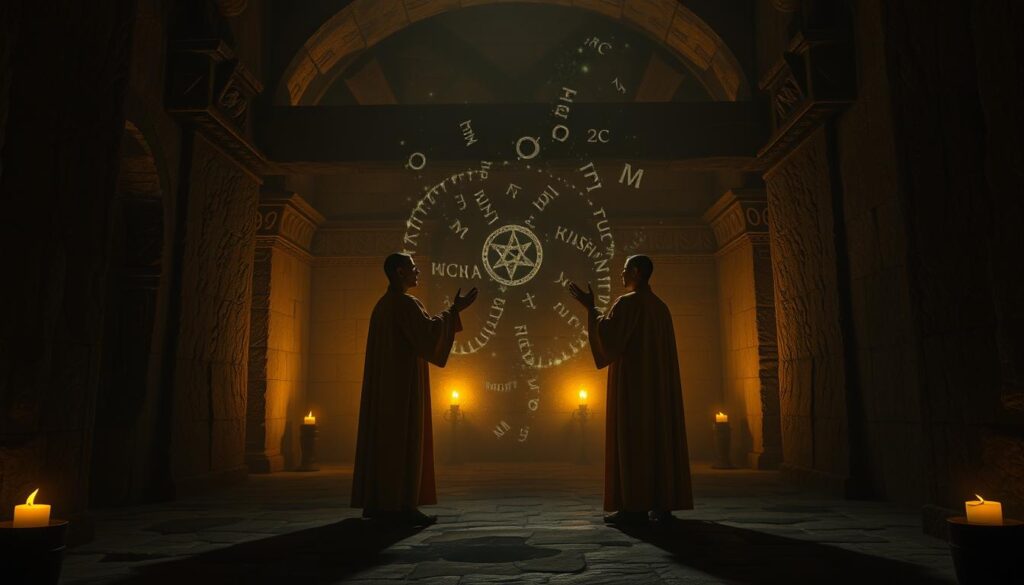
Old English galdor and Latin incantāre: etymology and meaning
That lineage shows singing and chanting were part of the original meaning. Rhythm, melody, and repetitive form made these lines easier to remember and to perform in groups.
Tone, rhyme, and word placement: why delivery changes outcomes
Tone and cadence guide attention and memory. Rhyme and alliteration sharpen focus and make a phrase feel stronger.
Word placement controls emphasis; a final stressed word can feel like a release or command.
Sacred and secret language: exclusivity, emotion, and “words of power”
Scholars like Malinowski and Tambiah note that ritual language differs from everyday speech. It is emotive, purpose-built, and often kept separate.
Secrecy or specialized vocabulary can make language feel potent to insiders and opaque to outsiders. This social boundary boosts perceived power.
Classic magic words in culture: Abracadabra and friends
Formulaic utterances such as Abracadabra, Alakazam, Hocus Pocus, and Open Sesame act as cultural touchstones. Their sounds use assonance and repetition to stick in memory and to mark the moment as special.
“One steady theme across traditions: the right verbal form helps align intention and effect.”
- Lineage: Latin incantāre and Old English galdor embed song and charm.
- Delivery: Tone, rhyme, and placement shape perceived force.
- Practice: Study roots to make informed stylistic choices and experiment respectfully.
For related practical approaches to ritual language and abilities, see a focused overview on supernatural abilities.
Tools, Tokens, and Tongue: What You Need to Cast a Spell
A clear voice and a few meaningful objects are the backbone of practical ritual work. Keep things focused: breath, cadence, and intent shape presence more than flashy gear.
Voice, language choice, and the caster’s role
Primacy of voice: Good projection, steady breath, and clear articulation help a caster hold attention and maintain intention through each step.
Choose language by purpose. Modern words aid clarity. Archaic registers lend gravitas. Match tone to the working and the audience.

Wands, books, and ritual items: when objects matter
Objects act as anchors. A wand can point focus; a book records order and formulas. Use items as mnemonic cues, not crutches.
- Keep tools dedicated and simple.
- Let candles, cords, or talismans mark stages in a multi-step performance.
- A personal book of formulas standardizes practice while allowing adaptation to your cadence.
“Deliberate choice—speak only what the moment requires to avoid diluting focus.”
Sample small working order:
- Orientation (set space and intent)
- Statement of intent
- Recitation and refrain
- Closing and grounding
Physical posture and gestures support spoken lines and keep rhythm steady. For more on ritual frameworks and related practices, see a guide to tarot for ways to combine tokens and words.
Incantation Spells: Core Techniques and Ritual Order
Start with a single clear aim, then shape words and pace around that aim.
Choosing the right words means stating one, simple intent. Use plain language that leaves no room for misinterpretation. Short lines help the caster hold focus and make rehearsal easier.
Tone and cadence
Use steady pacing, intentional pauses, and clear stresses to anchor attention. A measured tone helps memory and strengthens group sync in call-and-response work.
Order and structure
Follow a compact order: prepare the space, center with breath, invoke or call, recite the primary line, then release and close. This order keeps the working organized and repeatable.

Timing and choice
Pick a time when focus is high and the surroundings are quiet. Align the moment with practical needs—late night for quiet, dawn for new starts.
“Keep language concise and practiced; rhythm is as important as the words themselves.”
- Draft: write a single-line intent.
- Read aloud: adjust for breath and rhythm.
- Rehearse: mark pauses and stresses on the page.
- Test: try cadence variations until delivery feels natural.
| Aspect | Practice Tip | Outcome |
|---|---|---|
| Words | Use one clear sentence, avoid filler | Focused intent; less ambiguity |
| Tone | Steady pace, marked pauses | Stronger attention and memory |
| Order | Prepare → Invoke → Recite → Release | Consistent, repeatable working |
| Time | Choose quiet, suitable hours | Fewer distractions; clearer focus |
Quick checklist: intent stated, order set, tone rehearsed, time chosen, and a firm closing ready.
Ethics, Risks, and Side Effects in Spellcasting
Responsible use of ritual words starts with respect for people and history. Many traditions lost records under suppression, so learners must act with humility.
Cultural respect and historical sensitivities in the United States
Credit communities and sources when learning. Some practices were marginalized here, so avoid appropriation.
Ask permission, cite teachers, and use accurate context when sharing forms that belong to living traditions.
Potential consequences: misfires, unintended effects, and safeguards
Words can carry subtle power. Unclear phrasing or broken sequence may produce a misfire or unexpected side outcome.
- Consent and care: never perform work that manipulates or harms people.
- Keep intentions narrow: simple lines reduce risk and confusion.
- Safeguards: use clear closing phrases, grounding steps, and an agreed stop signal.
“Practice slowly, document outcomes, and stop if a session feels destabilizing.”
- Rehearse short scripts aloud until delivery is steady.
- Record results in a notebook to refine wording and timing.
- Assess readiness: rest well and avoid demanding work when stressed.
Final note: Treat ritual language as a lived craft. Respect history, protect people, and build sustainable ways of working that keep both caster and community safe.
Real-World and Cultural Applications of Incantations
Across cultures, short ritual phrases appear in stories, court records, and stage shows as markers of change.
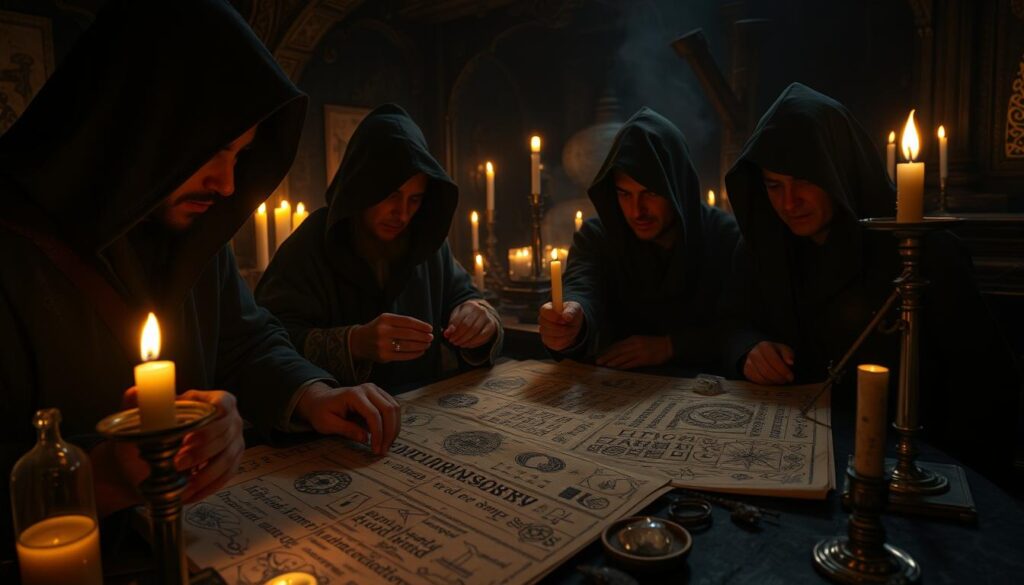
Folklore and fairy tales
Fairy tales often show wizards and witches speaking formulaic words while waving a wand. The gesture signals intent and gives a clear visual cue for transformation.
These patterns make magic feel immediate and teach readers how a scene will unfold.
Historical examples
Ancient Mesopotamia used series like Šurpu, Maqlû, and Udug-hul to counter witchcraft and hostile forces.
Those collections read like a book of remedies and rituals, combining ritual language with material acts.
Modern interpretations
Today, ritual speech lives in stage patter, ceremonies, and media. Performers use rhythm and refrain to shape emotion and expectation.
“Memorable words, repeated with intention, shape audience expectations and narrative outcomes.”
Quick contrasts:
| Context | Form | Function |
|---|---|---|
| Fairy tales | Short formula + wand gesture | Signal transformation |
| Mesopotamian texts | Series of countermagic rites | Protection and exorcism |
| Modern performance | Patter, rhythm, refrain | Focus, drama, memory |
One unifying aspect: clear words and rhythm make an act feel effective. Explore sources with respect for origin and era.
Incantations in Games: Elden Ring’s Faith-Based Magic
Elden Ring channels ritual language into a combat system where Faith fuels a broad toolkit of powers.

How they work: Incantations scale with the Faith stat and cover healing, curing status, damage, enchantments, and utility. These options help against enemies and support exploration.
Casting tools: You need Sacred Seals (and the Staff of the Great Beyond) to cast during moment-to-moment play. Gear choice changes cast speed and potency.
- Trainers: Brother Corhyn (Roundtable Hold → Altus Plateau), Miriel (Church of Vows), Gurranq (Bestial Sanctum via Limgrave waygate), plus D and Gowry.
- Prayerbooks: Hand in Two Fingers’, Assassin’s, Golden Order Principia, Dragon Cult, Ancient Dragon, Fire Monks’, Giant’s, or Godskin to unlock new lines.
“Pick a category, scale Faith, equip a Seal, and practice timing to land effects reliably.”
| Category | Playstyle | Notable examples | Role |
|---|---|---|---|
| Dragon Communion | Ranged burst | Lightning Spear, Electrify Armament | Damage |
| Golden Order | Balanced support | Radagon’s Rings of Light, Law of Regression | Buff/Heal |
| Giants’ Flame | Heavy fire | Giantsflame Take Thee, Flame, Fall Upon Them | Area damage |
| Godskin / Fire | Close-range burn | Black Flame, Black Flame Blade | Mix damage/control |
Legendary items like Flame of the Fell God, Elden Stars, and Greyoll’s Roar are trophy-worthy and make strong build cores. Early players should visit Miriel, grab a few prayerbooks, then branch out to trainers.
Tip: Experiment with healing and offensive lines to handle varied enemies and keep your game flow flexible. For related tests of perception and focus, try this psychic abilities test.
Building a Ritual: A Friendly Starter Framework
Start small: a clear order and a short intent make a ritual easy to learn.
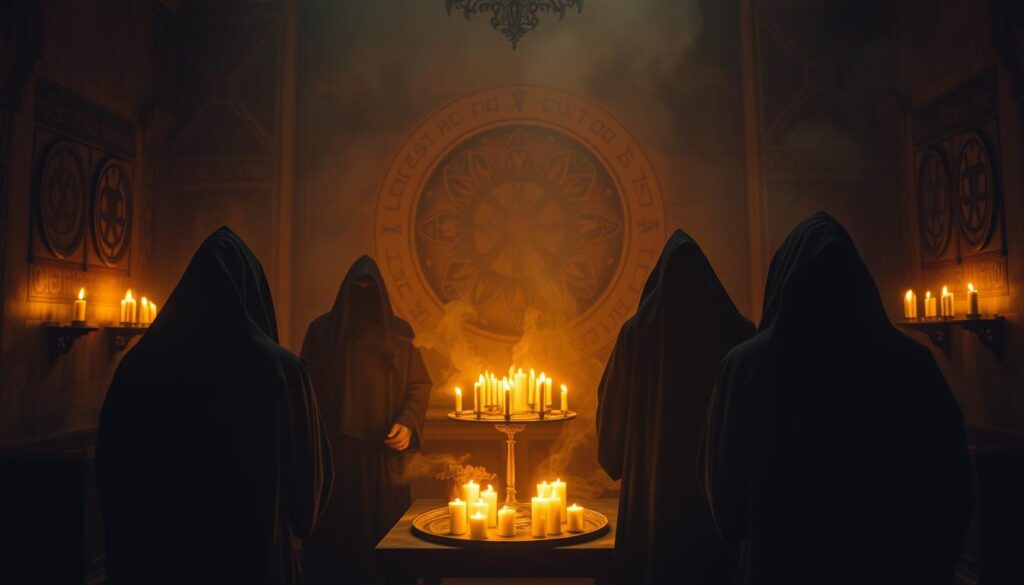
Preparation: space, intention, and the steps
Clear the space and state one sentence of intent. Write a simple order so each step has a purpose.
Set a realistic time when interruptions are unlikely. Pick a short opening and a closing phrase to mark the working.
Words and tone: drafting and practicing
Draft concise words that match the aim. Keep syntax simple so the caster can deliver lines without stumbling.
Practice aloud. Mark pauses and stresses. Try the line until tone and cadence feel natural.
- Choose a language register—plain, archaic, or poetic—based on your comfort and the setting.
- Keep rehearsal short and consistent; daily repetition strengthens memory and timing.
- Finish with a grounding step: a breath, an affirmation, or a touchstone.
“Simple structure and steady practice make ritual work reliable and clear.”
Document results immediately and iterate the script. Over time refine wording and flow while keeping the heart of the incantation intact.
Your Grimoire and Study Plan: Books, Notes, and Practice

Keep a dedicated notebook to record what you say, how you say it, and what happens next.
Create sections for spells you write and pieces you study. Note differences in tone, rhythm, and form. Add brief metadata: date, context, and environment. A line or two on physical cues helps you reproduce the same delivery later.
Practice cadence and iteration
Adopt a simple rhythm: read a passage, practice aloud, mark breath and pauses, then reflect. Record short audio and listen back to catch pacing issues.
- Draft: write intent and the exact wording used.
- Rehearse: annotate breath marks and stresses.
- Reflect: note clarity, resonance, and perceived power.
Track edits and outcomes
Small edits—word order, rhyme, or refrain—change confidence and effect. Log each change and score the result so patterns emerge over weeks.
“Historical collections like the Carmina Gadelica, Atharvaveda, and Greek Magical Papyri show how communities saved formulae and performance notes.”
- Weekly: revise two drafts.
- Monthly: test a revised line without notes.
- Keep a short list of dependable pieces you can perform from memory.
| Entry | Metadata | Revision note | Outcome |
|---|---|---|---|
| Draft A | 2025-06-10; dawn; quiet room | Moved refrain to end | Stronger projection, easier recall |
| Study: Carmina | 2025-04-02; group reading | Annotated rhythm marks | Better sync in call-and-response |
| Practice Piece | 2025-07-01; recorded | Shortened line; added pause | More confidence, clearer tone |
Celebrate progress. Note gains in flow, projection, and memory. Over time, your personal book becomes both reference and proof of practice. Use this article as a guide and adapt it to your pace.
Top Resources and Media to Explore
Explore a mix of academic books and community guides to deepen both context and craft. Below are targeted resources that pair historical study with play-focused learning.

Historical and cultural sources
Start with classic theory: Malinowski’s Coral Gardens and Their Magic and Tambiah’s The Magical Power of Words offer rigorous views on sacred language and ritual use.
Primary collections: Read the Greek Magical Papyri and the Carmina Gadelica to see formats and formulas across eras.
“Study context first—forms mean more when you know their story.”
Game guides and videos
Wikis and build guides: Use community wikis for organized lists of prayerbooks, unlocks, and trainer locations.
- Locate trainers: Brother Corhyn (Roundtable Hold → Altus), Miriel (Church of Vows), Gurranq (Bestial Sanctum), Gowry (south of Sellia).
- Follow video breakdowns for Faith builds: early, mid, and late-game seals and key pickups.
- Watch playlists that cover Legendary lines such as Flame of the Fell God, Elden Stars, and Greyoll’s Roar to learn integration and progression.
| Focus | Why it helps | Example |
|---|---|---|
| Theory | Context for ritual language | Malinowski; Tambiah |
| Historical texts | See formula formats | Greek Magical Papyri; Carmina Gadelica |
| Game guides | Practical lists and maps | Community wikis; video tutorials |
Practical note: Compare fire archetype guides (Giants’ Flame) with Golden Order/radiant aspects to match playstyle to intent.
Balance reading with practice. Study cadence and then test delivery in short sessions. For a related overview on focused abilities, see a concise psychic superpowers overview.
Conclusion
We end by tying practice, history, and play into a single, usable routine.
Recap: you explored incantation spells from roots and delivery to practical frameworks you can use in daily life or performance. Clear words, practiced cadence, and a simple order turn intent into presence.
Respect cultural forms and learn from historical collections. From Mesopotamian rites to game systems with fire archetypes, each part informs creative use and helps you handle enemies or obstacles with purpose.
Start small: pick one intention, draft three lines, rehearse, and note what changed. Keep a wand or token if it helps, but prioritize voice and clarity.
For a focused next step, explore a practical resource like the magician and then try your short practice again.