

This short guide offers a practical, step-by-step process for sending calm and comfort across any distance. It frames a simple, heart-led practice rooted in focused intention and gentle meditation.
Readers learn a clear intention-setting routine, a brief meditation flow, and realistic techniques that fit busy lives and different time zones. The approach highlights the role of the heart chakra, guided breathing, and a respectful closing phase.
What this practice means: a supportive focus that encourages calm, comfort, and connection while honoring diverse beliefs. It complements care but is not a replacement for medical or mental health treatment when those are needed.
Later sections cover definition and roots, the heart-led method, a guided meditation process, extra techniques, signs it is working, troubleshooting for beginners, and journaling aftercare. For additional background, see a short primer on psychic healing.
Key Takeaways
- You will get a clear, practical routine to practice across any distance.
- The method blends intention, heart-centered meditation, and grounding.
- This supports calm and connection but does not replace professional care.
- Short sessions fit busy schedules and time zone differences.
- Aftercare and journaling help track results and feelings.
What distance healing is and why it matters in today’s connected world
Across the busy modern world, small acts of focused attention can become meaningful supportive moments.
Distance healing means directing caring intention and calm vibration across physical space. In simple terms, you focus compassion and gentle thought toward a person so they receive supportive vibrational energy even when you are apart.

Ancient roots and modern language
Many cultures name a life force that links well-being across space: chi in Chinese practice, prana in Indian tradition, and ki in Japanese systems. These ideas show that the notion of shared influence is not new.
Everyday felt connections
Think of a friend texting just when your day feels low. That moment feels like a small miracle — a real example of connection that makes the concept tangible.
- Analogy: Like music heard from a distant concert, supportive vibrations can touch us from afar.
- Grounded view: This practice offers calm and steadiness, not forced outcomes.
Once this idea feels clear, the next sections explain the tools that make it effective: intention, steady attention, and regular practice. For practical techniques, consider this primer on psychic energy healing techniques.
The role of intention, love, and the heart chakra in healing energy
A focused intention acts like an address label. It guides supportive presence and gives direction when distance separates people.
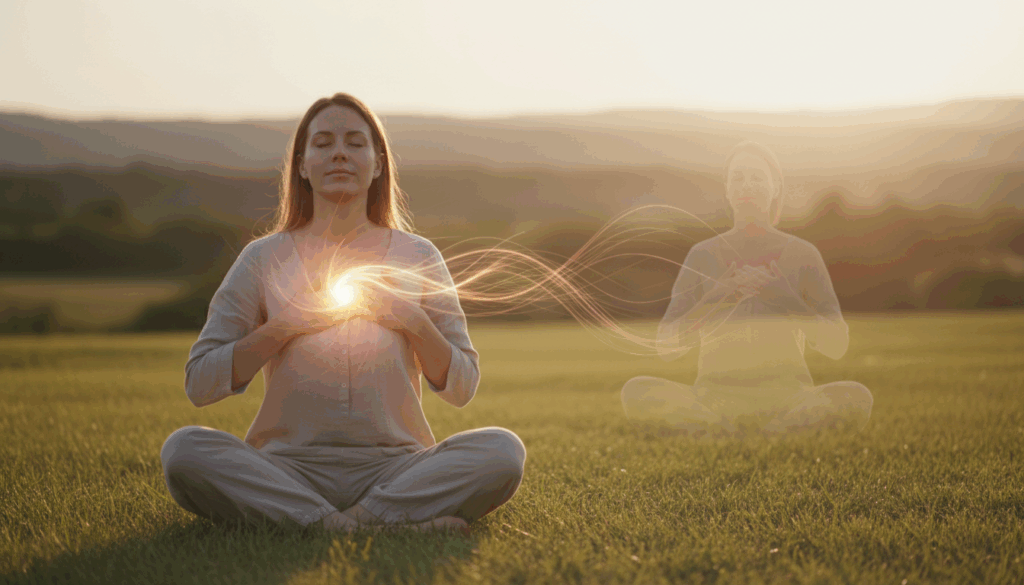
When your thoughts are steady and kind, the session feels like offering care rather than trying to force results. This gentle tone changes the quality of the practice and supports calmer outcomes.
“The heart center is an infinite source of loving, healing energy.”
The heart chakra, located at the center of the chest, is the emotional anchor for this work. Through brief meditation you can tap that reservoir of restorative power and let it flow with intention.
- Intention as an address: a clear focus helps direct healing energy toward a recipient without needing exact details.
- Quality matters: kind, steady attention shifts results from effort into compassionate presence.
- Heart-led power: this is power of steady care, not control over another person.
| Element | Role | Note |
|---|---|---|
| Intention | Directs the flow | Think of it as an address label |
| Heart center | Source of restorative energy | Accessed by gentle meditation |
| Outcome | What you set (calm, comfort) | Allow healing to unfold naturally |
| Presence | Quality of attention | Steadiness beats force |
Next, you will learn a repeatable guided meditation that blends intention, heart activation, and a clear closing step. That process will show a simple path from focus to gentle release.
How to send healing energy to someone you love using a guided meditation process
Begin by carving a short, undisturbed window of time where comfort and quiet form the frame for a guided meditation. This quick roadmap follows a simple 17-minute flow you can repeat anytime.

Set your space
Choose a quiet time, dim the lights, and sit or lie down with support. Remove interruptions and keep the session to about 17 minutes so it stays doable.
Relax with breathwork
Take deep, steady inhales and slow exhales. This calms the mind and centers your energy so the practice feels grounded rather than anxious.
Activate the heart center
Visualize a warm greenish‑reddish light at your chest. Let it expand gently, steady and soothing, not forced.
Connect with the person
Bring that person gently to mind. Trust that intention acts as a bridge across distance; you do not need details or an address.
Send through the palm
Feel the light move from the heart down your arm and out through the palm. Aim that supportive flow at their heart or a specific body spot that feels right.
Use intuition
Notice subtle cues: a shift in warmth, a pull, or a clear sense of where to focus. Let these impressions guide your process without judgment.
Complete and return
Soften the light, offer love and well‑wishes, then release the connection. Ground by feeling your feet or counting slowly from one to ten.
This gentle practice is a repeatable, respectful way to offer comfort across distance. For more formal services and extended support, consider guided distance support.
Distance healing techniques you can try beyond one meditation
Try a few simple practices so this supportive work fits your daily rhythm and personality.

- Beam or sphere of light: imagine a gentle light surrounding the person, warm and steady.
- Bridge of connection: picture a clear thread or bridge between your heart and theirs.
- Invisible supportive presence: simply visualize sitting with them calmly, offering quiet company.
Choose the technique that feels natural. Consistency matters more than intensity. Rotate styles through the week for variety.
Simple gestures that carry positive energy
A relaxed smile and kind thoughts can be a form of support. Barb Bailey suggests a gentle smile while holding a loving intention during brief moments of the day.
Use micro-practices: 30 seconds before a meeting, while commuting, or right before sleep. These short acts help others without a full session.
Reiki-inspired distance healing
Reiki-inspired distance healing is an informational approach where trained practitioners focus supportive energy across space. It is often used for long-term stress support, recovery, and overall vitality.
“Reiki work can support ongoing recovery and steady health by offering calm, consistent attention.”
Practical tip: combine one longer meditative session with several short moments each week. This structure keeps the practice fresh and sustainable.
How to know if it’s working and what results can feel like
Signs that a session is working often arrive quietly — a calmer mood, eased tension, or a clearer mind. These shifts can show up for the giver, the recipient, or both, and they may be immediate or delayed.

Common experiences
People often report simple, physical changes during or after a session.
- Relaxation: a softer breath and less muscle tightness.
- Warmth: gentle heat in the hands or chest.
- Emotional release: brief tears, relief, or lighter mood.
- Calm: steady quiet that lasts into the next hours or day.
Why alignment helps
Alignment matters. When people share trust and agree on a clear healing goal, sessions feel smoother. Fewer distracting thoughts in the mind supports focus and steadier energy flow.
What research and reports suggest
Modern reports note practical outcomes: a 1998 study found health improvements for AIDS patients receiving distance healing. A 2023 online study described relaxation, reduced pain, and better well-being. Some Reiki trials report benefits beyond placebo for long-term issues and post-surgery recovery. These findings suggest the practice can support physical and emotional health for certain people.
“Focused intention plus calm presence can support well-being.”
Takeaway: Results are often subtle but meaningful. Keep simple notes, ask the person if support is welcome, and treat this as one supportive tool among other health resources and care options. For related guidance, see a short primer on focused support techniques.
Beginner tips when visualization is hard or your mind won’t stay focused
When clear pictures won’t form, you can rely on simple feeling and steady intention instead. This keeps the work practical and kind.
Use feeling and “just knowing”
Not everyone sees images. Nicky Sutton notes that visualization varies and often improves with time and regular meditation.
Try this: focus on warmth at the chest, a sense of openness, or the quiet certainty that your intention is reaching the person.
Practice over perfection
Start small: 3–5 minutes a day. Gradually extend the length as comfort grows.
Train a single anchor—breath, heart area, or a short phrase like “May you be well”—and return there whenever the mind drifts.
Quick resets and grounding
Pause, notice your body, soften shoulders and jaw, then take three steady breaths. Return to your intention without judgment.
If you feel scattered, shift attention to sensory details: feet on the floor, sounds in the room, or the texture of your chair. This brings you back to the present moment.
“A wandering mind is normal; steady habits rebuild focus over time.”
Practical note: For a brief primer on related ritual support, see quick love-spell primer.
Aftercare: reflect, journal, and integrate the insights into your daily life
After any session, a brief pause for reflection helps anchor what you felt and keeps emotions from lingering. This gentle wrap-up makes it easier to bring clear intention back into ordinary life.

Reflection prompts for clear insight
Try these quick questions:
- How did I feel while connecting?
- When did I notice strong emotion or energy?
- How did my body feel afterward?
- What insight surfaced that I want to remember?
Journaling for steady personal growth
Writing small notes builds skill and reveals patterns over time.
Use a simple format: date/time, recipient initials, intention, sensations, emotions, and any follow-up outcomes. Short entries make the habit realistic and repeatable.
Protecting your own energy
Caring for others does not mean absorbing their moods. Set kind boundaries and practice grounding after each session.
- Take three slow breaths.
- Walk for five minutes.
- Feel your feet on the floor and state a mental release.
“Consistency and compassion are the real power—small, steady acts add up.”
| Aftercare Step | Purpose | Quick Tip |
|---|---|---|
| Reflect | Integrate sensations and insight | Write one sentence |
| Journal | Track personal growth and patterns | Use initials for privacy |
| Ground | Keep your own energy steady | Short walk or breathing |
For tips on skill development and ongoing practice, see psychic development tips.
Conclusion
A reliable, repeated practice turns brief meditations into a steady source of support.
Set a calm space, breathe steadily, activate a heart‑centered intention, bring the person to mind, share that care, then close with grounding. This short routine is simple and repeatable.
Make one guided meditation part of a weekly rhythm and add small daily techniques that fit real life. Start with a single method and keep notes in a journal.
Be gentle with your progress. Kind patience matters more than perfect visualization. If a situation involves serious physical or mental health concerns, pair this supportive practice with professional care.
For a concise guided distance practice, see guided distance practice.