

Start simple. This short guide frames distance healing as a calm, repeatable meditation-based practice anyone in the United States can try. It is meant to support emotional comfort and well-being, not replace medical care.
Think breath, heart focus, and clear intention. Popular teachers like Nicky Sutton teach a gentle sequence: breathe, center in the heart, hold kind intent, then close with reflection.
Two approachable paths are previewed here: a heart-centered distance approach and a Reiki-style distance method. Both emphasize focused attention over special powers.
Consistency matters. Short daily sessions often feel more supportive than rare, intense attempts. The article includes concrete steps from trusted practitioners, including guidance from Reiki Master Teacher Libby Barnett.
For further reading on related practices and background, see the psychic healing resource.
Key Takeaways
- Distance practice is a simple meditation routine you can learn step by step.
- Focus on breath and heart attention rather than perfection.
- Two beginner methods let you pick what fits your beliefs.
- Short, regular sessions build confidence and sensitivity.
- The guide draws on clear steps from known teachers for practical learning.
What “sending healing energy” means in today’s world
Across the world, folks use gentle intention and attention to offer comfort when they cannot be physically present.
Distance healing explained: supporting a person without being in the same space
Modern distance healing is like calming a friend from afar. It frames support as focused attention rather than a forced outcome. Nicky Sutton notes you can simply bring a person to mind without knowing their location.

Why intention matters: working beyond distance and time
Many practitioners say intention moves beyond distance and time. Libby Barnett explains absent Reiki by saying “everything is energy.” Keeping intention simple helps beginners stay steady and compassionate.
Common goals: calming anxiety, supporting health, and offering emotional comfort
People often send healing energy for clear reasons: easing anxiety, offering comfort in grief, or supporting general health. Different traditions name this life force chi, prana, or ki, which shows its cross-cultural reach.
Remember: Sending healing is usually about offering calm and care. Results may be subtle, but the act can feel meaningful for both giver and recipient. For practical techniques, see psychic energy techniques.
Before you begin: set yourself and your space up for effective energy work
Create a small ritual space that helps your body and mind relax before practice. A simple, repeatable setup helps you arrive more quickly and stay present during each session.

Create a quiet, undisturbed environment and a simple ritual you can repeat every day
Choose one spot where you won’t be interrupted: dim the lights, silence notifications, and pick a comfortable seat or lie down as Nicky Sutton suggests.
Keep ritual elements minimal. Same time of day, the same chair or mat, and a glass of water afterward help your body learn the pattern.
Ground and relax with breath so your mind and body are receptive
Begin with slow breathing: inhale to soften the chest and shoulders, exhale to release tension. Repeat until your mind feels steady.
This relaxation matters because a settled body makes it easier to notice subtle feelings and stay focused. Gentle attention is more effective than intensity for beginners.
- Set a timer (15–17 minutes) so the practice stays bounded.
- Use a short opening phrase or breath count as your ritual cue.
- End with a few grounding breaths and a sip of water.
For a deeper primer on practical setups and related energy manipulation techniques, see the linked resource. Keep sessions short and steady—consistency helps this part of your practice grow.
How to send energy healing with a heart-centered distance healing practice
Begin with a simple, heart-focused routine that anyone can practice in about seventeen minutes. This short sequence centers attention, breath, and a single clear intention for the highest good of the recipient.

Set a clear intention for the highest good
Choose one simple phrase, for example: “May you feel calm and supported today.” Keep the intention brief so the mind can follow it through the meditation.
Relaxation and preparation through slow breathing
Begin with slow, even breaths. Soften the jaw, drop the shoulders, and relax the belly until your nervous system settles.
Activate the heart chakra as an “infinite source”
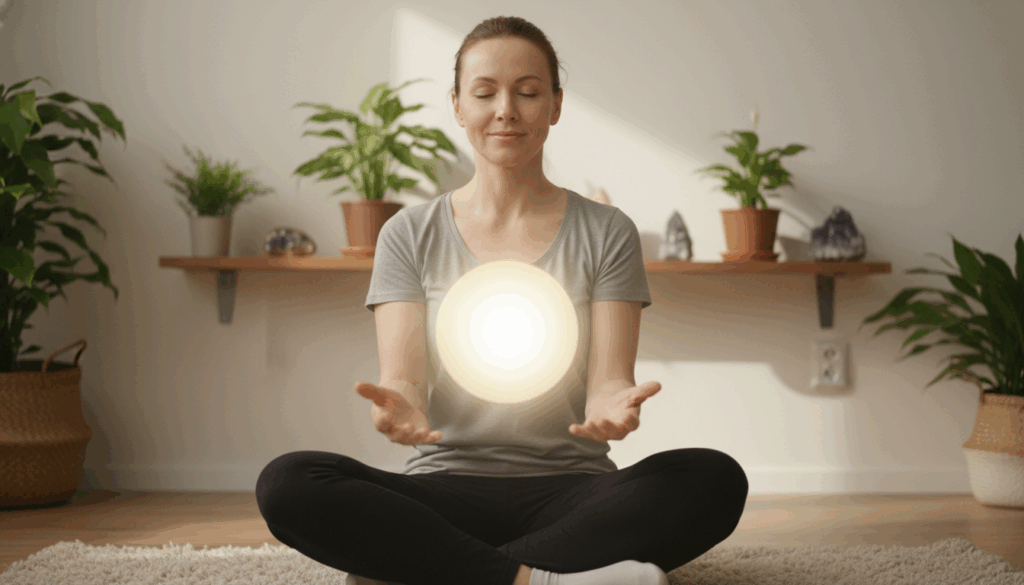
Visualize a warm glow in the center of your chest with a greenish-reddish light. See this as a source of loving, healing energy you can draw from during the practice.
Connect with the recipient without a location
Bring the person to mind. You do not need a place or photo—intention and attention form the connection in this distance healing method.
Direct energy through the palm
Raise an arm and picture the light flowing from your heart, down the arm, and out the palm toward the recipient’s heart or a specific body area that needs comfort.
Close gently and return grounded
Lower your arm, let the heart glow soften, and imagine your attention returning fully to your body. End calm and grounded.
Afterward reflection
Journal briefly: What did you sense? What feelings surfaced? How does your field feel now? Tracking notes helps the practice grow over time.
For a guided option and related services, consider exploring spell casting services as a contextual resource.
Sending healing energy with Reiki-style distance healing
Reiki-style distance work offers a clear, structured approach that many beginners find reassuring. Reiki is often described as the universal life force, taught through training and attunement by certified healers.

Why absent Reiki can cross space
“Everything is energy.”
Reiki Master Teacher Libby Barnett points out this simple idea as the reason absent sessions feel effective. Practitioners connect with a person’s energetic essence rather than a physical body.
Easy focusing options for beginners
- Use a photo or write the recipient’s name on paper.
- Hold a clear mental connection if no object is available.
- Speak a short intention to anchor the session.
Try this phrase: “May this person be filled with Reiki for the highest healing good.”
Session length and common results
Sessions are often brief—around 15 minutes—and recipients commonly report calm, relaxation, optimism, and feeling supported. Experiences vary with each person’s life context and sensitivity.
Remember: In Reiki tradition the recipient’s system draws in what it needs, so the sender keeps steady presence rather than forcing outcomes.
For related guidance and readings, see psychic intuitive readings and guidance.
Techniques, situations, and best practices for beginners
Simple methods can steady attention and build skill over weeks, not days. Start small and let regular short sessions shape your practice.
When visualization is hard: focus on feelings in the heart, a gentle warmth in the hands, or the inner “just knowing” that connects you to another person. Nicky Sutton notes these alternatives often open access when clear images won’t form.
Real-life moments
Common situations include supporting a friend under stress at work, holding a loved one through a hard life event, or offering calm across distance and time.
Staying steady and grounded
Notice if you begin mirroring others’ moods. Ground with slow breaths, feel your feet on the floor, or take a brief walk outside. Jeffrey Allen recommends these tools for clean boundaries.
Consistency over intensity
Use one clear intention, one recipient at a time, and a set length (5–15 minutes). Repetition matters more than dramatic sessions.
Track progress
- Journal sensations in your hands, shifts in your field, and any voluntary feedback from the recipient.
- Log short notes across weeks or years to notice subtle changes.
Evidence note: Some reviews associate remote work with relaxation and reduced pain in certain studies, but individual results vary. Treat this practice as supportive care, not a replacement for medical treatment.
For a related candle-based ritual that pairs well with short sessions, see a simple candle practice.
Conclusion
Conclusion: A clear intention, calm attention, and a repeatable routine form the heart of distance work.
Keep the focus on simple care: a short meditation that centers the heart and a plain phrase for the recipient often matters more than vivid images. Choose either the heart-centered path inspired by Nicky Sutton or the Reiki-style framework taught by Libby Barnett.
Pick one method, schedule a short session, close gently, and jot a few notes afterward. This steady process builds confidence and helps you notice subtle shifts in your body and life.
Remember: You do not need perfect visualization. Showing up with steady intention and love is the most meaningful part of the practice. For more guidance on sending healing, visit the linked resource.