

Welcome. This short guide lays out a clear, beginner-friendly routine you can use at home. It focuses on simple grounding, breathwork, a brief body scan, hand-based methods, and gentle aftercare.
Who is this for? Busy people facing daily stress who want calmer mind and body. This practice fits beside existing health care and self-care habits.
Expect a long-form, step-by-step manual ahead. Results are subtle: more relaxation, improved sleep, and growing awareness of personal patterns over time. This is about consistency, not instant fixes.
Safety first: treat this as a complementary tool. It is not a replacement for medical or mental health treatment. Keep an open but practical mind and notice how your body responds.
Key Takeaways
- Simple routine for at-home balance and daily wellness.
- Includes grounding, breathwork, body scan, hands-on methods, and aftercare.
- Best for stress relief and improved sleep over time.
- Supports existing health plans; not a substitute for medical care.
- Focus on felt experience and consistency rather than claims of instant change.
Understanding energy healing and energy work in today’s wellness world
Many people now use simple practices that invite balance and calm into daily life. In complementary integrative health settings, practitioners often call these approaches “energy work” when they mean hands-on or hands-near methods that aim to restore normal flow and balance.
What people mean by “energy work”
Energy work is a plain phrase for techniques that focus on body awareness, breath, and gentle touch. Agencies such as the NCCIH describe some therapies as channeling a life force through the hands to help restore balance.
Energy fields and the aura
Many describe an aura or surrounding field that can look or feel vibrant when you rest well and more distorted under stress. Keeping that field steady supports overall well-being and emotional resilience.
Different names, similar ideas
Across traditions, the same basic concept carries different labels: Ki, Chi, Prana. You can treat these terms as spiritual, metaphorical, or as body-based awareness and still benefit from breath work, hand placements, visualization, and focused attention.
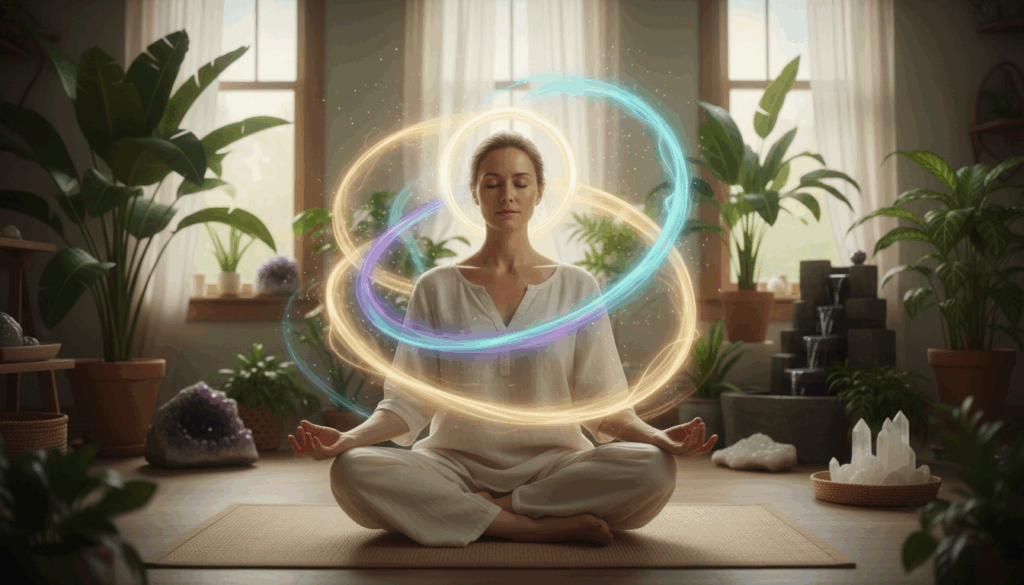
- Takeaway: Many modern wellness conversations link this work with stress regulation and a grounded mind.
- For more context on practice and tradition, see psychic healing.
Why energy healing at home can support mind-body health
A short, regular practice at home can shift the body from alert to relaxed. That shift helps the nervous system settle and gives the mind space to rest.
Common reasons people practice for stress, sleep, and emotional release
Most at-home motivations:
- Lowering stress after work
- Winding down for sleep
- Easing muscle tension
- Making space for emotional release
People often report calm, warmth in their hands, gentle tingling, or a sense of settling. These small signals are part of the overall experience and can cue further relaxation.
How relaxation supports the “rest and digest” response
Rest and digest means the parasympathetic system helps digestion, repair, and calm breathing. Regular practice can reduce stress reactions so you return to baseline faster after hard moments.
Stress often shows as tight shoulders, jaw tension, or a heavy chest. Noticing those physical emotional links helps you address both sides.
Practical note: benefits build with repetition. Track sleep, mood, and tension to notice real, gradual improvements over weeks.
Energy healing isn’t new: a quick look at roots and modern practice
Roots of these practices reach far back, yet they remain part of today’s wellness world.
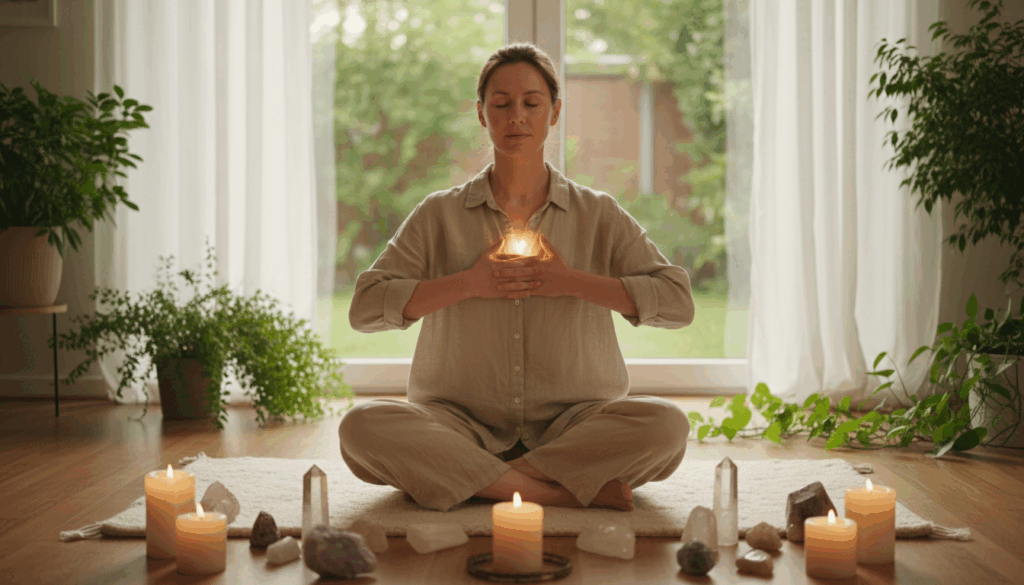
Meridians and pathways in traditional Chinese medicine
Traditional Chinese medicine maps twelve major meridians that function as pathways for vital movement through the body. These routes form the framework behind acupuncture and acupressure.
Practitioners use meridian maps to locate points that support balance in the nervous and circulatory systems.
Chakra origins and modern adaptation
Chakra concepts appear in ancient Hindu texts around 1500 BCE. Over centuries, these ideas evolved into approachable balancing methods used in home self-care.
Modern wellness blends breathwork, meditation, hands-on placements, and visualization, often in personalized combinations.
“Many traditions aim for a steady flow and a balanced field, not a single cure.”
- Short takeaway: This is a toolbox, not an all-or-nothing system.
- Goal in most traditions: feel calmer, clearer, and more connected with life and surroundings.
| Tradition | Core idea | Modern use |
|---|---|---|
| Traditional Chinese Medicine | Meridians as body pathways | Acupuncture, acupressure, movement practices |
| Hindu chakra system | Energy centers along the spine | Breathwork, visualization, gentle touch |
| Contemporary wellness | Blended tools for balance | Tailored daily routines for calm and clarity |
Benefits of energy healing you may notice over time
Small, steady practices often reveal subtle benefits that grow with time.
Short-term gains: After a single session many people feel calmer, lighter, and more relaxed. Sleep often comes more easily that night because the nervous system is quieter. Muscle tension can ease as breathing becomes fuller and movement feels less restricted.
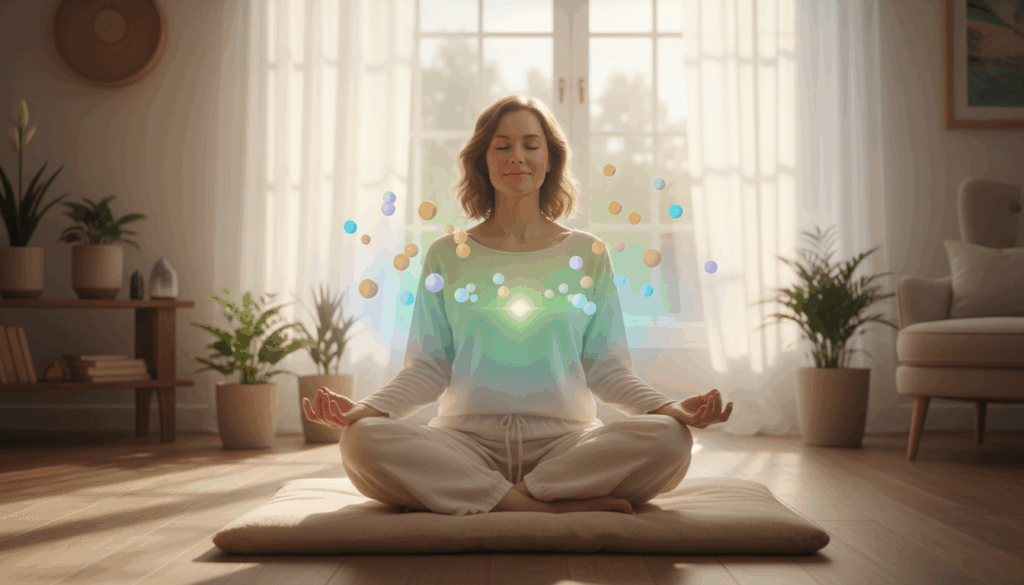
Relaxation, better sleep, and less tension
Within days, sleep can deepen and wake-ups decrease.
Reduced neck and shoulder tightness is common when stress drops and breath widens.
Mental clarity and personal discovery
With regular practice people report sharper focus and fewer repeating thoughts. Journaling before and after sessions helps track small shifts and uncovers patterns that drain life and attention.
Emotional balance, anxiety support, and growth
Feeling steadier and less reactive often follows weeks of consistency. Some notice a deeper sense of peace or renewed meaning in daily life, while others simply enjoy better overall wellness.
- Realistic timeline: one session = calm; a few weeks = clearer sleep and steadier moods.
- Measure it: keep a short log for sleep, stress, and pain rather than comparing yourself with others.
For practical techniques and simple exercises that support these outcomes, see psychic energy techniques.
Safety first: when to use energy healing as complementary support
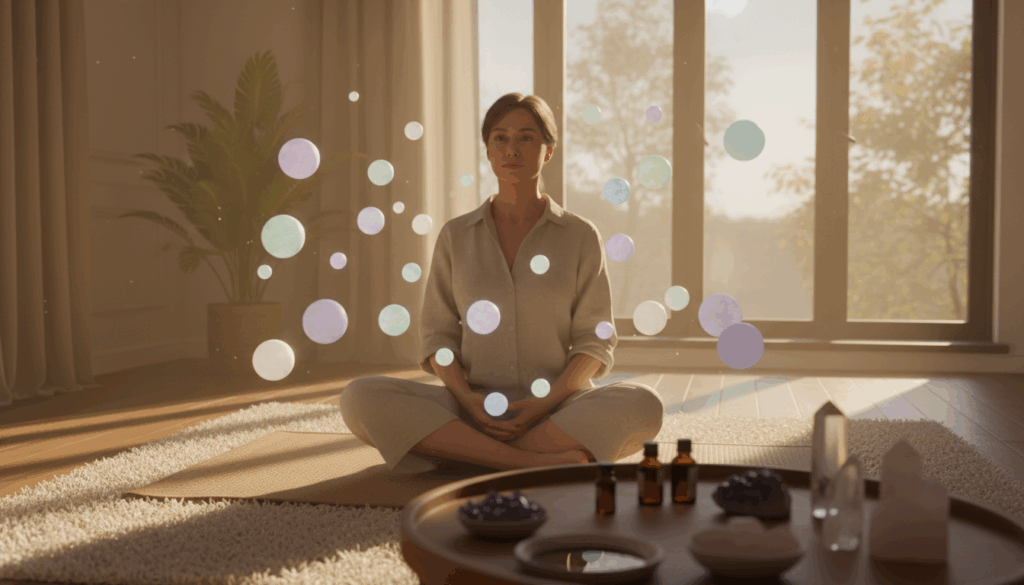
Before adding a new routine at home, check how it fits with any current medical treatments and care plans. This is complementary support, not a replacement for diagnosis, emergency care, or mental health treatment.
Pairing with medical treatments responsibly
Practical steps: keep your clinician informed, use brief sessions for relaxation during recovery, and avoid swapping prescribed therapies for alternative options. Small adjustments often work best. Consent and clear communication protect your health.
When to talk with your doctor or mental health team
Contact a clinician for severe anxiety, trauma responses, dissociation, major mood shifts, or new physical symptoms. If a session leaves you dizzy, overwhelmed, or emotionally flooded, stop and seek support.
Set expectations for chronic pain and trauma
Some people find reduced stress and better sleep from gentle practice. Results vary. View the process as one part of broader care for physical emotional needs. Safe consistency beats intensity.
“Use this work as supportive care—quiet, steady, and joined with professional advice.”
| Situation | Responsible use | Expected role |
|---|---|---|
| Post-surgery recovery | Short sessions for relaxation with doctor approval | Supportive relaxation |
| Chronic pain | Combine with pain plan; track changes | Coaching for coping |
| Severe anxiety or trauma | Clear discussion with mental health team first | Adjunct support, not primary treatment |
| Everyday stress | Short, regular practice that feels safe | Daily stress relief |
Creating a supportive environment for healing energy at home
Designing a calm spot at home makes it easier for your body to settle and your mind to quiet.
Choosing a calm space that helps your body feel safe
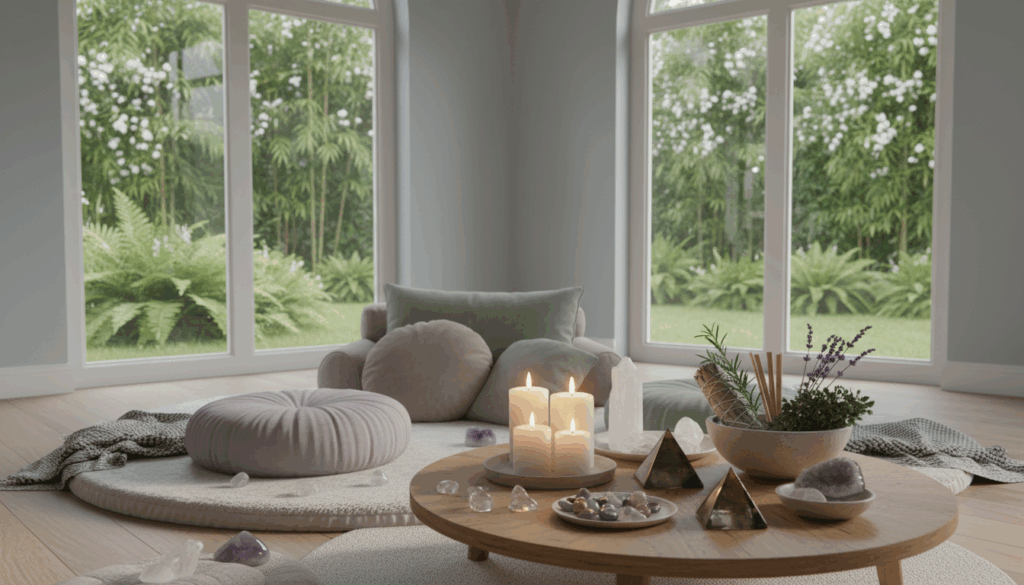
Pick a quiet corner, a yoga mat area, or a supportive chair where interruptions are rare. A bedroom nook or a living room corner with a soft rug can signal safety to the body.
Comfort setup: clothing, blankets, hydration, and gentle lighting
Comfort checklist: loose clothing, a light blanket, a pillow under the knees, water nearby, and low, warm lighting. These simple things reduce stress and help rest become possible.
Reducing distractions to protect focus and flow
Silence notifications, set a timer, and let housemates know you are unavailable. Use soft background sound if helpful and tidy visible clutter before starting.
Why the environment matters: Small adjustments in temperature, noise, and clutter change your nervous system response. Removing friction helps sessions keep their flow and improves your overall experience.
| Setup item | Why it helps | Quick tip |
|---|---|---|
| Quiet spot | Signals safety for the body | Choose a corner with a chair or mat |
| Comfort items | Reduce physical distraction | Blanket, pillow, loose clothes |
| Hydration | Supports recovery after a session | Keep a water bottle nearby |
| Distraction reduction | Keeps focus and flow | Mute phone, use a timer, inform others |
Final note: Treat this setup like a short ritual. A repeatable space makes practice easier on busy days and deepens your sense of rest.
Grounding and intention: the foundation of the energy healing process
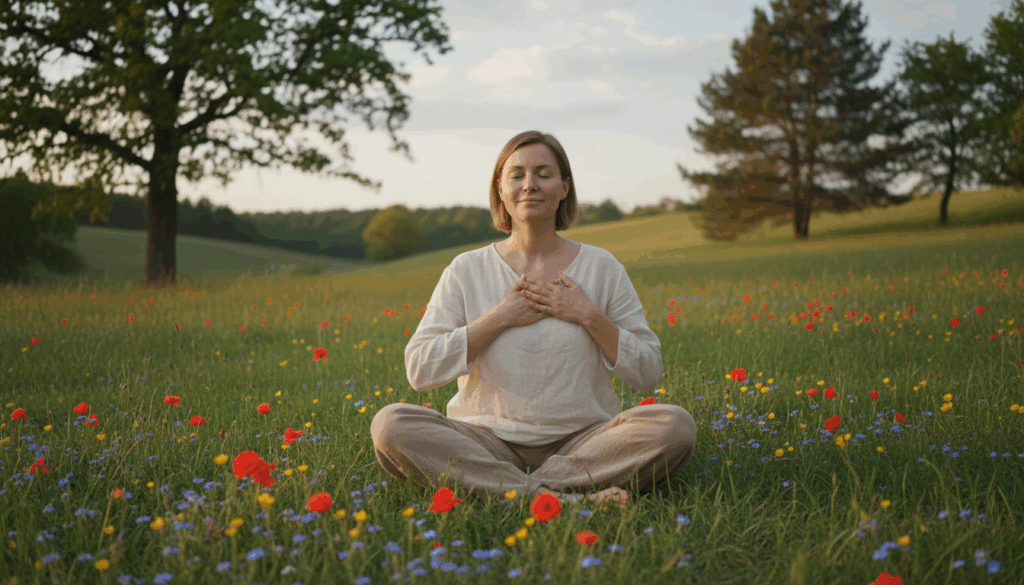
A small ritual of feet-on-floor grounding and a calm exhale sets a steady tone for practice. Begin by sitting or standing with both feet flat and notice contact points.
Simple intention-setting that can restore balance
Use a short phrase as an intention. Try: “I’m open to relaxation.” or “I release what I don’t need.”
Intentions guide focus without forcing outcomes. They act as a gentle lighthouse, not a command.
Body awareness as your feedback tool
Listen with curiosity. Notice warmth, tingling, tightness, pulsing, or ease in the body. These signals help you read shifts in body energy.
If nothing appears, that is useful information. A neutral sense often means the system is settling.
“Grounding steadies attention and supports a smoother internal rhythm.”
- Feet contact, soft exhale, bring attention inward.
- Set one short intention that feels honest.
- Use sensation as feedback rather than proof.
In short: steady grounding and clear intention create a calm base. This allows flow energy and gentle healing over time.
Breathwork to regulate stress and restore flow energy
Breath offers a simple, immediate route into calmer body responses and clearer thinking.
Gentle rhythmic breathing that downshifts the nervous system
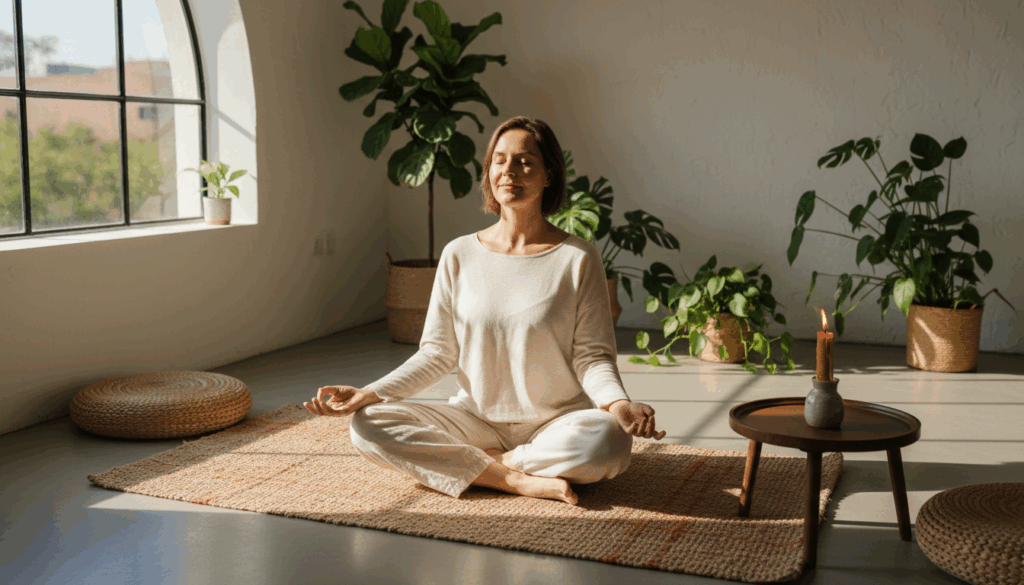
Why it works: extending the exhale signals safety to the nervous system and encourages the parasympathetic rest response. This reduces stress and invites a steady sense of calm.
Using breath as a mirror for emotional patterns
Notice if breath grows shallow during worry or short when tension rises. That pattern points to areas that hold stress.
Send gentle breath toward tight places—jaw, throat, chest, or belly—and let those spots soften without forcing release.
Short daily routine for steady flow energy
Simple technique: try a 4-second inhale and a 6-second exhale. If lightheaded, shorten counts and return to normal breathing.
Start with 2 minutes and work up to 5. Consistent short practice helps reduce stress, support sleep readiness, and clear the mind.
| Goal | Technique | Duration | Result |
|---|---|---|---|
| Downshift nervous system | 4s in / 6s out | 2–5 minutes | Lowered stress, calmer breath |
| Release tension | Send breath to tense area | 1–3 minutes per area | Reduced muscle tightness |
| Notice emotional patterns | Observe breath quality | Daily check-in | Clearer awareness of patterns |
“Short, steady breathing practices shift the body and mind toward balance.”
Tip: pair this with other simple practices for broader wellness and deeper, lasting flow energy.
How to do energy healing at home step by step
Begin with a clear sequence you can finish in a single short session. Aim for 10–20 minutes and set a gentle timer (12–15 minutes is a good start).
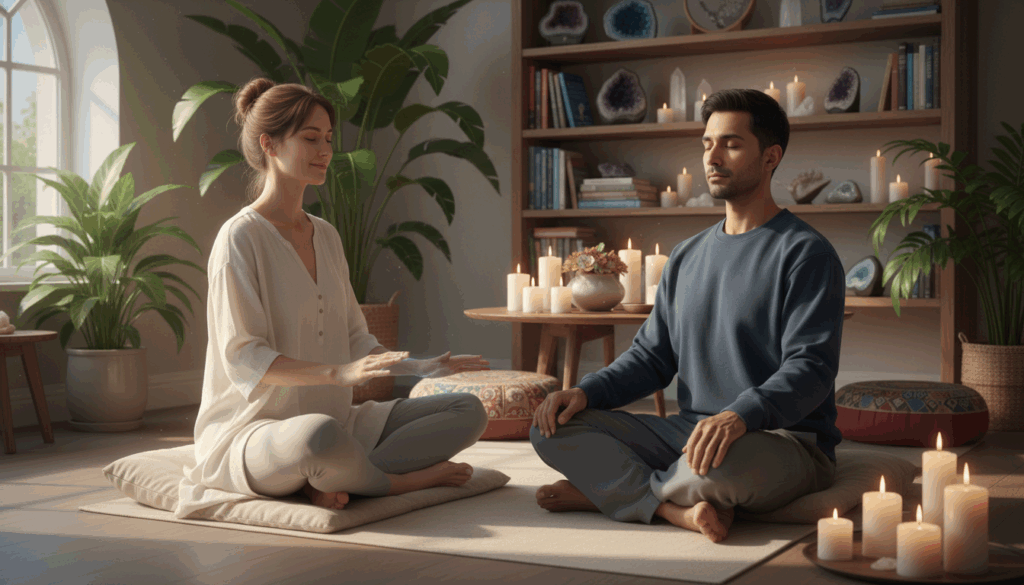
Centering: posture, breath, and focus
Pick lying down or seated. Keep the spine supported and limbs relaxed.
Breathe slowly: 4 counts in, 6 counts out if that feels right. Use one focus phrase like “I am present and calm”.
Scan your body energy and field
Spend a minute checking the head, neck, chest, belly, hips, legs, and feet. Notice heaviness, buzzing, numb spots, or a sense that something is “off.”
Then sense the field a few inches beyond the skin. Look for tight spots or places that feel sparse.
Hands methods: touch or hovering
Choose light touch on the body or hover hands a few inches above. Both are safe and effective.
Keep wrists soft and let your palms rest without pressure. Breathe steadily and let your hands “listen” rather than force a result.
Move through key areas
- Head and forehead — 30–60 seconds; notice warmth or tingling.
- Throat and jaw — 30–45 seconds; watch for softening.
- Heart and chest — 60 seconds; note breath depth and ease.
- Abdomen and hips — 45–60 seconds; feel for release or tightness.
- Knees and lower legs — 30–45 seconds; sense grounding.
- Feet — 30 seconds; imagine roots down into the ground.
Pause if sensations intensify; that is a cue to breathe and wait.
Close the session
Visualize your field becoming vibrant and whole. Picture a soft light filling any hollow or tight area.
Finish slowly: wiggle fingers and toes, open your eyes, and sip water. Note one change in your body or mood in a short sentence.
“A steady, simple process helps the body rest, learn, and return to balance.”
Self-Reiki inspired hand positions for beginners
Self-guided touch offers a quiet, respectful way to invite balance into the body. Reiki began in Japan with Mikao Usui; Rei means universal and Ki means life. Practitioners act as a conduit for life force rather than using personal force.
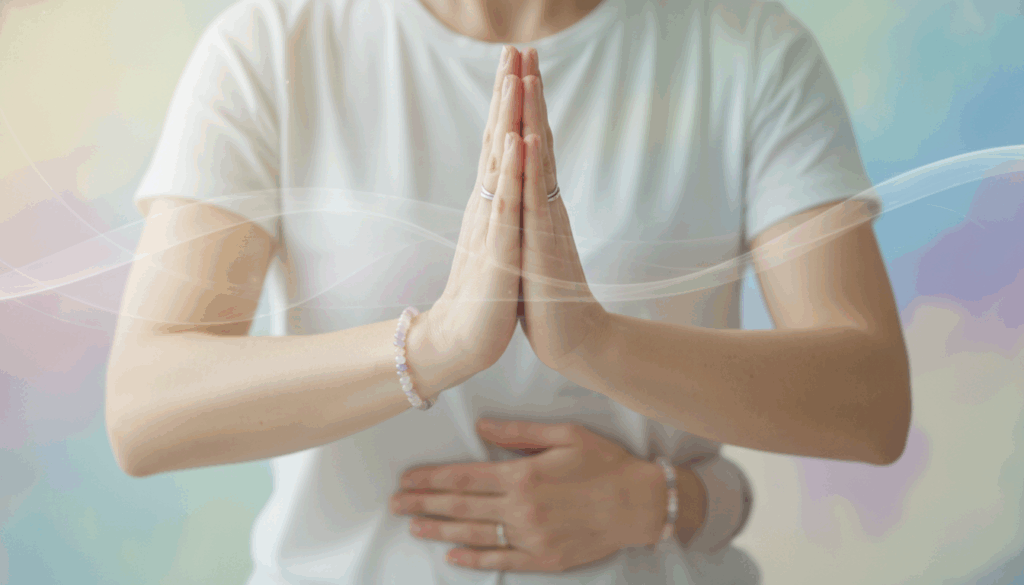
Beginner-friendly idea: place hands lightly on or just above the skin and let the palms listen. Aim for 2–3 minutes at each spot and breathe slowly. Notice warmth, settling, or a softening of breath.
Simple placements that support stress and relaxation
- Head / temples: rest palms gently for calm thoughts.
- Throat: hands near the neck for clearer breath and voice ease.
- Heart: one or both hands over the sternum for centered settling.
- Solar plexus / belly: hands here ease tension and support grounding.
For emotional physical support, try one hand on the heart and one on the belly when anxiety rises. This placement helps the body and feelings meet in a gentle way.
Accessibility tips: sit if standing is hard. Hover palms an inch above the skin when touch is uncomfortable. Short sessions work well and keep the practice respectful of medical care.
“Use these positions as calm supports for overall well-being, not as a medical substitute.”
Chakra balancing at home without overcomplicating it
Chakra work can be a simple, practical map for noticing where life feels stuck or fuzzy.
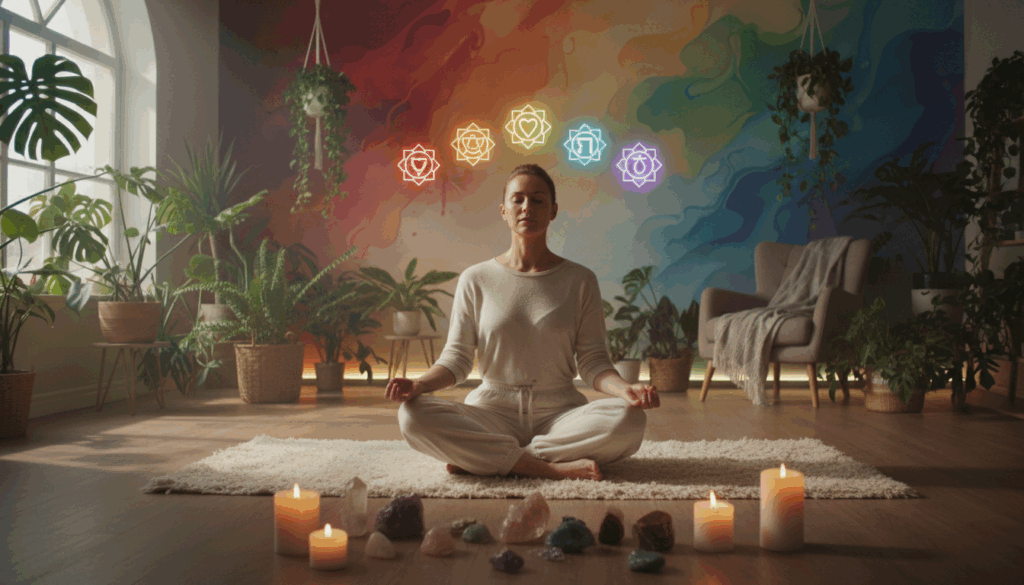
Think of chakras as markers along the body that link mood, focus, and physical signals. These ideas trace back to ancient Hindu texts and evolved into modern, approachable methods you can use briefly each day.
Signs you can sense in mood, focus, and body
Look for simple signals: feeling stuck or unfocused, a tight throat when speaking, a heavy chest with grief, or a restless belly during stress.
Noticing one clear area gives a practical starting point rather than overworking the whole system.
Simple balancing techniques you can try
Attention: rest one minute on the area and watch for warmth or ease.
Breath: slow inhales and longer exhales toward that spot.
Color visualization: imagine a soft color filling the center for a few breaths.
Sound: gentle humming or a low tone can bring vibration and presence.
| Sign | Simple technique | Quick result |
|---|---|---|
| Stuck focus | One-minute attention with breath | Clearer focus |
| Tight throat | Slow exhale + soft humming | More ease speaking |
| Heavy chest | Color visualization + hand on sternum | Soothing relief |
Practical tip: pick one center that matters and practice three minutes daily. Over time, this small tool can help restore balance in your field and increase gentle awareness of shifts.
Movement and meditation to expand your energy field
Gentle motion and quiet focus expand how your internal field meets the world.
Movement helps circulation and can free a blocked “stream.” Try slow neck rolls, simple stretches, or a five-minute walk. These small acts encourage the body to process stress and restore natural flow.

Gentle movement for circulation and release
Move with attention. Pause between steps and notice sensations. This practice brings awareness back into the body without strain.
Meditation, rest, and solitude for resilience
Short sits of two to ten minutes focused on breath and body sensation build calm and inner peace. Rest and solitude are valid practices when life feels overstimulated.
Community, connection, and kindness
Shared moments and small acts of service broaden the field outward. Friendship, simple help, and kind words often boost mood and resilience more than solo routines alone.
| Action | What it supports | Quick tip |
|---|---|---|
| Slow walk | Circulation and flow | Notice feet and breath for five minutes |
| Brief meditation | Calm and resilience | 2–10 minutes, focus on breath |
| Community acts | Broaden the field | Offer small help or join a group |
Practical note: Think of this as a holistic approach. Your field is shaped by habits, relationships, and environment, not a single session. For related methods, see energy manipulation.
Optional tools: crystals, sound, and other supportive practices
Small supports—like a single stone or a gentle tone—can help focus and calm during a short session.
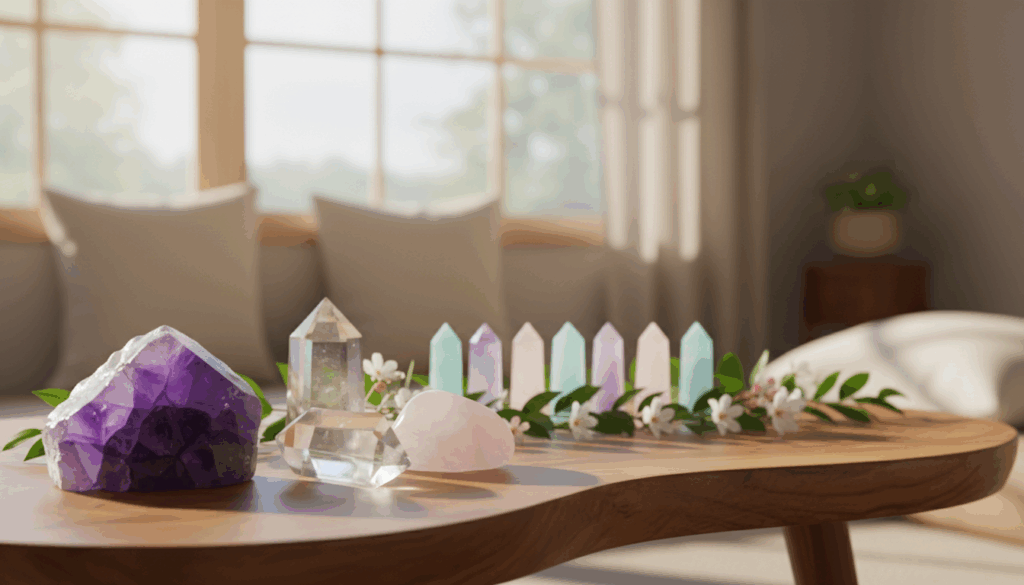
Tools are optional. You do not need anything extra to get benefits. Many beginners find a single, familiar object helps attention without distracting the body.
Crystals: some practitioners use rocks as a tool to amplify intention and guide attention. Keep claims modest: view a stone as an anchor for your breath or hand placements rather than a cure. Pick one you like and place it nearby during practice.
- Choose one stone that feels pleasant and keep it within sight.
- Use it as a focal point during breathwork or hand positions.
- Try brief sits with the stone, then pause and note any change in experience.
Sound options: singing bowls, gentle music, or humming can support flow and calm. Soft tones help steady breath and shift attention without forcing sensation. Use low volume and simple sounds that feel comfortable.
Experiment slowly: add one thing at a time and track what actually changes your session. Consistency and comfort matter far more than buying many items. For related resources on simple ritual items, see spell ingredients.
What you might feel during energy healing and how to interpret it
You may notice simple bodily signals during a session; these clues help you read change.
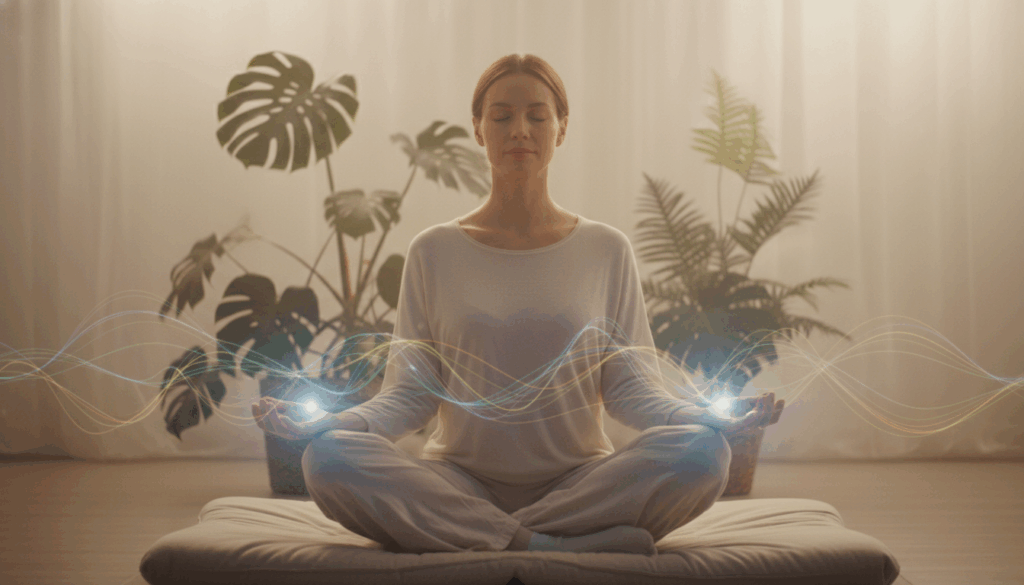
Common sensations and plain meanings
Warmth, tingling, pulsing, or a sudden calm are common. Light cold or brief buzzing can show increased body awareness.
Hands-near work often magnifies these signals and offers quick feedback about tension or ease.
Safety cues and simple responses
Lightheadedness is a cue to slow breathing, sit up, and sip water. If anything feels intense, shorten the session and place feet flat on the floor to ground.
Emotional release and interpretation
Crying or laughing can happen when stress eases and the nervous system finds space. This is a normal physical emotional reaction, not a requirement.
“If sensations soothe you, stay; if they overwhelm, back off and rest.”
| Sensation | Likely meaning | Simple action |
|---|---|---|
| Warmth or tingling | Increased circulation or attention | Breathe and observe |
| Lightheadedness | Breath pace or low blood sugar | Sit up and hydrate |
| Calm, quiet mind | Lowered stress and better regulation | Note the change; end gently |
Aftercare: lock in the benefits and track your healing experience
After a session, gentle care helps the body keep its calm and the mind register what shifted. A short cooldown lets small changes become meaningful and reduces sudden returns to stress.
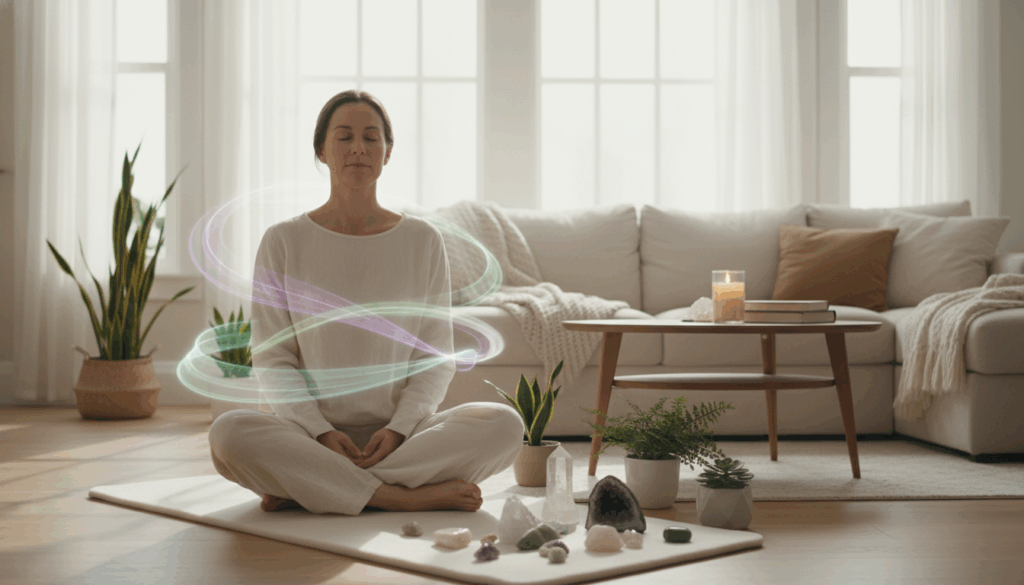
Post-session hydration, journaling, and gentle recovery time
Simple routine: drink water, eat something light if hungry, and take 5–10 minutes of quiet before jumping back into tasks. This pause supports restoring energy and prevents overwhelm if emotions surfaced.
Journaling prompts: What I noticed in my body? What changed in my breath? What mood showed up? One-sentence answers work best for tracking benefits without overthinking.
Noticing patterns: sleep, stress levels, pain, and emotional shifts
Record sleep quality, daily stress, pain points, and mood for a week. Look for patterns rather than single events. Small shifts add up and reveal which parts of the process help most.
Building consistency with short sessions that fit real life
Try five-minute sessions on busy weekdays and longer sessions on weekends. Keep a “minimum viable” version for rushed days so practice stays realistic. Over weeks, these small inputs support steadier health and overall well-being.
“Small, regular aftercare turns single sessions into lasting benefits.”
For a related short practice that helps integrate attention and calm, see clairvoyant meditation.
Conclusion
Endings matter: a short, steady ritual helps small gains become lasting habits.
Set a calm space, ground your feet, breathe with attention, scan the body, use hands gently, and close with a brief visualization. These simple steps support balance, flow, and daily wellness.
Keep it practical. Pick one or two healing practices that fit your life and repeat them weekly. Small, steady input helps people notice real shifts over time.
Use this as supportive self-care and speak with a clinician if symptoms persist. Readers who want a guided outline can learn to perform energy healing safely and simply.
Focus and consistency matter more than perfection. Small shifts in body and mind add up and invite a steadier field for living well.