

Energy art can change how a room feels and how you relate to your home. This idea grew more visible after the Centre for Energy Ethics opened at the University of St Andrews in February 2021.
By adding this type of work to your living environment, you invite a visual dialogue that mirrors the forces shaping the modern world. The blend of scientific innovation and creative expression gives pieces a fresh, thoughtful edge.
When displayed thoughtfully, these works do more than decorate. They spark curiosity and offer new ways to see everyday space. For guidance on related mindful practices, consider exploring energy healing techniques that pair well with mindful displays.
Key Takeaways
- Energy art reshapes a room and invites reflection.
- The Centre for Energy Ethics highlighted public interest in 2021.
- Works link scientific themes with creative expression.
- Displaying pieces encourages active engagement with your space.
- Simple placement and mindfulness boost impact.
Understanding the Essence of Energy Art
A single canvas can act like a translator, turning scientific ideas into a visible, emotional language. This translation is the core of the movement: an artist uses form, light, and color to make complex forces accessible to the public.
Defining the visual language means tracing how makers render abstract systems into gesture, shape, and sound. Many works tied to the Centre for Energy Ethics mix visual form with musical ekphrasis. The Centre, founded by Dr. Mette High at the University of St Andrews, drew 152 submissions from composers in 2021, showing global interest in cross-disciplinary practice.
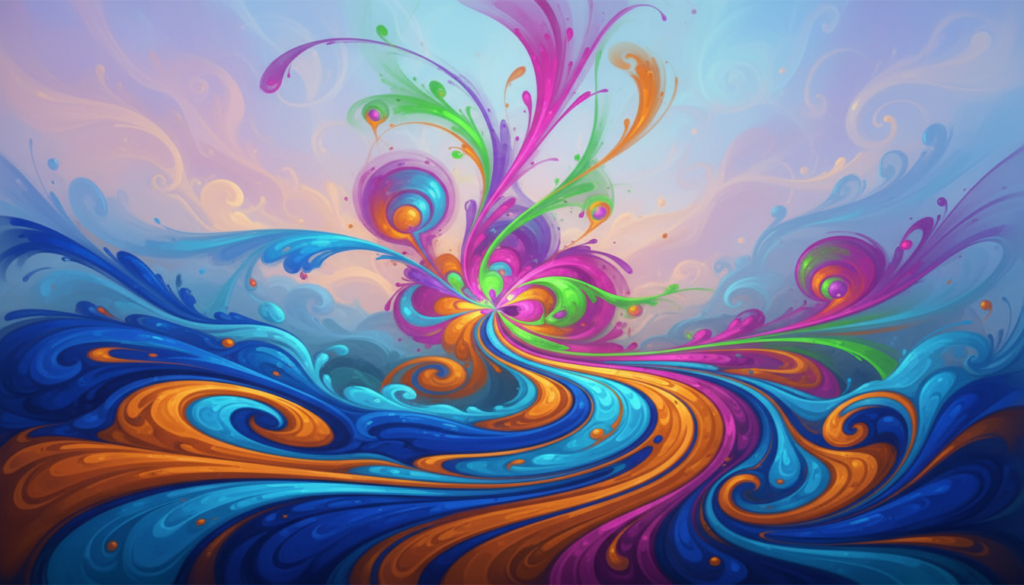
“Artists often use shadow and brightness to suggest motion and relation, not just decoration.”
The link between color and emotion matters most in paintings that aim to capture heat, brightness, or vibration. A single painting can create a deep connection to place by balancing light and shadow.
For practical ways to pair mindful display with creative practice, explore related techniques like energy manipulation that complement contemplative viewing.
The Evolution of the Energy Art Movement
In May 2008 a group of creators declared a new direction focused on visual dynamism and higher craft. They named a movement that built on decades of painters pushing the limits of form and feeling.
Impressionists like Monet chased light. Futurists such as Boccioni captured speed. Van Gogh used bold strokes to show raw life.
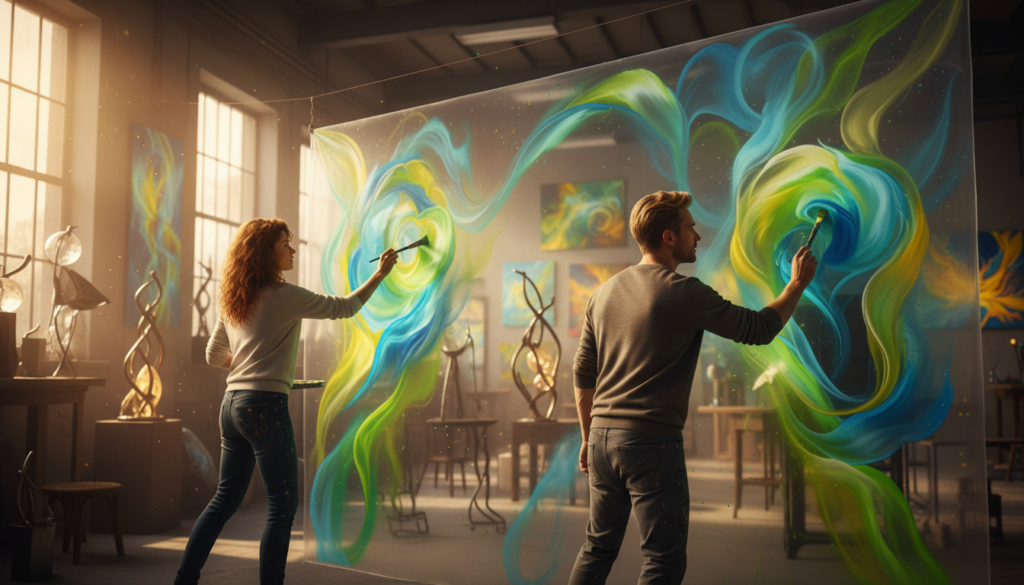
The new movement argued that these threads naturally evolved into work that vibrates with presence. It asked makers to go beyond local scenes and render the wider pulse of our changing world.
“Artists invite viewers to sense motion and mood, not just view surface detail.”
- The movement started in May 2008 to raise standards of expression.
- It links past experiments in light and speed to contemporary form.
- It urges paintings that feel alive and responsive to modern life.
| Period | Focus | Legacy |
|---|---|---|
| Impressionism | Light and color | Visual perception |
| Futurism | Motion and speed | Dynamic composition |
| Energy Art Movement (2008) | Visual dynamism and form | Contemporary paintings with pulse |
For practical links on mindful practice and healing that complement viewing, see a short guide to how this approach works and an overview of psychic healing techniques.
Transforming Your Environment with Energy Art
A well-curated piece can change how you move through a room and how you feel when you return home.
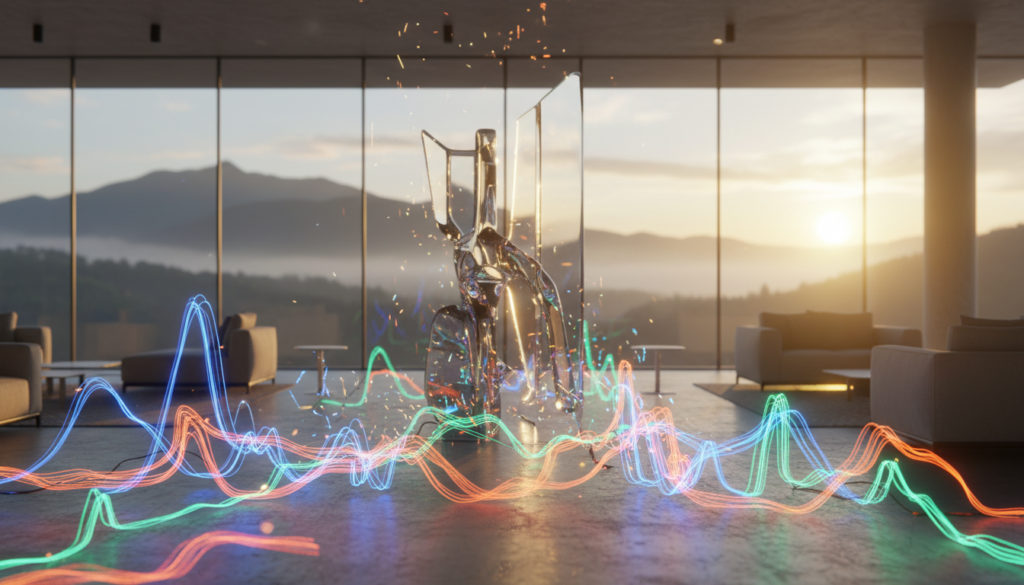
Curating with purpose means matching scale, color, and form to your daily life.
Choose paintings that balance light and shadow. Pick works that reflect values you want in your space.
Curating Pieces for Your Personal Space
Consider collaboration. At the Fringe of Gold concert in November 2021, the Centre for Energy Ethics premiered four musical pieces inspired by this movement. Each winning composer received a £500 commission.
- Use color and form to foster a deeper connection to your room.
- Think how a painting shifts the feeling of your living world.
- Support artists who center the transition to greener practices.
“Every painting you choose acts as a form of expression.”
| Consideration | Effect | Action |
|---|---|---|
| Scale | Makes a focal point | Measure wall before buying |
| Color | Sets mood | Sample swatches in room light |
| Artist intent | Deepens connection | Read artist statements |
For guided choices and readings that pair with mindful display, see psychic intuitive readings and guidance.
Conclusion: Embracing the Dynamic Power of Art
When makers focus on movement and form, viewers gain new ways to ask practical questions about shared resources. Artists help communities imagine fairer choices and guide public conversation.
Simple displays and daily rituals let creative work shape how we live. Bringing these pieces into homes and civic spaces connects personal life to wider social goals. For hands-on pairing with mindful practice, see a short guide to learn energy healing.
By embracing this dynamic practice we can better map the forces that move our world. Thoughtful use of energy and evocative art gives us clearer tools to meet big questions ahead.