
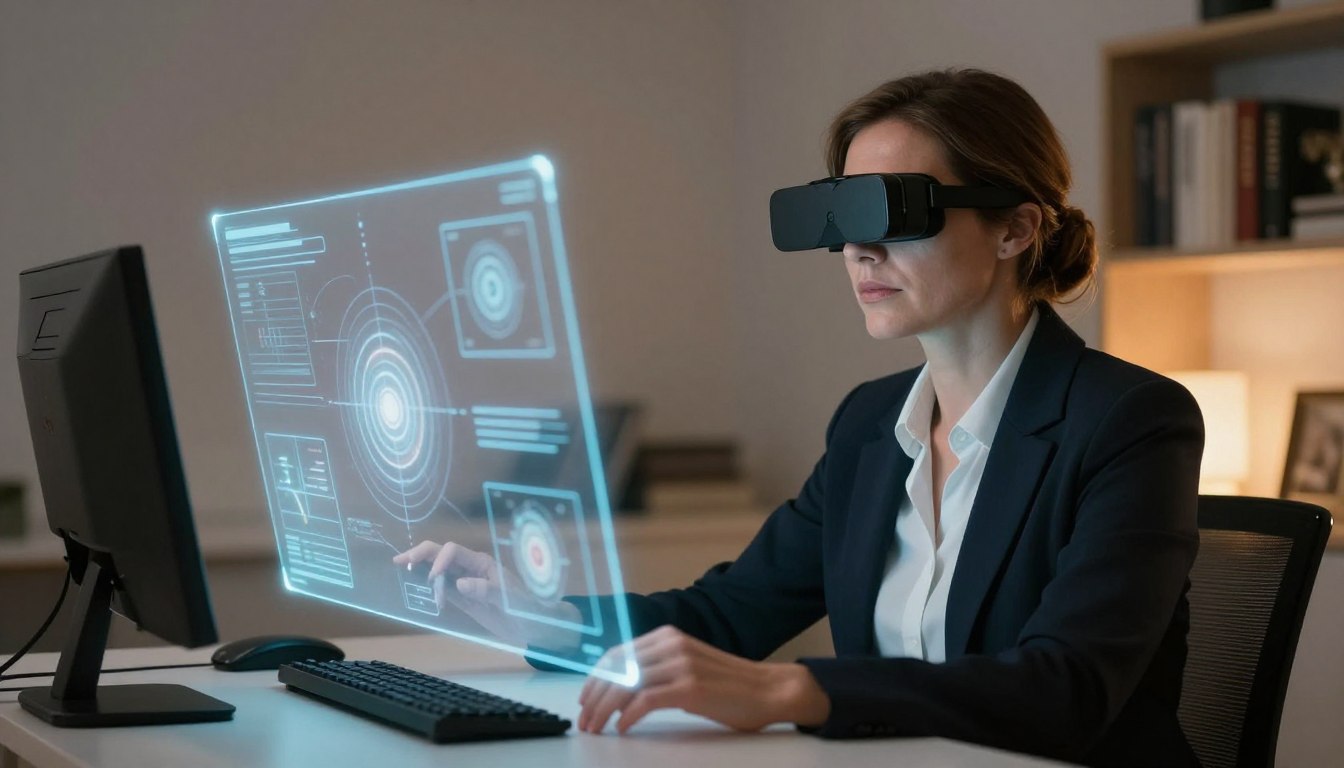
Remote viewing research started with strict rules. Joe McMoneagle served as viewer #001 at the Fort Meade unit and set the standard for blind protocols. His work made clear that a practitioner must be blind to the target to preserve non-local awareness.
That discipline aimed to protect data integrity. Debates arose when pre-session detail slipped into experiments. Many argued that preloaded info introduced bias and altered impressions.
A thoughtful approach balances scientific care with practical needs. New viewers must weigh whether prior information skews their process. The core goal remained simple: keep the subject blind so any information comes from the session itself.
Key Takeaways
- Joe McMoneagle established blind protocols that shaped early research.
- Blind practice aimed to protect the purity of impressions and data.
- Pre-session information often sparked bias and heated debate.
- New remote viewers should prioritize methods that preserve scientific integrity.
- Decide if gathered information is independent or compromised before use.
- Learn more about psychic skills and related methods at psychic superpowers.
Understanding the Concept of Frontloading
Giving a person target details ahead of time undermines the blind task. Frontloading is defined as supplying a remote viewer with information about a target before the session begins. That pre-session input changes the source of impressions and risks mixing ordinary knowledge with extrasensory data.

Joe McMoneagle noted that television programs and some individuals often use pictures or cues to nudge outcomes. A common example is using a camera or television clip as a prompt. When that happens, the activity shifts from a pure clairvoyance task into a guided exercise.
The process of viewing is meant as a blind task that focuses on objects and aspects of the target without prior knowledge. Providing a part of the target can create answer views that reflect expectation rather than accuracy.
“Details matter, but they must come from the session, not from outside cues.”
For background on clairvoyant ability and training, see clairvoyant abilities meaning. Practitioners who avoid pre-session cues report clearer answers and cleaner data.
Why Experts Advise Against Frontloading
Experts warn that feeding pre-session details skews results and blurs the source of impressions. When a viewer already knows parts of a target, it becomes hard to tell whether answers come from the mind or the task itself.

The Impact of Bias on Data
Joe McMoneagle called this practice a kind of cheating because it masks valid information with expectation. Jimmy Williams argued that clues short-circuit the early flow of pure associative data.
That bias makes data unreliable. People who learn details ahead of time often supply impressions shaped by memory or guesswork. This reduces accuracy and harms the whole process.
The Risk of Imaginary Impressions
When a person hears a hint, the mind fills gaps. Viewers may see nothing but their own preconceptions and produce answers that reflect guessing rather than clairvoyance.
- Frontloading raises false impressions and odd artifacts in reports.
- Using a camera or television as a cue often contaminates the subject’s output.
- Keeping the viewer blind preserves the source and improves accuracy.
For related examples and predictions, see clairvoyant predictions.
How to Handle Frontloaded Targets in Remote Viewing
Set clear expectations before the session. Tell the viewer what the task asks for and what should remain unknown. This reduces confusion and keeps the process honest.

Managing Expectations During the Session
Keep focus on the task, not on prior details. If a person already knows some facts, the viewer must treat the session as fresh. That helps impressions come from the source rather than memory.
- Stay task-oriented: concentrate on aspects and objects, not guesses.
- Filter noise: viewers may spend a long time sorting out pre-session thoughts.
- Use partial cues sparingly: Lyn Buchanan noted that knowing just the activity can sharpen data in some cases.
- When urgent exceptions arise, like a missing person, a photo may be given—Joe McMoneagle accepted this as sometimes necessary.
Practical steps include asking the person who tasks you not to reveal extra details over the phone. Practice blind exercises each day to keep clairvoyance skills sharp. The goal is clear answers based on the target, not on what was already known.
| Challenge | Action | Outcome |
|---|---|---|
| Pre-session cues | Note them, then refocus on present impressions | Cleaner data and better accuracy |
| Urgent cases | Allow controlled exceptions (photo or activity cue) | Faster tasking with traceable source |
| Phone instructions | Limit detail and confirm blind task rules | Reduced bias and clearer answer views |
The Role of Analytical Overlays in Session Noise
Analytical overlays can drown a session if not spotted and released early. The CRV manual calls these AOLs unwanted noise that must be declared and purged. Doing so lets the signal line be decoded and preserves usable data.

Frontloading often triggers an avalanche of overlays that overwhelms even an experienced viewer. Joe McMoneagle observed that this noise sometimes exceeds what any person can manage during a session.
“By declaring an AOL, you tell your system that the information is not what you want, which helps you return to the true signal line.”
Declare and purge are practical steps. Saying an overlay out loud or marking it in your notes clears that item from the process. The small amount of time spent managing overlays saves far more time later by keeping impressions clean.
- Analytical overlays are a major source of noise and grow when a viewer is primed with details.
- Your mind will try to interpret stray cues and may create false impressions.
- Learning to spot overlays helps remote viewing stay accurate and reliable.
Even skilled remote viewers must clear preconceptions before a session. Discipline and short purge routines help maintain a pure signal and better results.
Balancing Partial Information with Scientific Integrity
When some information is unavoidable, clear rules and documentation preserve scientific value.
Decide necessity before sharing any detail. The Hawaii Remote Viewers’ Guild experiment on February 12, 2001, showed that viewers who were given full disclosure reported data that felt “counterfeit” and “too easy.” That example warns people that prior knowledge often contaminates answers.

When Partial Disclosure Is Necessary
There are rare times when partial disclosure helps, such as critical rescue work. In those cases, use strict limits and record every bit of information shared. This creates an audit trail for later analysis.
Maintaining the Blind Protocol
Preserve the blind task whenever possible. Remote viewers should practice daily to keep their ability sharp without relying on prior cues. If a viewer already knows aspects of a target, note that fact and treat answers as provisional.
“If you value accuracy, avoid partial disclosure whenever possible.”
- Train for blind sessions to protect data and impressions.
- Allow exceptions only with documented justification.
- Compare results from blind and disclosed sessions to measure bias.
| Situation | Protocol | Expected Outcome |
|---|---|---|
| Full disclosure (emergency) | Limit details, document source, log time | Useful rapid answers with traceable source |
| Partial cue given | Declare known details before session starts | Cleaner data classification; reduced confusion |
| Standard task | Keep viewer blind; practice daily | Higher accuracy and purer impressions |
For more on assessing clairvoyance and examining when knowledge affects results, see clairvoyant abilities: real or fake.
Conclusion
Keeping the session blind preserves the source of data. Remote viewing depends on a viewer staying unaware of the target so impressions come from the task, not memory.
The best viewing practice limits prior details and watches for overlays. That discipline improves accuracy and helps a viewer deliver a clear answer.
When urgent work forces exceptions, document every piece of information and mark its origin. This keeps data useful over time and lets others audit the viewing take.
Follow established standards and stay vigilant. Doing so protects your process and keeps results credible. For related resources, see best online tarot readings.