

Energy healing is the gentle use of nonphysical forces aimed at supporting health and wellness. In plain words, it is a self-care approach that can sit alongside medical care rather than replace it. Many traditions include simple at-home methods like meditation, hands-on touch, grounding, movement, sound, and crystals.
This guide shows a short at-home session and several easy techniques you can try today. The goal is practical steps that busy people can add in minutes, then grow into a steady practice that fits real life.
People often explore these methods when they want calm, steadiness, or more resilience during stress. Many traditions link subtle forces with nature, and practices like grounding aim at feeling nourished and fed energetically.
Common results can feel like relaxation, warmth or tingling, emotional release, or a clearer mood. These are personal experiences, not promises. Learn with curiosity and gentle repetition, and consider clinical care alongside this supportive approach.
Key Takeaways
- Define energy healing as a supportive self-care method.
- Try a short at-home session and small daily steps.
- People seek calm, steadiness, and resilience.
- Grounding and nature-based practices often feel nourishing.
- Results can include warmth, release, and clearer mood.
- Build a gentle, curiosity-led practice that fits life.
- Learn more resources at how to do energy healing on.
Set Yourself Up for Energy Healing: Safety, Space, and Intention
A strong, simple foundation of safety and intention makes personal sessions more steady and supportive.
Respect medical guidance. Use this practice as a complement to formal medicine and seek prompt treatment if symptoms are severe, worsening, or urgent. When diagnosis or urgent care is needed, prioritize clinical therapy and treatment without delay.
Create a calm physical space that signals safety. Choose a quiet room, a comfortable chair or bed, dim lighting, and a blanket if that helps you settle. Small comforts raise your sense of being cared for and help body and mind relax.
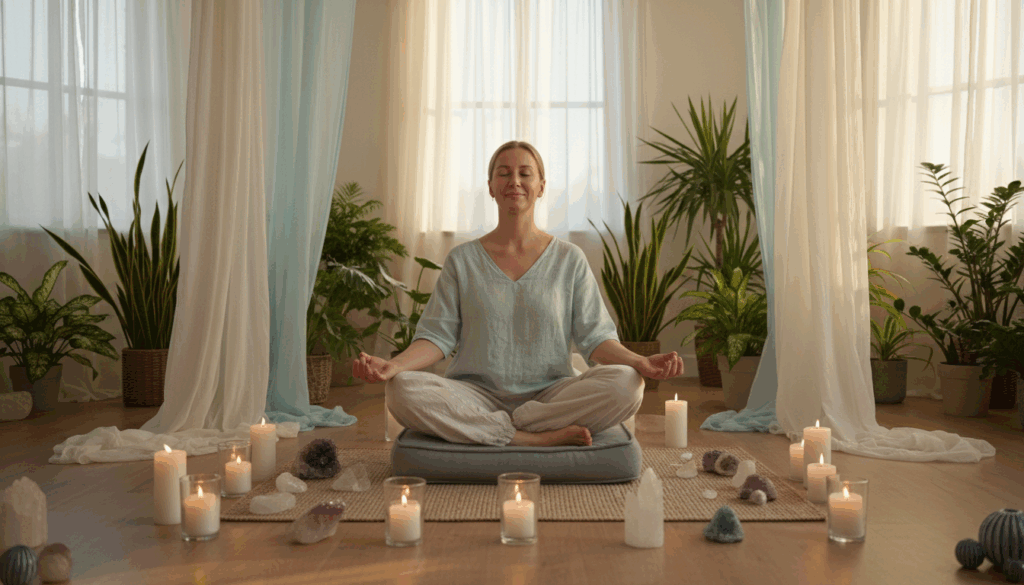
Set intention and open the heart
Pick a gentle, clear intention such as “I invite the highest healing for my greatest good.” Rituals can focus intent but are not required for a healer’s ability to help.
“Even though I’m struggling with ____, I completely love and accept myself.”
Place a hand on the heart, remember the warmth of caring for a newborn or pet, and direct that same love toward yourself. If you need support, reach out to people who care — connection often raises the energy available for recovery.
- Use whole-person thinking: body, mind, and emotions influence recovery.
- Combine supportive practices with suitable therapy or medicine as needed.
- Hold curiosity about purpose or lessons without forcing meaning on illness.
For a short practical guide that fits this setup, see our self-care session guide.
How to do energy healing on yourself with a simple at-home session
Start by settling into a quiet seat and planting your feet. Ground into earth support by picturing steady energy rising from the ground into your chest. At the same time, invite a higher healing presence into your heart with a clear, gentle intention.
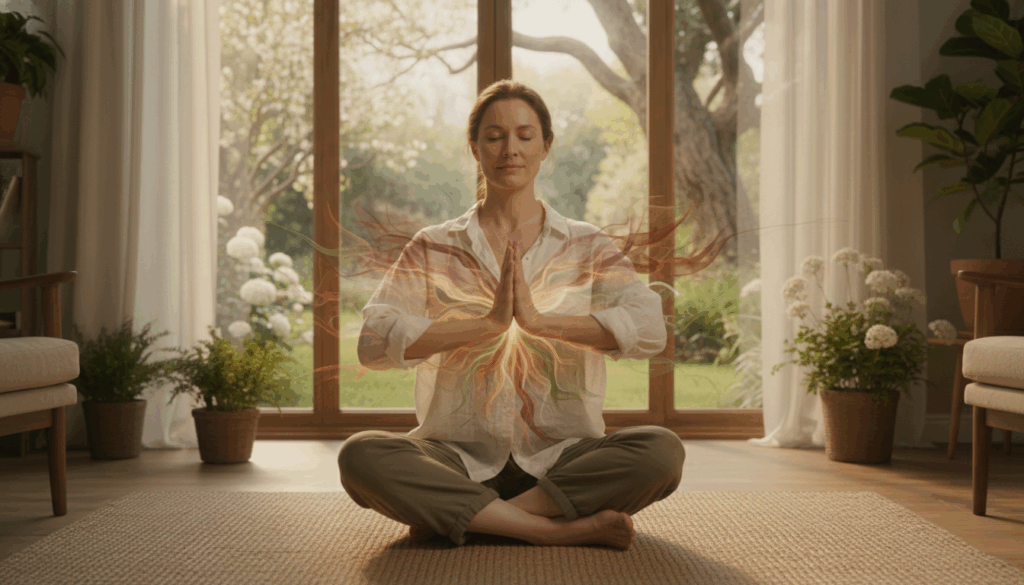
Use deep breaths to calm and steady
Take slow inhales and longer exhales. Let shoulders drop, jaw soften, and head quiet as the breath steadies the body.
Bring hands into mindful awareness
Rub palms together, separate them slightly, and notice tingling, warmth, or coolness. Follow where your hands naturally want to rest—chest, belly, temples, or shoulders—and allow healing energy to flow without forcing it.
Visualize and let the process unfold
Picture your healthiest self moving, resting, and breathing easily. Hold that image and receive through your heart, hands, or the specific area that asked for attention.
Know when to stop
Sessions range from about 5 minutes up to an hour. Stop when your hands want to move away, breathing returns to normal, or there is a restful sense of completion.
- Repeatable: this short process can be done whenever you need support.
- Signs: shifting sensations, emotion waves, or calm are normal.
- Further learning: explore guided workshops for beginners at psychic development workshops.
“I am willing to be a pure conduit for the highest healing energies for my greatest good.”
Self Energy Healing Techniques to Try Today
Pick a short technique that feels comfortable and notice what changes in minutes. Use this menu of practical ways to personalize a weekly routine. Try one now, then rotate others across the week.
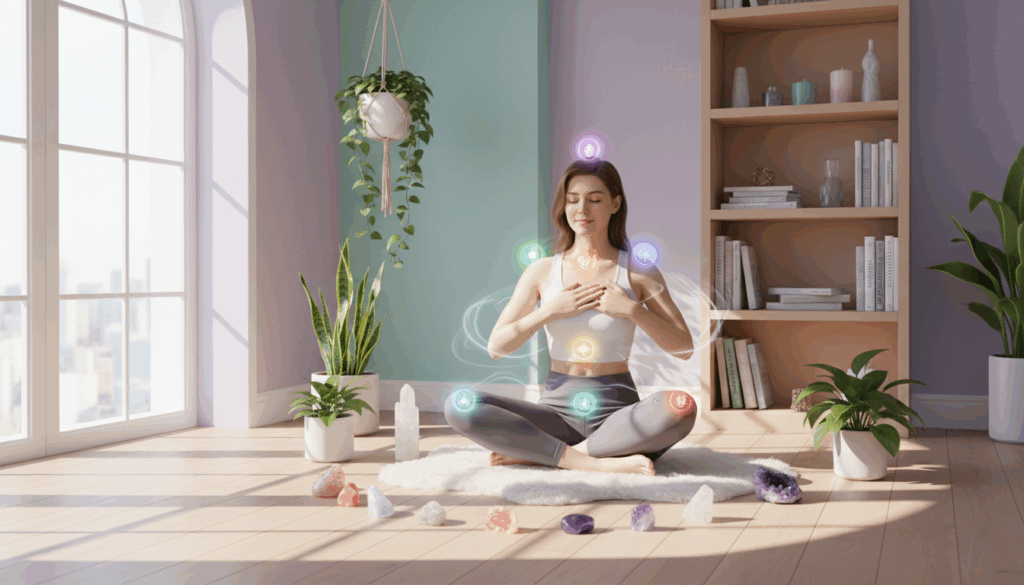
Meditation and quiet prayer
Meditation and brief prayer have been used for thousands of years across cultures. Sit quietly, repeat a simple phrase, or offer a short prayer to calm the nervous system and anchor attention.
Hands-on self-healing
Rub palms, hover them several inches apart, and notice warmth, tingling, or coolness. Place palms on the heart, belly, or forehead and linger until sensations shift.
Reiki-inspired sequence
Use a gentle series of palm placements: crown of the head, throat, heart, solar plexus, lower belly. Hold each position for a few breaths and let the hands rest where they feel needed.
Grounding in nature
Walk for ten minutes, sit against a tree, or watch dawn. Feel the support from the ground and return attention to your root and feet for a steadying sense of balance.
Balancing position
Stand with feet apart and raise hands overhead to form two triangles. Hold for a count of ten, repeat, then take five deep breaths. This position resets posture and clears negative energy.
Gentle movement and full-body exercise
Start at the feet: wiggle toes, twist hips, shrug shoulders, move the jaw, then lift the head. Short exercise bursts move sensation upward and refresh the whole body.
Sound and crystals
Try humming, singing bowls, or soft drums to shift vibration and slow brain waves. Carry or hold a crystal during meditation, place one near your bed, or keep it in a pocket for targeted support.
| Technique | Time | Main action | Best for |
|---|---|---|---|
| Meditation / Prayer | 5–15 min | Sit quietly, repeat phrase | Calm, nervous system reset |
| Hands-on | 3–10 min | Rub, hover, place palms | Direct sensory feedback |
| Reiki-inspired | 10–20 min | Sequence of palm placements | Flow, clearing blocks |
| Grounding / Movement | 5–20 min | Walk, stand, wiggle feet | Rooting, circulation, balance |
Try one method for five minutes today and note what changed in body or mood. Small, steady practice matters more than perfect technique. For a guided session or readings, see our guided practice page and psychic readings and guidance.
Make It Work in Real Life: Benefits, Results, and Building a Practice
Results often arrive in quiet ways: deeper rest, steadier mood, or clearer thinking. These changes can support daily wellness and add real benefit to medical care without replacing it.
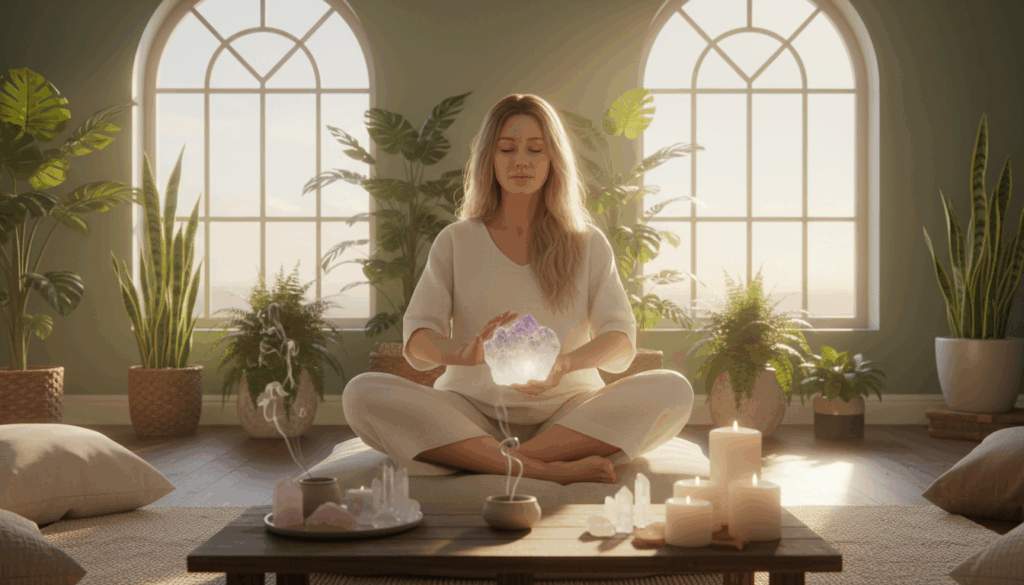
What results can feel like in body, mind, and mood
Practical benefits include relaxed muscles, improved sleep, clearer focus, and fewer mood swings. Many people notice they handle stress better even when life’s demands stay the same.
When insights arise
Sometimes an illness points at imbalance or invites new purpose. Other times it simply remains unexplained. Both are valid.
“Illness may teach, redirect, or be a part of your journey; uncertainty does not mean failure.”
Staying consistent without burning out
Set a simple plan: 5–10 minutes each day, same time, one reliable technique (breath plus hands on heart). Small repetition builds a steady practice and reduces decision fatigue.
- Results checklist: sleep quality, tension level, appetite cues, emotional reactivity, grounded feeling.
- Normalize variability: some days show clear shifts; some days feel quiet.
- Prevent burnout: rotate short practices, skip perfection, and keep sessions brief.
Remember: this work can support health and life without assigning blame. For more on subtle methods and skill-building, see energy manipulation.
Conclusion
, Finish with a calm pause and a few slow breaths. Set a quiet space, ground into the earth, invite the highest healing energy, and let your hands follow the body’s cues. This simple way works as a short daily reset.
Remember Dr. Joe Gallenberger’s steps: surrender to a larger purpose, ask for help, picture ideal health, hold yourself with love, then let go and receive. Use this practice alongside medical care with patience and self-respect.
Choose one technique you enjoy—meditation, nature grounding, sound, movement, or a Reiki-inspired hand placement. Try one 5-minute session today, note what you feel, and repeat tomorrow. Small steps are a powerful way back to balance.
Learn a practical guided method at clairvoyant meditation for extra support.