

Sound healing draws from ancient practice and modern curiosity. It uses vibration and tone to help people relax, reset, and feel more present.
This guide will explain how sessions work, what a typical sound bath feels like, the instruments often used, and common benefits people report. It aims to inform, not offer medical advice.
Think of sound as vibration you can hear and sometimes feel. Practitioners frame that vibration in practical terms to support calm of the mind and body. Experiences vary by person, leader, and setting.
Today there are many ways to try these practices: group events, one-on-one sessions, and online formats. Later sections will break down each option and what to expect during a session of this therapy.
Key Takeaways
- Sound healing blends ancient roots with modern self-care.
- Sessions use vibration to promote relaxation and balance.
- Expect varied experience based on facilitator and space.
- Options include group baths, private work, and online classes.
- This article is informational, not a substitute for medical care.
What Is Sound and Energy Healing?
In wellness spaces, facilitators frame certain offerings as immersive listening journeys made with instruments and voice.
Labels vary: many studios call similar work sound healing, sound therapy, sound medicine, or sound meditation. Some use sound baths to signal a group, passive listening style, while others prefer the term therapy to suggest a focused, targeted approach.
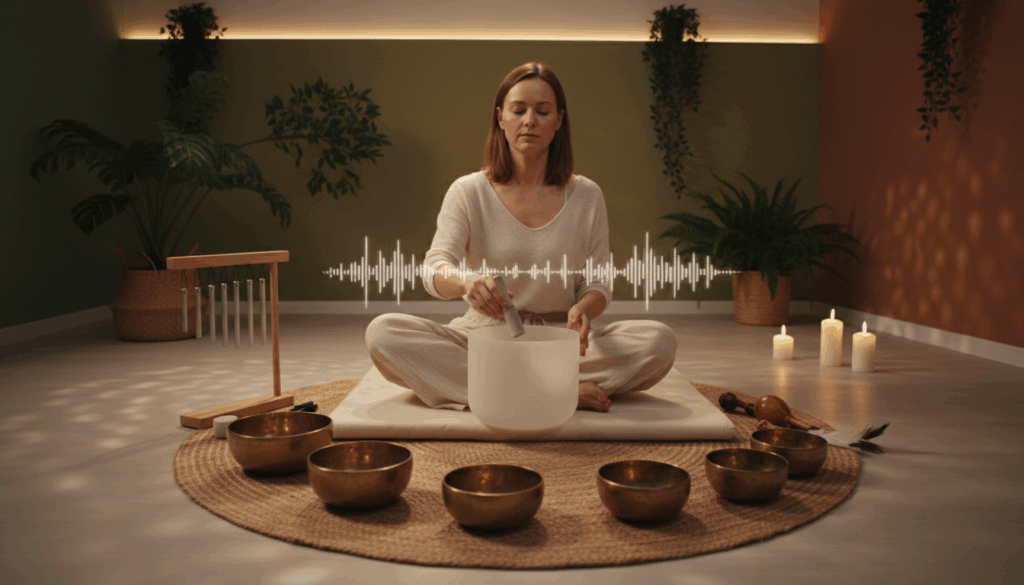
How terms differ in modern practice
A sound bath is best described simply: you rest while layers of tones wash over you. The aim is relaxed attention, often paired with gentle mindfulness cues.
By contrast, sound therapy often feels more clinical in tone. Practitioners may design sessions to address a specific goal, though both paths can be restorative without medical claims.
Why people choose these options
Non-invasive and drug-free—many pick this approach because it doesn’t require medication or needles, and it’s accessible even without a specific complaint.
- Formats include drop-in classes, workshops, private sessions, and online offerings.
- Names overlap; training, intent, and setting shape the session.
- The guide later explains session flow, benefits, and how to pick a qualified practitioner.
For more on complementary approaches, see psychic healing resources.
Why Sound Affects the Mind and Body
Certain waves push our alert system into action, while gentler pulses invite muscles to relax. These effects happen because vibrations travel through air and tissue, then the nervous system interprets them as meaningful signals.
Neurological, physiological, and biochemical responses
High-volume crashes trigger an instant startle: heart rate spikes, breath quickens, and stress hormones rise. By contrast, steady ocean waves or soft chimes tend to lower arousal and lift mood.
From startle to soothe
Different sounds create different reactions. A harsh screech can make teeth tense; a clear bell often feels uplifting. Those contrasts show how rhythm, timbre, and frequency shape the body’s response.
Relaxation response basics
As attention shifts toward calm tones, people often notice slower breathing, reduced heart rate, and eased blood pressure. Muscles soften, jaws unclench, and shoulders drop as tension eases.
These shifts support stress and anxiety relief for many, though this practice serves as a complement, not a medical replacement.
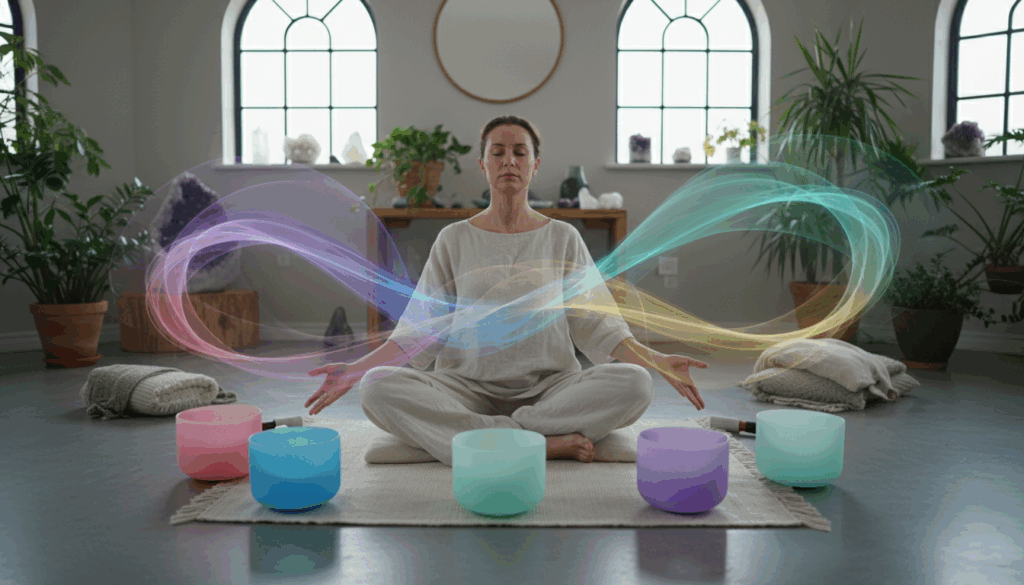
There are multiple ways vibrations act on us — frequency, rhythm, and skin-level reception all matter. Learn more about practical techniques in psychic energy techniques.
How Sound Healing Works: Vibration, Entrainment, and Cymatics
A steady tone can nudge the nervous system toward calm, much like a slow breath settles a rush of energy. This section breaks the process into three clear parts so readers grasp why sessions often feel grounding.
Vibration and frequency
Instruments vibrate at distinct frequencies. Practitioners use bowls, gongs, and forks to layer tones that the ear and tissues register. Many describe the “everything is energy” idea as a metaphor for frequency and resonance, useful for explaining resonance without overstated claims.
Entrainment
Entrainment means systems sync up temporarily. Think of people matching pace when walking together. Similarly, steady rhythms can help the heart rate and breath fall into calmer patterns during meditation or a session.
Cymatics and the skin
Waves travel through air and reach the skin and deeper tissue. The body does not receive only through hearing; skin receptors pick up low-frequency vibrations too. That physical sensing adds to the overall experience.
Brainwave shifts
A 2020 review found that guided sessions can move brain activity toward Alpha and Theta states. Participants often report slower breathing, lower heart rate, and a more relaxed state. Together, these mechanisms explain why sound healing work blends physics with nervous system response, helping people seek less stress and better sleep.
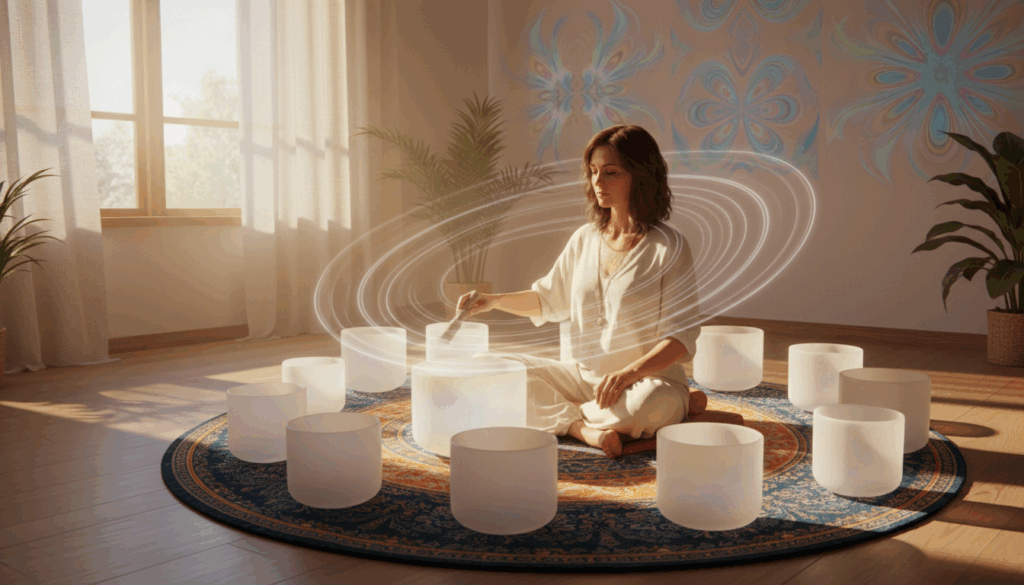
Sound Bath and Sound Healing Sessions: What to Expect
A typical session invites you to rest while guided tones shape the room’s rhythm.
“A deeply immersive, full-body listening experience that uses sound and simple mindfulness techniques.”
Session flow
Most gatherings begin with settling in and a short meditation that points attention to the breath. A facilitator uses voice cues and then layers overtone instruments like bowls and gongs.
Gradual buildup gives way to a sustained period of listening. The closing usually returns to gentle voice guidance to ground the body before rising.
Group versus private
Group baths offer shared atmosphere and collective resonance. Private sound healing sessions let the leader tailor pacing, volume, and intention.
The structure stays similar: settling, tone work, and a soft return, but personalization increases in one-on-one work.
Comfort checklist and aftercare
- Bring: yoga mat, blanket, eye mask, pillow or bolster.
- Choose to lie down or sit supported; facilitators often supply extra cushions.
- Expect emotional release; tears or strong memories can be cathartic and normal.
Sessions often last up to an hour. Many people feel spacious afterward; drink water and allow a quiet buffer in your day before returning to regular tasks.
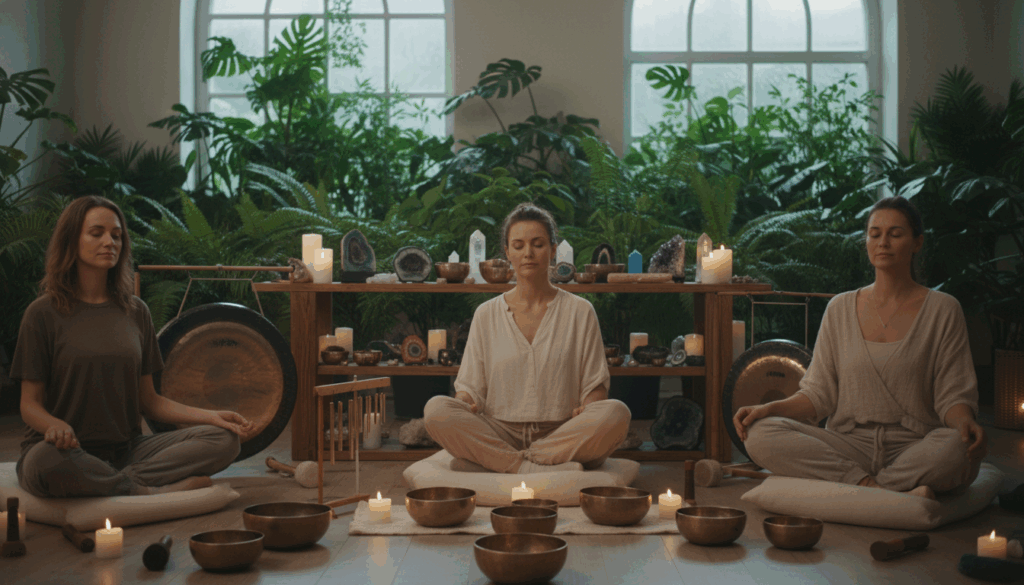
For related complementary offerings, consider a guided tarot or reading to pair with post-session reflection at spiritual tarot card readings.
Instruments and Sounds Used in Sound Healing
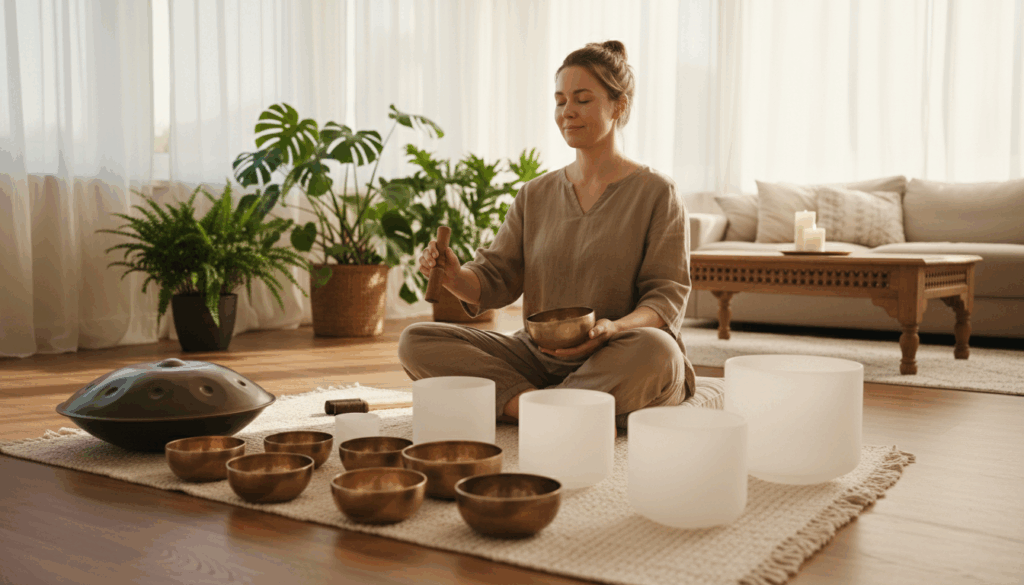
Different instruments deliver distinct textures—some feel deep in the body, others float as clear tones.
Why overtone-rich tools matter: instruments that emit many harmonics create layered fields. Those layers produce a full listening space that can feel immersive and, for many, profoundly shifting.
Singing bowls and Himalayan bowls
Singing bowls are metal bowls with deep resonance. In quiet moments their low tones often register in the chest and spine.
Crystal singing bowls
Crystal bowls give a clearer, more ethereal texture. Many people use crystal singing bowls for meditation and intention work because they add a lighter sonic layer.
Gongs and gong baths
Gongs produce broad waves that can feel vast and enveloping. Some listeners love that intensity; others prefer gentler sets.
Tuning forks
Tuning forks provide focused, precise tones. Practitioners sometimes place them near the body for targeted, frequency-focused work in clinical-style sound therapy.
Chimes, shruti boxes, and monochords
These add shimmer, drone, and sustained harmonics. Together with bowls, gongs, and forks they create a layered soundscape rather than a traditional song structure.
Expectations: the session may not follow melody, but the vibrational mix can calm, energize, or move emotions. Instrument choice often reflects practitioner style, so two sessions can feel very different.
Explore practical techniques and tools at psychic energy techniques and tools.
Benefits of Sound Healing for Stress, Anxiety, and Sleep
Many people report an immediate sense of letting go during a session, with thoughts slowing and muscles softening.
Deep relaxation as the most common outcome
Deep relaxation is the single most consistent effect. Breathing tends to slow, heart rate eases, and mental chatter quiets.
That state often feels like a gentle reset for the mind and body.
Stress and tension relief: downshifting the nervous system
Low, steady tones can help the nervous system move out of “busy mode.”
People often notice less jaw clenching, looser shoulders, and lower overall tension after short sets.
Anxiety and mood support
Focused listening and calm sensory input may reduce patterns of worry and agitation.
Many use this therapy as a tool to support emotional balance alongside counseling or medical care.
Sleep quality support
Drifting off during a session is common and normal. Comfortable posture, soothing tones, and reduced mental chatter all help.
Falling asleep can reflect relaxation, not failure to engage.
Emerging research areas
Early studies and reviews point to possible benefits for chronic pain, fatigue, cognition, and memory. Evidence is promising but still developing.
Whole-person wellness
People report physical, mental, emotional, and spiritual balance after sessions, even without a specific goal.
Use these sessions as a supportive wellness tool, not a replacement for professional treatment when needed.
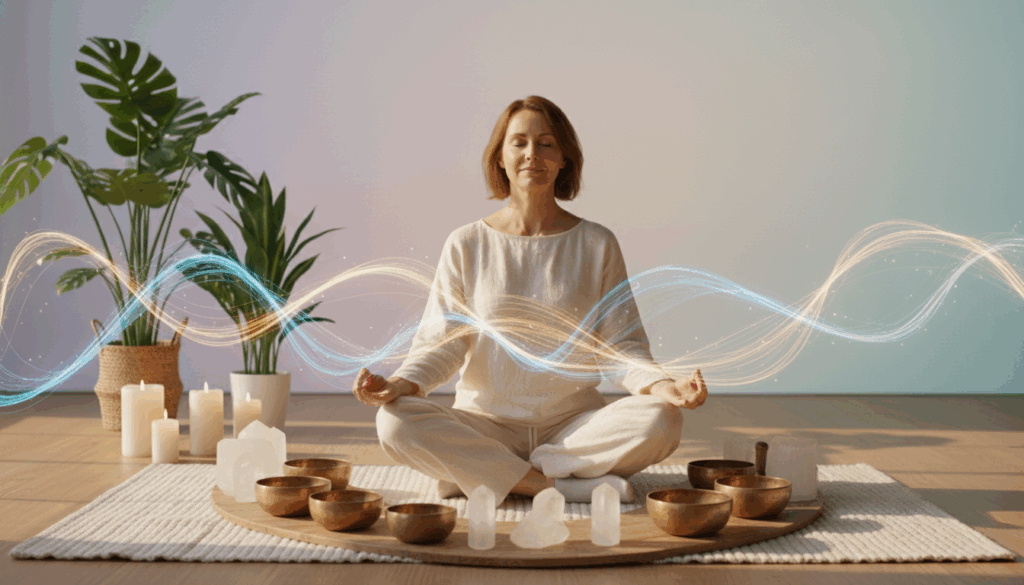
“Participants often describe slower breathing, lower heart rate, and a more relaxed state.”
| Benefit | Common Signs | Evidence Level |
|---|---|---|
| Deep relaxation | Slower breath, soft muscles, quiet mind | Consistent anecdotal reports |
| Stress reduction | Lower tension, calmer daily mood | Moderate (physiological markers reported) |
| Anxiety support | Reduced worry cycles, steadier mood | Preliminary clinical findings |
| Sleep improvement | Falling asleep during sessions, deeper rest | Commonly reported |
For related guided practice that pairs well with this work, explore clairvoyant meditation.
Who Sound and Energy Healing Is For
Many people try group sessions simply to pause, unplug, and rest their minds for an hour.
Accessible to most ages and backgrounds: Beginners often join without prior practice. You do not need a diagnosis or special skill to attend. Sessions welcome curiosity, creative rest, or routine self-care.
Modern life overload—long screen days, constant alerts, and nonstop news—drives many to book a session as a deliberate break. These gatherings offer a quiet pause where breathing slows and thought clutter eases.
Common motivations
- Short reset from daily stress and occasional anxiety.
- A calm hour for creativity, reflection, or rest.
- Support for an existing wellness routine without medical claims.
There are several formats to choose from: public classes, private sessions, and online options. Pick the way that fits your schedule and comfort.
Who might enjoy it: busy professionals, caregivers, students, athletes on recovery days, and anyone who wants one quiet hour to recharge.
“An intentional pause often offers clearer focus afterward.”

| Type of Attendee | Why They Come | Suggested Format |
|---|---|---|
| Busy professionals | Short mental reset after long workday | Evening group class or private session |
| Caregivers | Need gentle recovery and quiet | Low-volume private work or daytime class |
| Students | Reduce exam stress and improve focus | Drop-in sessions or online options |
| Athletes | Support recovery on rest days | Targeted sessions with focused instruments |
Explore tailored approaches and training in energy manipulation to learn more about ways practitioners design sessions.
Safety, Contraindications, and Choosing a Qualified Practitioner
Take a few practical steps before attending a session to reduce risk and increase comfort. Safety planning helps you enjoy the benefits while protecting physical and emotional well-being.
When to consult your healthcare provider
Consult a medical professional if you have complex health conditions, recent surgery, implants, epilepsy, or mental health concerns. Ask about timing during pregnancy; some practitioners advise avoiding the first and third trimesters.
Finding the right practitioner
Look for clear training and experience. Ask about background, instruments used, how intensity is managed, and what a typical session includes. A confident, communicative practitioner will welcome questions and consent preferences.
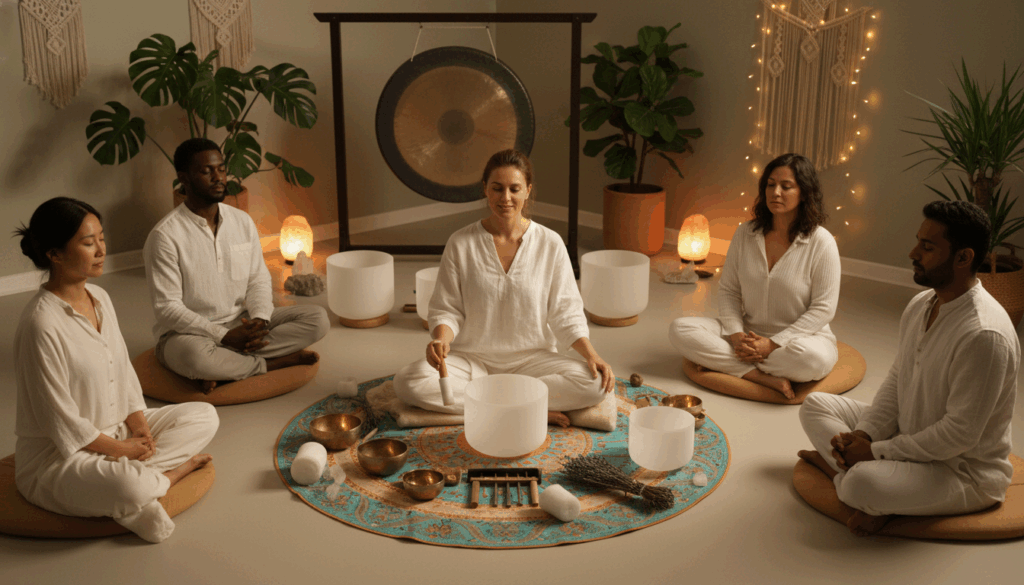
Contraindications and comfort
Discuss sensitivity to loud or intense tones before booking. If strong vibration feels overwhelming, choose gentler formats such as a short guided bath or a private session with controlled volume.
Creating a safe environment
Room acoustics, volume control, and consent-based facilitation matter. A good practitioner will offer exit options, a quiet buffer after the set, and clear aftercare suggestions.
Online options versus in-person
Live online sessions or recordings offer convenience and lower intensity control at home. In-person work can provide deeper immersion and direct guidance. Both are valid; pick the way that fits your comfort and schedule.
“Start gently, communicate needs, and treat this practice as supportive wellness rather than medical therapy.”
For paired resources and further guidance, consider psychic-intuitive readings and guidance.
Conclusion
Before you go, keep a few straightforward points in mind that make your first visit kinder and clearer. This guide shows that sound healing blends simple physics with calm practice. It frames a listening session as a restful, restorative pause for busy days.
Core ideas: tones act through vibration, entrainment, and cymatics to ease arousal and guide the nervous system toward rest. Hold that mental model rather than chasing jargon.
Expect a comfort setup, immersive listening, and possible emotional release. Try a short beginner-friendly sound bath or a brief private session if you prefer personalization.
Treat this practice like meditation and recovery time: hydrate afterward, allow a quiet buffer, and note how you feel over the next day. Choose a qualified practitioner, speak up about limits, and check with your healthcare provider when needed.