

Welcome. This friendly guide shows how simple kitchen brews become meaningful rituals you can start today. Think herbal teas and easy potions paired with clear intent, mindful words, and safe steps.
We focus on approachable recipes like honey-ginger for inflammation, a morning wake-up tea with a small orange candle, and a lavender sleep tea paired with an evening phone-off habit. Use these on yourself—never on someone else. This is the core ethical rule that keeps practice respectful and healing.
Expect practical how-to content: recipe-style instructions, safety tips for sourcing and glass storage, and printable pages to add to a Book of Shadows. We’ll also explain gentle tools such as Moon Water, witch oils, and common ingredients like cinnamon, basil, and roses.
Start small, stay mindful, and make space for simple rituals that support mood, sleep, and focus.
Key Takeaways
- Begin with drinkable brews and clear intent—safe, beginner-friendly steps.
- Always practice on yourself; consent and ethics matter.
- Simple recipes can aid mood, sleep, and focus when paired with ritual.
- Use quality ingredients, glass storage, and keep items out of reach of kids and pets.
- Printable recipes and images will guide your practice and make learning easy.
What this How-To Guide Covers for Beginners in the United States
This guide is written for beginners in the United States who want safe, simple ways to make potions and cast gentle spells today. You’ll work with grocery-store herbs and basic tools so projects fit into a busy life.

What to expect page by page
Ethics and consent: clear rules so practice stays respectful. Tools checklist: jars, carrier oils, and small altar items. Safety basics: kid- and pet-safe storage and labeling.
Practical recipes and answers
Each page-style recipe answers common beginner questions: what to brew, when to use it, and which herbs help. We explain how intention and short rituals elevate simple uses like sleep support, space cleansing, protection, prosperity, and self-care.
- How “make potions” works here: easy teas, topical oils, and cleansing washes.
- Content supports multiple comfort levels — from a one-cup bedtime tea to a small altar practice.
- Printable pages and organized steps help you save notes to a Book of Shadows.
Keep a running list of questions as you go; the guide answers them section by section so a person can grow at their own level with confidence.
Magic with Integrity: Consent, Ethics, and Responsible Spellcasting
Start with a clear boundary: direct your energy inward and protect other people’s free will. Use these on yourself, never on someone else is the guiding rule here. It keeps practice safe and respectful for all people involved.

Many witches adopt a simple ethic: do no harm. When you cast spells for love, healing, or protection, aim your words and intent toward your growth and your space.
- Why not target someone else: coercion undermines free will and often creates unhealthy outcomes.
- White-magic values: invite harmony, consent, and mutual respect rather than control.
- Practical phrasing: try, “May I be open to love that honors consent and mutual respect.”
Pause and ask questions before you cast: Is this aligned with consent? Is it about my growth? Does it invite harmony instead of control?
“Treat others’ autonomy as sacred—this keeps your practice grounded and responsible.”
Responsible choices also include sourcing herbs ethically and crediting authors or practitioners when you borrow methods. The content that follows keeps this ethical frame front and center so beginners can explore with confidence.
For broader guidance on intuition and readings that respect personal boundaries, see a trusted resource like psychic readings.
Essential Tools, Ingredients, and Safety at Home
Good practice begins with clean glass containers, honest ingredients, and a simple safety plan. Start small and gather a few sturdy jars for teas, infused oils, and waters. Label each jar with name, ingredients, and date so you track quality and rotate older items forward.
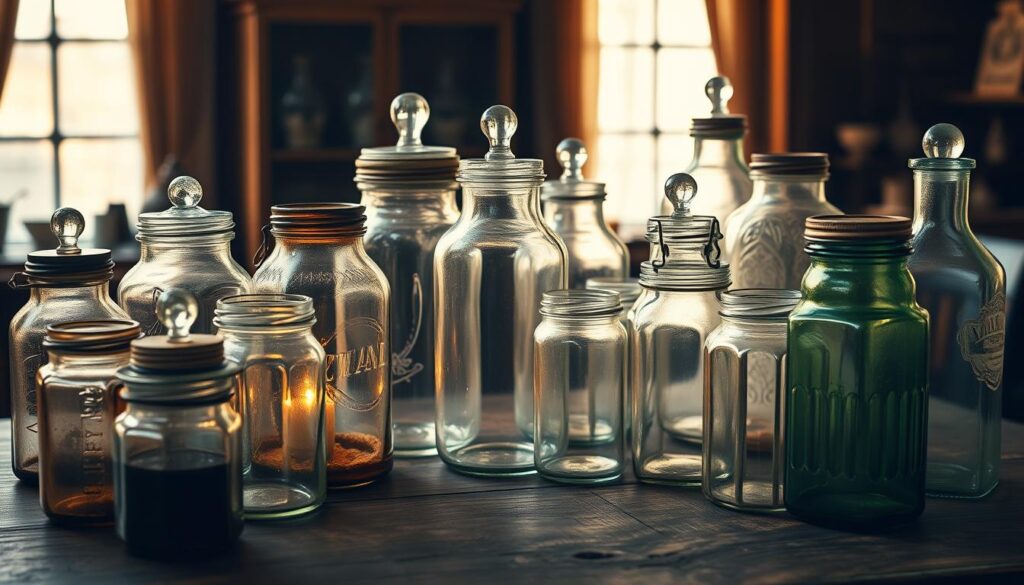
Glass jars, carrier oils, and altar basics
Choose olive or grapeseed as budget-friendly carrier oils for anointing blends. Add a small candle and a heat-safe dish for focused work. Use kitchen spoons, a tea strainer, and a funnel you already own to measure and decant cleanly.
Kitchen herbs with folk properties
Cinnamon – warmth and purification. Garlic – protection. Basil – prosperity. Roses – love and self-care. Keep fresh or well-stored dried plants for best results.
Quality, labeling, and kid- and pet-safe storage
Prioritize ingredient quality and test half-batches when trying new formulas. Store sealed jars high, keep essential oils away from curious hands, and never leave flames unattended. Keep a notebook or a printable page with each shelf category to record ingredients, timing, and results.
| Item | Use | Storage | Tip |
|---|---|---|---|
| Glass jar | Teas, infusions, waters | Sealed, labeled, high shelf | Rotate older jars forward |
| Carrier oil | Anointing blends | Cool, dark place | Olive or grapeseed are budget-friendly |
| Kitchen tools | Measuring & straining | Clean, dry drawer | Scale and funnel make recipes neater |
| Reference page | Track recipes & results | With each shelf category | Make half-batches to reduce waste |
Intent First: How to Charge Potions with Words, Fire, and Focus
Begin with a clear purpose. Name what you want to invite or release before you heat water or light a flame.
A practical take on Crowley’s idea
“every intentional act is a magical act,”
Use this by pouring your drink with attention. Speak a short consecration, like a simple coffee or tea consecration. Pour slowly and mean each word.
Quick charging flow
Try this rhythm: light a candle safely, say your purpose, take three deep breaths, stir three times clockwise for inviting or counterclockwise to release, then sip.
- Choose natural words that fit you.
- Use flame color for focus (orange for energy).
- Record a short practice video to check posture and pacing.
Tea Blessing (adaptable) — “May this cup bring clarity, calm, and steady courage to my day.”
| Step | Action | Why it helps |
|---|---|---|
| Intent | State purpose aloud | Focuses attention |
| Fire | Light small candle | Anchors the moment |
| Rhythm | 3 breaths, 3 stirs, sip | Makes practice repeatable |
Keep it simple. A short promise you can keep builds trust with yourself. End by extinguishing the flame and noting what felt different.
Beginner Drinkable Potions You Can Make Today
Small, repeatable tea rituals can shift how your body and mind handle exercise, sleep, and mornings.

Healing honey-ginger tea: anti-inflammatory support
Recipe: pour hot water over 2–3 thin slices of fresh ginger and add a teaspoon of honey. Steep 5–10 minutes and sip slowly.
Use: after workouts or when muscles ache. Focus on steady breaths while drinking to support recovery.
Lavender sleep potion and evening phone-off ritual
One hour before bed, silence screens and dim lights. Brew lavender tea for 5 minutes and sit quietly as it cools.
Tip: try chamomile as a swap for extra calm, or a touch of lemon if you prefer brightness.
Quick wake-up potion with orange candle and gratitude words
Steep your morning tea, light a small orange candle safely, and say, “I am healthy and grateful for this day.” Drink mindfully to set tone.
- Steep time and water temperature change flavor: gentler steeps soothe; hotter steeps energize.
- Make small batches, note outcomes in a journal, and test for sensitivities before regular use.
“The gentlest magic often lives in repeatable, easy recipes.”
Potion Spells with Water: Moon Water and Florida Water
A small jar of night-filtered water and a spritz of herbal Florida Water bring steady clarity to an altar or doorway.

How to make Moon Water and when to use it
Fill a clean jar with potable water and set it where moonlight can reach it. Cap or cover the jar to keep it clean and collect before sunrise if that fits your routine.
Timing matters: full moons are good for energizing and clarity; waning moons help release. Add a small note with intent taped to the jar to anchor your purpose.
Place a tiny cup of Moon Water on your altar during meditation or divination to amplify focus and reflective properties.
Simple Florida Water approach and home uses
Make a fragrant base with alcohol or witch hazel, add citrus peels and herbs, let infuse, then strain and decant. This is one of the classic recipes modern witches use for cleansing.
Everyday uses: mist doorways, wipe altar surfaces, cleanse tools, or add a splash to bath water for refreshment at home.
- Check plant properties and do a skin patch test on one person before body use.
- Label jars with date and recipe, store away from heat, and keep out of reach of children and pets.
- Keep a page in your notebook to note which moon phases and recipes felt most effective.
| Water Type | How to Make | Common Uses | Safety Tip |
|---|---|---|---|
| Moon Water | Jar of potable water left under moonlight | Altar cup, meditation, divination | Cover jar; collect before sunrise if desired |
| Florida Water | Alcohol/witch hazel + citrus peels + herbs, steeped then strained | Spray doorways, clean tools, bath add-in | Patch test; avoid eyes and mucous membranes |
| Storage | Clean glass containers, labeled | Rotate and date | Keep away from heat and children |
“Let water hold your intent; its work is steady and subtle.”
For more on intuition and personal practice, see a short guide to psychic superpowers.
Witch Magical Oils: From Full Moon Oil to Four Thieves Oil
From moonlit infusions to antibacterial blends, a small bottle of oil can change how you work with objects and space. These blends are easy to make and useful for candle work, anointing tools, or light home cleansing.
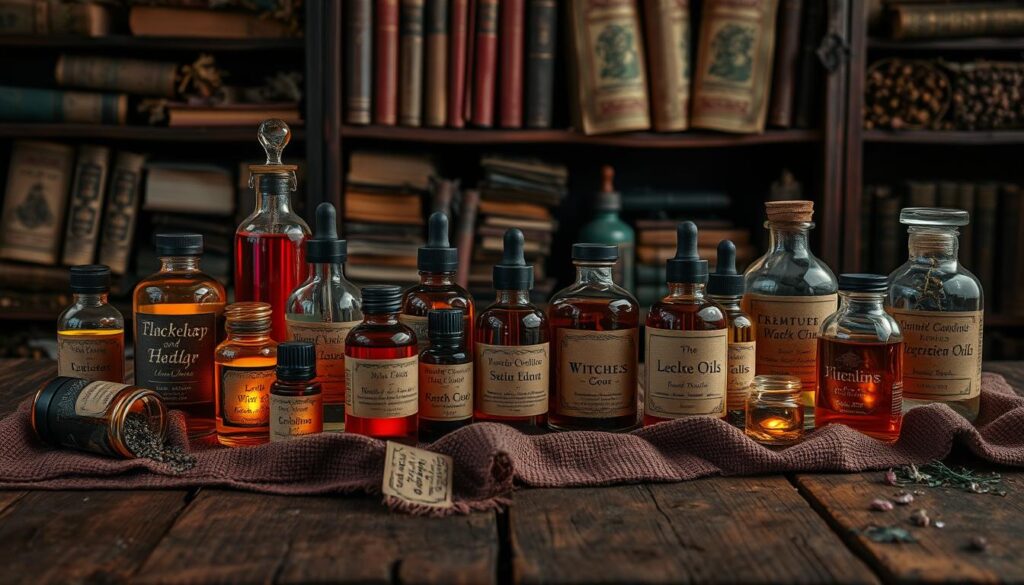
Full Moon Oil and simple steps
How to craft: fill a clean glass bottle with olive or grapeseed oil and add dried botanicals. Sit the bottle in a safe moonlit window for several nights.
Use a few drops to anoint candles, tools, amulets, or add a half-teaspoon to bath water for a moonlit soak.
Wiccan blessing oil ingredients
Blend: carrier oil + sandalwood (or cedar) for cleansing, camphor to clear harmful energy, orange for love and luck, and patchouli for protection.
Four Thieves Oil — history and cleaning use
“A storied antibacterial blend now used as a cleaning spray and surface refresh.”
Make a diluted spray for high-touch surfaces; label and store in glass. Test on a small area first.
| Oil | Main ingredients | Common use |
|---|---|---|
| Full Moon Oil | Olive oil + chosen dried botanicals | Anoint candles, baths, tools |
| Wiccan Blessing Oil | Sandalwood/cedar, camphor, orange, patchouli | Cleansing, protection, luck |
| Four Thieves | Clove, rosemary, thyme, citrus in carrier | Cleaning spray, antibacterial refresh |
| Home Blessing | Sage, marjoram, rosemary, thyme | Refresh shared spaces |
For Protection or Prosperity oil, dress a candle or add a drop to a charm. Make a small DIY salve for dry skin and label tins with ingredients and date. Store oils in dark glass with droppers and research botanicals before skin use.
Love and Self-Love Potions the White Magic Way
A gentle ritual for welcome and self-respect can begin with a warm cup and short, honest words.

Hibiscus self-love brew and gentle rose oil
Brew hibiscus tea for a heart-opening ritual. Sip slowly and speak a kind affirmation about your worth and mutual respect.
For topical use, make a light rose oil: a few dried petals in a carrier oil, steeped and strained. Test a drop on skin first and use only a small amount to anoint a pink candle or your pulse points.
Honey love practice without targeting a person
Use honey symbolically to sweeten your aura and intentions. Stir a teaspoon into tea or water while imagining qualities you wish to attract.
Ethics: craft your request for attributes and timing, never for control of a named person. This keeps magic love work respectful and safe.
Rose + lavender bath for new love and healing
Fill a warm bath with a teaspoon of sugar to sweeten, a sprig of lavender to soothe, and a white rose for compassionate love. Relax and visualize relationships that uplift you.
Place a rose quartz nearby and light a pink candle for tenderness. Close by saying a short release: “I open to love that honors and heals.”
“Invite qualities, not outcomes—let your life and actions carry the intention forward.”
- Pair rituals with journaling prompts: What do I need to heal? How do I receive love?
- Notice plant properties: hibiscus may energize, lavender calms, rose comforts.
- Adopt a weekly rhythm: one focused session, then live your intention through action.
Remember: love-focused work can support friendships and self-acceptance as much as romance. Center your practice on inner kindness and mutual respect for best results.
Protection and Peace at Home: Cleanses, Wards, and Washes
Short rituals for peace fit busy schedules and help a house feel more like home. These practices focus on clear steps you can repeat in minutes to protect your space and calm the household.

Waterfall Ward protection wash: a practical recipe
What it is: a gentle, reusable wash for doorframes and thresholds to set boundaries and invite calm.
Method: steep rosemary and marjoram in warm water, add a clove or two, strain into a labeled jar, and keep a cloth dedicated for wiping frames. Use with focused intent and dispose of rinse water respectfully outdoors or down a drain away from living areas.
Grounding and peace blends for daily life
Make a small grounding oil with lavender, sandalwood, and a touch of clove in a carrier oil. Keep another bottle with rosemary and marjoram for clear-minded energy.
- Anoint a candle for a five-minute evening reset.
- Place a drop on a cotton ball near a workspace to steady focus.
- Trace a quiet symbol on a doormat to welcome calm each arrival.
Safety first: keep jars and oils out of reach of any kid or pet. Test surfaces before wiping to avoid slippery floors or damaged objects. Even half measures—five minutes by the main door—make a real difference.
| Action | Ingredients | Use |
|---|---|---|
| Waterfall Ward Wash | Rosemary, marjoram, clove, warm water | Wipe doorframes & thresholds; label jar |
| Grounding Oil | Lavender, sandalwood, carrier oil | Anoint candle, pulse points, cotton near desk |
| Home Blessing Oil | Rosemary, marjoram, light citrus, carrier | Weekly refresh, wipe surfaces, anoint objects |
Keep a one-page checklist to track recipes, refresh dates, and which rooms felt calmer after each session. Pair these gentle cleanses with practical measures—locks, lighting, and good household communication—to strengthen protection.
“A single candle, a few mindful breaths, and a calm phrase can renew your home’s quiet strength.”
For more on safeguarding routines and practical protection, see a trusted resource on psychic protection.
Beyond the Cup: Fantasy, Games, and Creative Uses of Potions
Beyond sipping, liquid effects can be poured, painted, or misted to transform the world around you.

Reframe these brews as tools. In fantasy play they affect spaces and objects, not only the drinker. That opens design doors for puzzles, exploration, and scene work.
Dream small sets of high-quality effects. Fewer options force better questions and more elegant solutions at the table.
Design prompts and playful examples
- A mapping draught that turns into ink when it touches paper, revealing routes.
- A levitation tincture that makes a chosen object weightless for a short time.
- Darkvision liquid you paint in a lantern to scout safely in low light.
- A “bounty” bottle that multiplies rations for a stranded party, but only if shared.
Use multiple modes: drink, pour, paint, or mist. The same bottle can solve different problems depending on how players apply it.
Capture continuity: take quick images or sketches of effects and test ideas in a short group video brainstorm. Ask simple questions: What else could this do? What if I pour it instead of drink it?
“Treat a vial as a scene tool—then watch imaginative solutions and meaningful play emerge.”
Common Mistakes to Avoid with Potions and Spells
Clear habits matter: the right aim, safe storage, and simple checks protect your work and home.

Start each session by writing a one-sentence aim and keeping it visible. That single step stops many things from going off track.
Skipping intent, ignoring safety, or using on someone else
Don’t skip intent. A brew without purpose feels weak. Write your aim and say it aloud.
Safety first. Label jars, store out of reach of any kid, patch-test oils on skin, and never leave flames unsupervised.
Never work on another person. Respect consent and avoid entanglements—this rule keeps your practice ethical and practical.
Mismatching ingredients and desired properties
Match ingredients to goals. Lavender soothes; it’s not the right thing for pep. Learn basic herb properties before you mix.
Keep your level in mind. Start with simple teas and washes. Add complexity slowly rather than piling many strong items together.
| Common Mistake | Quick Fix | Why it matters |
|---|---|---|
| Missing intent | Write one-line aim | Focuses results |
| Poor storage | Label & store high from kids | Prevents accidents |
| Bad ingredient match | Check properties first | Supports clear outcomes |
| Overuse | Space sessions | Avoids dependence |
Ask two simple questions before you start: What am I inviting or releasing? Is this the simplest, safest way today?
Track both successes and failures in your notebook. That content builds reliable recipes and improves quality over time.
Learn about practice and safety to help protect kids and households as you grow your craft the responsible way.
Conclusion
A few mindful actions—one candle, one tea, one clear phrase—can change a routine for the better.
Pick one or two potions or a single spell action to practice this week. Repeat it, note results, and let small changes add up over time.
Keep ethics front and center: work on yourself and your space, respect consent, and aim for harmony. Safety matters—use quality ingredients, labeled jars, tidy cleanup, and watch open flames.
Revisit recipes you liked—honey-ginger for recovery, lavender for rest, or a Florida Water wipe-down—to keep momentum. Do a quick monthly check: refresh a ward, anoint a candle, or sweep for peace.
Make this content your handbook: adapt blends, refine ritual timing, and keep short notes. The best magic is the one you actually do—pick one thing today and give it your full attention.