

Find gentle, present-moment practices that help soothe emotions and bring balance to your life. This short guide honors the moon, the west, and the signs linked to deep feeling: Cancer, Scorpio, and Pisces. You will meet simple rites that support intuition, cleansing, and quiet surrender.
In this list, expect step-by-step ideas—from a cleansing sip spell to moongazing, ritual baths, and scrying—that focus on emotional healing, not performance. Tools are minimal: a glass or bowl, a candle, breath, and your intent. These practices work in the present time and invite your body to relax through breath and subtle movement.
We preview correspondences and intent, safe setup and timing, simple spells, protective visualizations, lunar work, scrying for clarity, daily rituals, and mindful troubleshooting. Practices are beginner-friendly yet rich enough for experienced practitioners seeking softer support.
Key Takeaways
- Gentle approach: Simple rites help calm emotions and restore balance.
- Minimal tools needed—glass, bowl, candle, and intention.
- Includes quick micro-practices and longer rituals to fit any area of focus.
- Breath and subtle movement make the work embodied and accessible.
- Also covers basic protective boundaries for heated or fire-like moments.
Why Water Magic Heals: Elemental correspondences and present-time intent
When we work with the moon’s partner element, we tap into instincts, dreams, and emotional release. Its long-held correspondences to the West and the signs Cancer, Scorpio, and Pisces link it to intuition, cleansing, and gentle purification.

Water’s core properties and resonance
Properties like flow and softness help the body soften and rebalance in the present time. Traditional practices—scrying by candlelight or moongazing—illustrate how intent meets ritual to change energy at will.
Setting compassionate intent before practice
State a short, present-tense command for balance, then ride the inner wave of breath to sync mind and body. Notice the water within—blood, tears, lymph—as a collaborator, not a target of control.
- Quick grounding: inhale through the nose, exhale longer, relax jaw and shoulders.
- Pick a phrase to repeat, decide the duration, then release the rest of the control.
- Journal one sentence about your aim before the spell; brief, clear commands help the effect take root.
Tip: Use gentle cues from air (breath) and feeling to let intention settle. Short, consistent sessions in the same area are often kinder than big, rare rituals.
For guidance on emotional imagery and archetypes, consider studying the emotional archetype like the Knight of Cups.
Before You Cast: Tools, timing, and safe practice for water magic
A calm setup matters: pick a cup or bowl, center your breath, and decide whether you seek release or clarity.
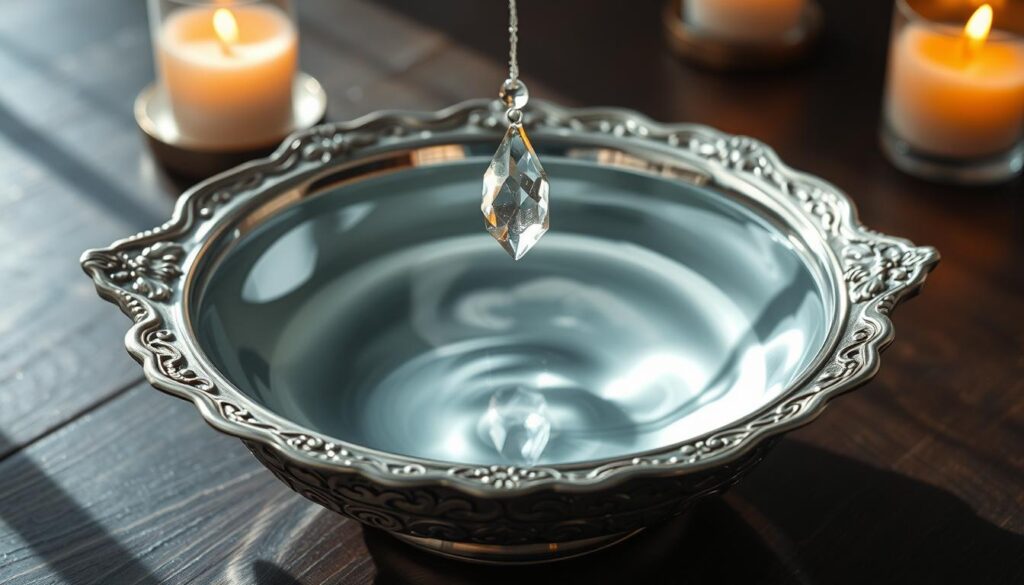
Choosing your vessel and keeping things clean
Use fresh, clean water in a glass or a ceramic bowl. A bowl works best for scrying; a glass suits a sipping practice.
Notice your body water—breath and sensation—before you begin. Center with three slow breaths to attune the caster to the present time.
Timing: moon windows and rain as support
Plan release work for the waning or dark moon. Use the full moon to amplify compassion or insight.
Light rain can help; listening to rain soothes the nervous system and deepens focus during a short ritual.
Safety, limits, and concentration warm-up
Mind the temperature for baths or steams and the amount of time you stay immersed. Small limits keep practice restorative.
Do a brief concentration warm-up: soft gaze, three slow breaths, and a gentle head-to-toe scan. After intense focus, schedule a cooldown, hydrate, and eat something grounding.
- Use one or two candles for gentle focus.
- Check crystal safety before submerging stones; if unsure, place them beside the vessel.
- Keep the area tidy and slip-free when pouring or splashing liquid.
For a quick concentration tip and related practices, see this guide on how to move things with your.
Simple water spells for emotional healing
Try these short, practical rites when feelings feel heavy and you need simple relief. Each practice is easy to learn and fits a quiet corner of your day.

Clearing sip spell
Write limiting beliefs on paper. For each line, say, “I clear the belief that [belief] from my body.”
Take a slow sip, visualize the liquid moving through your system, and imagine it carrying residue away. This works well during a waning or dark moon.
Like-water affirmation pour
Whisper a short supportive phrase over a glass. Gently swirl to shape intent, then drink with the thought that your system adopts the command.
Fog of calm
Sit with steady breath and picture a cool, dewy fog around you. On each exhale, let the mist soften hot thoughts and temper reactive edges.
Wave release ritual
Stand with feet planted and sway in a small arc. With each pass, name what you release and what arrives, using limited movement to reset the nervous system.
Water breathing focus & compassion infusion
Inhale four, exhale six, picturing a tide. After a few minutes, hold a cup at heart level, speak one quality—comfort, trust, or strength—and sip with eyes closed.
- Optional: light one candle in a dim room to support the caster’s focus.
- Mindful control: keep commands kind; guide inner currents, don’t force change.
- Close by resting hands on your body and noticing subtle shifts before you move on.
Protective practices: Water shield and water wall for emotional boundaries
Small, focused images of moving liquid help you keep emotional range while limiting harm.

Water Shield visualization is a close, flowing layer that sits near your skin. Picture a clear sheet that catches heat and harshness, then lets your calm circulate inside.
Use a short phrase like “Shield, hold” as you inhale and exhale. Focus the boundary at the front of your body if a conversation heats up. Widen it when you need more room but avoid tightening so you stay responsive, not closed.
Water wall meditation
For broader range, imagine a taller wall water surface a step away from you. It moves gently but stays cohesive, creating an area where you can process feelings safely.
Keep concentration light but steady. If focus wavers, take a slow inhale and see the wall brighten on the exhale. A brief hand arc helps cue and maintain the image so the caster uses less effort.
- Energy note: Holding larger constructs taxes stamina; plan short sessions and release them on purpose.
- Compassion first: These are filters for tone and volume, not barriers against people or imagined enemies.
- Aftercare: Dissolve the shield or wall by watching it stream into the ground so your body knows the practice has ended.
| Practice | Range | When to Use |
|---|---|---|
| Water Shield | Close (personal) | Quick heat in conversation; protects against fire-like intensity |
| Water Wall | Step distance (broader area) | Extended overwhelm; gives space to process feelings |
| Hand Arc Anchor | Personal cue | Fast deployment when concentration is low |
“Small, intentional boundaries let the nervous system respond rather than react.”
For more on gentle protective frameworks and practice tips, see psychic protection.
Moonlit water magic: Charge water, moongaze, and work with rain
A brief moonlit routine can turn an ordinary cup into a reminder of calm and intention.

Charge a glass: on a full moon, set a covered glass outdoors or on a windowsill. Add one crystal that matches your aim—rose quartz for love, amethyst for insight, or clear quartz to amplify. If a stone is water-soluble, place it beside the cup instead.
Moongazing and drawing down
Sit quietly, breathe, and soften your gaze. Lift your arms to draw lunar calm down into your crown and let it move through your chest and belly like water.
Keep it short: five to ten minutes is enough to feel a shift in body water and attention.
Calling gentle rain as ritual
Play soft rain sounds or watch a window during a shower and picture the patter rinsing worry from your shoulders. Use the charged liquid later—sip it at morning start, splash a few drops on your hands before journaling, or add it to a ritual bath.
Notes: Mind temperature for comfort, notice moonlight shapes and reflections for phrases, and record one line in your journal to build a steady practice. For other soft techniques and a useful list of super powers, see the linked guide.
Clarity practices: Scrying with a still bowl to find insight
A simple bowl, a quiet room, and a steady breath can open surprising clarity from your inner sight. Use this short ritual to ask one clear question in the present time and let subtle impressions arrive.
Prepare your space: air, fire, and a calm body
- Dim the room and light one or two candles to create a soft focal fire that steadies the eye.
- Place a glass or dark bowl on a clear surface in the center of your chosen area.
- Settle your body with slow breaths: inhale for four, exhale for six to ease into trance.
- State one direct question aloud to anchor your attention. Keep the room free of clutter and noise.

Gaze, receive, and journal: letting symbols take form and meaning
Relax your gaze into the bowl and let the surface become a receptive field. Allow shapes, colors, or words to surface without forcing them.
Keep concentration gentle and curious. If your mind wanders, return to the breath and your question. Invite the subconscious to speak in images or small phrases.
When the session ends, thank the practice with a simple opening or closing phrase. Write immediate notes—symbols, feelings, and any patterns
“Quiet attention to a still surface often reveals what the loud parts of the mind cannot.”
| Setup | Focus | Suggested time |
|---|---|---|
| Dim room, one or two candles, clear bowl | Single clear question, steady breath | 3–10 minutes for beginners |
| Uncluttered area, low noise | Gentle gaze, relaxed attention | Add time slowly as comfort grows |
| Optional: soft air movement, no drafts | Record symbols, reflect later | Revisit journal after 24–48 hours |
Everyday water magic rituals for ongoing balance
Short, repeatable rites—baths, dips, or mindful showers—make steady repair possible.
Ritual bath: Set a clear intention before you fill a tub. Adjust the temperature to what feels soothing and sink in slowly. Breathe into areas of tension and let each exhale loosen the shoulders and jaw.

Ritual bath: temperature, herbs, and intention
Add a small pinch of gentle herbs or a few salts if you like, but remember presence matters more than amount of adornment. Sway your shoulders or rock the spine with tiny movement to melt stiffness.
Visit oceans, rivers, and lakes: immerse, set range, and release
At a shoreline or bank, stand at the edge and name what you are letting go. Step in mindfully and use a single small wave or current as your reset while you exhale.
- Micro-practice: splash hands or face when full immersion isn’t possible.
- Shower water breathing: inhale through the nose, exhale longer as droplets trace your skin.
- If a light rain appears, pause under shelter and imagine it easing a tight chest.
Safety notes: Mind the amount of time in hot baths, stay hydrated, and exit slowly to avoid lightheadedness. If emotions feel like a flood, shorten the session and place hands on heart and belly to steady the body.
| Ritual | Key action | Suggested time | When to use |
|---|---|---|---|
| Ritual Bath | Soak with intent; gentle herbs optional | 15–30 minutes | Quiet evenings, after stress |
| Shoreline Immersion | Step in mindfully; use a wave for reset | 5–15 minutes | When needing clear release |
| Micro Splash | Splash hands/face; short water breathing | 1–3 minutes | On-the-go grounding |
“Small, steady practices build lasting inner strength and calm.”
Close by noting one sentence in a journal about mood before and after. A little tracking increases confidence and sustained strength for daily life and future spells.
Mindful casting: Ethics, personalization, and troubleshooting
Treat each ritual as a small meeting with your feelings—arrive prepared, present, and humble.
Respect the element: work with simple, safe forms and the right amount for your area. Use modest form and range so sessions stay restorative. Complex constructions need more concentration and can tax the caster’s energy.

Form, amount, and environment considerations
Choose a sensible amount and a contained form. Keep spills and waste minimal and protect surfaces. Ethical care for your space helps your practice fit daily life.
When emotions surge: adjust commands, concentration, and duration
If feelings spike, shorten the time, pick a smaller spell, or shift to breath work only. Rephrase harsh commands into kinder lines to reduce internal resistance and combat self-criticism.
- Personalize: use gestures and words that feel natural so the caster can sustain intent.
- Focus: narrow the range—repeat one simple technique until calm returns.
- Recover: cool down with rest, hydrate, and a small grounding snack after long practice.
- Track: log date, time, practice, and one line on the effect to refine future sessions.
“When in doubt, choose the smallest helpful action and end on a steady breath.”
For notes on subtle kinesis and how attention shapes effects, see kinesis powers.
Conclusion
A small ritual can change how your body holds tension, letting calm move in like a quiet tide. Simple sip rites, moongazing, short baths, and bowl scrying all work in small windows of time.
Use quick protective forms—like a brief water shield or a short water wall—only as needed so the caster avoids energy drain. Check crystal compatibility and watch temperature for safety.
Pair one gentle spell with a short action, such as a journal line or a walk, to make insight stick. For more guidance, consider psychic readings to support your practice.
Place a cup nearby, take one slow sip, and notice how this tiny made moment helps you shift with grace.