

The Sixth Sense remains a landmark 1999 psychological thriller written and directed by M. Night Shyamalan. Starring Bruce Willis, Haley Joel Osment, and Toni Collette, the film runs 107 minutes and pairs Tak Fujimoto’s cinematography with James Newton Howard’s haunting score.
This review will help you decide how to watch it today and what edition to buy or stream. We consider the original theatrical impact and modern home options, from streaming to 4K releases. The film earned six Academy Award nominations and grossed $672.8 million worldwide on a $40 million budget.
Why it still works: careful visuals, layered storytelling, and strong performances reward attentive people on first watch and rewatch. The piece frames the movie as an intimate character study and a precision-engineered mystery that goes beyond cheap scares.
What we evaluate: performances, direction, editing, score, production pedigree, cultural impact, and value as a purchase or rental in 2025. We keep spoilers minimal to preserve the experience while offering clear, respectful analysis.
Key Takeaways
- The film blends character-driven drama with elegant suspense.
- Strong acting and craft make it one of the best movies of its years.
- Our review weighs theatrical feel against modern 4K and streaming options.
- Attentive viewers are rewarded by subtle visual and narrative cues.
- Find viewing tips and related context, including practical links to explore intuition, like this guide on developing psychic abilities: develop psychic abilities.
Why The Sixth Sense Still Stirs Our “sixth sense” Today
Few modern thrillers have a single moment that reshapes how audiences read an entire movie. The film’s now-legendary twist reframed expectations for mainstream ghost story storytelling by rewarding careful setup over cheap scares.
The chills endure after more than two years because the director kept the tone restrained. Quiet character beats and precise foreshadowing invite viewers to discover details on repeat viewings. That patient design makes each revisit feel fresh.
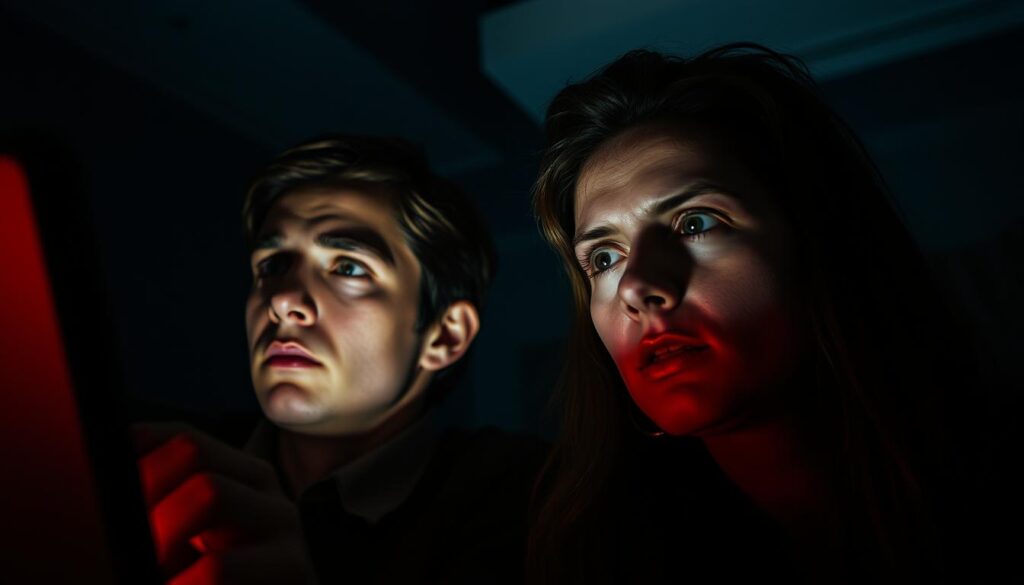
An iconic twist that reshaped modern ghost stories
M. Night Shyamalan blended classic film grammar with contemporary momentum. The reveal grows from character and theme, not just plot mechanics, so the emotional payoff deepens meaning instead of acting as a stunt.
From 1999 to the present: why the chills still work
The story structure hands clues to viewers and lets them connect dots at their own pace. That “aha” moment rewards attention and empathy, and it influenced many later stories that use breadcrumbed plotting.
- It set a higher bar for how movies can surprise honestly.
- It made the reveal part of the character arc, not a standalone trick.
- It’s a reliable rec for friends who say they don’t like horror — the human core wins them over.
For readers curious about related ideas of perception and unseen forces, see this short guide to telekinetic themes: develop psychic abilities. A well-earned twist can boost a film’s emotional reach and keep it relevant across decades of movie nights.
Story Snapshot: A Child, a Psychologist, and the Unseen
In a small, dim office, a child’s confession forces an adult to rethink what is possible and how to help.
“I see dead people”: fear, secrecy, and a path to truth
Cole Sear tells child psychologist Malcolm Crowe three simple words: “I see dead people.” That line reframes the case from gimmick to human crisis.
Cole moves from terror and secrecy toward uneasy empathy as the film treats ghost encounters as unresolved needs rather than pure menace. Malcolm’s steady listening and methodical care create a safe space for a child carrying a dark secret.
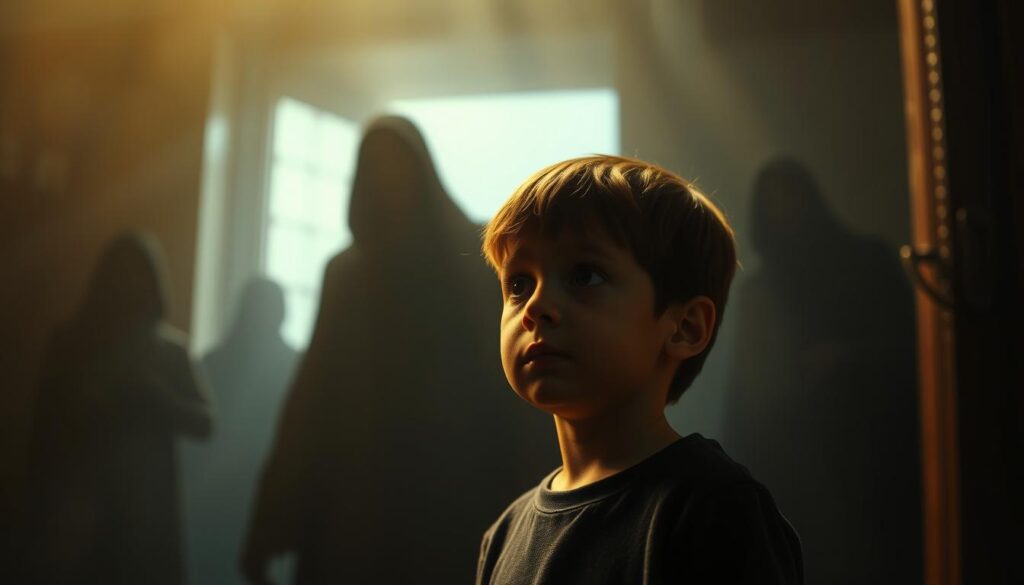
The revelation that reframes everything (spoiler-safe framing)
A careful discovery on an old session tape links a previous patient, Vincent Grey, to what Cole experiences. That moment reshapes Malcolm’s understanding and deepens the film’s emotional stakes without trading sensitivity for shock.
“I see dead people.”
The funeral scene with Kyra Collins turns supernatural elements into a humane act: exposing a truth about poisoning and protecting the living. The film’s modest scope—small rooms, quiet gestures, and close-ups—makes each encounter feel intimate and personal.
| Element | Role in Story | Effect |
|---|---|---|
| Child (Cole Sear) | Witness to the unseen | Moves fear toward empathy |
| Child psychologist (Malcolm Crowe) | Listener and steady guide | Creates trust and healing |
| Old session tape (Vincent Grey) | Connective clue | Reframes belief and truth |
Ultimately, the film treats ghostly contact as a bridge to understanding. It shows how being heard can transform isolation into growth, and how a quiet drama with supernatural threads can become a compassionate study of people learning to live with hard truths.
For readers interested in how children process unusual experiences, see this short guide to psychic children.
Performances That Make the Supernatural Feel Human
Actors here do the quiet work that makes every supernatural beat believable.
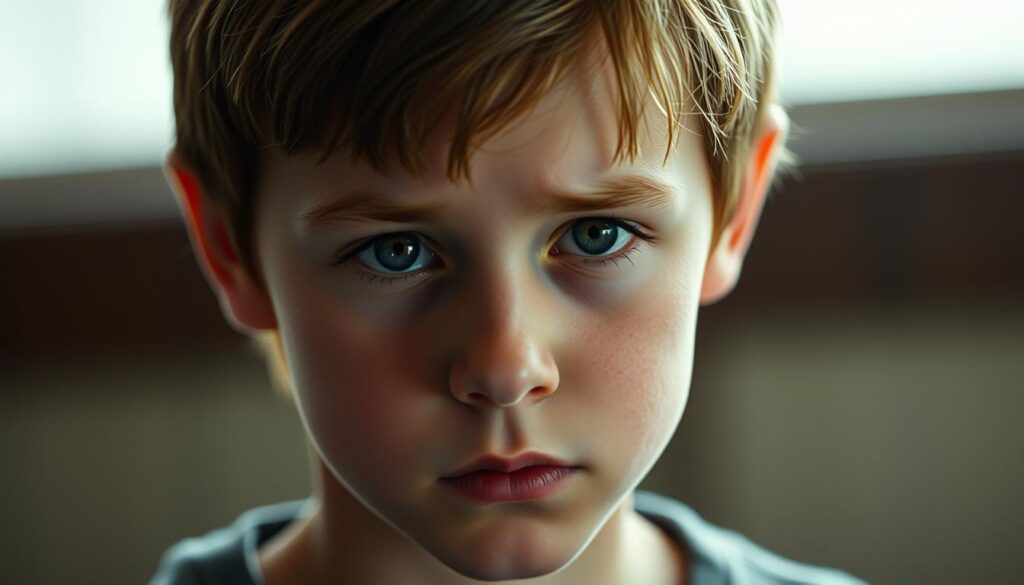
Haley Joel Osment as Cole Sear
Haley Joel Osment anchors the film with a performance that blends fear, empathy, and surprising bravery. As Cole Sear, he carries heavy scenes with a maturity beyond most child roles.
Osment earned an Academy Award nomination for Best Supporting Actor, proof the film uses the supernatural to highlight subtle, award-worthy character work.
Bruce Willis as Malcolm Crowe
Bruce Willis plays the psychologist Malcolm Crowe with restraint. His quiet gestures and steady tone let silences breathe. That restraint keeps the focus on listening and healing rather than spectacle.
Toni Collette as Lynn Sear
Toni Collette gives a textured, truthful performance as a worried, fierce mother. Her grounded emotion adds depth to every domestic scene and earned her well-deserved critical acclaim.
Supporting players, including Olivia Williams, offer calm counterpoints that deepen the story’s intimacy. Critics like Roger Ebert noted how the ensemble’s chemistry keeps the film rooted in real stakes.
| Actor | Role | Impact |
|---|---|---|
| Haley Joel Osment | Cole Sear (child) | Anchors emotion; Best Supporting Actor nod |
| Bruce Willis | Malcolm Crowe (psychologist) | Calm restraint; centers healing |
| Toni Collette | Lynn Sear | Grounded anxiety and fierce love |
The cast’s honest acting makes the sixth sense story feel human. For related ideas on perception and inner abilities, see this guide to psychic superpowers.
M. Night Shyamalan’s Direction and the Craft Behind the Haunt
M. Night Shyamalan arranges image, sound, and performance like a careful rehearsal. The director lets silence and small gestures tell much of the story.
Visual language: Tak Fujimoto’s cinematography and the meaning of red
Tak Fujimoto uses red as a visual index. A church door, a balloon, Kyra’s tent, a doorknob, and Anna’s clothing mark moments tied to the supernatural.
That selective palette trains viewers to notice patterns without explicit explanation. Shot composition often isolates characters to underline loneliness and connection.
Editing by Andrew Mondshein: breadcrumb clues and pacing
Andrew Mondshein edits with restraint. Cuts plant clues that feel natural, so rewatches reveal the craft rather than cheat the plot.
Pacing favors patient observation. The film allows scenes to breathe, which makes surprises feel earned.
James Newton Howard’s score: tension, tenderness, and release
The score balances unease and warmth. Music often swells quietly to support emotional beats rather than force cheap scares.
Writing the twist: setup, payoff, and lasting influence
The script models disciplined setup and payoff. Director night choices make the ghost elements feel inevitable and human-driven.
Lessons for storytellers:
- Prioritize atmosphere and performance over exposition.
- Use a clear visual code to cue the audience subtly.
- Hide clues in plain sight and reward rewatching.
For readers curious about related perception themes, see this short guide on psychic dreams and predictions.
From Set to Screen: Production, Release, and Reception
The path from set to widespread release explains much of a movie’s cultural reach. Production companies assembled strong backing and a clear distribution plan that helped the project break out quickly.

Studios and distribution
Hollywood Pictures and Spyglass Entertainment led production alongside The Kennedy/Marshall Company and Barry Mendel Productions. That lineup signaled serious studio faith and creative resources.
Distribution fell to Buena Vista Pictures, with Buena Vista handling international rollout and long-term catalog care. The studio partnership gave the film broad market access and strong promotional muscle.
Release facts and runtime
The movie premiered August 2, 1999, at Prince Music Theater and opened widely on August 6, 1999, in the U.S. Its runtime is 107 minutes—tight, deliberately paced, and well suited for repeat viewings.
Critical response and audience reaction
Critics and audiences reacted strongly. Rotten Tomatoes shows about 86% approval across roughly 166–168 reviews, praising classical style and modern chills. CinemaScore audiences graded it A−, which matched solid word of mouth.
Reviews singled out the performances, editing subtlety, and the director’s clear vision. That praise, combined with Buena Vista Pictures’ distribution, created a feedback loop that extended the film’s box life.
- Barry Mendel produced alongside Frank Marshall and Kathleen Kennedy, strengthening industry credibility.
- Home video success—top-selling DVD of 2000 with 2.5M+ units shipped—amplified reach beyond theaters.
Result: a thoughtfully made film with major studio backing became a must-see event, thanks to smart marketing, strong reviews, and wide distribution.
For a related look at perception and abilities, try this short test: psychic abilities test.
Box Office Phenomenon and Cultural Footprint
The film’s box office run turned a modest $40 million gamble into a global phenomenon that kept theaters full for months.
$672.8 million worldwide made it the second-highest-grossing release of 1999 and director M. Night Shyamalan’s top earner. It spent five weekends at #1 in the U.S. and set records for August and Labor Day frames, proving a character-driven picture can dominate the box.
Awards validated the craft: six Oscar nominations, including Best Picture, Best Director, Best Original Screenplay, and nods for Best Supporting (Osment) and Best Supporting Actress (Collette).
“I see dead people.”
Quotability helped the film stay in public talk for years. Strong word of mouth, positive reviews on Rotten Tomatoes, and repeat viewings kept revenue steady and influence wide.
- The run encouraged studios to fund smart, mid-budget thrillers.
- Cultural echoes appear in TV, comedy, and memes across generations.
- Box performance and artistic praise showed audiences reward careful storytelling.
For related cultural curiosities, see this note on angel number 777.
How to Watch The Sixth Sense Now
Deciding how to watch The Sixth Sense depends on whether you prize convenience, picture quality, or bonus features.
Streaming and digital
For quick access, watch the movie with a subscription on Peacock or AMC+.
If you prefer ownership, rent or buy the title digitally on Fandango at Home for instant playback across devices.
Physical media highlights
The film has a long home-media history: it was the top-selling DVD of 2000, reached Blu-ray in September 2008, and received an Ultra HD Blu-ray in October 2024.
U.S. distribution originally ran through Buena Vista under the Hollywood Pictures label, which helped its strong retail presence.
- Streaming — Best for discovery and casual viewing.
- Digital purchase — Good for building a library and quick access.
- 4K UHD — Ideal if you value low-light detail, the film’s color cues, and an immersive score.
If you love re-examining visuals and editorial clues, stream first and upgrade to the 4K disc. Check availability before planning a movie night, since platform catalogs change over years.
When buying, favor sources that offer high bitrates and extras if you enjoy behind-the-scenes craft and deeper dives into reviews and production notes.
“Test your setup—proper calibration improves dark scenes and uncovers subtle cues.”
Bottom line: today’s options make it easy to experience or rediscover the film. Choose streaming for convenience, digital for portability, or the 4K disc for the most faithful presentation.
Conclusion
This film remains a quiet, precise work that rewards calm attention and close viewing. The sixth sense is both a memorable twist and a humane story led by bruce willis, toni collette, and a remarkable haley joel osment as Cole Sear.
Director night shyamalan pairs tight direction with Andrew Mondshein’s breadcrumb editing and a James Newton Howard score to shape suspense into empathy. The film earned six Oscar nods, an 86% Rotten Tomatoes score, and an A− CinemaScore—proof that people kept telling people at the box office.
For first-timers, pick a calm movie night and let the story breathe. For collectors, the 4K Ultra HD Blu-ray (2024) is a strong, long-term upgrade. After the credits, talk about grief, connection, and letting go—this ghost story stays with you.