

Ready to grow your intuitive skills with clear, vetted options? This directory offers a practical, supportive guide to help you compare programs fast. You will find live cohorts and on-demand training to match your schedule without losing depth.
Featured providers include a structured institute with prerequisites and a free first week, a four-week online program by Manu River Del Prete with 30-day recordings, and a yoga-therapy course that adds chakras, protection work, mentorship, and 20 CEUs.
Each listing calls out outcomes, ethical frameworks, practicum access, and how mentors support integration after class. The focus is on U.S.-accessible options with clear recording and support policies.
Use this page to pick the right level for your journey, compare formats, or jump to provider spotlights. For a quick primer on core strengths you can develop, see this short guide on psychic superpowers.
Key Takeaways
- Find vetted programs that balance practice, ethics, and clear outcomes.
- Options range from live cohorts to self-paced on-demand training.
- Listings highlight mentorship, practicum windows, and recording access.
- Beginners and advanced learners both have suitable pathways.
- Consider goals like clarity, confidence, communication, or resilience when choosing.
Why a Service Directory for Psychic Development Makes Your Journey Easier
A curated list saves students hours of research by surfacing format, timelines, recordings, and community features in one place.
That clarity reduces overwhelm. When offerings map to defined learner profiles—live cohorts for accountability or self-paced options for flexibility—you can choose faster with more confidence.
The directory highlights student-focused elements like mentorship, practicum windows, and integration support. These factors often determine real-life progress after class.
Wellness-friendly paths are included for those who want gentle, grounded practices to support stress management and ongoing self-care.
- Transparent notes on prerequisites and sequencing prevent surprises.
- Third-party recognition, such as Yoga Alliance CEUs, is flagged for professionals who need documented credits.
- Side-by-side summaries plus deeper provider spotlights let you scan quickly and then dive in where needed.
Use the comparison details to shortlist programs that match your goals—community, structure, feedback, or full schedule control.
| Program Type | Format | Key Student Benefits | Notable Feature |
|---|---|---|---|
| Structured Institute | Live cohort | Mentorship, practicum, community | First week free access |
| Manu River Del Prete | 4-week online | Foundational learning, recordings | 30-day recording access |
| My Vinyasa Practice (MVP) | Self-paced | Flexible schedule, live support | 20 CEUs via Yoga Alliance |
How We Curate Psychic Development Resources and Courses
We screen programs by how clearly they map learning steps to measurable student progress. Our checklist favors transparent curriculum outlines, teacher credentials, and recognized credits like CEUs that add professional value.
Accreditation and structure matter. We prioritize training that sequences content intentionally and uses prerequisites to protect progression. Examples include BPI’s prerequisite pathway and Manu River Del Prete’s weekly syllabus with remote viewing and the history of the field.
Skills must be repeatable. We favor programs that teach protocols for remote viewing, energetic boundaries, and ethical reading frameworks. That focus helps students move from theory to reliable results.
Hands-on practice, community, and mentorship are non-negotiable. Peer practice rooms, weekly live calls, fast posting of recordings, and 1:1 support—such as MVP’s mentorship—help learners gain confidence and resilience.
“We weigh feedback that shows measurable gains in clarity, communication, and emotional stability.”

- Transparent outcomes and CEUs
- Sequenced lessons with practicum
- Community support and ethical safeguards
Start Here: Choosing the Right Course for Your Level
A smart first move is to align your current skills with a program’s pacing and mentoring style. Match your time, goals, and preferred feedback to find the best fit.

Beginner
Look for a starter course with clear fundamentals. Seek classes that define the clairs, teach basic ethics, and offer short daily practices you can do at home.
Returning learner
If you have prior training, choose offerings that refresh core abilities while layering new skills like remote viewing or subtle-body attunement.
Self-paced formats with mentor check-ins, such as MVP’s option, work well when you need schedule flexibility.
Seasoned practitioner
Advanced students benefit from structured sequences with prerequisites, practicum time, and direct feedback—paths like BPI convert strengths into reliable client work.
- Pick live cohorts for accountability or self-paced options for margin in your week.
- Scan prerequisites and sequencing so you join at the right level.
- Confirm recording windows and access policies if travel or family life affects study time.
- Set specific goals for abilities you want to strengthen, then check instructor bios to match teaching style.
Psychic development resources and courses
This snapshot compares three standout programs so you can match structure, pace, and outcomes to your study style.

Featured programs with distinct strengths
BPI — Structured sequence. Best for learners who thrive on stepwise progression. The path uses prerequisites, abundant practicum, and community support. The first week is free so you can test the pacing before committing.
Manu River Del Prete — Four-week foundational online course. This focused option covers remote viewing, the four clairs, and differences among mediumship and channeling. Each week has clear exercises and recordings are available for 30 days after the program.
MVP — Awakening Psychic Abilities (self-paced). Ideal for professionals and busy learners. It includes prerecorded lectures, ebooks, mentorship, live calls, and 20 Yoga Alliance CEUs. The emphasis is on grounding, chakras, protection, and subtle-body practice.
“Each program pairs theory with practical sessions so students turn insight into repeatable ability.”
- Match by schedule: weekly cohort, month-long intensive, or self-paced study.
- Look for practice windows and recording access to fit real-life schedules.
- Shortlist by instructor style, community size, and the specific skills you want to build.
| Program | Format | Key Skills | Access Notes |
|---|---|---|---|
| BPI | Live cohort | Ethical readings, boundaries, practicum | First week free |
| Manu River Del Prete | 4-week online | Remote viewing, clairs, discernment | 30-day recording access |
| My Vinyasa Practice (MVP) | Self-paced + mentorship | Grounding, chakras, protection | CEUs, ongoing support |
To explore how to build these skills step-by-step, see this short guide on developing abilities.
Provider Spotlight: BPI’s Structured Training Path
A clear pathway helps learners move from basics to advanced skills without guesswork. BPI reports training thousands of people worldwide with a pragmatic, sequenced curriculum aimed at mastery.

Prerequisites and sequencing for mastery
Courses are taken in order so everyone in a cohort shares a baseline. This stepwise model cuts confusion and guides progress from fundamentals to advanced application.
Community, practicum, and integration-focused learning
Hands-on practice is central. Regular practicum sessions let students apply techniques in a supportive space and get actionable feedback.
Student growth: resilience, communication, and confidence
Alumni often report clearer communication, greater emotional resilience, and stronger confidence when facing uncertainty. Community ties—friendship and peer practice—also reduce isolation.
Access note: first week free
“Try the first week free to feel the pace, humor, and teaching style before committing.”
For learners who want a mapped path, structured accountability, and plenty of live practice, BPI’s model supports steady personal growth and maturing abilities.
Featured Online Program: Harness Your Unique Psychic Gifts with Manu River Del Prete
This time-bound online program maps a practical arc for learning remote viewing, the clairs, and safe altered-state work. It blends clear context from the history of these practices with hands-on drills so students build confidence fast.

Core topics: remote viewing, the four clairs, and more
Core content includes remote viewing basics, the four clairs, and how to read people and situations with consent and clarity. The course clearly differentiates psychic reading, mediumship, and channeling for better scope of practice.
What you’ll learn in four weeks
| Week | Focus | Practice |
|---|---|---|
| 1 | Clairs development | Daily sensing exercises |
| 2 | Remote viewing basics | Controlled target sessions |
| 3 | Ethical readings & distinctions | Role-play with consent |
| 4 | Altered states: dreams, telepathy, astral travel | Guided explorations |
Beginner-friendly, valuable for all levels
The four-week format suits beginners while offering advanced drills for experienced students. Recordings post to the portal within 72 hours and remain available for 30 days so you can review practice sessions.
“Track shifts weekly: note changes in perception, clarity, and confidence.”
Instructor note: Manu River Del Prete brings energy healing, regression therapy, space clearing, and channeling experience to the work. If you want a focused, time-bound online course that creates momentum, this program is a strong fit. Consider pairing study with a short psychic readings check-in to measure growth.
Course Profile: Awakening Psychic Abilities by My Vinyasa Practice (MVP)
This self-paced offering uses grounded yoga tools to guide sensitivity without overwhelm. It suits people who want a blend of spiritual practice and professional wellness skills.
Grounded approach: chakras, subtle bodies, and protection
Practical yoga therapy informs the curriculum. Students learn chakra balancing, subtle-body attunement, protection techniques, and archetypes so sensing becomes steady, not frantic.
Format: self-paced, prerecorded lectures, ebooks, mentorship
The format is remote with prerecorded lectures and downloadable ebooks. Mentorship and 1:1 support help personalize practice and troubleshoot challenges.
Continuing education: 20 CEUs through Yoga Alliance
Twenty CEUs make this a clear pick for yoga teachers and wellness pros tracking continuing education credits. A centralized dashboard keeps downloadable resources and notes organized.
Who it’s for: yoga teachers, healers, spiritual seekers
Weekly live calls and business-hour support provide accountability in a flexible model. Instructors include Michelle Young, C-IAYT, Tara Cleven E-RYT 500/C-IAYT, and Maire McGlasson E-RYT 500, which adds clinical rigor and safety to the training.
“Use the mentorship and 1:1 sessions to tailor meditations that clear energetic blockages and build confidence beyond the mat.”
- Practical meditations for grounding and clearing.
- Weekly live calls plus live support during business hours.
- Designed to integrate intuitive skills into wellness offerings.
Curriculum Deep Dives: Skills You’ll Actually Practice
This section shows the exact practices you’ll repeat to build reliable skills and steady intuition. Expect short, focused routines you can use before sessions and in daily life.

Meditations for grounding, clearing, and energetic boundaries
Start each session with a one- to five-minute grounding meditation to stabilize attention. Follow with clearing breaths or a quick chakra reset to remove noisy input.
Boundary exercises train you to notice when other people’s energy appears. These drills help you step back, protect focus, and stay safe during readings.
Reading people and situations ethically
Practice using consent-first protocols and neutral questions. This protects the client and improves data quality.
Role-play scenarios and controlled remote-viewing drills teach verification habits. They sharpen how you separate signal from background noise.
- Daily grounding and clearing routines to steady perception.
- Energetic boundary work to manage inputs and protect focus.
- Clairs training to develop seeing, sensing, knowing, and hearing.
- Ethical protocols: scope, consent, and no leading prompts.
- Remote-viewing exercises for focus and verification.
- Journaling impressions, validating hits, and refining technique.
- Healing-oriented practices to shift energetic blockages and support regulation.
“Repetition plus reflection converts techniques into reliable, embodied abilities.”
| Practice | Purpose | Frequency |
|---|---|---|
| Grounding meditation | Stabilize attention before work | Daily, 1–5 minutes |
| Energetic boundary drill | Notice and manage outside inputs | Weekly practice in pairs |
| Remote-viewing drill | Sharpen focus and verification | 2–3 short sessions per week |
| Clairs refinement | Identify strongest abilities | Daily micro-practices |
Practical tip: Block consistent practice windows and swap peer sessions to accelerate progress. Over time, journaling hits and misses will make perception more reliable and grounded.
Learning Pathways: From Foundations to Advanced Practice
Think of learning as linked steps: a firm foundation, deliberate integration, then targeted specialization.
Start with orientation. Take a foundational module to master basic techniques, grounding, and consent protocols. This step builds reliable practice habits.
Layer intermediate work. Add specialized training like remote viewing or subtle-body attunement to widen skills while keeping core routines steady.

- Why sequencing helps: prerequisites prevent gaps that slow progress when you move into client work.
- Use peer practice and mentorship as scaffolding to safely test new abilities.
- Regular self-assessments tell you when to shift from practice spaces to real-world sessions.
- Return to fundamentals whenever readings feel unclear; clarity often follows review.
“Complete one focused module, integrate for several weeks, then choose the next aligned step.”
| Phase | Focus | Timing |
|---|---|---|
| Foundations | Grounding, ethics, core techniques | 4–8 weeks |
| Intermediate | Integration, peer practicum, niche skills | 8–12 weeks |
| Advanced | Client work, specialization, supervision | ongoing |
The Role of Community, Mentorship, and Practicum
A supportive circle gives honest feedback that uncovers blind spots sooner than solo work.
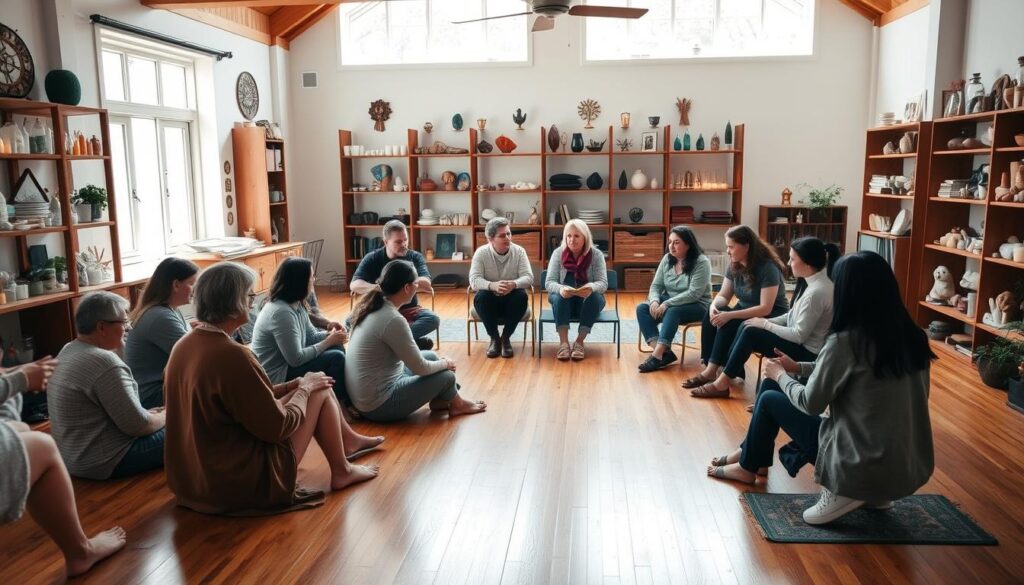
Peer practice in a safe space speeds learning. Practicing with partners reveals habits you miss when working alone. Immediate feedback builds confidence and sharpens technique.
Mentorship shortens the learning curve. Expert guides translate theory into repeatable abilities. MVP’s 1:1 support and BPI’s dedicated practicum show how guidance turns concepts into usable skills.
Why partner work matters
Structured programs create a steady rhythm: learn, apply, reflect. Regular practicum sessions help students move from trial to reliable performance.
Live calls, Q&A, and recordings keep progress steady. Manu River Del Prete’s timely posting of recordings helps you rewatch tricky segments and track growth over time.
“Feeling witnessed and supported reduces self-doubt and normalizes the learning curve.”
- Peer pairs expose you to varied reading styles and strengthen adaptability.
- Community accountability encourages consistent practice and healthy boundaries in daily life.
- Choose a course that blends guided practice with optional peer meetups for extra reps.
| Element | What it offers | Example program |
|---|---|---|
| Peer practice | Fast feedback, blind-spot detection | BPI practicum rooms |
| Mentorship | Tailored instruction, technique tweaks | MVP 1:1 support |
| Live calls & recordings | Real-time troubleshooting; replay for review | Manu River Del Prete recordings |
Format Comparison: Live Cohorts vs Self-Paced Courses
Choosing format affects how quickly you translate study into reliable skill. A live cohort builds momentum through shared timelines, real-time feedback, and scheduled practice windows.
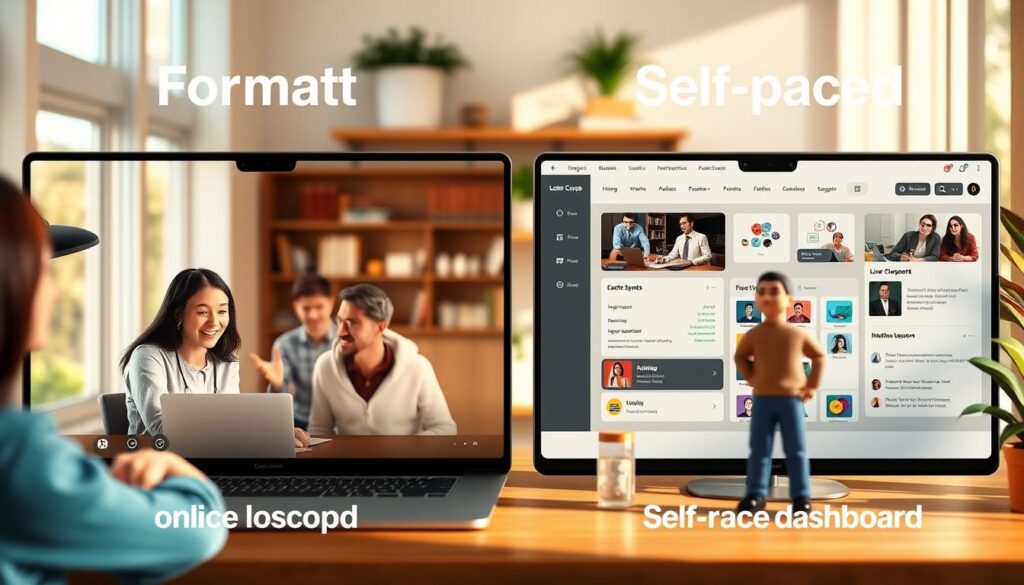
Accountability, flexibility, and access windows
Live online course formats like BPI emphasize live practice and practicum. They give immediate correction, steady peer rehearsal, and stronger community bonds that speed calibration.
Self-paced formats such as MVP offer prerecorded lectures, ebooks, mentorship, and weekly live calls. These let you revisit content while balancing study with work or family.
Compare access windows carefully. Manu River Del Prete posts recordings within 72 hours and keeps them for 30 days. Time-limited archives push quick review; ongoing dashboards invite deeper, repeated study.
- Live cohorts: accountability, fast feedback, strong community.
- Self-paced: flexibility, repeated exposure, personal scheduling.
- Hybrid path: start live for foundation, then use self-paced modules for refinement.
“Choose the format that removes barriers to consistent practice—consistency predicts progress.”
Both formats can advance your learning and growth in psychic abilities. Weigh schedule reliability, preferred communication style, and need for external structure when you decide. For quick browsing of options, see the program directory.
Integrating Psychic Development with Wellness and Everyday Life
Simple daily habits—grounding, breath work, brief sensing exercises—help translate learning into stable living. These small practices fit before a meeting, after school drop-off, or during a short break.
Try a two-minute routine: ground, center, clear. Pair that with one micro clairs drill or a quick breath check to keep perception steady without adding stress.
Why it matters: regular energetic hygiene supports emotional regulation, clearer communication, and calmer decision-making at work and home.

- Link intuition practice to wellness: pair breath work with a short sensing exercise.
- Journal impressions and validate hits to build self-trust and sort intuition from worry.
- Set boundaries—what you’ll read, when, and how you’ll recover—to protect energy.
- Blend gentle movement or yoga with meditative resets to release tension and sharpen perception.
“Steady, compassionate practice yields more healing and usable insight than occasional deep dives.”
For a short primer on practical intuition tools, see this intuition guide.
Ethics and Safety: Working with Energy Responsibly
Good practice begins with plain language about scope, consent, follow-up care.

Define scope before a session. Tell clients what you will cover, what you will not, and get explicit consent. Clear limits reduce harm and build trust.
Learn the history behind techniques so you understand why safeguards exist. Context from the wider world of practice explains boundaries that protect both parties.
- Start with grounding; end with a closing ritual to clear lingering fatigue.
- Establish energetic boundaries, use protection methods, then offer aftercare steps.
- Keep language respectful, avoid medical, legal, financial advice outside training.
- Navigate sensitive topics gently: offer reflections not deterministic claims; honor client autonomy.
- Document policies on cancellations, recordings, data privacy to stay transparent.
Ongoing learning matters. Choose courses that include explicit ethics modules plus supervised practicum for real-world feedback.
“An ethical mindset is a continual step of reflection, supervision, and community accountability.”
| Practice | Why it matters | Quick step |
|---|---|---|
| Consent & scope | Prevents misunderstandings | Read a short agreement at start |
| Grounding & close | Protects energy levels | 1–3 minute grounding before and after |
| Cultural sensitivity | Respects diverse backgrounds | Ask questions; avoid assumptions |
Support and Accessibility: What Students in the United States Can Expect Today
Accessible learning starts with predictable timelines for recordings, easy instructor contact, and inclusive materials.
Live support, recordings timelines, and ongoing access
Typical U.S.-friendly support includes clear posting windows for sessions, defined access lengths, and straightforward ways to reach staff. Manu River Del Prete posts recordings within 72 hours and keeps them for 30 days. BPI offers a free first week so you can test fit before paying.
Why timelines matter. Programs that upload replays quickly help you keep momentum when work or family shifts your schedule. Weekly live calls and office hours provide fast answers for tech issues and practice troubleshooting.
MVP combines prerecorded lectures, ebooks, weekly live calls, business-hour help, mentorship, plus 1:1 support. Dashboards often centralize materials—lectures, assignments, transcripts—so tracking progress is easier.
Accessibility and planning tips: confirm captions or transcripts for health needs, check time zones for live events, and ask whether replays preserve chat or Q&A. Also ask about alumni groups for ongoing peer support.

“Entry-friendly policies like a free first week lower barriers to trying a new learning environment.”
| Support Element | What to expect | Example |
|---|---|---|
| Recording timeline | 72 hours to post, 30-day access | Manu River Del Prete |
| Live support | Weekly calls, office hours, tech help | MVP |
| Trial access | Free first week to sample format | BPI |
Real Results: Student Experiences and Outcomes
Alumni report concrete shifts. Many say the work improved mood regulation, sharpened communication, and built steady routines that carry into daily life.
Confidence, stability, and personal transformation
Students from BPI note better mental health stability over the past year. They describe the training as accessible, deep, and often unexpectedly fun.

Common outcomes include clearer boundaries, reliable techniques for sessions, and more confidence when reading ethically.
- Improved communication and resilience that translate into everyday life.
- Regular practice turns hesitation into steady presence.
- Mentorship and community ease dips and plateaus along the journey.
“Reflective journaling helped me trust impressions and notice steady gains in mood and focus.”
Practical note: set simple metrics—clarity, calm, client feedback—to track progress during your training. Over time those small wins add up to meaningful life changes.
How to Enroll and Get the Most from Your Training
Decide what you want to change first. Before enrolling, write one clear outcome you want in six weeks. That aim will help you select the right course and focus when practice time is tight.
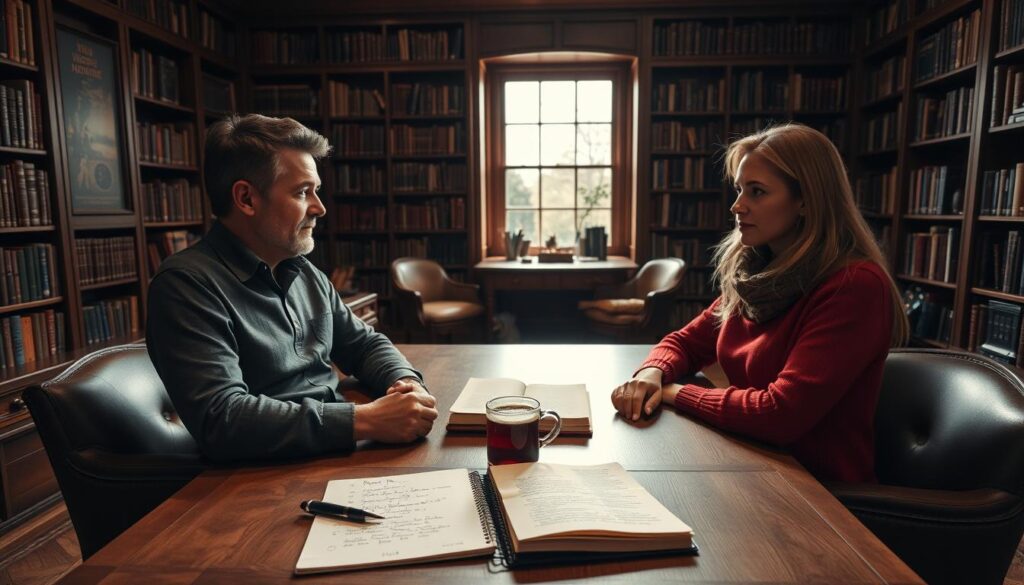
Setting intentions, journaling, and consistent practice
Set a weekly rhythm. Block realistic slots for lessons, practice, and journaling. Small, regular reps beat rare marathon sessions.
Keep a learning journal. Note impressions, validations, and questions to bring to mentorship or live calls. Over time entries show clear trends you can measure.
- Enroll after clarifying your top intention so each step supports that aim.
- Use recordings strategically: rewatch tricky segments and jump to Q&A highlights.
- Join practicum and peer exchanges early to speed feedback loops and confidence.
Protect your energy with simple boundaries around work and rest. Close each session with a short clearing ritual so study stays sustainable.
“Take advantage of mentorship and 1:1 support to personalize technique and solve sticking points.”
Celebrate progress. Review wins monthly, adjust plans, and honor your unique gift and pace. The goal is steady, ethical growth that fits how you want to serve.
Conclusion
Choose one course now, commit to regular practice, and use mentorship and peer practice to stay engaged. This directory showed structured sequences like BPI, a focused four-week option from Manu River Del Prete, and MVP’s self-paced path with CEUs and live support.
Consistent practices plus ethical guardrails are the throughline for reliable growth in psychic abilities. Small daily routines build steady skill that carries into work, relationships, and clearer decision-making.
Shortlist two programs, join an info session or sample class, and schedule your first study session. Keep this directory as a living tool as your needs evolve—kind, steady study will support your health and real-world service in a complex world.