

Ingo Swann shaped a method that many still follow today. His work became the backbone for programs that taught people how to gather subtle information about the physical world.
The International School of Clairvoyance offered a 10-week course that gave students a clear tool bag for intuitive development. Regular practice each week helped learners see how mind and matter interacted over time.
Whether you chose a beginner class or an advanced course, structured study made progress measurable. Many reported accessing details that were otherwise hidden, and seminal books preserved Swann’s gold-standard protocols for years.
For more options and development paths, explore guided services at psychic development services. A steady program can turn curiosity into skill.
Key Takeaways
- Ingo Swann created foundational protocols still taught today.
- Structured programs, such as a 10-week course, built practical skills.
- Weekly practice helped students connect mind and world.
- Both beginner classes and advanced modules were available.
- Many found access to hidden information with proper guidance.
Understanding the Foundations of Ingo Swann’s Methodology
At the Stanford Research Institute, researchers turned informal psychic claims into repeatable procedures. That work produced a structured approach now known as controlled remote viewing. Over more than 40 years, this method became a reliable framework for people studying subtle perception.

The Origins of Controlled Remote Viewing
The SRI experiments with Hal Puthoff and Ingo Swann created stepwise protocols. These protocols made it possible to test claims scientifically. 1980s research helped separate this method from traditional clairvoyance by introducing controls and blind targets.
Distinguishing RV from Clairvoyance
Many students find the structured approach yields clearer information than spontaneous flashes. A well-regarded book traces how teaching evolved after the military Stargate era and why disciplined practice matters. By studying that history, people gain context and learn why this subject remains valued across the world.
- Key point: Protocols create repeatability.
- Key point: Research added scientific rigor in the 1980s.
- Key point: Structured classes and a good course help build skill.
For options that map history to practical study, consider exploring psychic development schools.
Selecting Remote Viewing Training Courses Based on Ingo Swann
Choosing the right program means checking instructor credentials, class size, and how lessons follow original protocols.
Look for teachers with real-world ties to the Stargate era. Paul H. Smith, for example, is one of the few instructors who still teaches the original controlled remote viewing method.
Small classes matter. Plenty of 1:1 attention speeds skill growth and helps people get targeted feedback. A supportive space for practice keeps learners focused and confident.
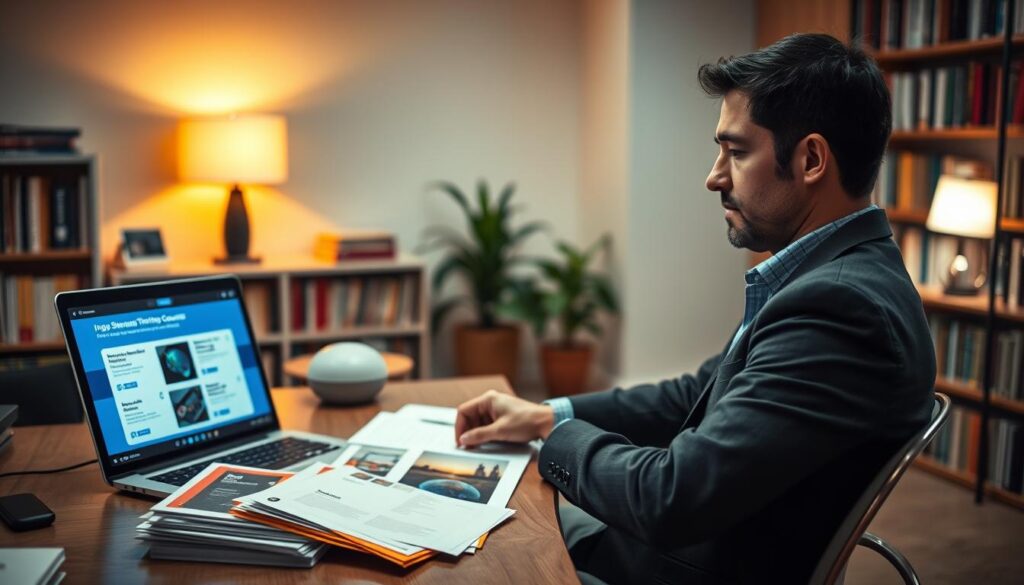
Research an instructor’s background. The best teaching often comes from those who studied archives and wrote or referenced a reliable book. Ask about week-by-week structure and how the program enforces core protocols.
- Look for: archived research experience and proven mentors.
- Prefer: small class sizes and regular practice sessions.
- Ensure: the format—live or book-led—matches the original, rigorous form.
Mastering the Core Protocols and Techniques
A solid protocol keeps a session focused and helps capture meaningful impressions.
Stage One and initial probing set the tone. Debra Lynne Katz, Ph.D., stresses that early signal checks prevent wasted time and false leads.
Stage One and Initial Probing
Begin with neutral cues and short probes to record raw impressions. This helps a remote viewer separate first sensory data from later analysis.
Managing Mental Noise and Analytic Overlay
Analytic overlay can mask true data. Practice naming thoughts as thoughts and returning to sensory phrases like “metal,” “wet,” or “angle.”
“Labeling analytic thoughts quickly is the single best habit for consistent sessions.”
Utilizing Sketches and Summarization
Students get homework each week to sketch, describe, and summarize. These short reports build a clear record of impressions and improve long-term learning.
Working with photos or simple objects sharpens technique. The International Remote Viewing Association research supports structured steps for better results.
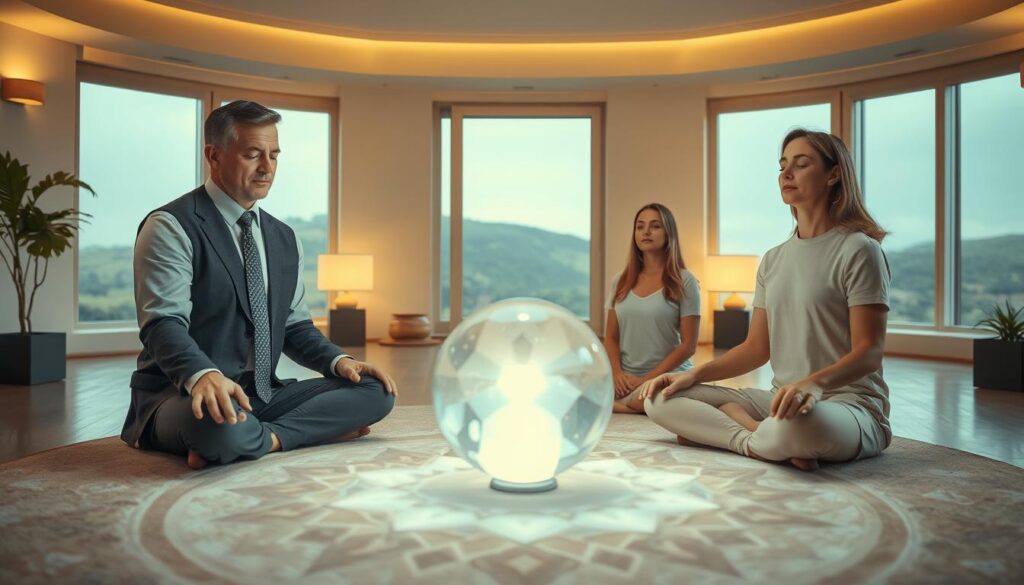
- Use short probes first.
- Label thoughts to reduce overlay.
- Practice sketching daily as homework.
| Technique | Purpose | Typical Homework |
|---|---|---|
| Stage One probing | Capture raw sensory impressions | 5 quick probes per session |
| Analytic labeling | Separate mind chatter from data | Note and discard 3 overlay items |
| Sketch & summary | Document and compare results | One page sketch + 100-word summary |
Every class is designed to answer the core question of how to use intuitive skills in a controlled way. For guided development and practical sessions, see psychic mediumship workshops and classes.
The Importance of Consistent Practice and Mentorship
A steady habit of short, focused sessions builds the system that produces repeatable results. Regular practice is the only way a remote viewer can keep quality high over time. Dedicate several days each week to drills, sketches, and brief probes to make technique automatic.

Mentorship completes practice. Good mentors review homework targets and give clear feedback on session structure and analytic overlay. An objective monitor helps students learn what counts as data and what is interpretation.
The Role of Feedback and Evaluation
Instructors often use group classes and Zoom sessions so people can share sketches and photos with others. That social feedback spotlights patterns and speeds learning. A mix of targets expands your reach and prevents habit bias.
- Homework review: precise notes and constructive critique.
- Monitor role: objective guidance to improve results.
- Practice rhythm: short sessions several days a week to build skill.
For guided mentoring that pairs regular practice with detailed feedback, consider mentoring sessions. They offer a clear way to track progress and answer the question of how to stay focused during a target session.
Final Thoughts on Your Remote Viewing Journey
Starting this path invites you to expand how your mind senses subtle patterns in the world. Embarking lets people tap into deep potential and explore beyond ordinary perception.
By committing to short, steady practice, your skill to gather clear information improves. Treat mastery as a marathon; every session matters and builds reliable ability for viewing and insight.
Stay connected with other practitioners and share progress. For those seeking formal steps, consider a psychic development certification as part of ongoing study. Trust your instincts and use them to navigate the physical world with greater confidence.