

Quick guide: This intro frames recent predictions tied to Athos Salomé, a Brazilian psychic who has drawn attention for several high-profile calls. He claims signs of extraterrestrial life may surface in the near future, citing planned missions to Europa and new seafloor research.
Media interest rose after his credited hits, including major global headlines and sports surprises. That coverage pushed his name into the news cycle and made more people follow his timing.
This explainer summarizes key claims, separates speculation from verifiable science, and notes expert views. We point to mission windows between 2026 and 2028 and to scientific work on deep-sea oxygen that some cite as a clue.
Read on to see clear timelines, who is watching these signals, and how to track developments in real time. For background on related symbolism and number claims, visit this brief resource.
Key Takeaways
- Athos Salomé links space missions and seafloor studies to his predictions.
- High-profile media hits raised public interest.
- Experts say a habitable-world find would reshape society.
- We separate verifiable events from speculation for clarity.
- The timeline focuses on the next few years and U.S. relevance.
Why 2028 Is in the Headlines: The “Living Nostradamus” and a Future-Shaping Timeline
A sequence of public hits pushed this mystic into broader media coverage and public debate. Athos Salomé, 37, is widely called the living nostradamus after media linked his calls to major global events, including the death of Queen Elizabeth II and high-profile business moves.

Athos Salomé’s profile
Salomé’s rise followed several timely claims that caught attention. Reporters began tracking his timeline and citing his name in U.S. news.
From 2026 to 2028: scientific milestones
He points to a 2026–2028 window tied to NASA and ESA missions to Europa and seafloor studies on “dark oxygen.” Caltech’s Jessie Christiansen says finding a habitable world in our lifetime is plausible, though locking a single prediction to exact dates remains speculative.
How fringe claims entered mainstream attention
A mix of striking claims, repeatable hits, and strong headlines turned niche chatter into national conversation in the united states. That pattern shows how a string of notable events can push a voice from fringe to front-page discussion.
- High visibility: linked forecasts and headlines
- Science tie-ins: Europa missions and dark oxygen research
- Public impact: policy, education, and religious debate
| Item | Detail | Implication |
|---|---|---|
| Profile | Athos Salomé, 37, labeled living nostradamus | Media traction and public interest |
| Science window | 2026–2028: Europa missions, dark oxygen studies | Possible signs of life, policy debate |
| Public shift | From fringe to U.S. news cycle | Broader conversations on education and belief |
For background on related symbolism and number claims, see this related resource.
What does Nostradamus say about 2028: key predictions, people, and events
Several forecasts outline a linked set of risks that could shape the coming years. They combine claims about space science with threats to core systems and political flashpoints.
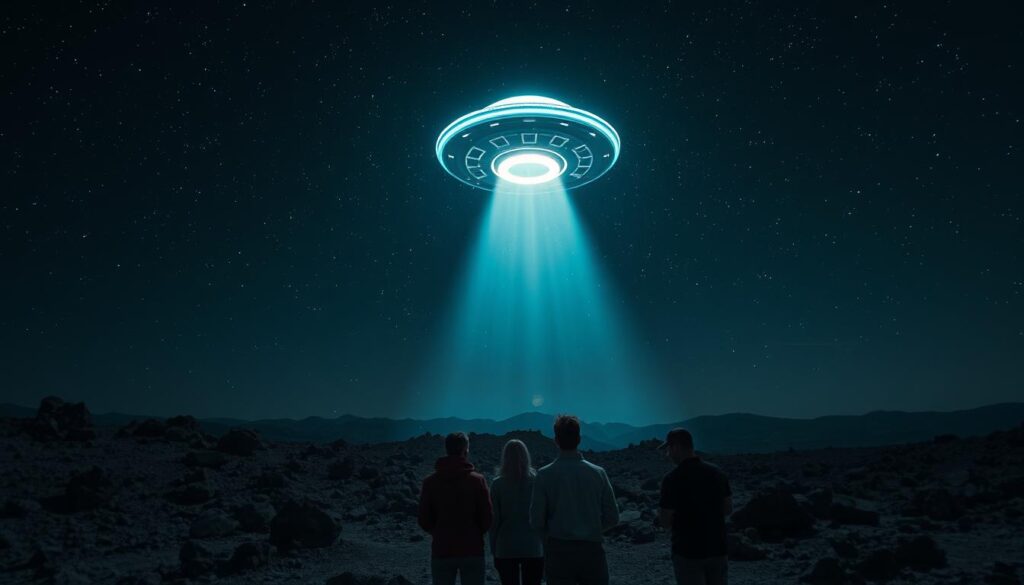
Extraterrestrial life claims
Prediction: Credible signs from Europa missions and “dark oxygen” studies could prompt broad debate. Scientists may report anomalies that many people read as evidence of life.
United States under strain
One scenario warns of economic collapse pressures that ripple through markets and daily life. That could stress public services and test system resilience.
“Digital 9/11” and orders
A large-scale cyberattack could target power grids, banks, and internet backbones, causing multiweek outages. Rapid executive orders might follow to restore services and calm markets.
Politics, presidents, and arrests
The narrative spotlights donald trump’s power struggles and potential legal fights. A claim also mentions the possible arrest of a former president on international charges, a move that would reshape public trust.
War and civil conflict signals
Warnings include a slow-motion civil war dynamic and the risk of great-power blame after a cyberstrike, increasing the odds of wider geopolitical war.
| Category | Core claim | Potential impact |
|---|---|---|
| Extraterrestrial | Europa missions; dark oxygen data | Public debate; scientific reevaluation |
| Cyber | Large-scale attack on infrastructure | Outages; emergency orders; attribution fights |
| Politics | Power struggles; possible arrest | Constitutional stress; public unrest |
| Economy | Dollar shake-up; collapse risks | Market disruption; household strain |
For related site policies and tracking, see our privacy policy.
Context and credibility check: separating historical apocalyptic narratives from today’s predictions
Apocalyptic lists are an old cultural tool, resurfacing when people seek clear answers to messy threats.
Historically, end-time forecasts often match eras of war, famine, or fast social change. That pattern helps readers see viral claims as part of a long list of recurring narratives rather than unique signals.
Psychologists note people turn to these narratives to manage fear, find meaning, or feel less powerless. Surveys show higher belief rates among younger and lower-income groups, with the United States often reporting larger shares than some European nations.

Expert and agency perspectives
Astronomers and agencies frame discovery as probabilistic. They stress evidence thresholds and repeatable verification over fixed years or exact predictions.
“Breakthroughs depend on data and replication, not deadlines,” — scientific consensus paraphrase
Keep power dynamics in mind: sensational claims spread fast, while careful context arrives slowly. Balance curiosity with verification and consult reputable sources, such as our page on psychic predictions, for tracking claims responsibly.
| Topic | Common claim | Credibility note |
|---|---|---|
| Historical lists | Repeated end-time timelines | Reflect social stress; low predictive value |
| Psychology | Fear and meaning-making | Explains public appeal |
| Science | Rapid discovery claims | Requires evidence and replication |
Conclusion
As timelines tighten, the clearest measure will be whether mission data and official reports back up the bolder claims.
Key watchpoints remain clear: Europa mission windows, U.S. financial signals in the next few years, and resilience against major cyber incidents. Monitor indicators of credit, liquidity, employment, and infrastructure for any real sign of system stress.
Political headlines — including coverage involving donald trump or another president — will drive intense media cycles. Treat each item in the news as a data point, not a verdict.
Prior hits such as a royal death can make predictions feel compelling, but they do not prove accuracy for science, economy, or security claims. For tracking related symbolism, see this angel number 5858 guide. Stay curious, verify sources, and let time confirm which predictions matter.