
Combine single meanings into a clear, action-ready story. This short guide shows how linked cards shift a lone symbol into a nuanced message you can trust.
We’ll focus on the Knight of Swords and its pairings to show how one figure changes when paired with others like The Fool, Seven of Wands, Two of Pentacles, Queen of Swords, and Five of Cups.
You’ll learn a step-by-step method, quick validation checkpoints, and real examples that speed up your reading while keeping intuition front and center.
Expect practical tips for spread positions, question context, and modern helpers such as Tarotnauts and lists like those on Astrology.com. By the end, scattered symbols become a grounded narrative you can use today.
Key Takeaways
- Linked meanings turn isolated notes into a coherent story.
- Learnable steps speed readings and add helpful nuance.
- Practical checkpoints help confirm your interpretation.
- Examples with the Knight of Swords show flexible meanings.
- Tools like Tarotnauts save time without replacing intuition.
Foundations: What tarot combinations mean in a spread
First, see how paired cards turn separate notes into one practical insight tied to time and place.
Single meanings act like ingredients. When you place two or more together, they blend into a new flavor. That blend depends on where each card sits and the question you asked.
From single meanings to blended messages (past, present, future)
Positions change tone: a past slot explains why something started, a present slot shows current energy, and a future slot points to likely next steps.
The same pair can mean impulsive choices in the past, decisive courage now, or strategic momentum ahead. Look at timing clues across the spread to spot urgency or patience.
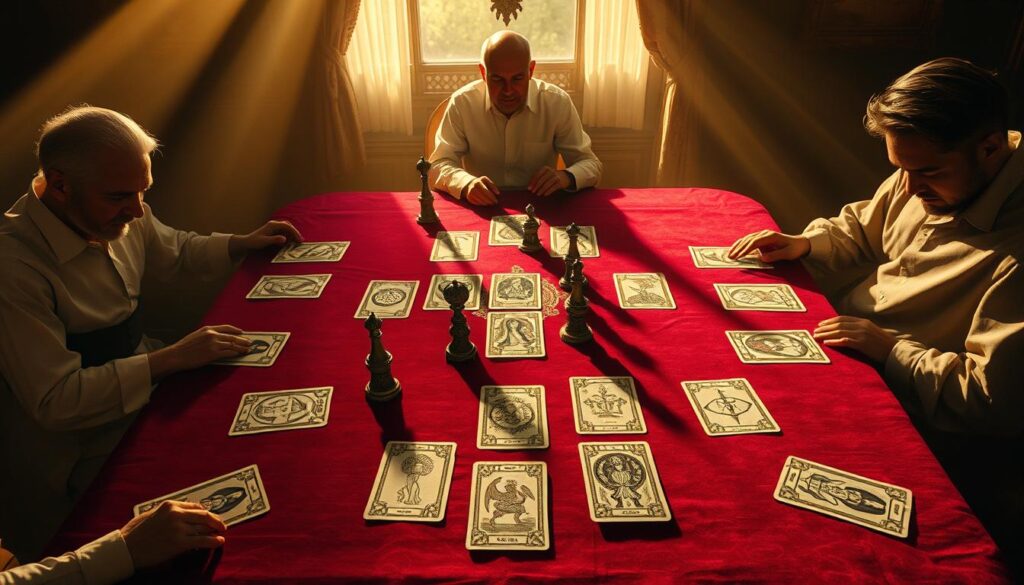
Context matters: positions, questions, and the overall spread
Your central question filters meaning. Work questions highlight action and planning. Relationship queries bring up communication and boundaries. Wellness reads focus on pace and sustainability.
- Simple two- or three-slot spreads make links obvious.
- Larger spreads force you to weigh more connections at once.
- Note elemental echoes (fire, water) and numbers for reinforcement or clash.
| Spread Slot | Typical Focus | How Pairs Shift Meaning | Timing Cue |
|---|---|---|---|
| Past | Causes, backstory | Explains origin, learning point | Legacy or pattern |
| Present | Current dynamics | Shows active choices or barriers | Immediate action |
| Future | Likely outcome | Projective momentum or warning | Next steps or timing |
For quick practice, try different spread options and note how the same pair shifts with slot and question. Translate images into plain, actionable language so your reading lands clearly.
How to read tarot card combinations: A step-by-step method
Set a sharp, actionable question first, and choose a spread size that fits your goal. Two- or three-card layouts work for quick clarity. Use larger spreads when you need layered context.
Set the question and choose the spread for your reading
Keep the ask specific: frame what you need to decide or understand. Match the spread to the scope—small for timing, larger for motives and outcomes.
Identify anchor cards, clashes, and supportive energies
Spot dominant symbols first. Majors, court figures, or high-contrast minors often act as anchors. Note where suits or numbers repeat to find support or tension.

Map positions to time frames (past, present, future) and themes
Assign each slot a clear time label: past shows cause, present shows current leverage, and future points to the decision window. Use these tags to keep interpretations orderly.
Synthesize meanings: turning separate cards into one clear story
Weave each card’s note into a single sentence that answers the question. Trim imagery that doesn’t move the answer forward and replace vague language with concrete steps.
Validate your interpretation and note actionable takeaways
Cross-check conflicting signals by sequencing actions (act on A, pause B until C happens). Offer 1–3 time-bound takeaways. For a quick reference on emotional detail, see a focused explainers like this three of swords guide.
Real-world examples: Knight of Swords combinations in readings
These case-style readings show practical choices you can make when the Knight of Swords appears alongside other cards.
Knight + The Fool: Take a calculated leap
Action: Move fast toward a value-aligned chance, but set one safety check this week.
Knight + Seven of Wands: Stand your ground with clarity
Tip: Say your position plainly. Prepare three points and stay calm when challenged.
Knight + Two of Pentacles: Act fast, but keep balance
Prioritize two tasks. Time-box decisions and watch resources so speed doesn’t cause chaos.
Knight + Queen of Swords: Lead with logic and eloquence
Trim emotional noise. Draft a concise plan and use clear, respectful language to move others.
Knight + Five of Cups: Move through loss toward what remains
Name the loss, then pick one rebuilding step. Commit to a small milestone for the coming week.
| Pair | Quick Advice | Spot Reversal |
|---|---|---|
| Knight + Fool | Launch with one safety check | If reckless, pause and reassess |
| Knight + Seven of Wands | State facts, stay composed | Defensiveness—switch to fact-first talk |
| Knight + Two of Pentacles | Time-box top two priorities | If juggling fails, slow and replan |
| Knight + Queen of Swords | Lead with clarity and boundaries | Cold distance—add empathy |
| Knight + Five of Cups | Move from grief to one action | Stalled by dwelling—choose a tiny step |
For a quick reference on how this shows up in different slots (past, present, future), see an example read here: Knight of Cups guide.
Using a tarot combination calculator to speed up your interpretations
When you need a fast read, a focused calculator pulls together learned meanings so you keep your flow. A combination calculator lets you select the cards, then it returns recognized interpretations for those pairings to jump-start synthesis.
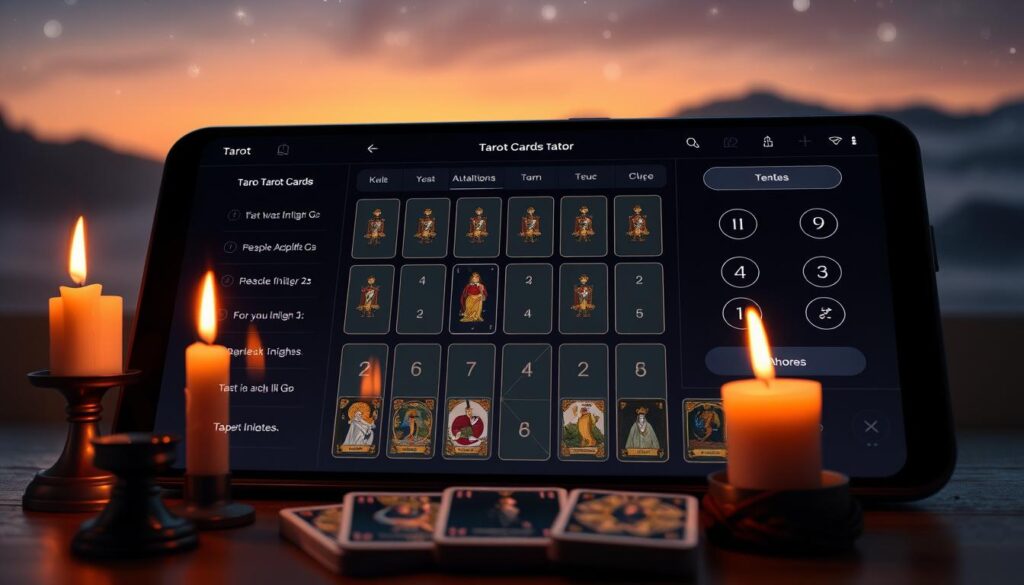
How a combination calculator works and when to use it
Pick cards, get concise definitions, and use those notes to build your answer. Best for quick daily draws, clarifications mid-spread, or learning how certain pairings interact across suits and archetypes.
Streamlined tools like Tarotnauts
Tarotnauts offers free 2-, 3-, and 4-card lookup plus a Yes/No wheel. It explains definitions and linked meanings automatically so you avoid clunky lookups and keep session momentum.
Common pitfalls and cross-checks
Do not lean solely on templates. Use the tool’s output as a starting point. Cross-check suggested themes against suit balance, anchor cards, and time indicators.
Workflow tip: Pull your spread, enter key pairs or triads into the calculator, copy the clear notes, and adapt them to the question. Save frequent snippets to speed future reads and keep your unique voice.
Try a live reading for practice at psychic readings.
Conclusion
Finish strong by shaping paired meanings into one concise direction that points to a next step.
Blend each element by honoring position, timing, and the question so every card adds to a single, useful answer. Define the ask, pick the right spread, spot anchors and tensions, synthesize, then validate and list one to three actionable steps.
Practice daily: choose one card and test three different pairings to watch how context shifts meaning. Save your best phrasing and build a small library organized by theme and combination.
Use calculators to speed lookups, but keep your judgment in charge. Now pick one area of life, run a short reading, and turn that insight into one decisive action this week.
For a practical reference, see this tarot guide.