

This professional guide maps the most effective systems you can add to a client-facing practice today. It lays out mindset tuning, energy hygiene, skill practice, and fieldwork logistics in clear, usable form.
Expect a balanced view that pairs evidence-informed thinking with real practitioner stories from outlets like Big Séance and Psychic Matters. Small development circles and mentorship are shown as powerful multipliers for consistency and ethics.
You’ll find layered options—from inner work to tech—so you can pick what fits your business and the people you serve. The guide also covers recording, documentation, and feedback loops to track outcomes over the life of a practice.
Use each section as a modular step. Pick and sequence modules to match your model. An intentional approach shortens time to results in the real world of readings and teaching.
Key Takeaways
- Framework covers mindset, body-energy care, core skill practice, and fieldwork logistics.
- Community, circles, and supervision boost skill retention and ethical standards.
- Evidence-informed plus experiential learning speeds real-world results.
- Podcasts and audio keep the mind engaged with current topics and interviews.
- Recordings and feedback loops help track client outcomes and growth.
Why This List of Psychic Development Tools Matters for Professionals Today
Using proven methods and reputable media shortens the learning curve and strengthens client trust.
Client expectations have shifted in the United States. People now want clarity, structure, and a clear purpose behind readings and teaching.
Belief calibration helps set realistic outcomes. It supports consistent experiences without overpromising or creating dependency.
Clear perspective on energy practice reduces burnout and extends career life. Tracking and documentation make results visible over time.

- Adopt methods that match how the world uses media and website resources, including trusted podcasts like Psychic Teachers and Ask Julie Ryan.
- Match each resource to its role and purpose—education, readings, mentorship—rather than chasing trends.
- A reliable toolkit supports ethical practice, informed consent, and healthy client boundaries with people.
| Role | Purpose | Best Form |
|---|---|---|
| Mindset | Calibrate belief and perspective | Guided courses, podcasts, website articles |
| Energy Care | Prevent burnout and stabilize sessions | Daily protocols, breathwork audio, peer circles |
| Skill Tracking | Document results and refine approach | Journals, session logs, recorded sessions |
| Community | Supervision and feedback | Mentorship groups, vetted website communities |
How to Choose Pro-Grade Tools: Reliability, Safety, and Client Outcomes
Pick methods that show repeatable results and protect clients. Start by setting clear goals and protocols. Reliable choices have measurable steps and consistent outcomes over time.
Safety matters as much as skill. Include grounding practices, stated boundaries, informed consent, and escalation plans. Small group structures with shared agreements reduce risk and help keep sessions steady.
Be evidence-aware: ask good questions, keep a session journal, and review videos or recordings where appropriate. Patterns in notes guide smarter choice and show what improves client experience.

Differentiate practice methods from performance methods. The way you train is rarely the same way you deliver. Pilot new approaches, run short trials, and log results on a one-page template.
- Reliability: clear goals, repeatable protocols, measurable experience.
- Safety: grounding, consent, boundaries, de-escalation plans.
- Outcome focus: client-centered choice and documented improvements.
| Criterion | What to look for | Quick check |
|---|---|---|
| Repeatability | Step-by-step protocol that works across sessions | Can you follow it three times with similar results? |
| Safety | Clear consent, grounding, and escalation options | Is there a documented safety plan? |
| Evidence | Journals, session logs, and reviewed videos | Do notes show improvement over time? |
| Client fit | Tools chosen to benefit people, not personal curiosity | Does the client report clearer outcomes? |
Choice framework: If a form increases clarity, safety, and outcome quality in less time, it earns a place in your practice. Seek peer feedback and keep refining what works.
Mindset Tools: Belief, Consciousness, and the Role of Perception in Psychic Development
Belief and attention shape what you notice. When you tune expectation, subtle impressions become clearer. This section shows how to use belief as a practical method to refine perception.

Shifting Belief Structures to Expand Capabilities
Treat belief as a working protocol. Replace limiting ideas with service-oriented ones. Make small, repeatable shifts and log results.
Subjective vs. Objective Reality: A Practical Lens
View consciousness as a filter that frames reality. If attention directs meaning, then training focus is a core practice.
- Use personal experiences as lab data: note sensations and validations.
- Try quick drills: a pre-session intention, a short door visualization, and a calm breath sequence.
- Address fear of death gently; offer reassurance without imposing views.
| Focus | Action | Quick Check |
|---|---|---|
| Belief | Reframe to service-focused statements | Did perception sharpen in session notes? |
| Consciousness | Five-minute centering before work | Was noise reduced? |
| Peer Calibration | Share logs in a circle | Do peers confirm patterns? |
Energy Hygiene Toolkit: Grounding, Protection, and Aura Care
A clear energy routine keeps your sessions steady and your personal life protected.
Start small. A daily 10–15 minute cycle anchors your presence before client work and seals the field after. Try grounding breath, an aura sweep, a brief shield, then a one-minute recharge.

Keep the body hydrated and posture upright during sessions. Short breath resets between appointments reduce fatigue and help you stay present.
- Weekly deep-clean: salt bath, sound clearing, or time in nature to reset energy.
- Time management: two-minute neutralizing resets between clients and an end-of-day discharge ritual to protect life outside work.
- Purpose statements: one-line intentions before and after sessions to set boundaries and close connections.
- Workspace: soft lighting, low digital noise, and minimal clutter to support consistent clarity.
Track experiences in a short log to see which steps improve abilities and outcomes. Review the routine monthly and adapt the form to respect client sensitivities like scent or sound.
Meditation and Breathwork Systems that Strengthen Psychic Abilities
Short, repeatable meditations tune the mind and body so impressions arrive with less noise. Start with a two- to five-minute pre-session sit to center attention and check breath rhythm.

Three practical formats:
| Format | Use | Quick Result |
|---|---|---|
| Focused attention | Targets single cue (object or breath) | Sharper detail |
| Open monitoring | Witness sensations without judging | Broader awareness |
| Guided intention | Direct reception for intuitive data | Clearer hits |
Breathwork ladder: use box breathing pre-session to calm the nervous system. After work, try extended exhales to clear and reset energy and restore neutrality.
Keep a short experience log: note clarity, hits, and client feedback after each session. Add micro-practices during the day and one weekly long-form sit to deepen consciousness and refine receptivity.
Match style to reading type and adopt only forms that measurably improve outcomes on your website notes and client logs. This way practice supports life and ongoing skill growth in a sustainable form.
Training the Clairs: Structured Exercises for Clairsentience, Clairvoyance, Clairaudience
Focused, time-boxed exercises clarify your strongest channel and build the rest. Define each clair and track its markers so you can identify a lead sense and complementary forms.

Practice plan: use short drills: symbol libraries (clairvoyance), texture/temperature mapping (clairsentience), and tone-shift listening (clairaudience). Limit each drill to 5–10 minutes and rotate weekly.
- Pair with a colleague and alternate roles: reader/observer, then give targeted feedback.
- Log experiences and validations from people you practice with to measure gains.
- Use a simple scoring rubric (0–5) for accuracy, relevance, and clarity to speed improvement at work.
Reset and progress: teach short resets to stop cross-talk and avoid fatigue. Gradually raise signal complexity as scores improve. Convert raw impressions into client-ready language that is precise and compassionate.
Host consistent decks and reference material on your psychic superpowers page or website to keep practice in one form and review periodically to decide where to spend more time.
| Clair | Drill | Time |
|---|---|---|
| Clairvoyance | Symbol library | 5–10 min |
| Clairsentience | Texture & temp mapping | 5–10 min |
| Clairaudience | Tone-shift listening | 5–10 min |
Divination Tools for Professional Readings: Tarot, Runes, Pendulums
A clear protocol around cards, stones, or pendulums makes readings easier to replicate. Use defined spreads, written questions, and a consistent interpretive frame to keep sessions accountable and useful.

Compare strengths: tarot offers narrative and pattern; runes give direct counsel; pendulums clarify binary choice quickly. Match the instrument to the client’s need and the session’s scope.
Timing matters. Pace openings, readings, and client reflection. Leave a quiet beat after a major insight so people can respond without rushing.
- Evidence-based rules: frame a single clear question, document spreads, and note validations.
- Calibration ritual: quick grounding, neutral question toss, and a single-card check to reduce reader bias.
- Integrate innate abilities as an adjunct, not a replacement, to avoid dependency on any one form.
Practical steps: give a short client handout (method, expectations, sample questions) and keep a session log on your website or records to track accuracy and perception shifts in the world of practice.
Know when to pause divination and refer elsewhere—medical, legal, or urgent mental-health cases need alternate resources. Practice with colleagues to refine clear language that lands across backgrounds and builds trust.
Aura and Energy-Reading Tools Used by Expert Practitioners
A reliable aura reading mixes short visual checks and kinesthetic feedback to create consistent markers. Start each session with a quick color sweep, then note texture and movement. Log an entry that captures color, density, and any shifts you see.

Watch the body for temperature shifts, tingles, or pressure as confirmatory sense data. These physical signs help validate visual impressions and keep readings grounded in shared experiences.
- Write a short glossary on your website so clients know your perspective and terms.
- Blend aura color notes with chakra mapping exercises to see form patterns across systems.
- Use a case-note template that records impressions, client feedback, and follow-up validations.
Consent matters: explain what you’ll read, how you’ll relay sensitive findings, and offer opt-outs. Separate your own state quickly with a two-breath reset between sessions to protect clarity and return to neutral reality.
Best Podcasts & Audio Guides for Ongoing Development
A focused audio plan helps you absorb case studies, interviews, and technique notes without disrupting your day.
Use audio to broaden your knowledge while keeping hands and eyes free. Subscribe to a small roster of shows and schedule weekly listening blocks that match specific topics on your website and practice notes.
Know Your Aura with Mystic Michaela
Deep dives into aura colors, body energy, and practical life application. Rated 5/5 on Apple, this show includes quizzes at knowyouraura.com/quizzes that you can share on your website as client prep. Use episodes to expand color-language and case examples.
Psychic Teachers with Deb Bowen & Samantha Fey
Long-form episodes covering chakras, energy vampires, ghosts, and spirit guides. Apple rating 4.8/5. Ideal for lesson planning and broad topic overviews that you can link to from your website pages.
A Psychic’s Story with Nichole Bigley
Interviews about nine senses, consciousness, and life after death. Long-form episodes (since June 2019) and a 4.9/5 Apple rating make this a solid source of narratives and interview material to shape sensitive client conversations.
Ask Julie Ryan
Live case-style episodes (Thursdays 8pm ET) focused on medical intuition, pet issues, and crossing-over. Apple rating 4.9/5. Use this show to study ethical on-air delivery and client-centered Q&A formats.
Big Séance with Patrick Keller
Research-oriented interviews on hauntings, phenomena, and life after death. Since June 2014 and rated 4.7/5, this series provides context and investigative perspective you can reference on topic pages or in client resources.
Psychic Matters with Ann Theato
Mediumship practice, paranormal science, and full episode transcriptions. Apple rating 5/5 and running since Feb 2020. Transcripts make note-taking simple and improve accuracy when you link episode summaries on your website.
- Curate a steady stream: subscribe on your preferred website or app and block weekly listening time by topic.
- Assign shows to use-cases: aura colors (Know Your Aura), foundational topics (Psychic Teachers), case narratives (A Psychic’s Story), medical Q&A (Ask Julie Ryan), research (Big Séance), and practice + transcripts (Psychic Matters).
- Capture highlights: save episode links, videos, or transcripts to a shared team doc and write one-line takeaways to add to your website resources.
- Quarterly syllabus: rotate deep dives each quarter and log reflections to convert audio learning into client-facing forms and lesson pages over the years.
Community Tools: Development Circles, Peer Practice, and Supervision
Small, regular circles of peers speed skill gains and make practice safer. A typical group is about a dozen people who meet to share structured practice and honest feedback. Circles have been used for years to create repeatable, real experiences.
Forming a circle starts with clear scope and membership size so sessions stay focused. Set shared agreements: confidentiality, consent, and a consistent feedback style.
Forming and Facilitating a High-Integrity Circle
Use a repeatable agenda: grounding, a warm-up, a main practice block, and a short debrief. Rotate facilitation to spread leadership and administrative skills among members.
Keep a shared website folder with templates, logs, and resources to maintain continuity over months and years. Track experiences and validations to see what the group does well and where it needs more targeted work.
- Invite a qualified supervisor to review recorded sessions periodically.
- Keep a simple onboarding process for new members.
- Plan occasional “open door” nights for vetted observers while protecting member safety.
“Circles create a lot of growth by normalizing practice, feedback, and accountability in reality-based settings.”

Professional Education & Certification Pathways
A reliable education track lays out beginner refreshers, intermediate specializations, and advanced supervision so your practice grows in measurable steps.

Workshops, mentorships, and structured programs combine teaching, hands-on practice, and feedback cycles. Choose providers with clear curricula, supervised practice sessions, and transparent ethics policies.
Workshops, Mentorships, and Structured Programs for Skill Mastery
Map your path: starter workshops, focused specialties, then long-term supervision tied to purpose. Compare options by syllabus, mentor credentials, and whether they include case reviews or shadowing.
Prefer programs that assess abilities with rubrics and give measurable milestones across months or years. Document each module on your website and in your files to show progression and credibility.
Interviews and Case-Based Learning as Accelerators
Podcasts and guest interviews offer concise case studies you can use to shape workshops and mentorship agendas. Listening to diverse styles improves flexibility in session form and client handling.
- Use interviews to extract practical drills and discussion prompts for group practice.
- Turn case-based episodes into classroom scenarios and role-plays during mentorship.
- Log your experience after each module to track growth and inform business positioning.
“Blend theory with live practice so skills translate to real-life sessions; favor certification that shows practical rigor over mere titles.”
- Map education: beginner → intermediate → advanced supervision.
- Compare providers: curriculum clarity, supervised practice, ethics.
- Weigh mentorships that include shadowing and measurable milestones.
- Use interviews and cases to speed learning and diversify approaches.
- Document experience and seek community-recognized certification.
- Establish a cadence for ongoing education so learning stays active in the realm you serve.
Tech Tools and Apps for Journaling, Session Logs, and Skill Tracking
Treat session notes like lab data: timestamp entries, add tags, and capture client language so patterns become visible over time.
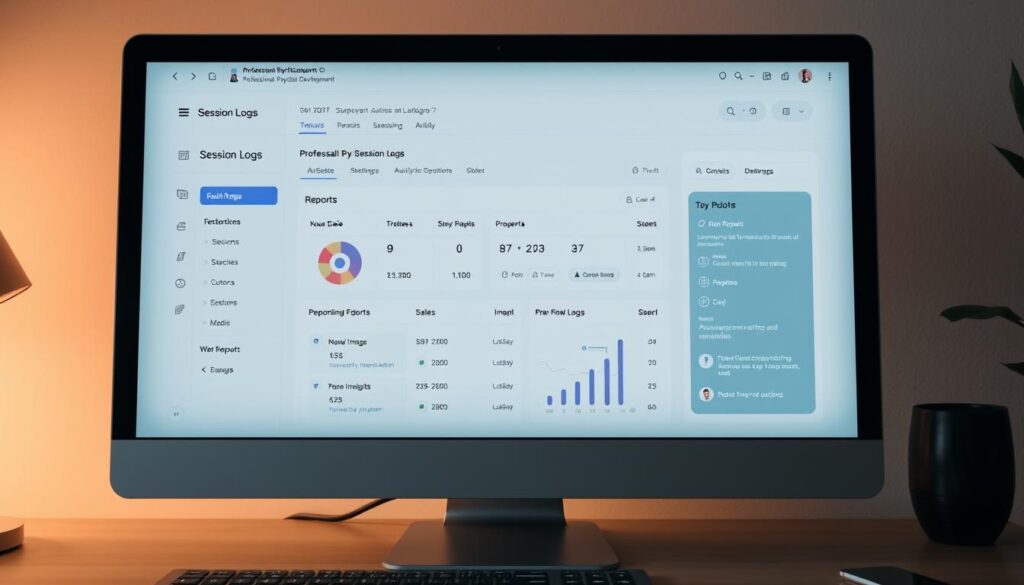
Start small. Use a digital journal app with search and tags for session themes. Add short state ratings (1–5) to record your own mind and body at session start and end.
Keep reusable forms on your website—consent, pre-session questions, and aftercare notes—to streamline intake and follow-up. Automate reminders so debriefs happen while impressions are fresh.
- Use spreadsheets to log outcomes, validations, and follow-ups.
- Integrate calendar blocks for practice sprints and circle meetings.
- Record short audio clips (with permission) to review tone and pacing.
“Export data quarterly to spot trends and guide what to train next.”
| Option | Best Use | Quick Benefit |
|---|---|---|
| Digital journal app | Timestamped notes & tags | Fast search and theme tracking |
| Spreadsheet tracker | Outcome logging and metrics | Measurable progress over time |
| Website forms | Consent & reusable intake | Consistent client experience |
Protect privacy: keep encrypted backups and limit access. Aim for minimal complexity so tech supports your work, not distracts from it. For planning resources and practical guides, see a short course on skills and practice.
Research Mindset: Engaging with Science, Questions, and Evidence
Start by turning curiosity into a method: ask crisp questions, run small repeatable tests, and log what you observe. This habit makes claims easier to evaluate and share.
Balance subjective reports with science-aware checks. Use videos and transcripts to review methods, avoid cherry-picking, and invite other perspectives to reduce bias.
Track a consistent taxonomy for phenomena so notes stay comparable over time. Treat consciousness as a variable: record sleep, diet, and stress alongside session results.

“Document what changed, why you think it did, and the next test you will run.”
- Practice saying “I don’t know” and escalate cases to mentors when needed.
- When your model shifts, write the change, design a test, and post exploratory notes on your website or private hub.
- Keep ethical boundaries clear: respect client autonomy and state limits of certainty.
| Step | Action | Quick result |
|---|---|---|
| Question | Write a clear, testable question | Focused data |
| Method | Design a repeatable form | Comparable entries |
| Review | Watch videos/transcripts, invite peers | Fewer biases |
| Record | Log consciousness & conditions | Contextual insight |
Fieldwork Kit: Recording Equipment, Remote Viewing Setups, and Ethics in Practice
Keep setup simple and repeatable so logistics never steal the session’s focus.
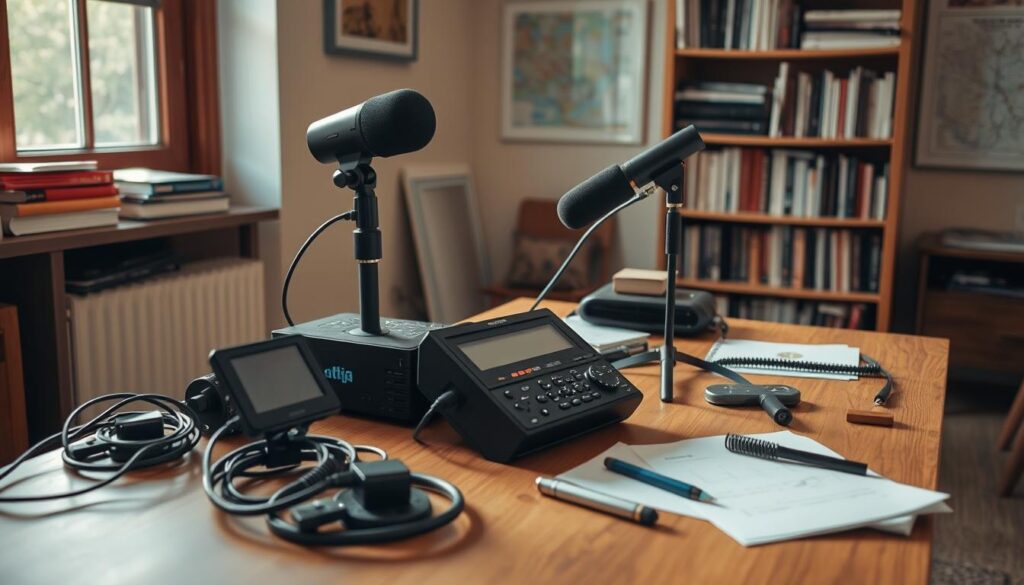
Basic kit: a reliable audio recorder, an optional camera for review, a small tripod, extra batteries, and on-site backups.
Remote viewing should use blinded targets, a fixed scoring form, and a timed protocol. Score results immediately and store raw files with clear labels.
- Use consent templates and an ethics note that people sign before any recording.
- Schedule time buffers for setup, calibration, and a debrief so you respect client time and your own focus.
- Label videos and notes with date, location, and a short tag to keep traceability across sessions.
Emotional safety: plan aftercare when topics touch on life and death. Share a short support list and allow opt-outs.
- On-location safety: check environment, have emergency contacts, and leave a check-in plan.
- Field audit: pre-outing checklist and a short post-check to log issues and wins.
- Store artifacts in a private website folder with role-based permissions and clear retention rules.
“Periodic equipment reviews are worth doing—upgrade only when it measurably improves the quality of your recordings and review time.”
| Item | Use | Quick benefit |
|---|---|---|
| Audio recorder | Primary session capture | Clear timestamped evidence |
| Camera & tripod | Technique review and context | Visual cues for technique refinement |
| Backup batteries & drives | Redundancy | Reduces lost sessions |
| Consent template | Participant agreement | Protects people and practice |
Keep notes concise and link major session summaries to your readings page when sharing public case studies. Review gear on a schedule and devote a little time each quarter to practical upgrades.
psychic development tools for professionals: Top Picks and How to Integrate Them
A focused weekly plan helps you move from scattered practice to steady, measurable progress.

Top picks: belief and mindset protocols, a short energy hygiene routine, core clair exercises, and a documentation stack hosted on a private website hub. Use these as a compact kit you can test and refine.
Sequence a typical week: two short meditation sits, three 10-minute clair drills, one energy-clean day, and daily one-line logs. Adjust session length to match client load and life pace.
- Decision path: choose practices that open the door to clearer sessions and match your purpose and ethics.
- One change at a time: test a single habit for 30 days, log outcomes, then iterate.
- Pair with a practice partner to increase accountability and richer feedback on psychic abilities.
| Day | Focus | Time |
|---|---|---|
| Mon | Mindset protocol + log | 10–15 min |
| Wed | Clair exercises | 2 × 10 min |
| Fri | Energy hygiene | 15–20 min |
Translate gains into client-ready delivery by pacing insights, using clear language, and leaving quiet beats for client response. Keep notes that convert practice hits into concise phrases you can use in sessions.
“Small steps done well beat a lot of scattered changes.”
Reassess quarterly. Make a conscious choice to keep, adjust, or retire a form based on logged outcomes and client feedback. This way you build power, stability, and a way to see world shifts clearly over time.
Conclusion
Keep a steady habit and prioritize curiosity. A compact kit—mindset, energy care, short skill drills, and clear documentation—helps you convert personal experiences into reliable client outcomes.
Belief and reality shift over time. Note changes, test a little bit, and log what you learn with trusted peers so your model improves without rushing.
Use podcasts, circles, and structured programs to expand your knowledge and keep the mind engaged. Host forms and notes on a private website hub to make learning repeatable.
Respect sensitive topics like death, ask good questions, and give yourself time. One clear habit started today can help you see world changes with more clarity and confidence.